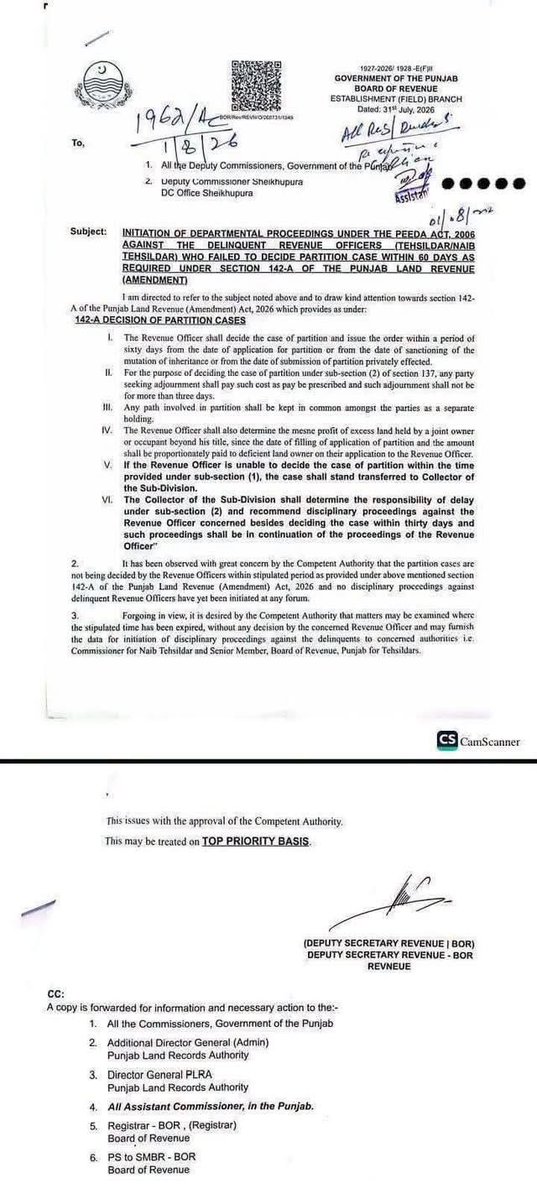
پنجاب لینڈ ریونیو (ترمیمی) ایکٹ 2026 کی دفعہ 142-A پر سختی سے عمل درآمد یقینی بنایا جائے۔
اس قانون کے مطابق:
✅ ہر پارٹیشن (تقسیمِ اراضی) کیس کا فیصلہ درخواست یا متعلقہ تاریخ سے 60 دن کے اندر کرنا لازمی ہے۔
✅ غیر ضروری التواء کی حوصلہ شکنی کے لیے فریقین سے مقررہ اخراجات وصول کیے
*فنانس ایکٹ 2026 کے بعد
Ex-PATA
میں جائیداد کی خرید و فروخت پر ودہولڈنگ ٹیکس کے قوانین نافذ کر دیے گئے ہیں۔ رجسٹری سے پہلے موجودہ ٹیکس قوانین سے آگاہی ضرور حاصل کریں.*
FBR notifies S.R.O. 1166(I)/2026 for small shopkeepers.
❌ No POS
❌ No digital invoicing
❌ No minimum tax
❌ No withholding on purchases
❌ No audit in the ordinary course
Just 1% of turnover. One page return. Voluntary.
@MoIB_Official@hylawpak@hylawassociates
چھوٹے دوکانداروں کے لئے انکم ٹیکس سیکم
اہلیت: سالانہ ٹرن اوور 200 ملین روپے تک والے ریٹیل (پرچون) دکاندار۔ٹیکس کی شرح: مجموعی ٹرن اوور (Gross Turnover) کا 1 فیصد۔دکاندار اپنی قابلِ ادائیگی رقم میں سے کٹا ہوا ودہولڈنگ ٹیکس منہا کر سکتے ہیں۔
ٹیکس نظام میں ایک اہم اور تاریخی تبدیلی
فنانس ایکٹ 2026 کے ذریعے انکم ٹیکس آرڈیننس، 2001 میں نیا سیکشن 122E — Faceless Audit and Assessment متعارف کرایا گیا ہے۔
اس نئے نظام کے تحت بورڈ کی جانب سے مقرر کردہ مخصوص افراد، آمدنیوں یا کیسز میں:
(1) سیکشن 177 یا 214C کے تحت آڈٹ
Advisor to Finance Minister Outlines Pakistan's Reform Agenda, FY2026-27 Budget Priorities and New Tax Operating Model at National Tax Seminar
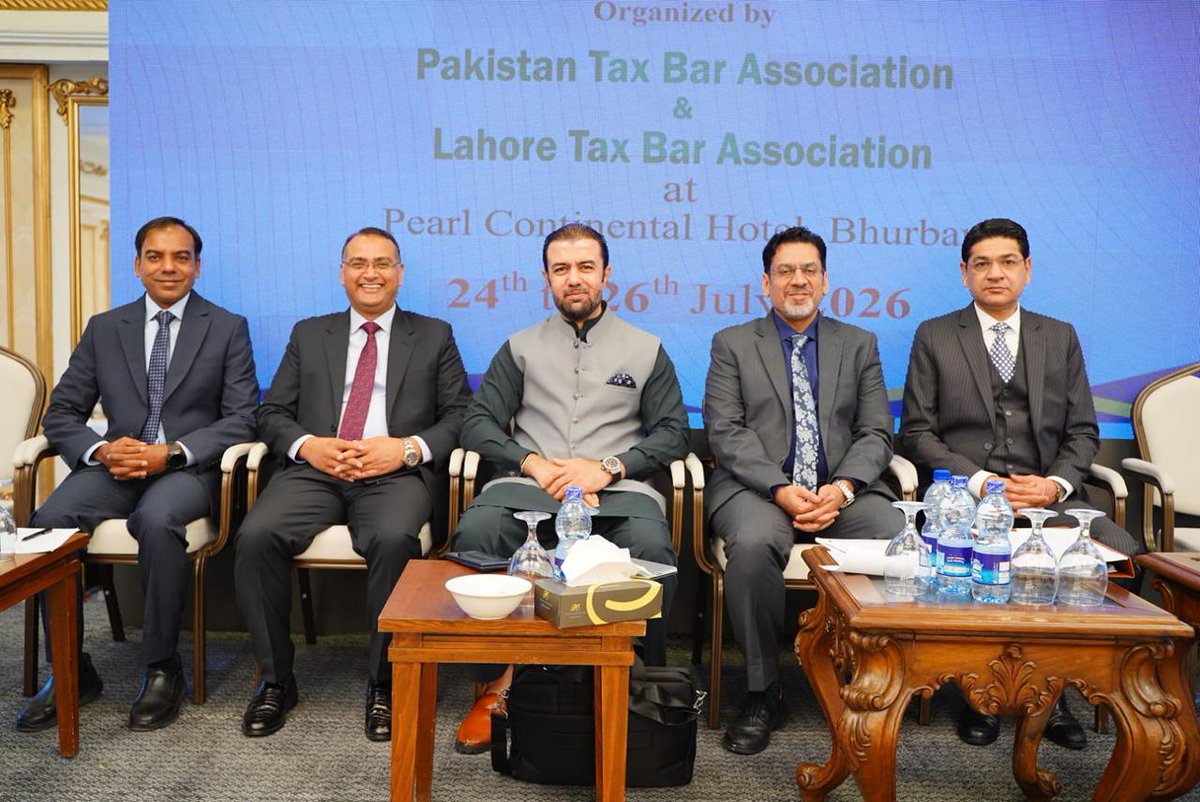
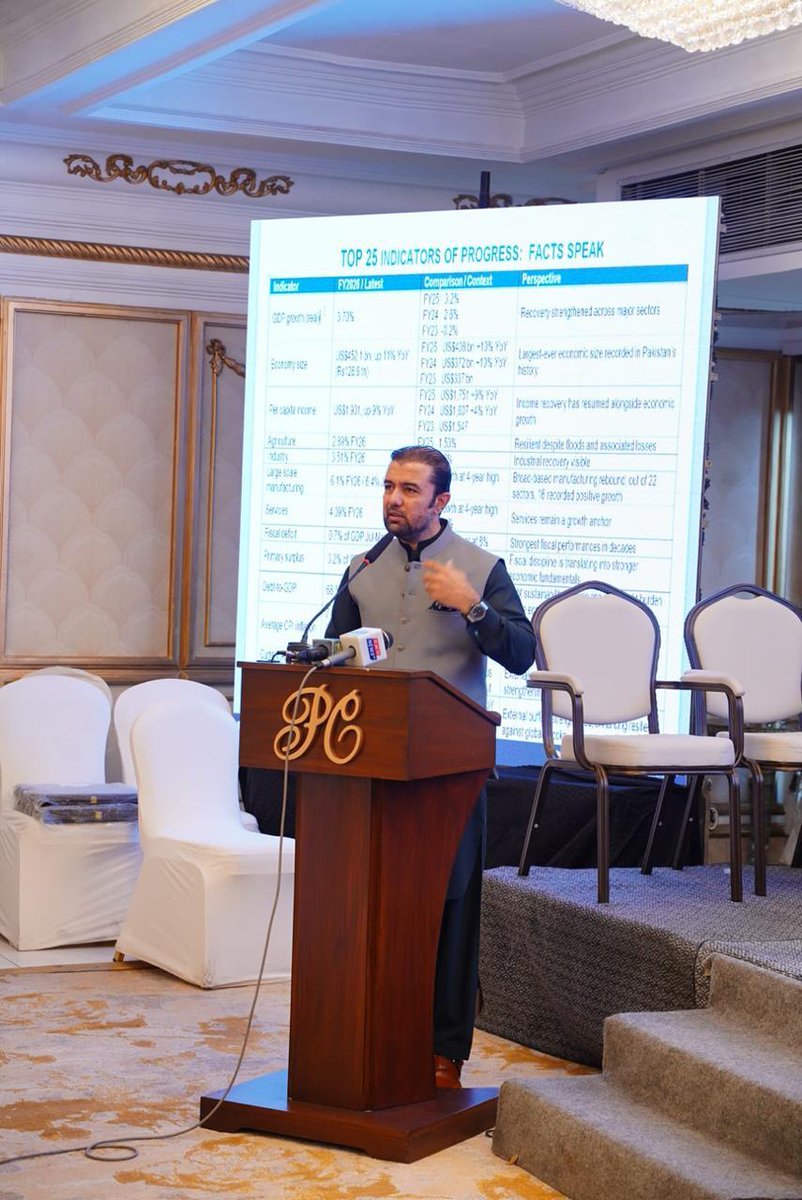
Advisor to the Federal Minister for Finance and Revenue, Mr. Khurram Schehzad, addressed the four-day National Tax Seminar jointly organized by the Pakistan Tax Bar Association (PTBA) and the Lahore Tax Bar Association (LTBA), where he outlined Pakistan's improving macroeconomic outlook, the Government's structural reform agenda, key priorities of the FY2026-27 Budget, and the rollout of the country's New Tax Operating Model (NTOM).
The seminar was attended by President, Pakistan Tax Bar Association, Mr. Ehsan-ul-Haq Sheikh; President, Lahore Tax Bar Association, Mr. Rana Saqib Munir; Patron, Pakistan Tax Bar Association and Chairman, Pakistan Tax Bar Academy, Mr. Abdul Qadir Memon; Member, Appellate Tribunal Inland Revenue, Mr. Zahoor Ahmed, as Guest of Honour; renowned economist Dr. Nadeem Ul Haque as keynote speaker, along with senior tax professionals, legal practitioners, chartered accountants and members of the tax fraternity from across Pakistan.
Addressing the seminar, Mr. Schehzad said Pakistan has made significant progress in restoring macroeconomic stability through prudent fiscal management and the implementation of difficult but necessary structural reforms. He noted that improving fiscal discipline, rebuilding external buffers, strengthening debt management and restoring investor confidence have enabled the country to transition from stabilization towards sustainable, private sector-led economic growth.
He said these reforms are increasingly being recognized through improved sovereign credit ratings, successful IMF programme reviews, renewed access to international capital markets, growing investor confidence and positive assessments by international financial institutions, reflecting the strengthening fundamentals of Pakistan's economy.
Highlighting the FY27 Budget, the Advisor said it is a balanced, responsible and pro-growth budget that supports investment, exports, industrial development and employment while maintaining fiscal discipline. He noted that the budget provides meaningful relief to the salaried class, introduces measures to enhance business competitiveness and support exporters, advances tariff reforms, encourages documentation of the economy and reinforces the Government's commitment to broadening the tax base rather than placing additional burden on existing compliant taxpayers.
Mr. Schehzad also highlighted the Government's wider reform agenda encompassing tax administration, public debt management, privatization, state-owned enterprises, pension reforms, energy sector reforms, Digital Pakistan initiatives, capital market development and improved access to finance, noting that these reforms are strengthening institutions, improving governance, enhancing productivity and creating a more competitive and investment-friendly economy.
A key focus of his address was the introduction of Pakistan's New Tax Operating Model, which represents a structural shift from an officer-driven system towards a data-led, technology-enabled, faceless and accountable tax administration. He explained that the reform separates audit, assessment and field operations into specialized functions while leveraging digital technologies, centralized data analytics and risk-based compliance to reduce discretion, minimize physical interaction, strengthen taxpayer rights and improve transparency, consistency and efficiency in tax administration. Compliant taxpayers will benefit from simpler and more predictable services, while enforcement will increasingly target tax evasion through intelligent use of data rather than discretionary interventions.
The Advisor appreciated the constructive role of the tax bar associations and tax practitioners in strengthening Pakistan's tax administration and emphasized that continued stakeholder engagement would remain central to the successful implementation of the New Tax Operating Model and the Government's broader tax reform agenda.
The seminar also featured technical sessions on provincial sales tax, Budget FY2026-27 tax measures, tax policy, faceless tax administration, digitalization and practical issues relating to direct and indirect taxation. Dr. Nadeem Ul Haque delivered the keynote address on tax policy reforms, while FCA Mr. Muhammad Rehan Siddiqui presented on faceless jurisdiction and the digitalization of tax administration. Tax experts and practitioners also participated in technical panel discussions on emerging tax issues and reform priorities.
Speaking on behalf of the organizers, President, Pakistan Tax Bar Association, Mr. Ehsan-ul-Haq Sheikh; President, Lahore Tax Bar Association, Mr. Rana Saqib Munir; and Patron, Pakistan Tax Bar Association and Chairman, Pakistan Tax Bar Academy, Mr. Abdul Qadir Memon, appreciated the Government's continued engagement with the tax community and reaffirmed their commitment to constructive dialogue for developing a simpler, more transparent, technology-driven and business-friendly tax system.
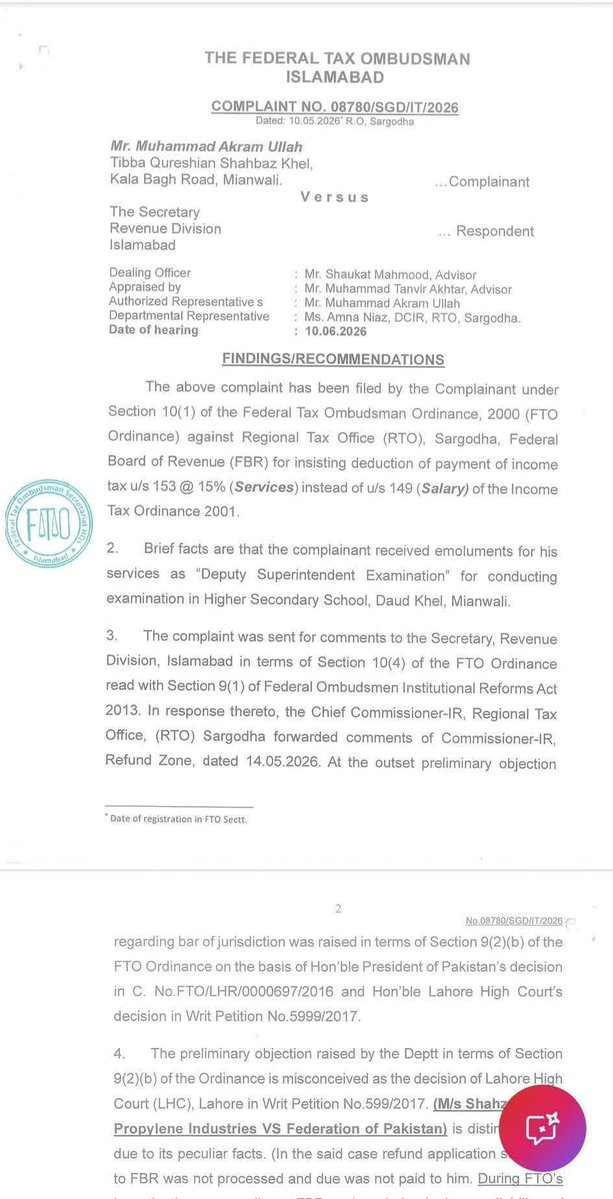
📢 امتحانی ڈیوٹی کے دوران بھی اساتذہ "آن ڈیوٹی" ہی تصور ہوتے ہیں، اس لیے بورڈ (جیسے BISE سرگودھا یا دیگر بورڈز) کی طرف سے ملنے والا معاوضہ آپ کی تنخواہ (Salary) کا حصہ مانا جائے گا-
*لہٰذا، اس معاوضے پر ٹیکس کی کٹوتی Section 149 (تنخواہ پر لاگو ہونے والے ٹیکس) کے تحت ہونی چاہ
ایف بی آر نے نیشنل فیس لیس سینٹر (National Faceless Centre - NFC) کے قیام کے لیے اہم قدم اٹھا لیا
حکومت نے 14 جولائی 2026 کو ایک اہم نوٹیفکیشن جاری کرتے ہوئے نیشنل فیس لیس سینٹر (NFC) اور ایف بی آر کے نئے ٹیکس آپریٹنگ ماڈل کے نفاذ کے لیے پروگرام مینجمنٹ یونٹ (PMU) قائم کر دیا ہے
The online return for Year 2026 is mandatorily requiring taxpayers to disclose the particulars of the person remitting foreign funds. This requirement appears , which does not require such disclosure for qualifying foreign remittances up to Rs. 5 million.
ایف بی آر نے ریکوری پروسیجر سے متعلق نئی نوٹیفکیشن جاری کر دی ہے۔
اس نوٹیفکیشن کے تحت ٹیکس واجبات کی وصولی کے طریقۂ کار (Recovery Procedure) کو مزید واضح اور مؤثر بنایا گیا ہے۔ تمام ٹیکس دہندگان اور کاروباری حضرات کے لیے ضروری ہے کہ وہ اس نوٹیفکیشن کا مطالعہ کریں
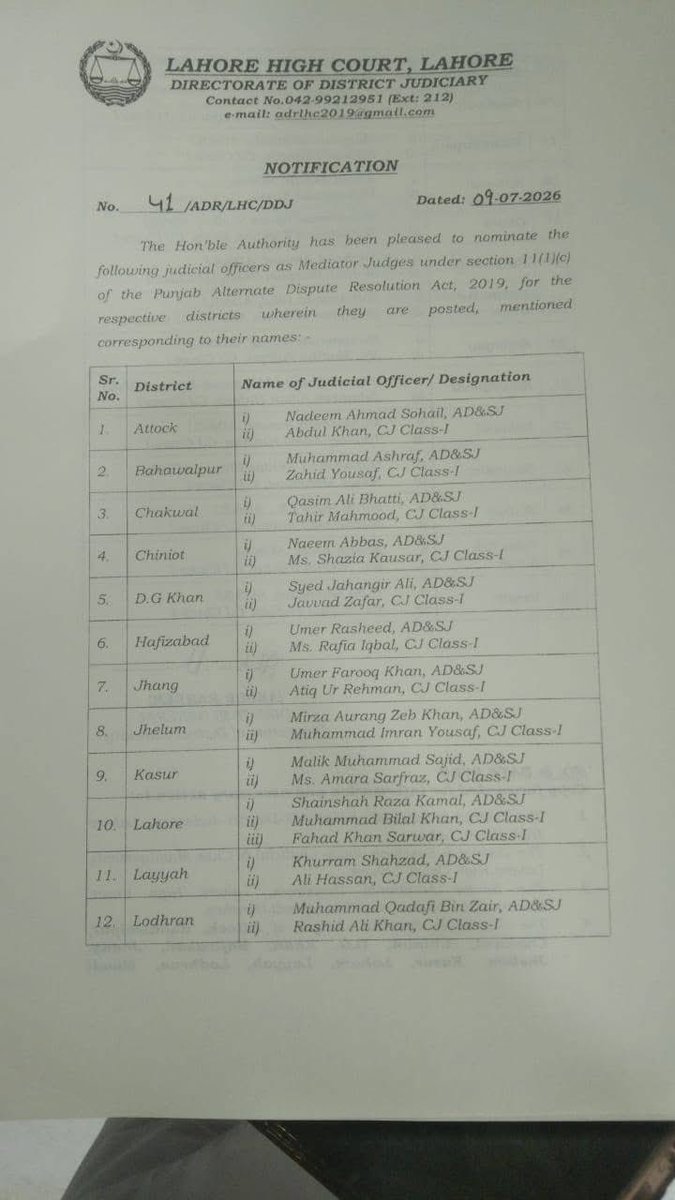
جاری کردہ نوٹیفکیشن کے مطابق متعلقہ اضلاع میں تعینات جوڈیشل افسران کو میڈی ایٹر ججز مقرر کیا گیا ہے تاکہ عدالتوں میں زیر التوا مقدمات اور دیگر قابلِ مصالحت تنازعات کو باہمی رضامندی اور مفاہمت کے ذریعے جلد از جلد حل کیا
اس اقدام کا مقصدتنازعاتی حل (ADR) کے نظام کو فروغ دینا
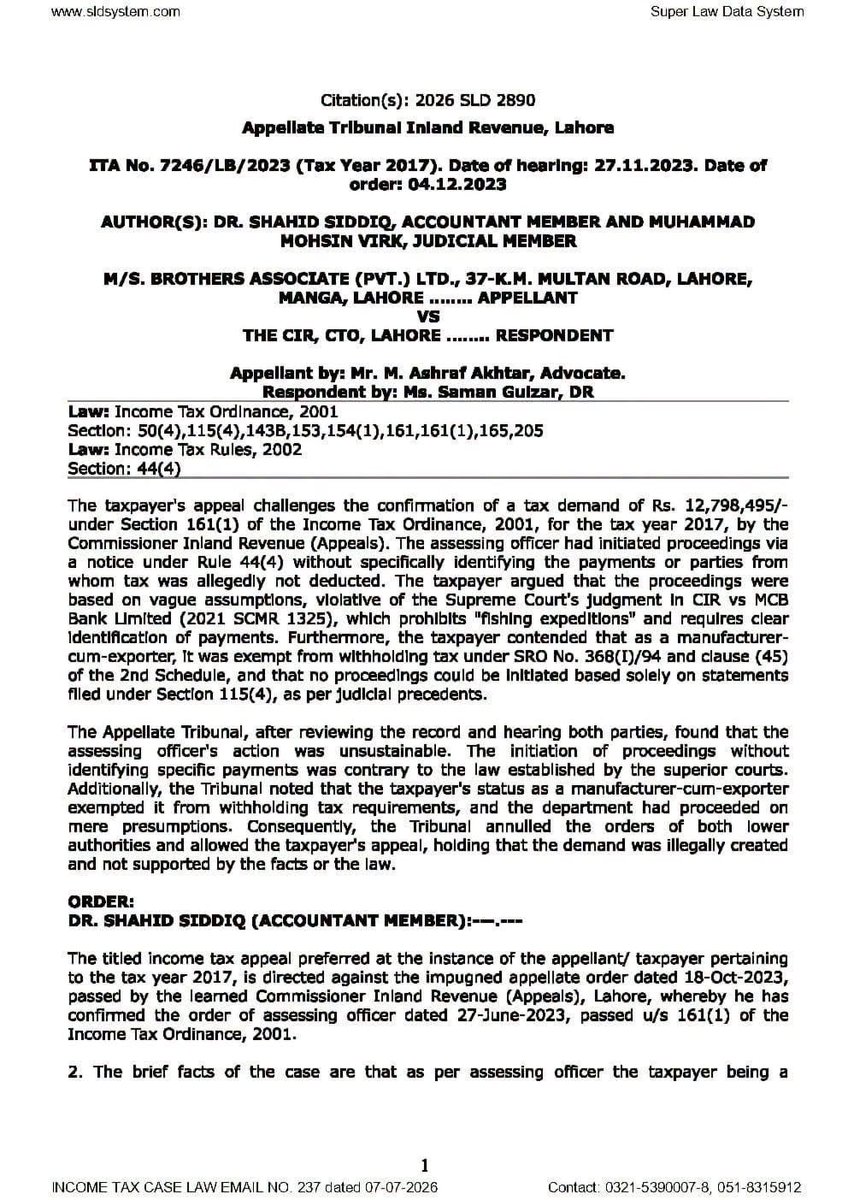
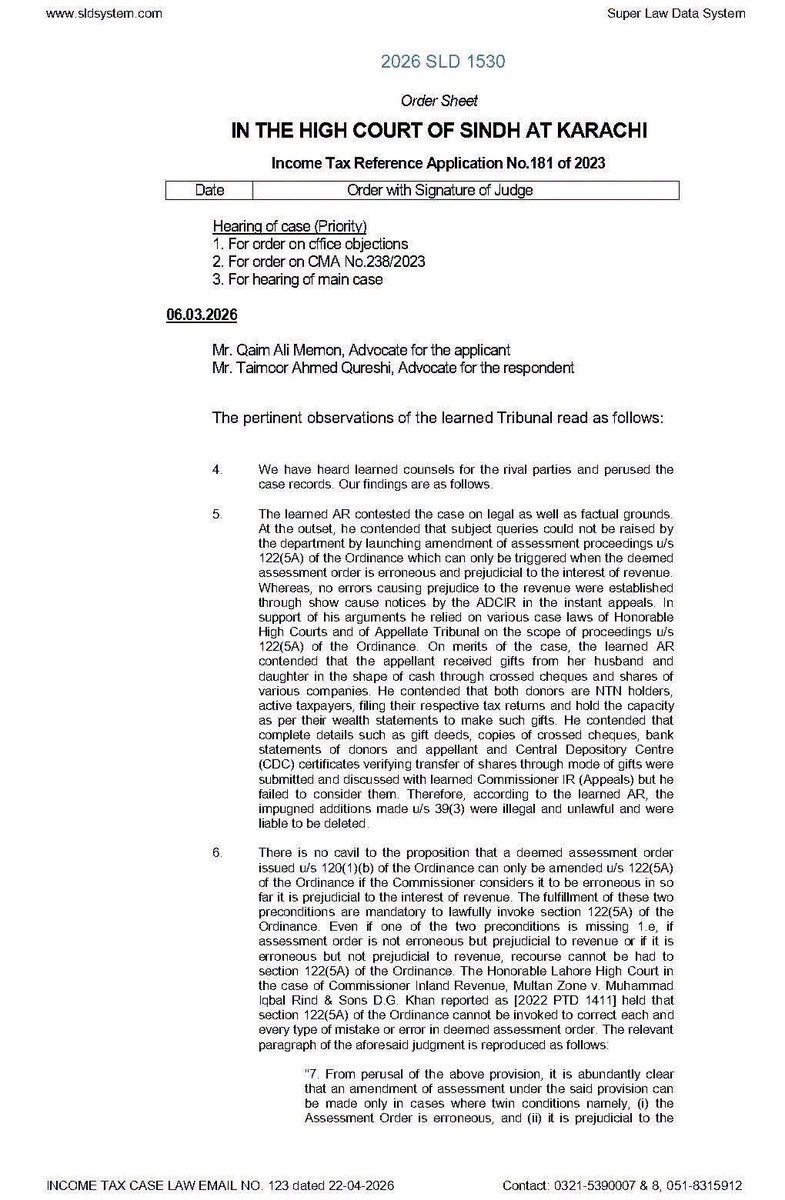
اہم قانونی نکتہ یہ ہے کہ اگرچہ High Court نے Section 122(5A) کے scope پر ATIR کی پوری reasoning کو الگ سے اپنی مستقل ratio کے طور پر expressly declare نہیں کیا، تاہم Department اس reasoning کو High Court کے سامنے کامیابی س
Section 161
محکمہ کو یہ اختیار نہیں دیتا کہ پہلے اندھیرے میں تیر چلایا جائے، مبہم نوٹس جاری کیا جائے، اور پھر ٹیکس پیئر سے کہا جائے کہ اب تم خود ثابت کرو کہ تم default میں نہیں تھے
.
قانونی کارروائی کی بنیاد specific information، identified payments ہونی چاہیے — محض شک نہیں
(2026 CLC 1)
⚡ عدالت نے طلاقِ جعفریہ کے لیے شرطیں طے کر دیں:
1️⃣ طلاق صرف شوہر کی اپنی آزاد مرضی سے ہو۔
2️⃣ شوہر خود یا اس کا مجاز وکیل طلاق دے۔
3️⃣ عربی الفاظ (صیغہ طلاق) زبان سے ادا کرنا فرض ہے۔
4️⃣ صیغہ پڑھتے وقت کم از کم 2 عادل مسلمان مرد گواہ موقع پر موجود ہوں۔