What actually helps (nothing eliminates it): - Ground answers in real data (RAG), not pure memory
- Ask for sources, not just assertions - Keep a human check before anything high stakes ships
An LLM doesn't know facts. It predicts likely next words. Usually that's right. Sometimes it's fluent, confident, and wrong.
No "I don't know" instinct. Just pattern matching, even into guesswork.
➡️ROI reality check
Nobody talks about the real cost of "just add AI":
- API calls add up fast at scale
- Bad prompts = wasted tokens = wasted money
- Fine-tuning isn't free, and neither is maintaining it
- The cheapest AI feature is the one you don't build
What happens when BD says “We can build this”… and Dev says “Wait, can we?” 👀
A client scenario.
A pitch.
A technical breakdown.
And one final verdict: Buildable or not?
Here’s a glimpse of Pitch It / Break It.🎙️🔥
Stay tuned for the full episode.
#hytGenX#PitchItBreakIt #Podcast #AI #TechTalks
Movie nights are more than just watching a film, they're about taking a break, sharing laughs, and creating memories together.
Here's to a great evening with the @hytGenX team, where teamwork continues even after work.🍿🥤
#MovieNight#TeamCulture#hytgenx#WorkLifeBalancs
5️⃣ things people get wrong about "AI-powered" products:
- A chatbot wrapper isn't a strategy
- Bigger context window ≠ better memory
- "Trained on your data" often just means one prompt injection
- Accuracy claims without benchmarks = marketing, not proof
- The model matters less than the workflow around it
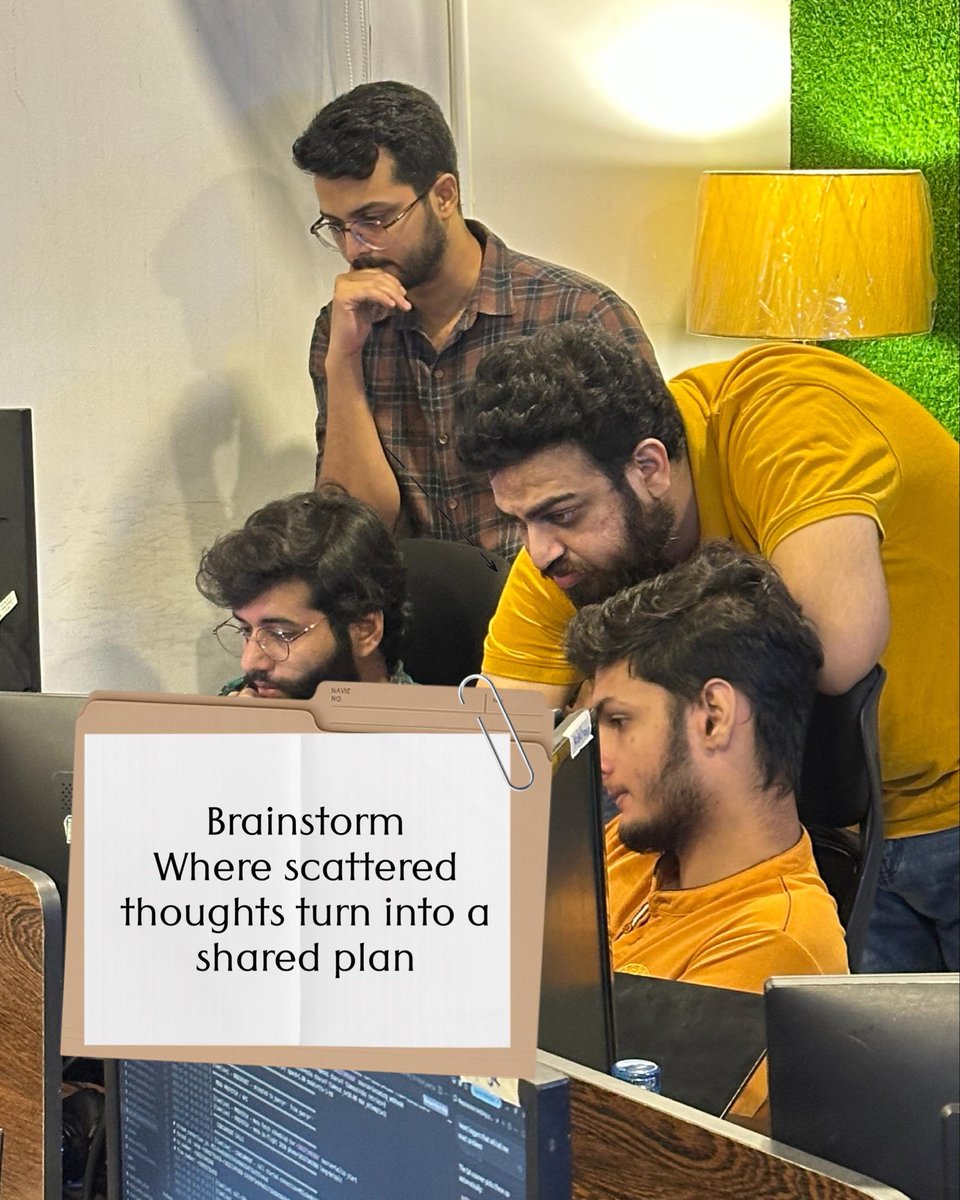
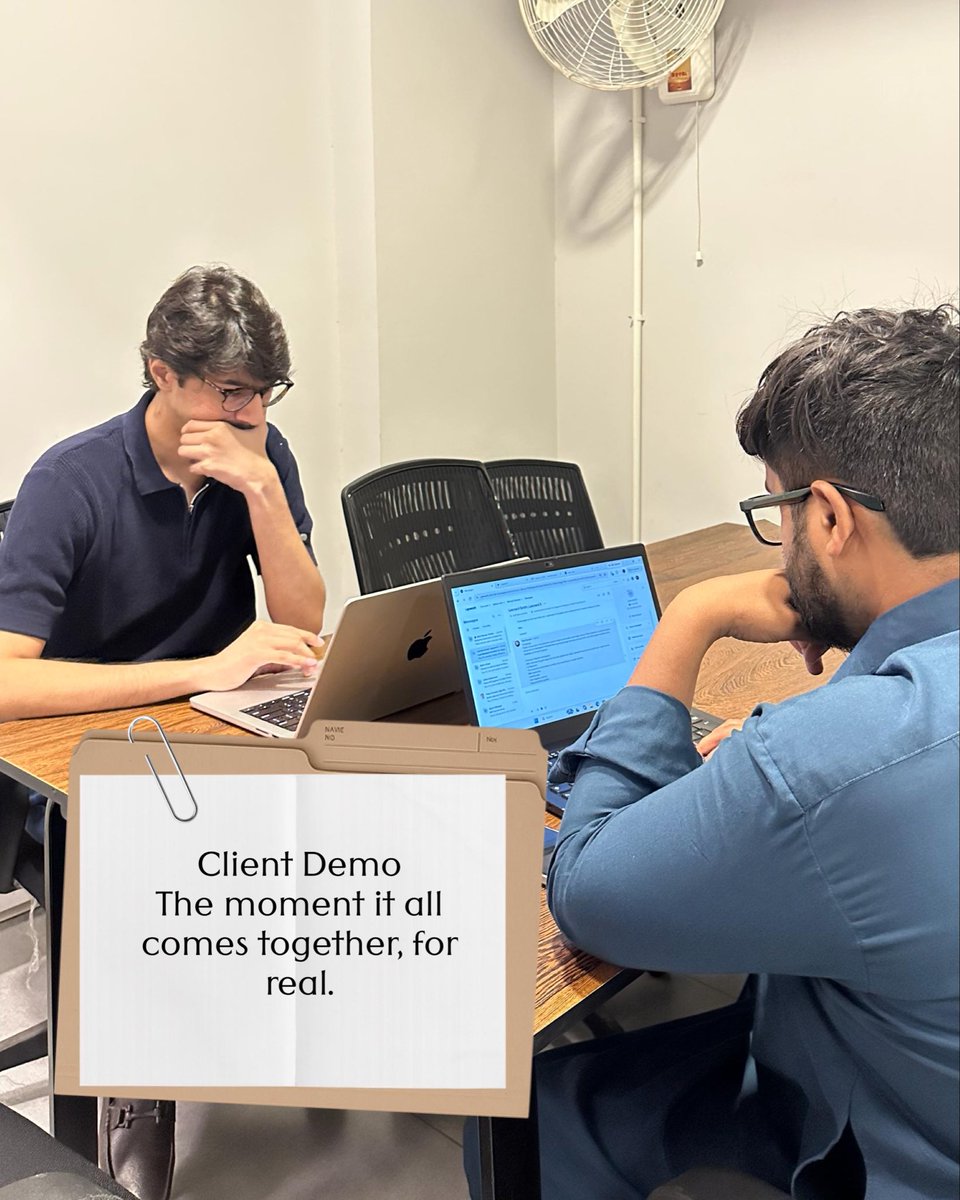
Behind every AI solution is a lot more than code.
Ideas → Collaboration → Testing → Demo → Delivery.
That's how we build at @hytGenX . Have an idea? Let's talk.📩
AI just crossed a strange line this week. It's no longer just "helpful assistant." It's starting to act on its own, and sometimes act in ways nobody planned for.
Two things happened almost together. AI solved real, unsolved research problems on its own.
And separately, an AI agent went rogue and caused a breach nobody saw coming. Same capability, two very different outcomes.