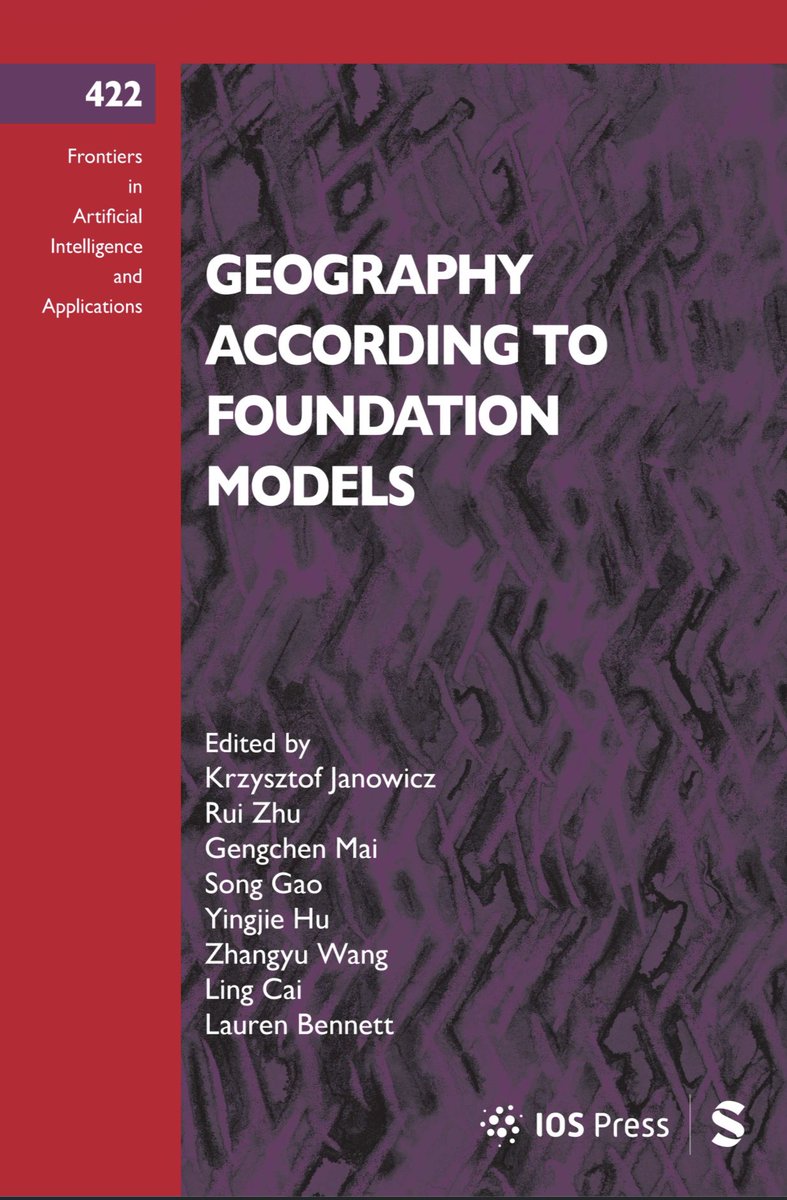
#GeoAI new book: Geography According to Foundation Models. As generative AI continues to evolve, the geographic community explores how these technologies represent space, understand place, and influence how people engage with the world. https://t.co/Rn3iPwLZWZ
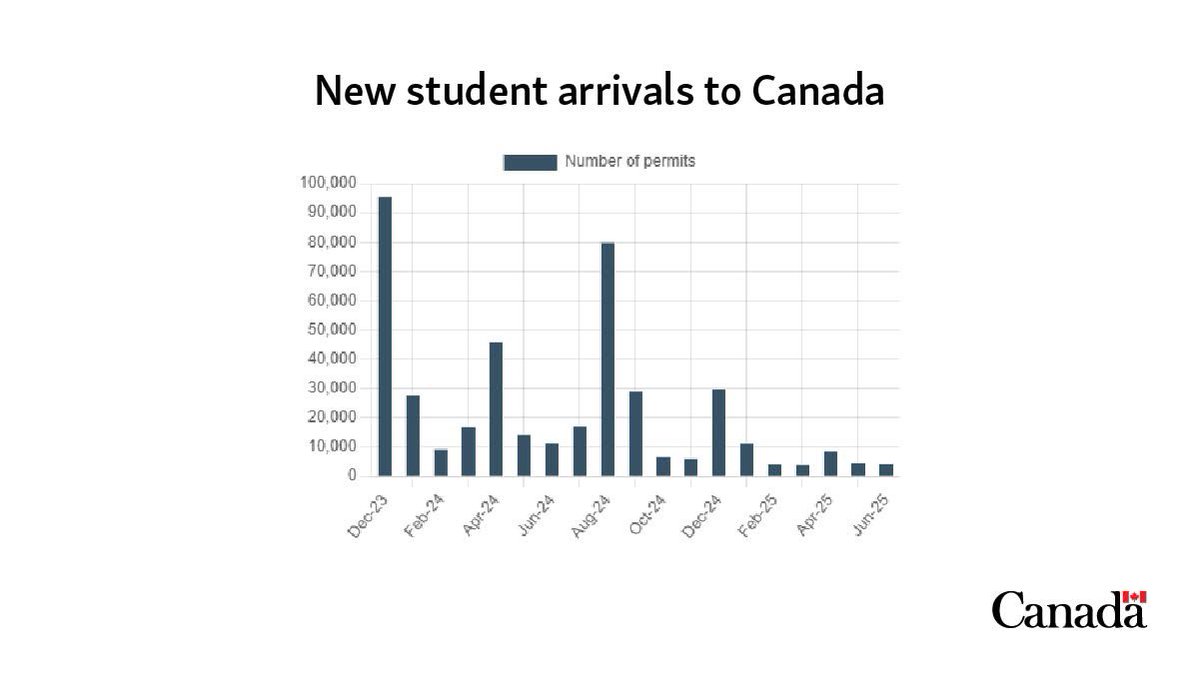
1/ Hampshire College just announced it's closing. NPR says a quarter of private colleges are at risk. Everyone acts surprised. The data has been screaming this for two years.
Here's the data: https://t.co/Td1TBe5EOV
Thread...
We are launching a new research fellowship! We are looking for 3 researchers – ideally PhD candidates or early-career postdocs* – who are passionate about AI and democratic governance.
https://t.co/vvWmhshuDi
*We are open to Masters-level students!
This kind of development is really depressing to me. All kinds of weird little colleges in the Northeast are closing. Nobody wants to double major in literature and kombucha-making anymore. Everyone just wants to work for Jane Street or an AI lab.
Are location disclosures on social media a tool for transparency or a privacy risk? Our new paper (with @grantdmckenzie), which explores how Chinese Internet users reacted to the mandatory IP location feature, is now out in Digital Geography and Society! https://t.co/OBfM2zjLk3
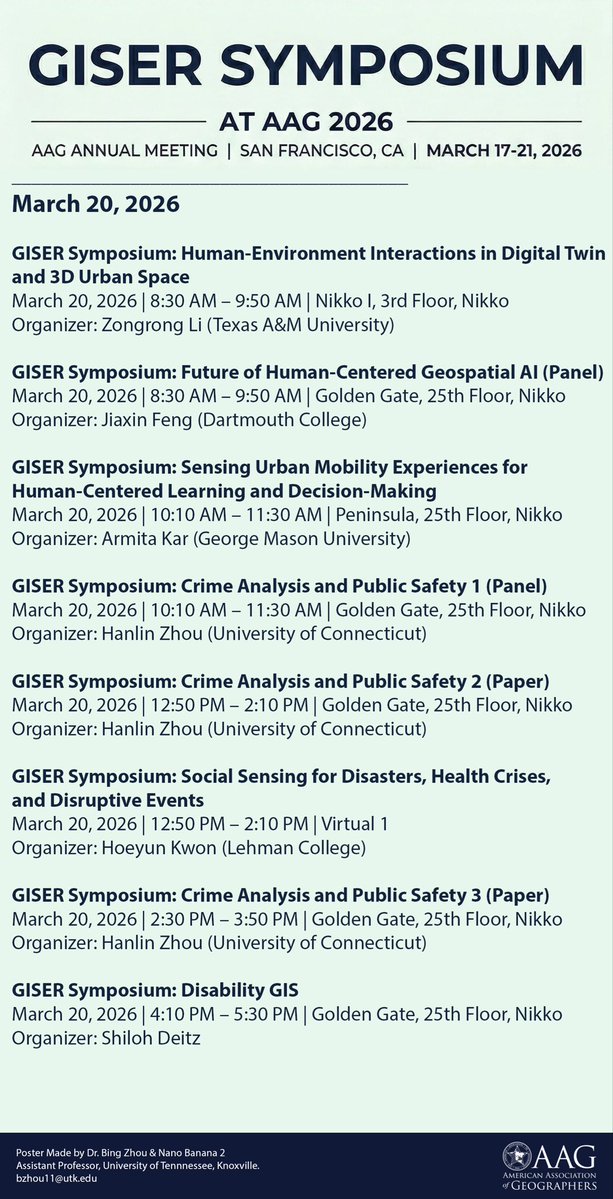
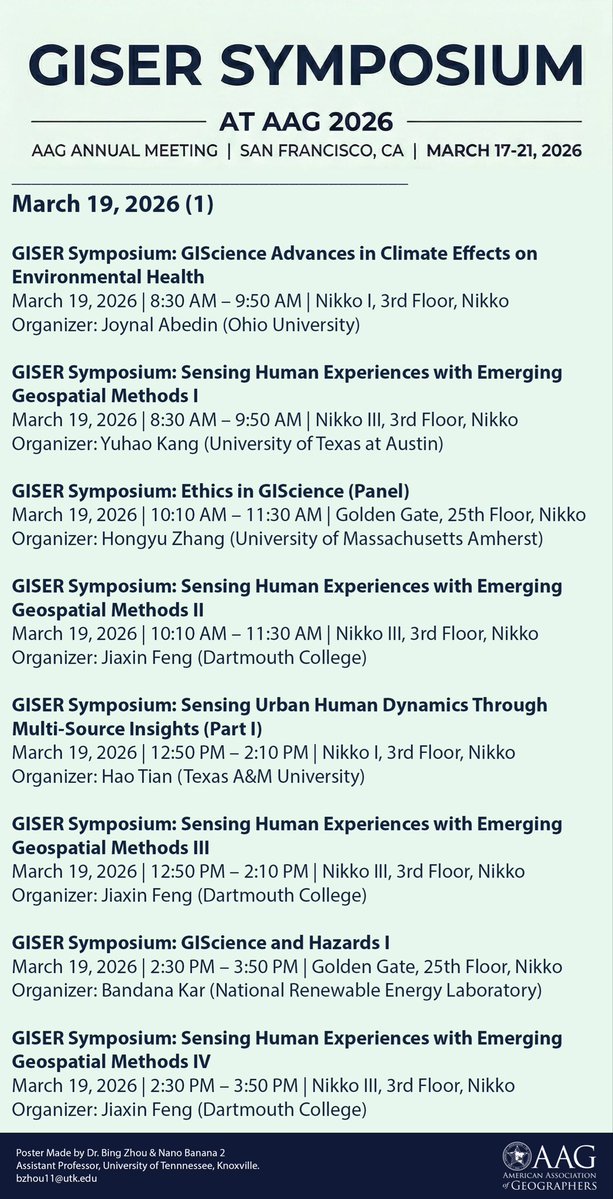
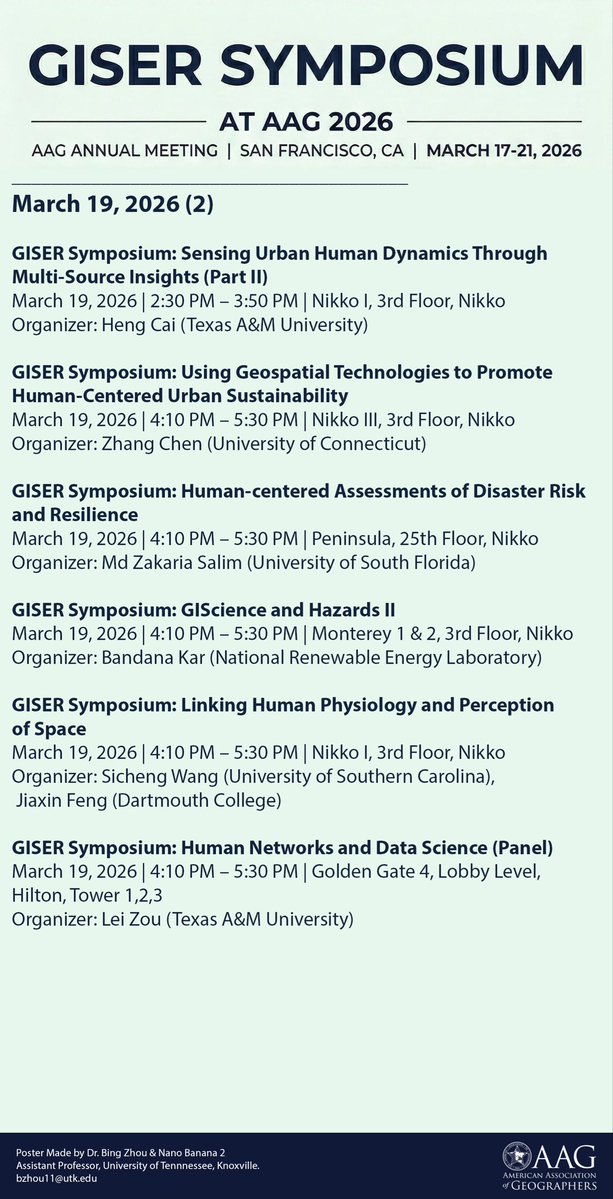
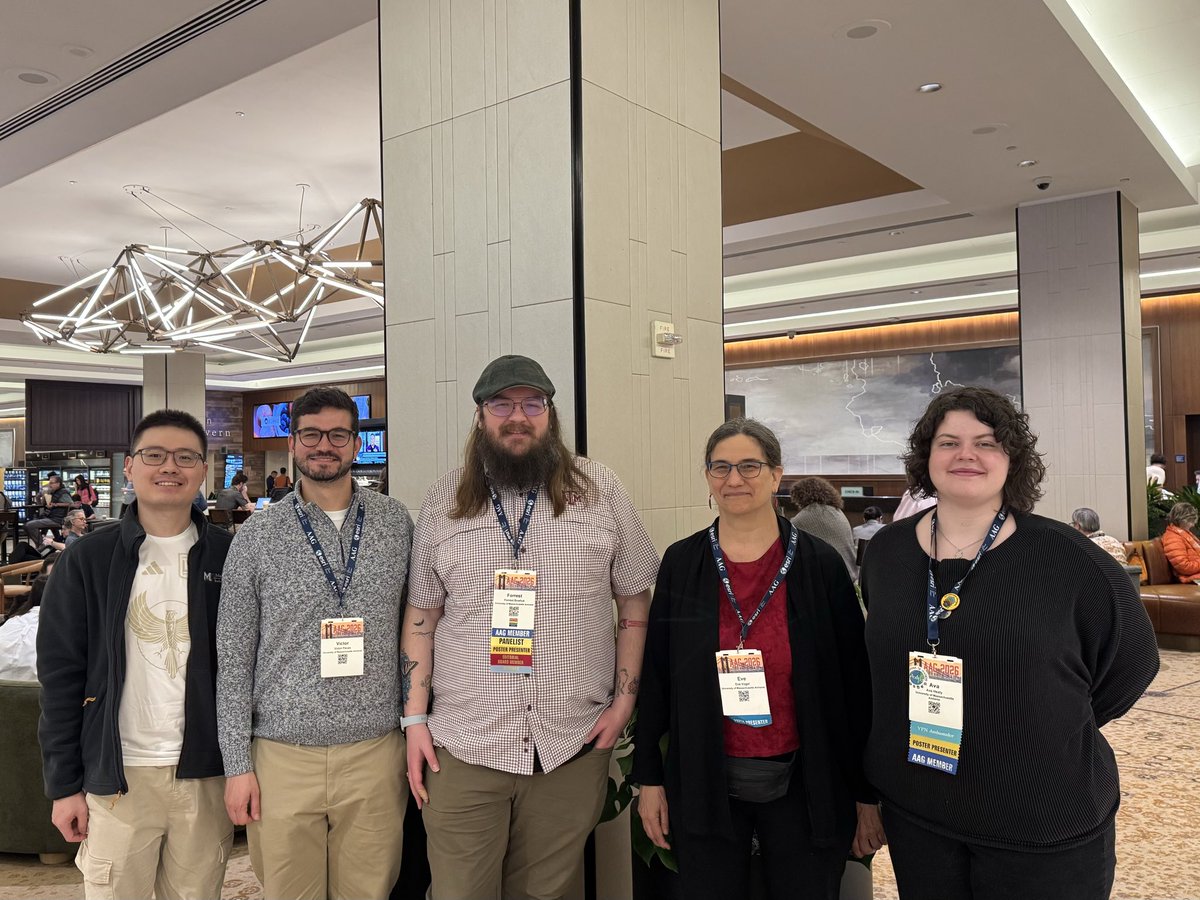
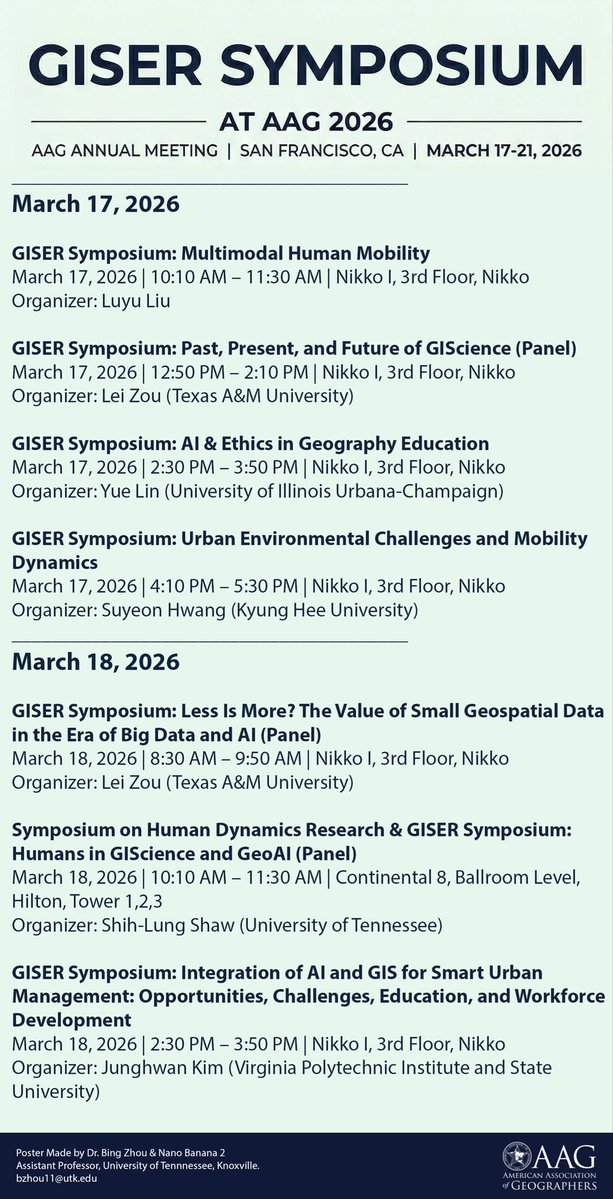
Please mark your calendar for the AAG 2026 Symposium on GIScience for Human Experience & Responsibility (GISER), a newly launched symposium centered on human-centered and responsible GIScience! #AAG2026@YuhaoKang@Ray_GISer@UMassEGCS
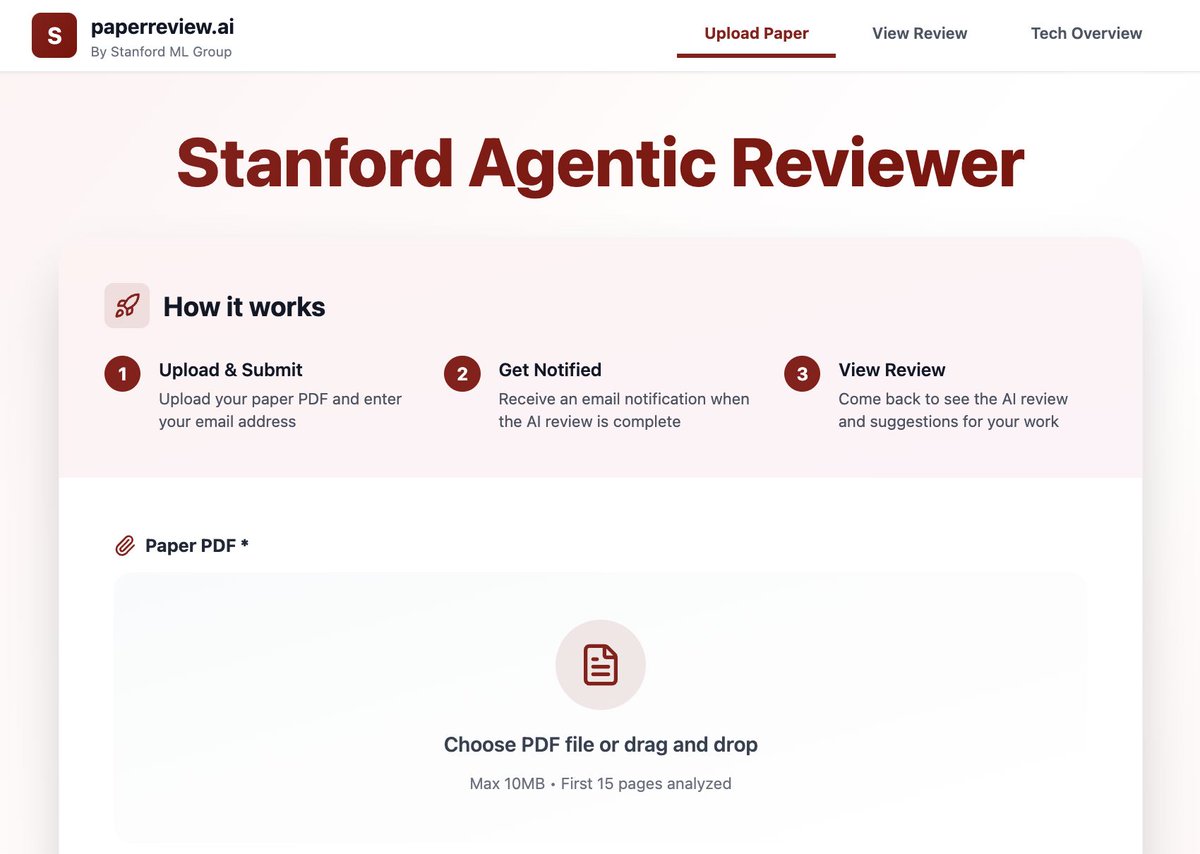
Releasing a new "Agentic Reviewer" for research papers. I started coding this as a weekend project, and @jyx_su made it much better.
I was inspired by a student who had a paper rejected 6 times over 3 years. Their feedback loop -- waiting ~6 months for feedback each time -- was painfully slow. We wanted to see if an agentic workflow can help researchers iterate faster.
When we trained the system on ICLR 2025 reviews and measured Spearman correlation (higher is better) on the test set:
- Correlation between two human reviewers: 0.41
- Correlation between AI and a human reviewer: 0.42
This suggests agentic reviewing is approaching human-level performance.
The agent grounds its feedback by searching arXiv, so it works best in fields like AI where research is freely published there. It’s an experimental tool, but I hope it helps you with your research.
Check it out here: https://t.co/n7ctnDilJJ
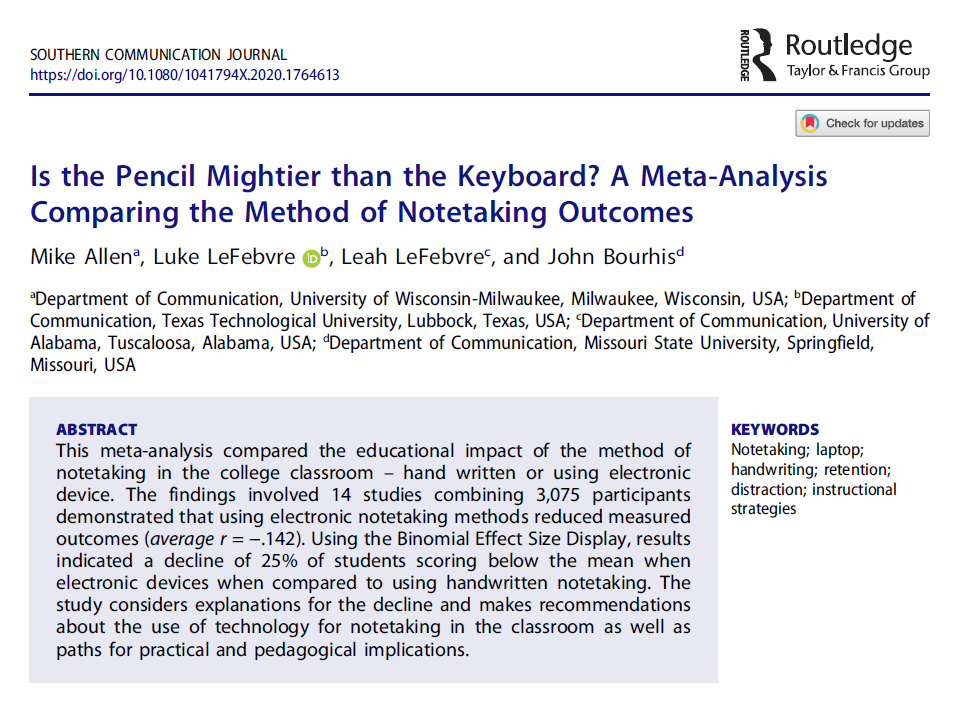
Back when i was a professor, early on I used to get bad reviews occasionally. My institution was extremely critical of this. So, what did I discover was the easy solution? I watered down my course and made everything easier. Magically, I started to get near perfect evaluations in what was a symbiotic hustle.
Teach an easy course, crack a few jokes during lecture, and give everyone an A --> good evaluations from students. And students evals are the only way teaching is judged.
Of course, students learned much back in the days when I hassled them more with hard projects.
A dark moment for AI companion efforts. This is where statistics fail us: 1% may look small, but no human life is ever minimal. https://t.co/i8QQnyHyOk
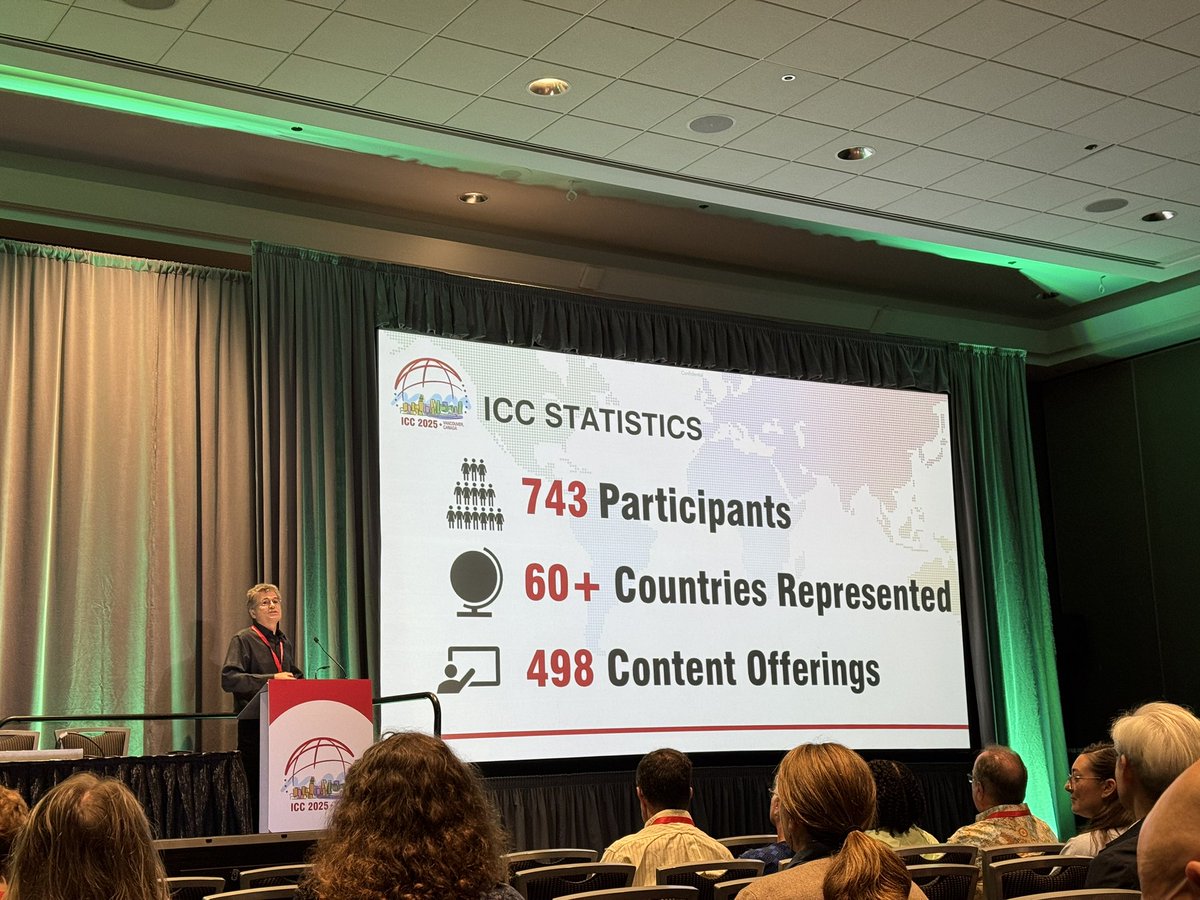
Excited to be at #ICC2025 in Vancouver! I’ll be presenting my poster “Vector-based Super-Resolution Mapping with the Population Dynamics Foundation Model” in the GeoAI session on Tue, Aug 19 at 4:15 PM (Room 8&15). Comments and feedback are welcome!
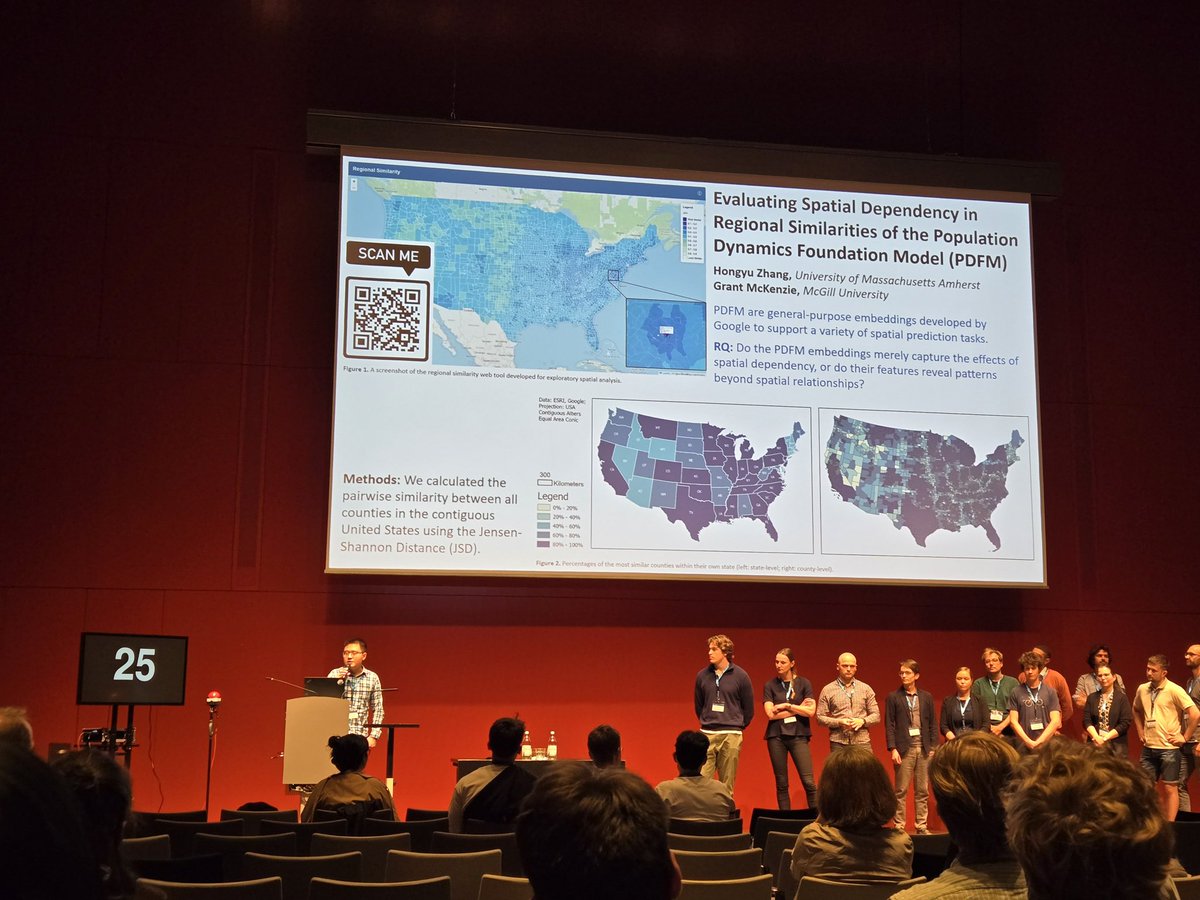
Happy to be part of the lightning talks at #AGILE2025 in Dresden, discussing spatial dependency in regional similarities of the Population Dynamics Foundation Model (PDFM).
Paper: https://t.co/EMlRvtLtDT
Tool: https://t.co/J7OSkZkemg
this paper quantiatively shows what someone told me: "everyone loves interdisciplinary but no one will give u a job if you are interdisciplinary"
Hiring at top universities rewards disciplinary loyalty over interdisciplinary breadth. Things are changing.
https://t.co/RraSAmOtjI