Seeing Essentials of Residential Property Management on the shelf at Barnes & Noble was a reminder of why I wrote this book.
It’s more than a milestone — it reflects the growing need for practical, operations-focused knowledge in real estate & property management.
@Liathetrader You’re right. $100K in FL real estate isn’t going to generate the income he needs…especially after insurance, taxes, and maintenance. A diversified income strategy (dividend stocks, REITs, even STRC) offers better yield potential and far less operational risk.
Detroit’s rebound has been more measured and durable than “boomtown” cycles like what are seeing in Austin & Miami. A lot of the 2010s pipeline is now delivering/settling into stabilized occupancy vs. chasing constant new cranes. Detroit’s approach is building a steadier base
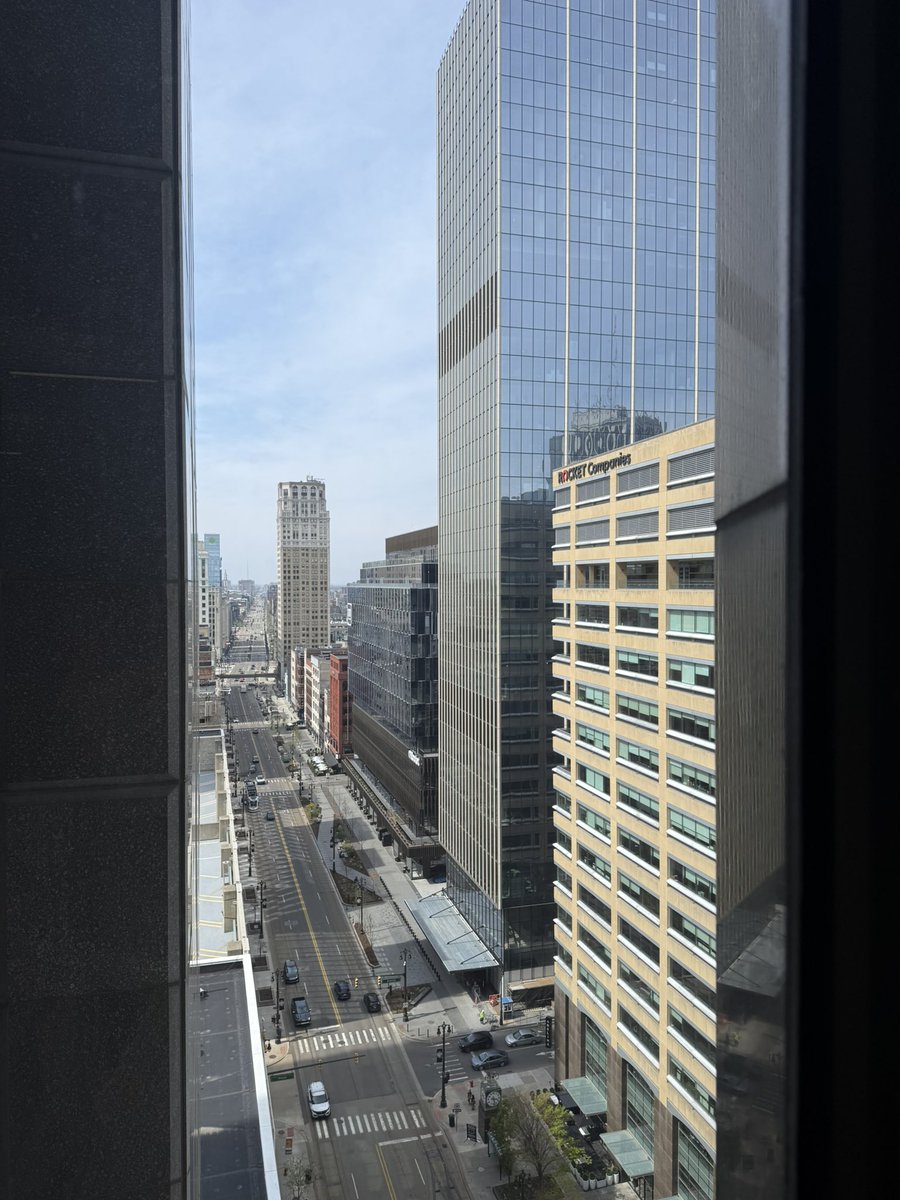
Spent some time walking around downtown Detroit this afternoon. Most of the 2010s projects that were ongoing when I left in 2022 are complete (Hudson’s Site, Book Tower, a few smaller buildings) but it doesn’t seem that there’s much that’s new, which is a crazy contrast to my first time here in 2019 whew every block seemed to have something going on.
The UM building and the convention center hotel are the only new construction going up, it seems, and all the buildings that were vacant when I left are still vacant. My old office tower, the Michigan Building, looks like it might be totally empty now too. Retail vacancies are about the same, maybe slightly down at best. The qline hasn’t upgraded its ROW and the cars are already aging fast.
It’s a bit of whiplash for me after spending last week in Austin where the 2020s have had explosive physical growth downtown & everything was both new and packed.
I don’t know if the pandemic just crushed office occupancy and made downtown less desirable to live in, or if the low hanging fruit has been plucked and now Gilbert has pulled back, or what, but the vibrancy and promise of the 2010s seems to have slacked off.
@2024dion Austin’s explosive growth came with real downsides: overheated development, elevated downtown office vacancy, and affordability-driven churn that’s forced a lot of people out. Detroit’s approach is slower, but it’s building a steadier base.
@2024dion Detroit’s rebound has been more measured and durable than “boomtown” cycles. A lot of the 2010s pipeline is now delivering/settling into stabilized occupancy vs. chasing constant new cranes.
@mvelitehomes I’m planning to vote against this because legislators have failed to show how they plan to replace the lost tax revenue for local governments and school systems.
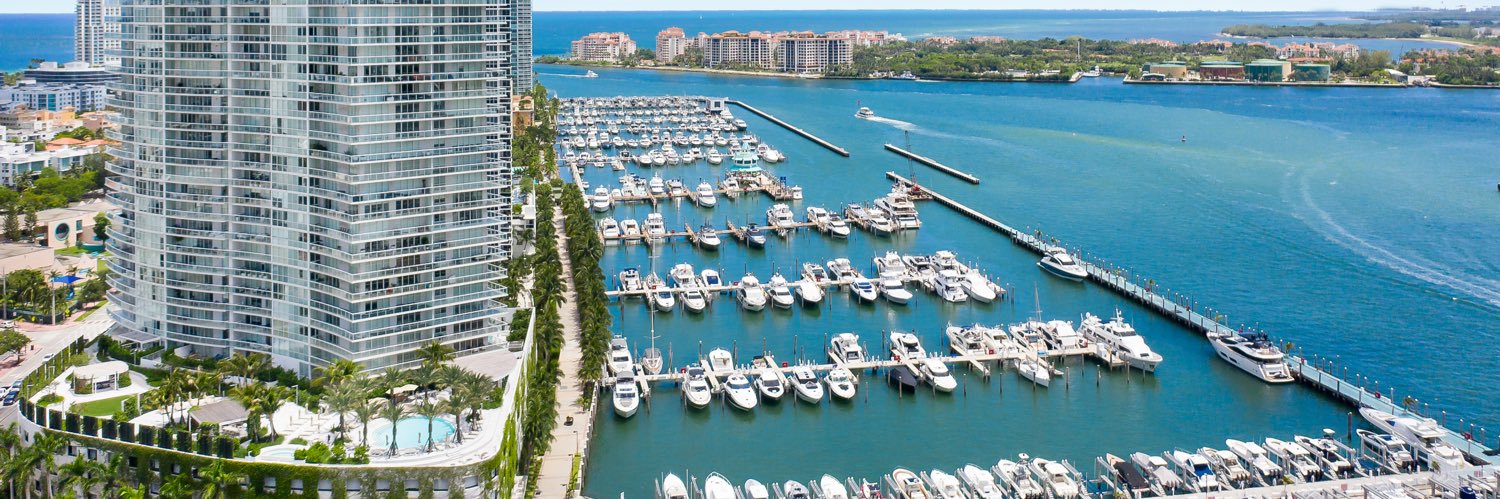
Sounds like you got it a good discount. My larger concern would be surrounding the question of what will demand look like when you’re ready to go to market. Demand today may look completely different 6-12+ months out. I suggest looking into housing market forecast data for Miami Dade County.
This mirrors a lot of what I experienced in Miami’s tech space. Around that same time, I was building a fintech/proptech product here in Miami, and I also found the ecosystem disappointing. Too often, I felt like an outsider in my own city.
Ironically, I received more genuine support and interest from tech communities in Atlanta and Charlotte than I did in Miami.
Husband and I tried Miami for 1 year after living in SF and NYC tech scenes.
Very top heavy - mostly successful founders and VCs who go to live in their nice houses and aren’t out there being part of the community
Tons of larping founders - I got invited to some “female founder dinners” and every single woman showed up dressed for a kardashian wedding and had obviously spent all their time in the salon, not building a startup
The grifting is real - we won Miami Hack Week in 2023. The $10k prize money did not exist and it took 6 months to even get a hold of the organizer. He never paid. When the next Miami hack week came around, I tried telling 3 people in the community. Organizer told them I was a liar and that I had been paid. This bullshit would never happen in SF or NYC.
Miami hack week seems to have a new organizer now so I’m hopeful it’s being better managed.
Sorry to hear this happened to you. I live in Miami and was building a fintech/proptech product around that same time. I agree that the Miami tech scene can be disappointing. I often felt like an outsider in my own city. Ironically, I got more support and genuine interest from tech ecosystems in Atlanta and Charlotte than I did here in Miami.
Agreed. The best outcome is not freezing Brush Park in time, but honoring its historic architectural character and scale in a way that meaningfully integrates with new construction.
New development should add density and housing, but it should also respect the neighborhood’s design DNA—materials, massing, streetscape, rooflines, rhythm, and public space. That is how you create something that feels like an authentic extension of Brush Park rather than a generic infill project dropped into it.
The vacant land where the former Brewster Apartments once stood would be a perfect place to do it.
That site is large enough to create a real courtyard district at scale—mixed-income housing, walkable blocks, activated green space, and a development pattern that fits @CityofDetroit.
The vacant land where the former Brewster Apartments once stood would be a perfect place to do it.
That site is large enough to create a real courtyard district at scale—mixed-income housing, walkable blocks, activated green space, and a development pattern that fits @CityofDetroit.
The vacant land where the former Brewster Apartments once stood would be a perfect place to do it.
That site is large enough to create a real courtyard district at scale—mixed-income housing, walkable blocks, activated green space, and a development pattern that fits @CityofDetroit.