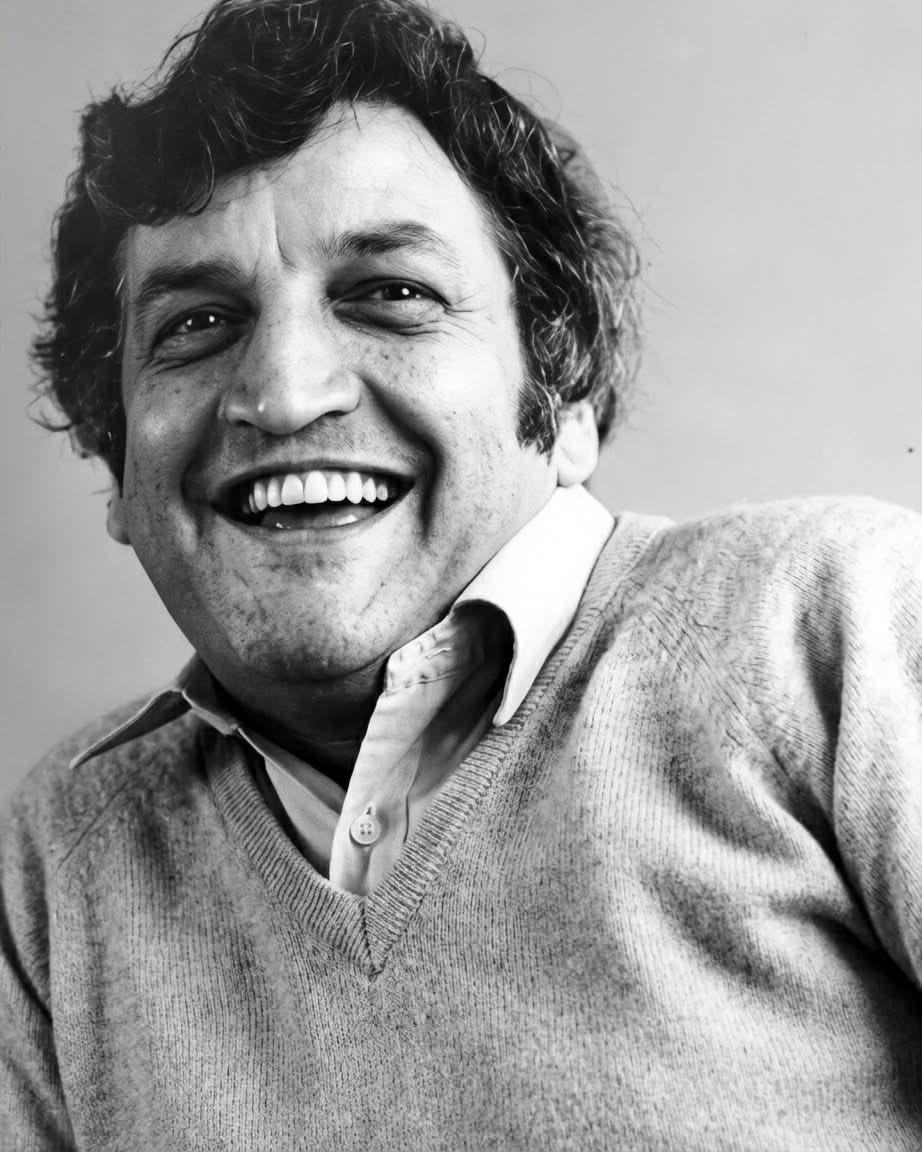
المذيع السوداني ايوب صادق
عمل في اذاعة السودان فترة طويلة
ثم تعرض للظلم وزعل منهم
وراح اذاعة لندن الشهيرة
وفي اول بث على الهواء
بدلاً من ان يقول هنا اذاعة لندن قال هنا أذاعة ام درمان !
انتبه للخطأ
صمت قليلاً
ثم ارتجل بيت شعر للشريف قتادة بن ادريس احد امراء مكة في القرن السادس
بصوته الرخيم ولغته العربية الصافية :
" بلادي وإن جارت علي عزيزةً
وأهلي وإنّ ضنوا عليّ كرام "
.
.
يقول غازي القصيبي رحمه الله عن قسوة الدولة بعض الأحيان على مواطنيها
"هكذا الأم التي ضربت
برغم الحب بعض صغارها"
نشكر المولى عز وجل أن شرّفنا بخدمة الحرمين الشريفين، ورعاية حجاج بيته الحرام، سائلين الله أن يتقبل من الحجاج حجهم ونسكهم وطاعاتهم.
ومع حلول عيد الأضحى المبارك، نهنئ شعبنا في هذا الوطن المبارك وأمتنا الإسلامية بهذه المناسبة، وندعوه سبحانه أن يجعله عيد خير وسلام واستقرار على أمتنا والعالم أجمع.
وكل عام وأنتم بخير.
“The plane went silent.”
That’s what passengers aboard British Airways Flight 9 remembered most.
Not screaming.
Not alarms.
Silence.
On June 24, 1982, the Boeing 747 was flying over Java at 37,000 feet with 247 passengers onboard when Senior Engineer Barry Townley-Freeman noticed engine temperatures rising dangerously fast.
Then passengers started calling flight attendants:
“There’s something glowing outside the window.”
Blue light flickered through the engines.
White sparks danced across the wings.
It looked beautiful.
In the cockpit, Captain Eric Moody watched Engine 4 fail.
Then Engine 2.
Then 1.
Then 3.
Within minutes, all four engines were dead.
A fully loaded 747 became a powerless glider descending toward the Indian Ocean.
No thrust.
Barely any radio communication.
No idea what caused it.
Passengers woke from sleep to something deeply unnatural:
The absence of engine noise.
At 37,000 feet, a jetliner should roar.
Instead, there was only wind.
Captain Moody got on the intercom and delivered one of aviation history’s most famous announcements:
“Ladies and gentlemen, this is your captain speaking. We have a small problem. All four engines have stopped. We are doing our damnedest to get them under control.”
Some passengers thought it was a joke.
The flight attendants’ faces said otherwise.
What nobody onboard knew was that the plane had flown directly through a volcanic ash cloud from Mount Galunggung.
The ash was made of microscopic glass particles.
Inside the engines, the particles melted at extreme temperatures and coated the turbines like cement, suffocating all four engines one by one.
At 15,000 feet, oxygen masks deployed.
At 12,000 feet, the crew prepared for a night ditching into the ocean.
Captain Moody knew the odds of surviving a water landing in a 747 were almost nonexistent.
Then he tried restarting the engines one final time.
Engine 4 sputtered.
Caught.
Then another.
Then another.
All four engines roared back to life.
But the nightmare still wasn’t over.
The volcanic ash had sandblasted the cockpit windshield so badly the pilots could barely see through it.
Captain Moody had to land a damaged 747 at night using only a tiny clear section of the side window while his first officer called out altitude and distance manually.
Against every odd, the aircraft landed safely in Jakarta.
Every single person onboard survived.
After the incident, volcanic ash became a globally monitored aviation hazard.
And Captain Eric Moody’s calm announcement became legendary — still taught today as a masterclass in crisis leadership:
Tell the truth.
Stay calm.
Give people dignity.
Even when you’re falling out of the sky.
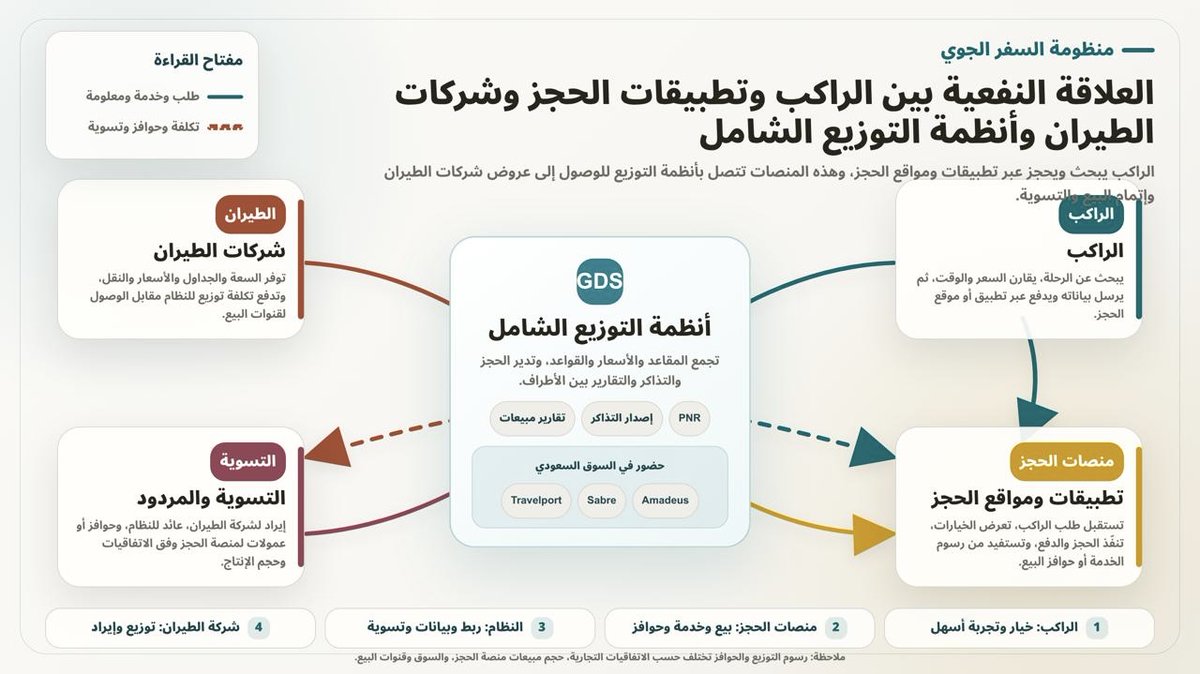
@iHA0924 المقعد سلعة تتلف فور إقلاع الطائرة إذا لم يتم إشغاله.
في المواسم قاعدة العرض والطلب، والرحلات الداخلية بالمملكة موسمها شبه مستمر.
أما ما قبل الرحلة بساعات، فيحلل النظام الطلب، فإذا كان قويًا رفع السعر وإذا كان خفيفًا بقي السعر التشجيعي.