Pharmacology-affecting genetic differences between Andeans and Amazonians are larger than those seen between Europeans and East-Asians, highlighting a diversity gap in genetics research.
Read more in @CellCellPress
https://t.co/b1OHBYK57B
@tarazona_santos
A new chapter of the Peruvian Genome Project is out!
We explored the genetic composition and dynamics of individuals living in urban areas. We analyze genome-wide data from 432 urban individuals across 13 regions of Peru, including 346 newly genotyped! (1/6)
Very happy to share our recent preprint, which presents an extensive analysis of genetic diversity and subcontinental ancestry in the All of Us Research Program.
https://t.co/kkJ9C1KV2t
Although autism shows a striking sex bias—4males:1female—most studies still avoid looking at the sex chromosomes.
In our new paper in @AJHGNews, we conducted the first X-chromosome-wide association study (XWAS) for ASD!
https://t.co/VrqyLASeCr
Let’s dig in👇
What does it mean to be Latin American? I don't know. The term spans so many cultures and identities that defining a single concept feels impossible. Today, our article on one aspect of Latin American diversity (genetics) was published in Cell Genomics. https://t.co/74SXY6dArx
We all recognize the importance of increasing diversity in genetic studies. But what’s the new insight from our latest paper in @CellCellPress (https://t.co/9tEobO0joG)? Let’s dive into it with this quick thread I did with the help of my friends @ThiagoPeixotoL@victor_snail
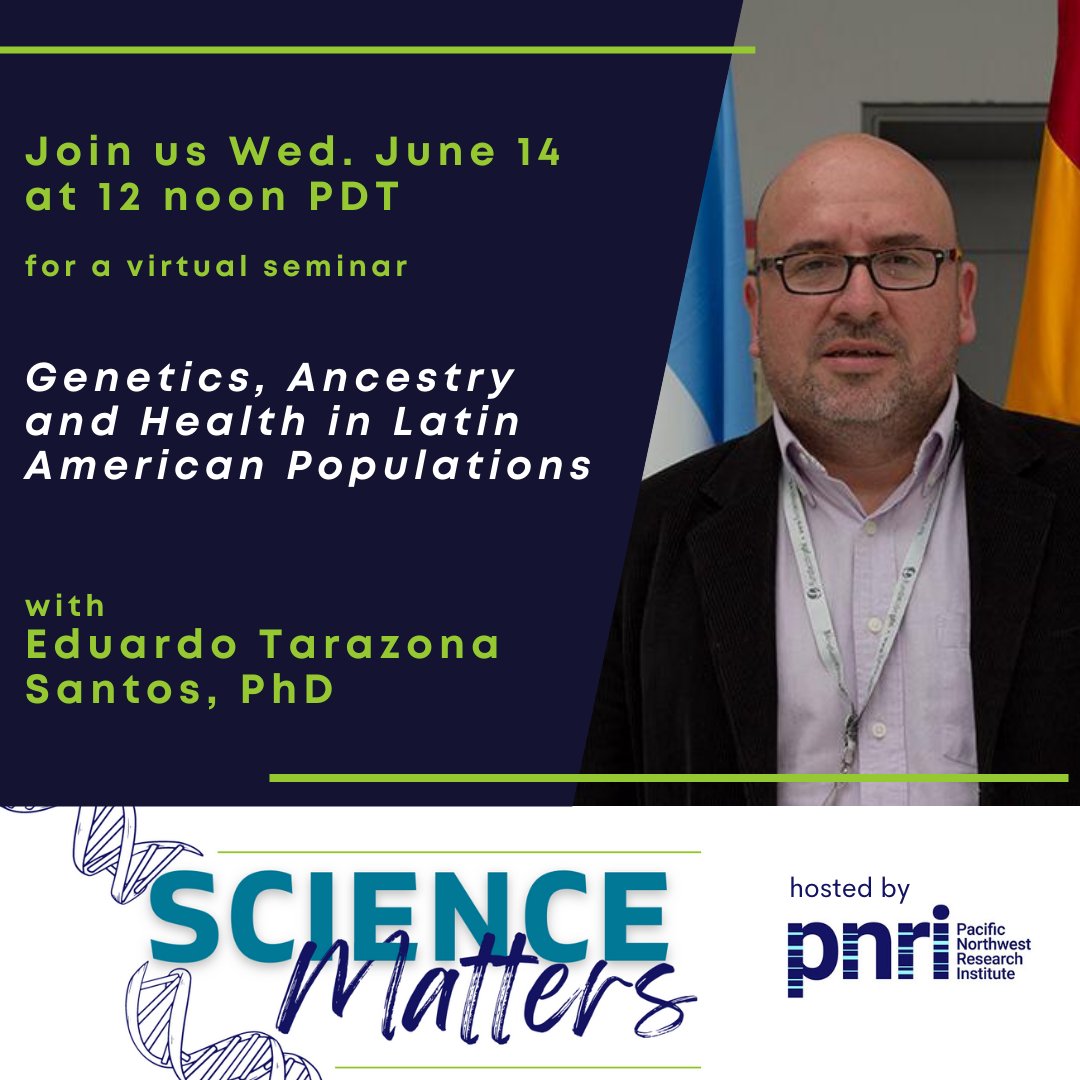
Don’t miss our June 14 #ScienceMatters seminar! Dr. Eduardo Tarazona Santos @tarazona_santos of @ufmg will discuss how ancestry of Latin American Indigenous and admixed populations influence health and disease. Register today at: https://t.co/KuEB0rPPc7
#Genomics#Genetics
PREPRINT ALERT!
We (the @OcOutlier group and collaborators) are GLAD to share our new preprint on the Genetics of Latin American Diversity (the GLAD Project) available on @biorxivpreprint https://t.co/79Ek6Pbcy3
Our new work using admixture mapping identified a genetic variant of African origin associated with BMI only in women, demonstrating how admixed populations are a source of new relevant phenotype-associated genetic variants. #LDGH@tarazona_santos
http:https://t.co/sNrm1R2Hzq
This is the final result of several years of hard work with @MarlaMendesA , @ialvim, Carolina Silva, and @tarazona_santos. In this article we describe how geography and cultural interactions have affected the genetic make-up of Present-day Native Americans https://t.co/bSF4DuUPdx
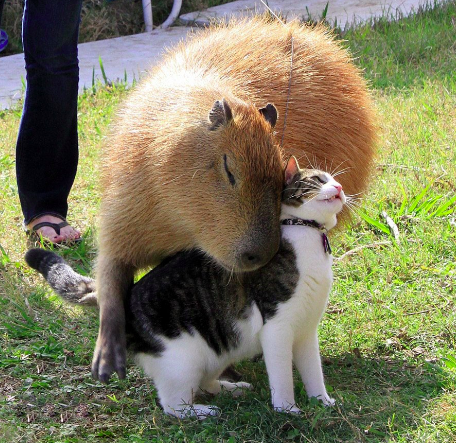
@flossiebella Capybaras are the largest rodents in the world, they can reach over 100 kg, 1.30 cm in length and 60 cm in height.
They live in semi-aquatic environments, stay in the water most of the day and have webbed feet that allow them to move quickly in the water.
We are very pleased to announce that our updated version of ABraOM with 1,171 whole-genomes is now online at https://t.co/4Ac63p4jFd
Please, read our preprint on BioRXiv: https://t.co/OHGc8mN2A6