Interested in using multi-omics imputation or TWAS/PWAS approaches? Frustrated by the models being spread across multiple resources? Enter OmicsPred: a centralised resource for genetic prediction of multi-omic traits!
🔗 : https://t.co/5mM0VcVqkx
📃 : https://t.co/tbV1OHK68I
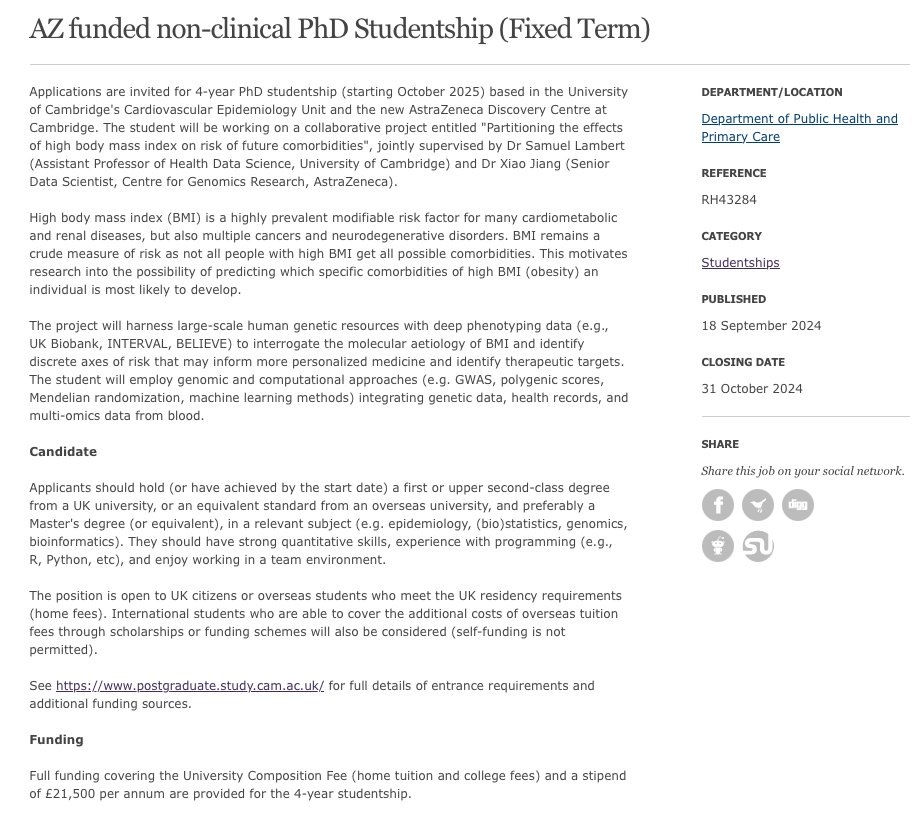
🚨 Funded PhD Opportunity (Oct 2026 start)
10 funded 4-year PhD studentships are available through @TheBHF doctoral training programme focused on preventing cardiovascular disease through innovative, data-driven approaches
For more info & how to apply: https://t.co/zGFoM1UXEN
It's very hard to prevent vasovagal reactions, such as fainting, as evidenced from this study of nearly 1.4 million blood donors
https://t.co/WCluj5OJ4x
We hope it's easy to use with tutorials for UKB (https://t.co/ZakblQygD6) & All of Us (https://t.co/FVW0QK6OlR )! But feel free to contact us on Github: https://t.co/QZJi9rnl3k!
With that, happy holidays from the PGS Catalog team! 🎁 🎄
The new alpha only implements PGS scoring at the moment, but the roadmap will reimplement our existing genetic ancestry tools! Lot's of under-the-hood optimisation using python (zarr, dash), and it only takes VCF or BGEN input atm. https://t.co/sDtiTYBPbq
Wish it was easier to calculate PGS in trusted research environments (TRE) like DNAnexus or the All of Us workbench? Us to! We've been hard at work on a new version of pgsc_calc to make it more scalable in those TREs! Introducing pgsc_calc v3.0.0-alpha.1: https://t.co/4nQaIaeAT9
New paper in @ESC_Journals@sritchie73 & colleagues found integrating genetic & metabolic blood tests with existing clinical data could enhance how doctors identify people at high risk of heart disease, leading to earlier prevention strategies
Read more: https://t.co/DhAqZJgZrT
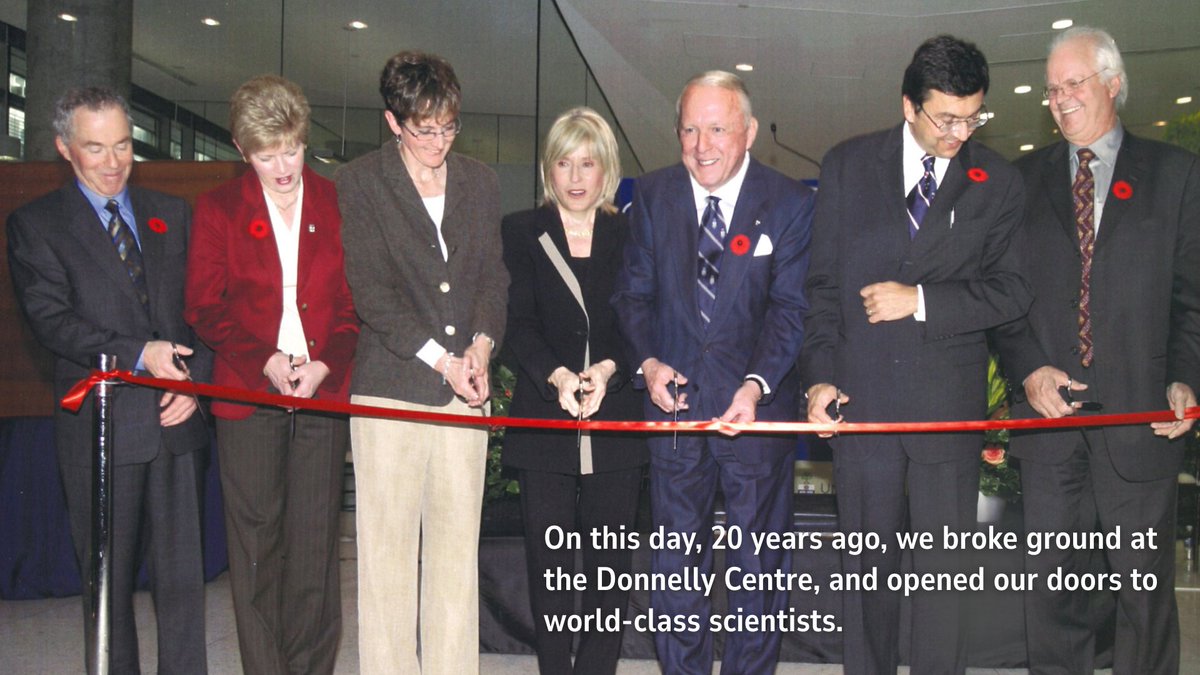
Today, we're celebrating a two-decade milestone: on November 5th, 2005, we broke ground at the Donnelly Centre!
Thank you to everyone who has made Donnelly the building it is today!
🚨 Exciting new PhD Opportunity 🚨
Applications are open for 3-year non-clinical PhD studentships with the BHF Cambridge Centre of Research Excellence
📅 Apply by 23 Nov 2025
🌍 Open to UK & international applicants
Find out how to apply here: https://t.co/VcH6guSXrr
"This study demonstrates that PRS, when incorporated into existing risk prediction frameworks, are unlikely to meaningfully exacerbate disparities in CVD risk stratification."
https://t.co/78fKHIsDjj
Algorithmic fairness metrics are increasingly used in AI/ML to assess model bias. A clever PhD student (@claireicoffey) suggested applying these methods to clinical risk prediction or polygenic risk scores. See our new preprint for the whole story : https://t.co/nIbKrtJQko
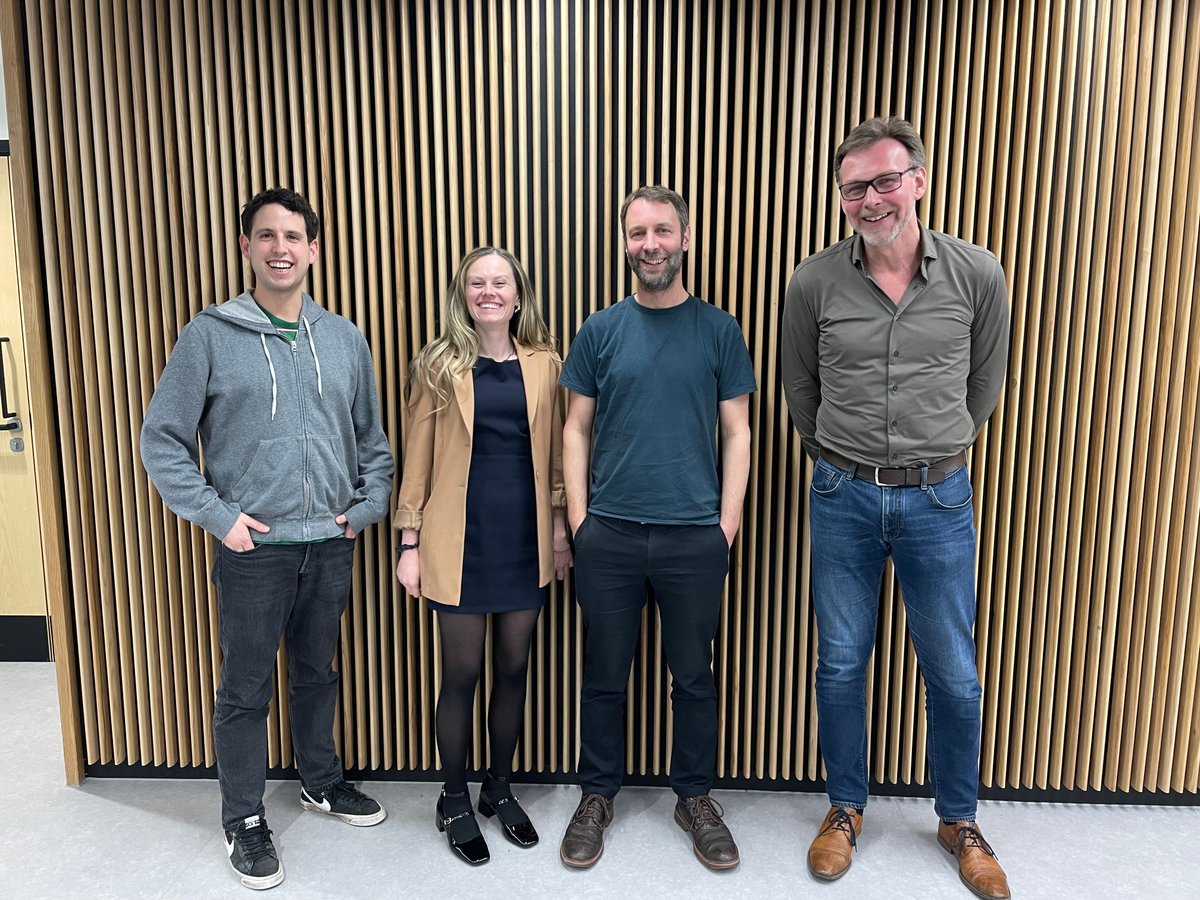
Congratulations @claireicoffey on passing your PhD viva (it's not everyday your first PhD student graduates)! It's been a pleasure to supervise your work applying algorithmic fairness techniques to risk prediction models and polygenic scores with Angela Wood & Mike Inouye.
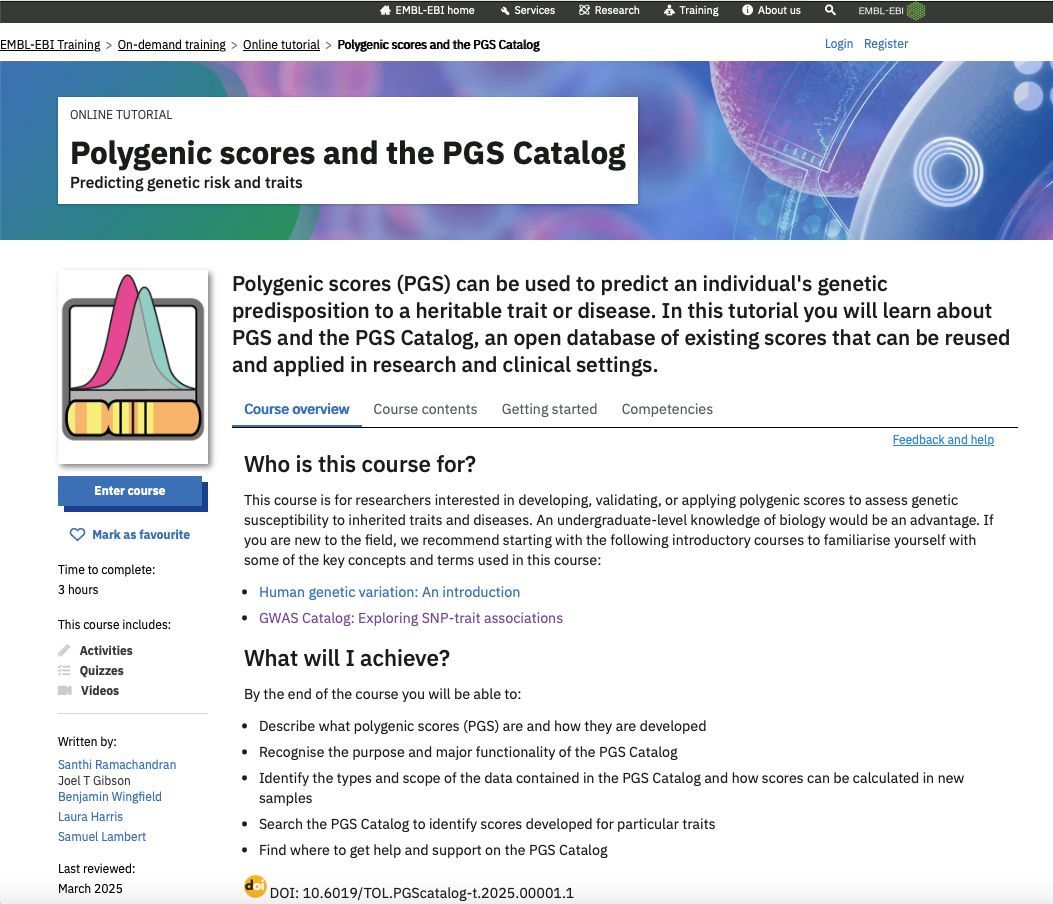
📣 Thrilled to announce our collaborative tutorial with @EBItraining! Dive into the world of polygenic scores and explore the PGS Catalog resources (including pgsc_calc) - ideal for those seeking a comprehensive yet quick overview. Access it online at https://t.co/XbIODriufb!
From @sangerinstitute and the CEU!
Translating genetic changes into future health impact
New resource helps bridge the gap between identifying genetic changes linked to health conditions & understanding how these changes impact biological processes
🔗https://t.co/6HP1N0lA8R
New PhD studentship opportunities!
The Cambridge BHF CRE will be funding non-clinical 3-year PhD studentships, with a hope to recruit people interested in interdisciplinary projects
👉For more information & how to apply please visit https://t.co/O2gSiWzTtR
📅Apply by 16 Jan!