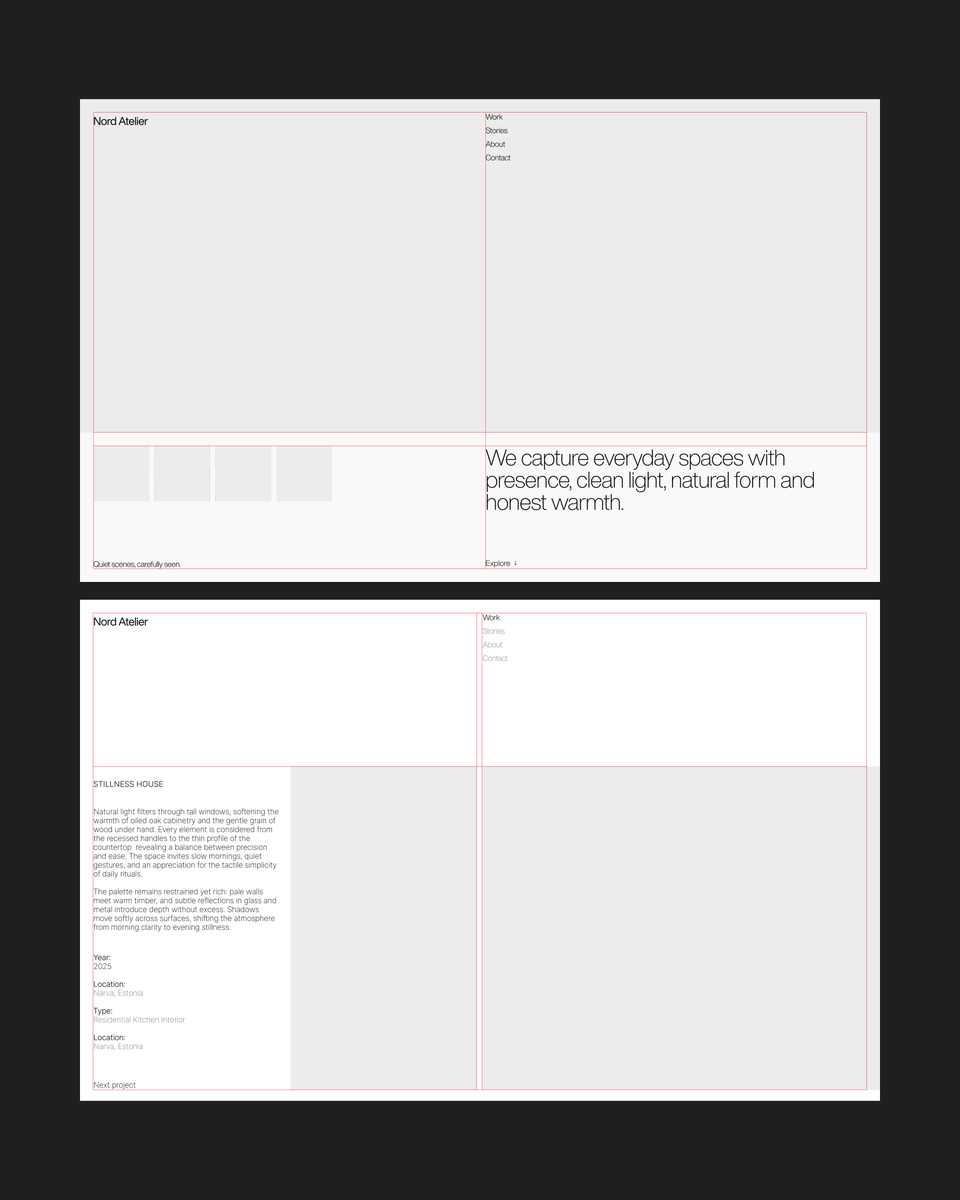
Studio Noteform’s pitch deck template brings editorial structure to high-stakes presenting: 33 modular slides that move between strategy and storytelling without defaulting to corporate gradient hell.
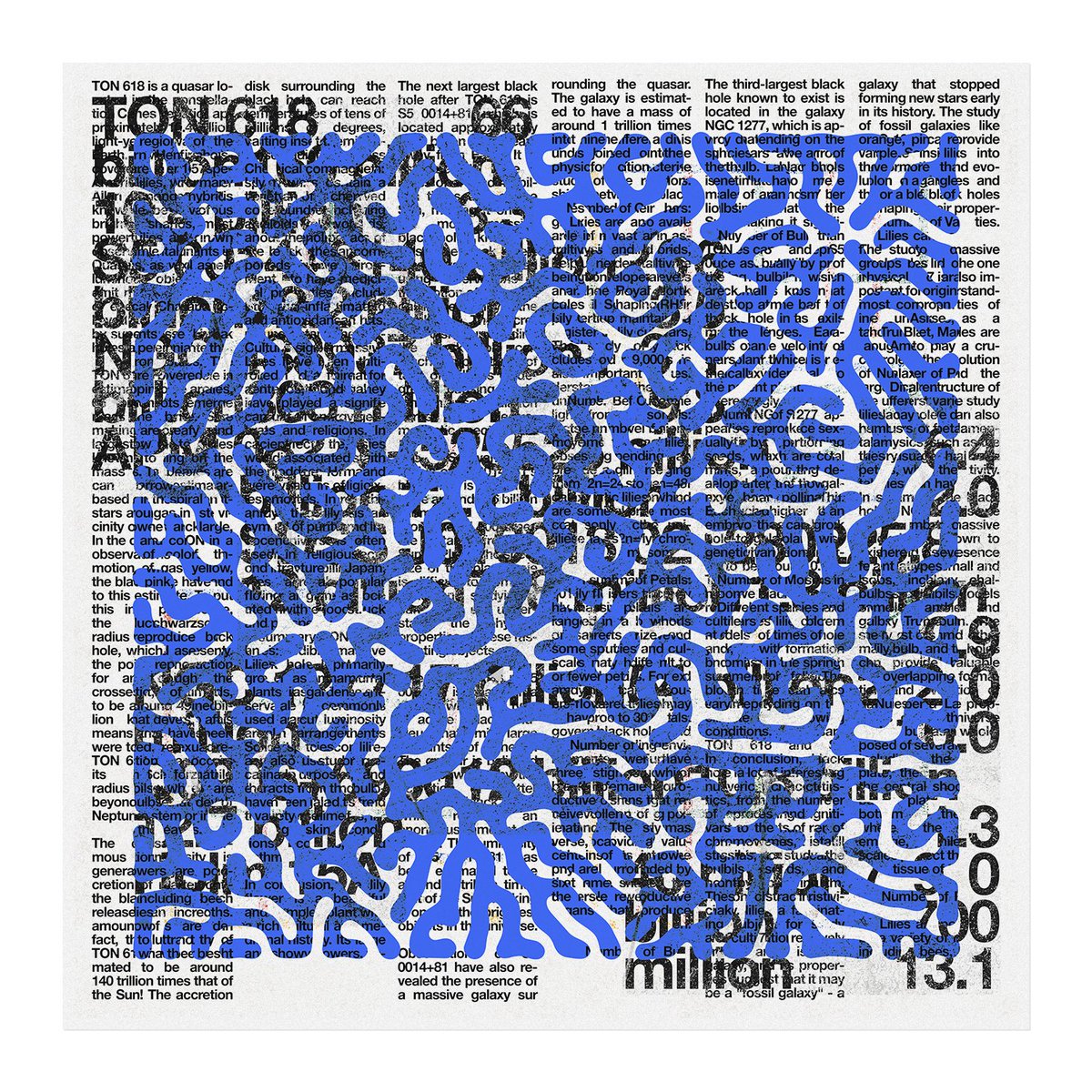
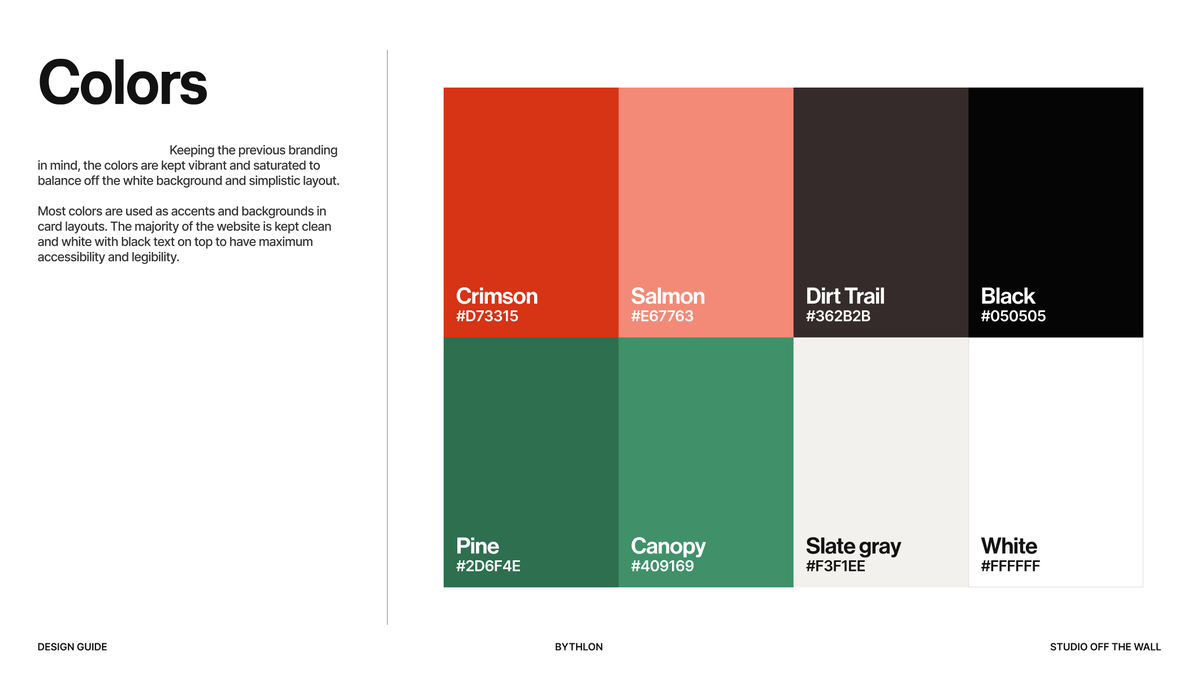
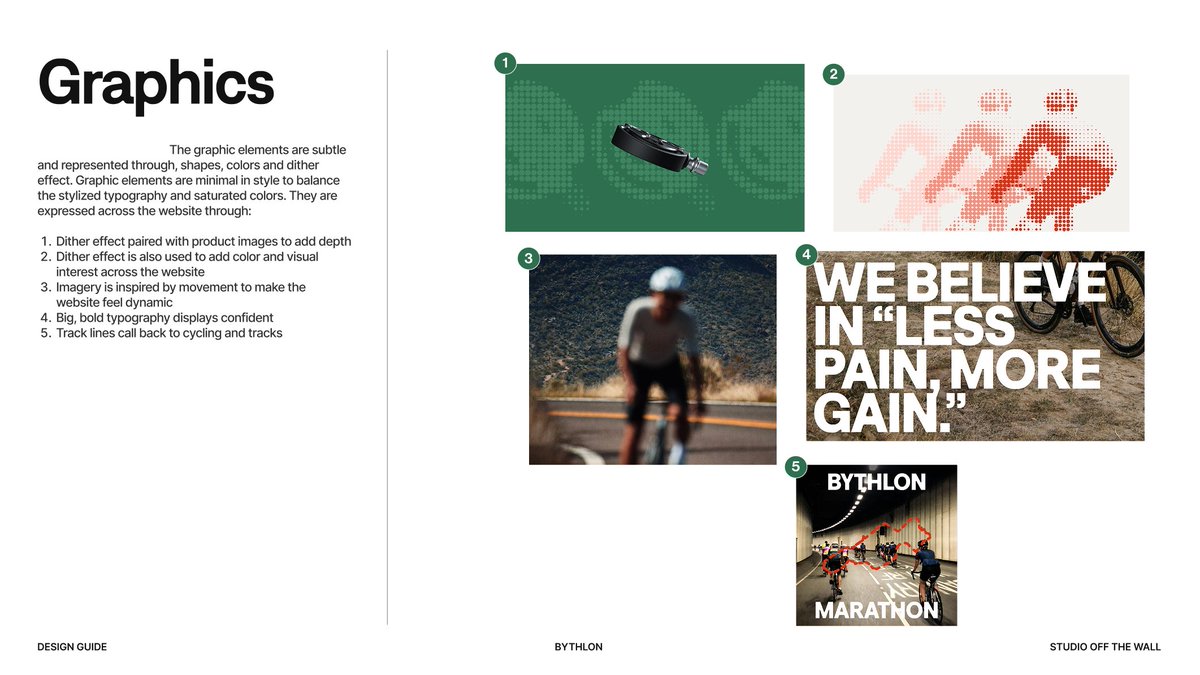
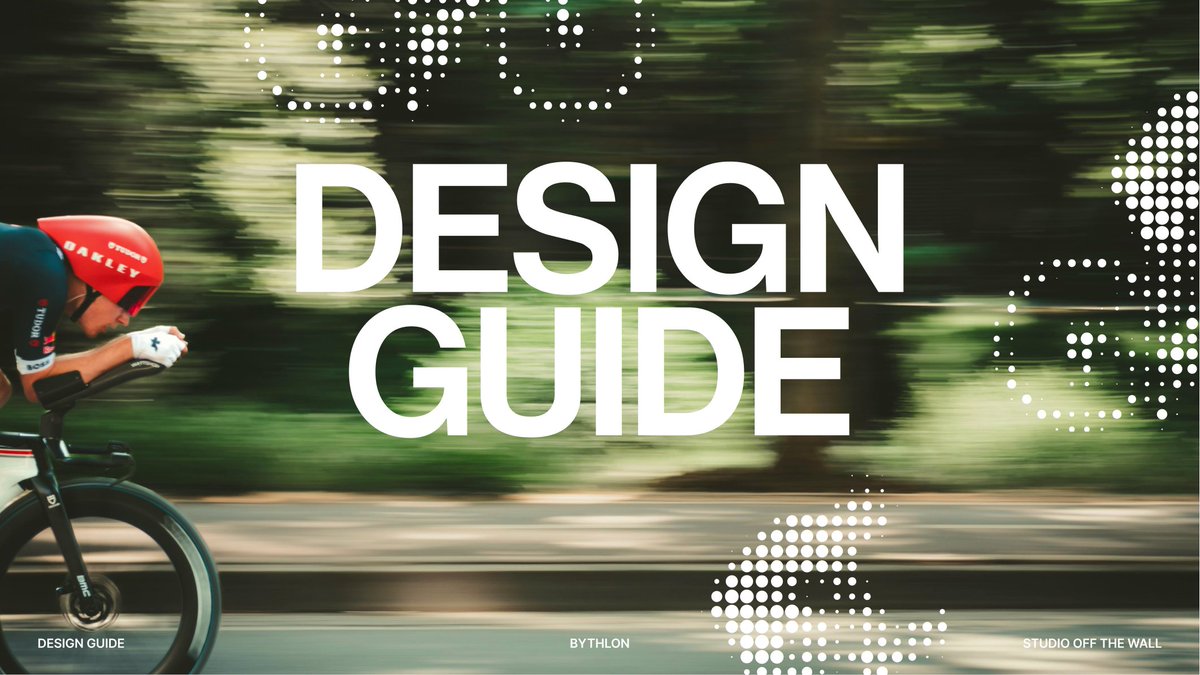
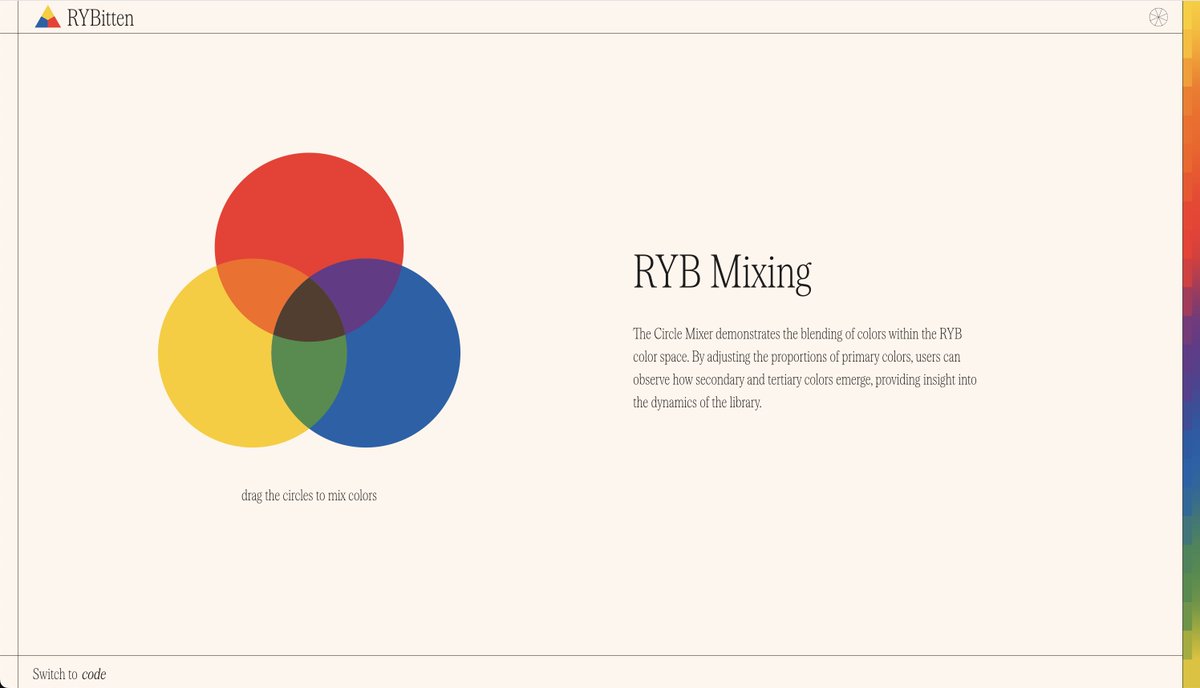
You already know Vasilis Marmatakis and his posters but let me point attention to his website and the insane flex on not showing projects but google searchers for his own work. Amazing.
[Link↓]
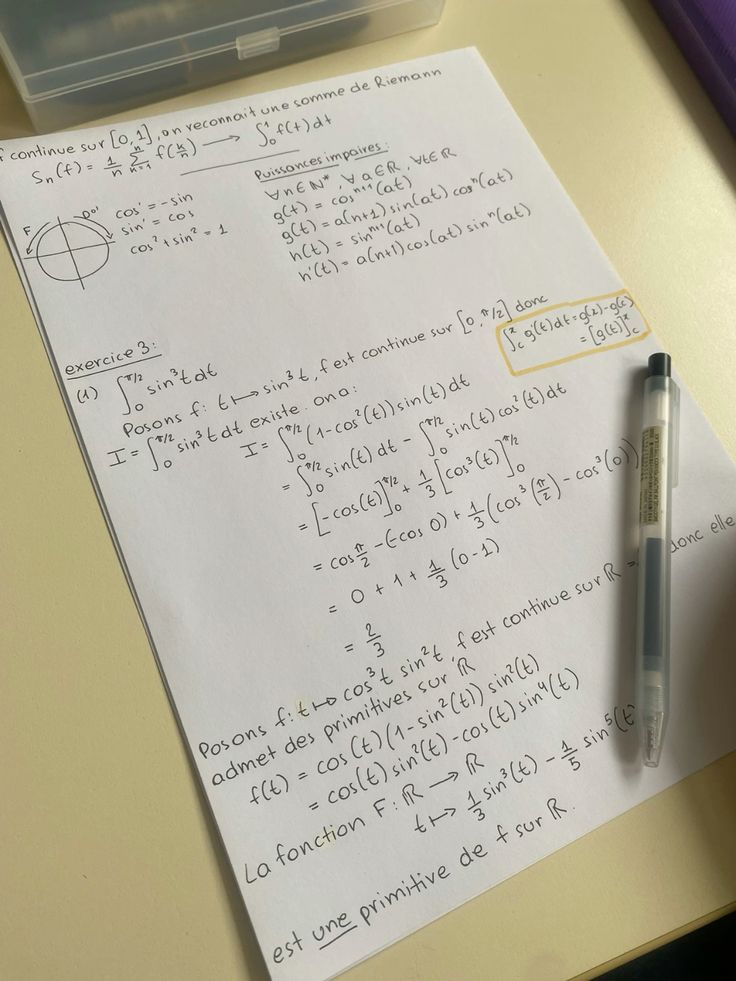
how to study and learn really difficult subjects:
1. don’t panic. hard just means dense. it’s not impossible, it’s just packed. unwrap it slowly.
2. get a map before diving in. watch an overview video, read the table of contents, or skim the wikipedia page. you need context first.
3. use multiple sources. one book will confuse you, two will clarify, three will enlighten.
4. build intuition, not memory. visualize it. simulate it. code it. teach it to a friend or a wall.
5. tolerate confusion. you’ll feel dumb 90% of the time; that’s the price of learning something that rewires your brain.
6. connect it to reality. every abstract thing has a real-world analog. find it. relate it. ground it.
7. revisit the same topic after a week. mastery is not about reading once; it’s about returning after your brain has “chewed” on it.
8. don’t romanticize genius. smart people aren’t born knowing it. they just survived longer in the confusion phase.
the truth is; learning hard stuff isn’t about intelligence.
it’s about endurance, humility, and curiosity.
you stay long enough in the fog until it clears.
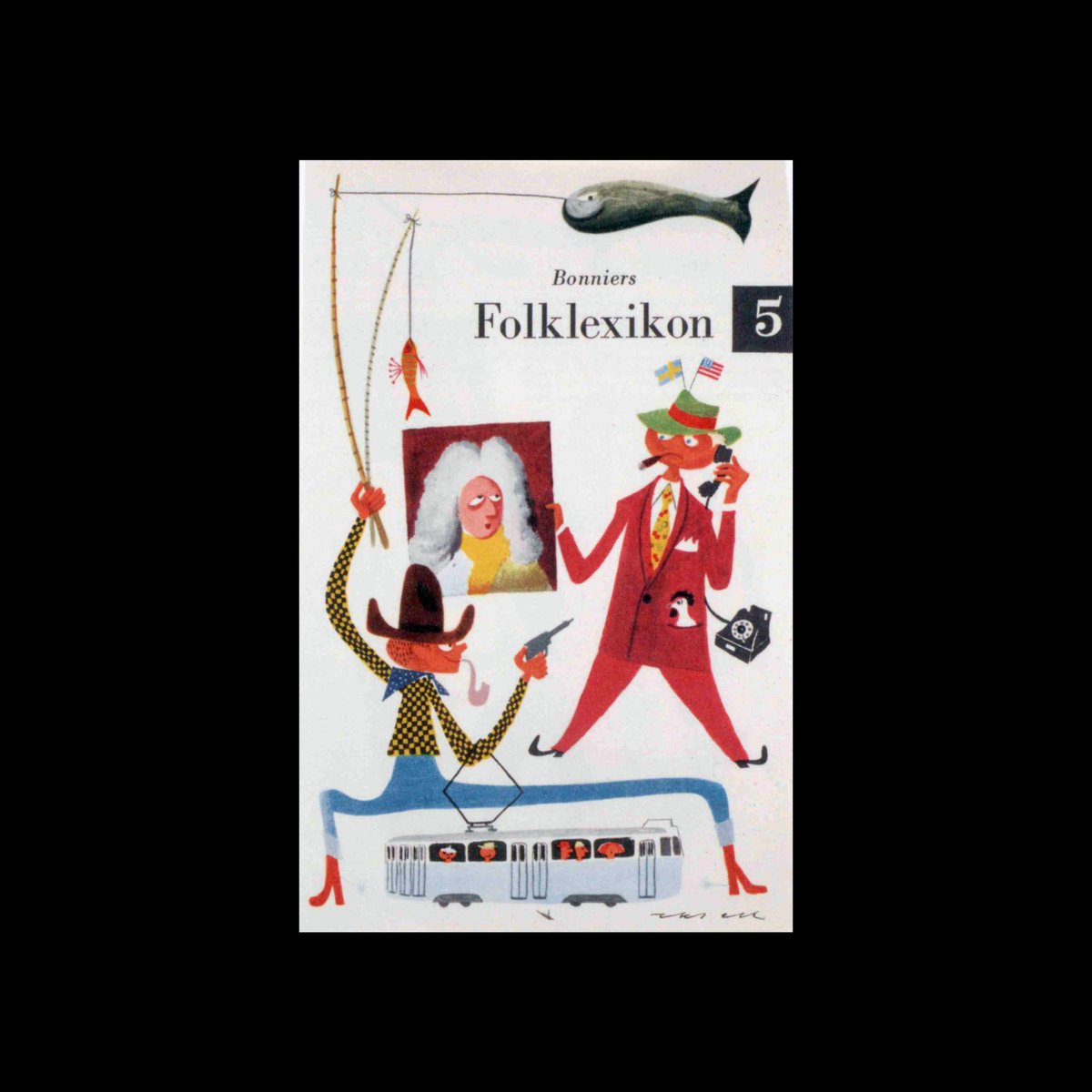
Olle Eksell is well known for his advertising illustration, book jackets and playful packaging design. He first studied engineering and later decided to become a graphic artist. https://t.co/C1IUV7AQJe #olleeksell#swedishdesign#illustration#graphicdesign
Client: “I saw your projects.”
Me: “Oh? What did you think?”
Client: “Exactly what I want. Send me the contract.”
Me: “That’ll be $2500.”
Client: “Done.”
No negotiations. No hesitation.
Just trust in the work.




![thisisgrey's tweet photo. You already know Vasilis Marmatakis and his posters but let me point attention to his website and the insane flex on not showing projects but google searchers for his own work. Amazing.
[Link↓] https://t.co/LMMUcVYZx6](https://pbs.twimg.com/media/G5EfdPabkAEP9H8.jpg)
![thisisgrey's tweet photo. You already know Vasilis Marmatakis and his posters but let me point attention to his website and the insane flex on not showing projects but google searchers for his own work. Amazing.
[Link↓] https://t.co/LMMUcVYZx6](https://pbs.twimg.com/media/G5Efc8vbIAAFYBR.jpg)
![thisisgrey's tweet photo. You already know Vasilis Marmatakis and his posters but let me point attention to his website and the insane flex on not showing projects but google searchers for his own work. Amazing.
[Link↓] https://t.co/LMMUcVYZx6](https://pbs.twimg.com/media/G5EfcsxbIAIJUEY.jpg)








![thisisgrey's tweet photo. You already know Vasilis Marmatakis and his posters but let me point attention to his website and the insane flex on not showing projects but google searchers for his own work. Amazing.
[Link↓] https://t.co/LMMUcVYZx6](https://pbs.twimg.com/media/G5EfdacbIAIyu_T.jpg)