LinkedIn is their gathering place. Africa suffers from what I like to call “the cart before the horse syndrome.”
We are obsessed with the glamour of tech, pitch decks, accelerators, and panels—while ignoring the unsexy, foundational systems required for any business to actually scale.
Even if we produced 1,000 brilliant startups tomorrow, they would still choke on the same bottlenecks: fragmented logistics, unstable internet, high telecom costs, and clunky, outdated compliance and data privacy laws. Software cannot outcode broken physical and regulatory infrastructure.
Then come the economic traps: 54 fragmented markets, volatile currencies that wipe out margins, a "missing middle" in growth-stage funding, and almost zero local exit pathways. Founders are forced to spend venture capital just to survive basic macro-headwinds instead of innovating.
True ecosystem building isn’t hosting another summit in Nairobi or Lagos. It’s laying the rails—power, connectivity, policy, cross-border capital, and supply chains—so founders aren't forced to act as their own utility companies and central banks.
Fix the foundation, and the profits will follow.
Nyagatare, Rwaza, Nyanza 🇷🇼
Three courts opened in three days, and Giants of Africa now has a court in every province of Rwanda. Fill them with noise and ambition. #BuiltWithin
ATZ drew attention this summer when officials in El Salvador opened an investigation into the alleged recruitment of former military personnel and police officers for deployment to the DRC by Importaciones de Productos Americanos (IMPROA). The recruits claimed that they were hired as security guards before being sent to fight FRN.
IMPROA’s head, retired army Colonel Juan Emilio Velasco Alfaro—who has since fled El Salvador—reportedly told investigators that he had acted as an intermediary for ATZ.
The UN Group of Experts identified IMPROA in its June 2026 report as a middleman involved in recruiting at least 300 Salvadoran nationals for one-year contracts in the DRC, beginning in July 2025. The UN said that they had transitioned from logistics support in Kisangani to front line deployments in Walikale, Baraka, and Kalemie. 3/11
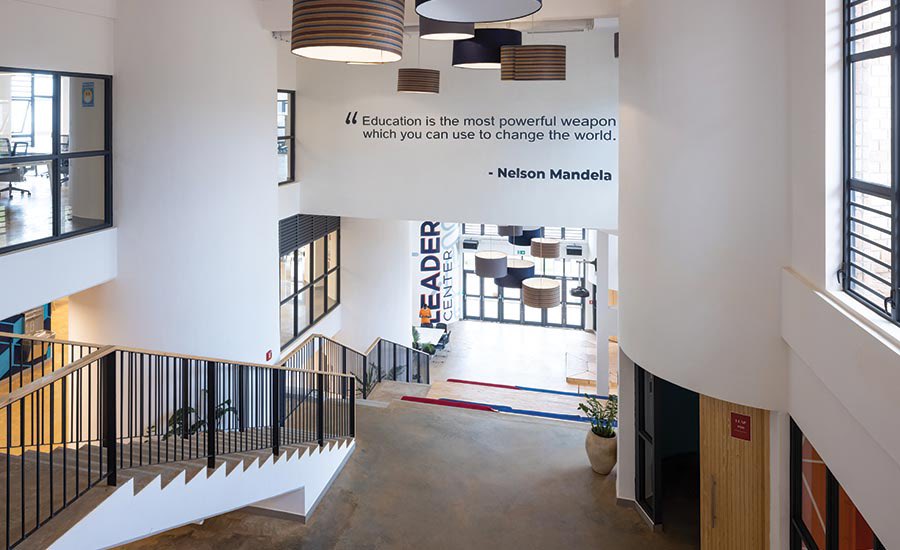
Rwanda keeps testing what much of Africa’s construction industry is yet to take seriously: the potential of local building materials.
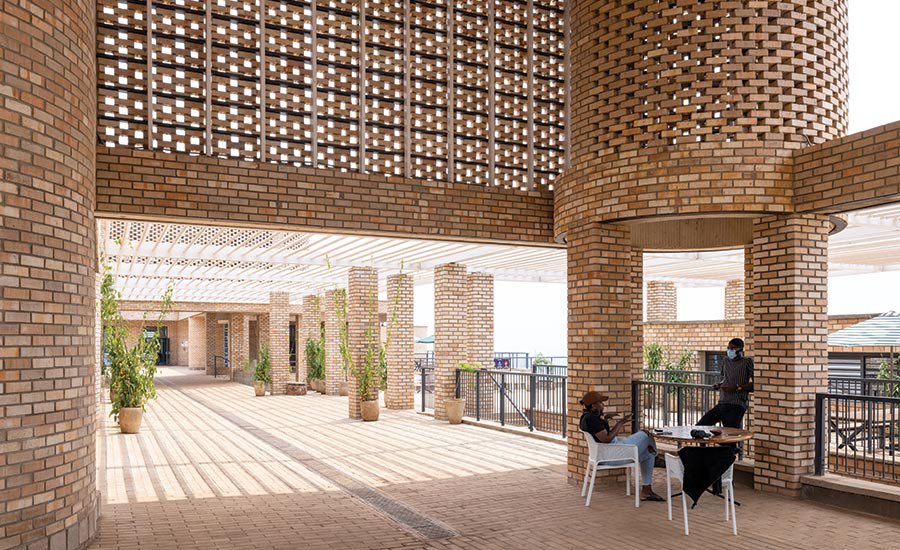
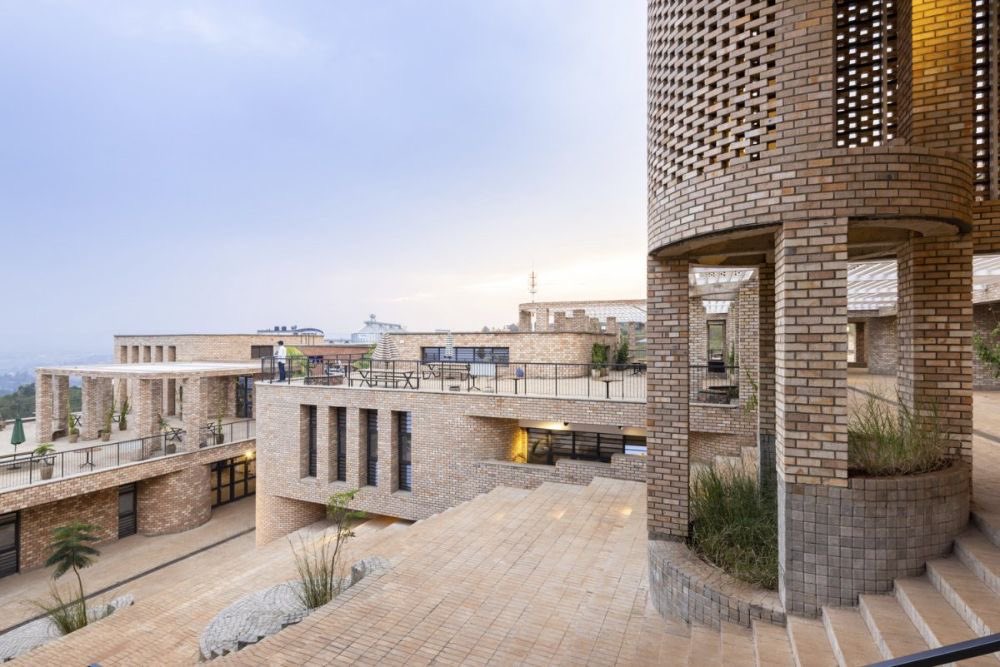
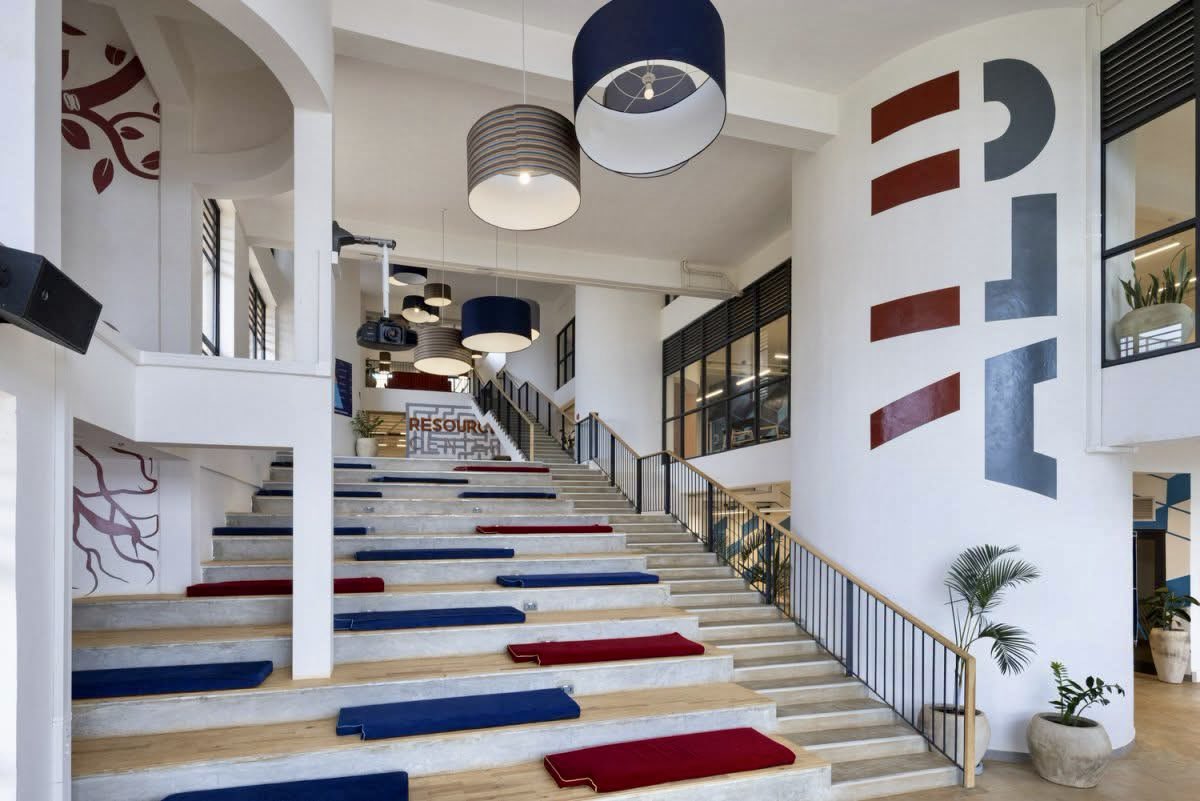
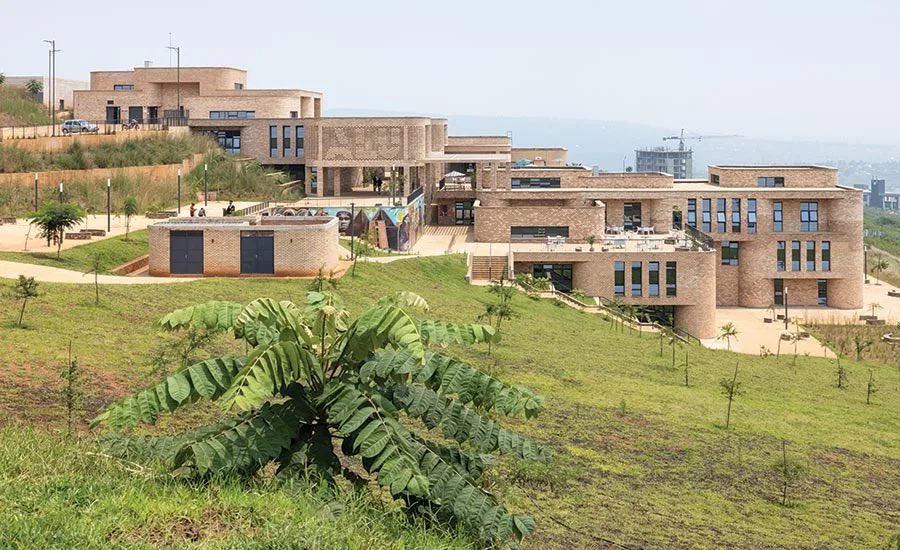
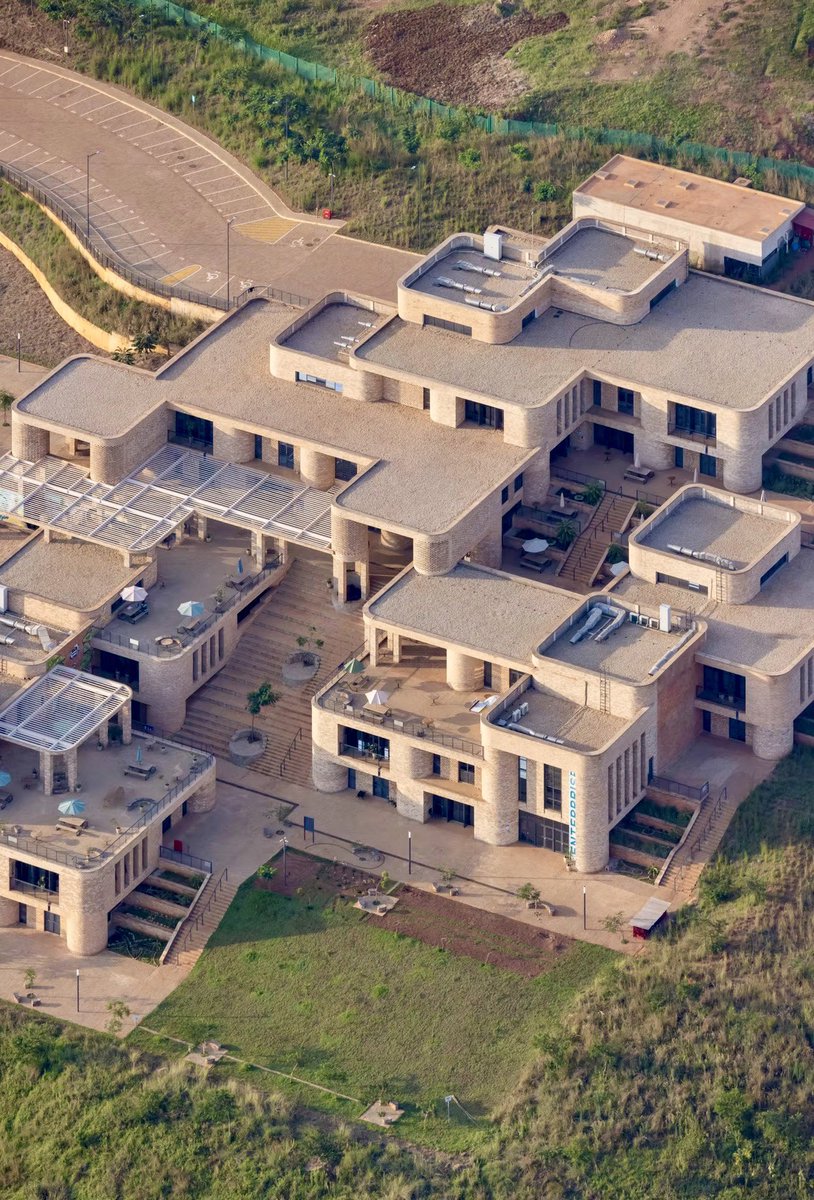
Look at the African Leadership University in Kigali, designed by MASS Design Group.
Its pale, cream-coloured bricks were made in Muhanga, Rwanda, and fired using coffee-husk-powered kilns. The building also incorporates compressed stabilised earth blocks manufactured on site.
But this goes beyond aesthetics.
Open-brick screens, shaded corridors and natural ventilation reduce dependence on mechanical cooling. Local sourcing supports manufacturers, creates jobs and keeps more construction spending within the local economy.
Even the furniture, lighting, benches and signage were locally fabricated.
Rwanda is showing that local materials do not have to mean outdated architecture. With investment, technical refinement and good design, they can deliver contemporary buildings that respond to local climates and support local industries.
Africa does not lack building materials. We lack sufficient investment in developing their full potential.
PROJECT CREDITS
Project: African Leadership University |Architects: MASS Design Group | Location: Kigali, Rwanda 🇷🇼 | Area: 6,500 m² | Year: 2021 | Photography: Iwan Baan
#Dossier
Sanctions, peace talks, an M23 that may be getting stronger, is international mediation bringing Rwanda & the DRC closer to peace or making it more complex?
@ibiriti puts it bluntly 'War is business.' Who profits, who gets 2 hold onto power? 👇
https://t.co/kQUZs5Z1Tz
Byagenze gute ngo mubahataniraga kujya mu nama Njyanama y'akarere ka @NyagatareDistr , Museminari Marcel Muyango Damas atere utwatsi ibyavuye mu matora muri ako karere?Ese kuki ubundi nta buryo bwashyizweho bwo kurindira ko hari utishimira ibyatangajwe.
Drones have given M23 rebels a regular army’s reach in eastern DR Congo. Capturing airports & airstrips gave them the infrastructure to launch larger military-grade UAVs, project power hundreds of KMs beyond the conflict zone & level the playing field between armed groups & the state.
https://t.co/xzEpbegcaz
The Presidency of the Assembly of States Parties to the Rome Statute, has regreted the decision of the Government of Tajikistan to withdrawal from the Rome Statute, the treaty establishing the International Criminal Court (“ICC”).
Dangote Group and Afreximbank have joined Sierra Leonean developer Gento Group in an agreement to advance plans for a deep-water port at Banana Island, a logistics hub at Kent and a railway linking the port to mining regions.- via Ayodeji Adegboyega .
https://t.co/TaIurEia0A
Thank you for your patience and support while we resolved the technical issue. Royal FM is now back to normal broadcasting and ready to keep you informed, entertained, and connected.
Stay tuned!
Royal FM ❤️
@CNN Fossil fuels' fate should be left to the market- the moment cleaner energy becomes much cheaper and widely available, the transition will be automatic.
Friday's attacks opened on several fronts. In the early morning, the coalition forces launched simultaneous heavy artillery attacks on Buhimba and Kinyumba in Masisi Territory, North Kivu.=-https://t.co/8FKKVtAV5a
Donald Trump has at least acknowledged publicly what many of us have argued for years: the dominance of the US dollar has been one of the most powerful instruments of economic domination and wealth extraction in modern history.
When the Bretton Woods monetary system was established in 1944, most African and Asian countries were still under colonial rule. They had no meaningful representation in the decisions that would determine their monetary future. The U.S, possessing enormous gold reserves and unprecedented industrial power, emerged as the principal beneficiary of this arrangement.
France subsequently consolidated its own monetary influence over its African colonies through the CFA franc, created in 1945 and inspired by the monetary control imposed on France during the Nazi German occupation. For 6 decades our countries been required to deposit substantial portions of our foreign exchange reserves with the French Treasury, reinforcing France’s financial influence long after colonial independence.
In 1971, Nixon ended the dollar’s convertibility into gold, yet the world remained dependent on American monetary power. The U.S borrows in a currency it creates, while developing countries borrow in currencies they cannot issue. When the U.S faces inflation and recession , the U.S Federal Reserve adjusts its interest rates, the dollar appreciates and difficult to access by poor nations and our debts become more expensive, our currencies depreciate sometimes by over 200% within months, and our ability to import essential goods diminishes. And this has been happening consistently since the 70s.
Can Americans even imagine, for a moment, what it means to see their currency lose half its value in a matter of months? To work just as hard, earn the same salary, and suddenly discover that their income can purchase barely half of what it could a few months ? To watch their purchasing power collapse without any corresponding decline in their productivity or contribution to the economy? This is the economic reality billions of people across the developing world endure regularly as a consequence of this rapacious monetary colonialism.
Countries possessing extraordinary mineral and agricultural wealth struggle to purchase medicines, fuel, and industrial equipment because they lack US dollars. Our natural resources enrich international markets, yet we remain dependent on foreign currencies to access the products of global prosperity.
As @JeffBooth argues in The Price of Tomorrow, technological progress should make production increasingly affordable, yet inflation continues to erode purchasing power and this is much worse for the citizens of countries that are forced to pay U.S debts through the dollar colonialism.
Trump understands that losing the dollar’s supremacy would mean surrendering extraordinary economic privileges. But history has never granted any empire permanent dominion. The monetary order established by yesterday’s powers cannot remain humanity’s eternal destiny.
The prosperity of powerful nations should never depend on the financial subordination of billions of people whose labor and resources sustain the global economy.