إن المكارم أخلاق مطهرةٌ, الدين أولها و العقل ثانيها و العلم ثالثها و الحلم رابعا و الجود خامسها و الفضل سادسها و البر سابعها و الشكر ثامنها و الصبر تاسعها و اللين باقيها
#صباح_الخير
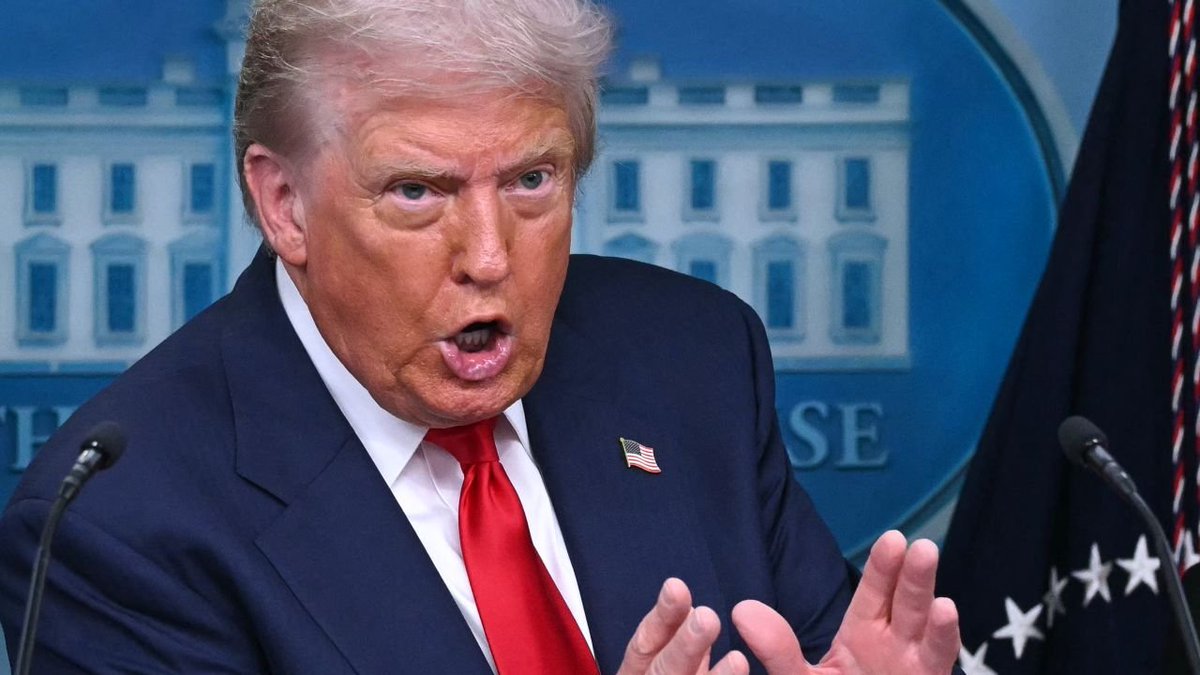
𝗧𝗥𝗨𝗠𝗣 𝗚𝗥𝗘𝗘𝗡𝗟𝗜𝗚𝗛𝗧𝗦 𝗜𝗥𝗔𝗡 𝗦𝗧𝗥𝗜𝗞𝗘𝗦 𝗔𝗙𝗧𝗘𝗥 𝗡𝗘𝗧𝗔𝗡𝗬𝗔𝗛𝗨 𝗔𝗡𝗗 𝗠𝗕𝗦 𝗣𝗨𝗦𝗛
Channel 12, citing a report by The Washington Post, says U.S. President Donald Trump approved strikes on Iran following weeks of sustained pressure from Israeli Prime Minister Benjamin Netanyahu and Saudi Crown Prince Mohammed bin Salman.
Despite Riyadh’s public calls for diplomacy and restraint, the report claims Mohammed bin Salman held multiple direct phone conversations with Trump in recent weeks, urging him to authorize military action.
If accurate, the revelation underscores a widening gap between public diplomacy and private coordination, and signals a deeper level of regional alignment behind Washington’s decision to escalate against Iran.
ALL ROOM FOR MANEUVER HAS VANISHED
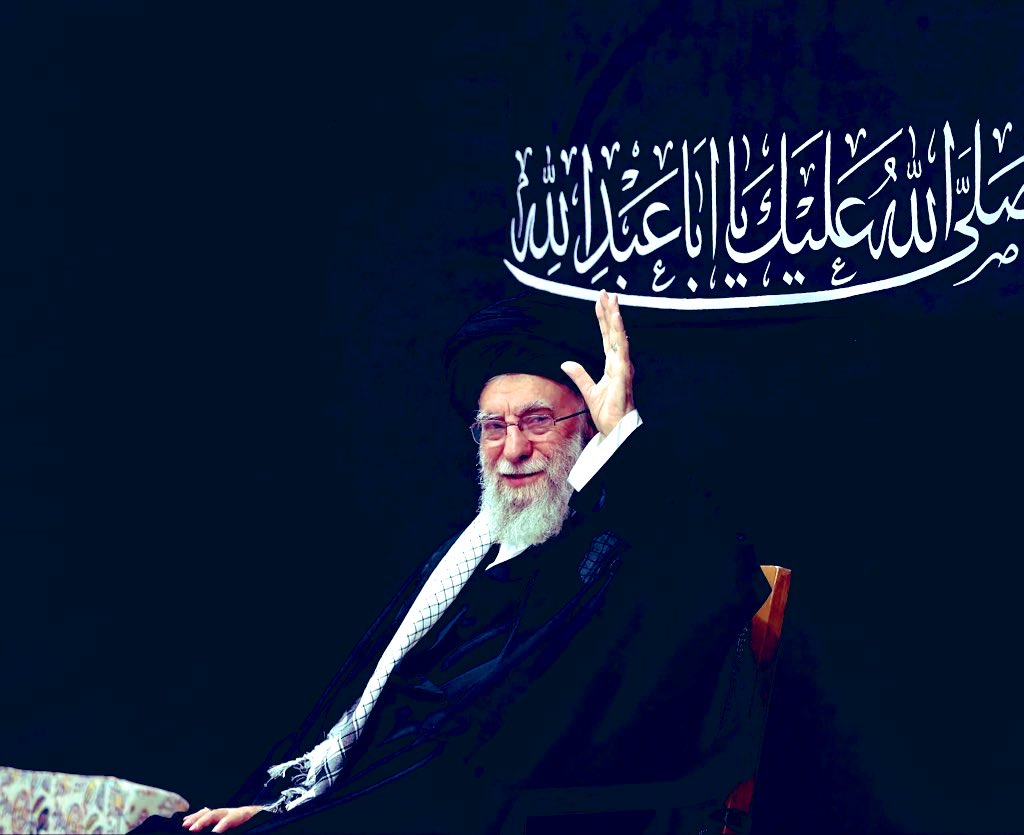
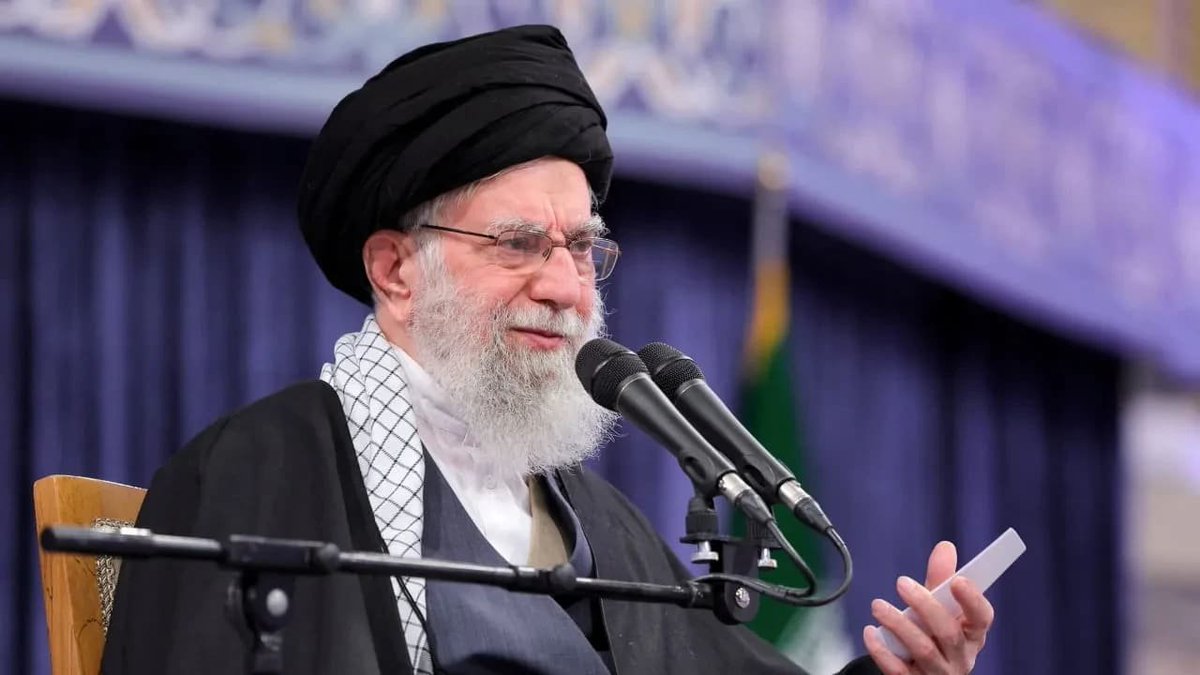
28.02.2026 || Ayatollah Khamenei assassination by Trump and Netanyahu.
A body does not fall to the earth so much as conviction rises in the heart. In these lands, loss is not merely the toppling of a tyrant’s idol; it is a flash of clarity for those who are truly awake - those who knead their daily bread with the tears of the Long Awaiting and the grit of the sacred steadfast.
Yesterday, the Oppressor has once again proven itself to be an absolute, existential enemy. There is no more talk of protecting regimes or political seats; it is the very lifeblood of the dispossessed that is now on the line. This is the moment of ultimate anticipation and unyielding resolve.
In this atmosphere, charged with both sanctity and rage, all room for maneuver has vanished.
#Khamenei
𝗔 𝗣𝗢𝗜𝗡𝗧 𝗢𝗙 𝗡𝗢 𝗥𝗘𝗧𝗨𝗥𝗡
Donald Trump and Benjamin Netanyahu have just made the most consequential strategic miscalculation of their political careers.
The assassination of Iran’s Supreme Leader, Ayatollah Ali Khamenei, would not be interpreted as a limited tactical operation.
It would be perceived across the region as a strategic rupture, a point of no return between Washington and Tehran.
Such a move would not collapse Iran’s political system.
It would instead consolidate hardline consensus, legitimize expansive retaliation, and ignite a multi-front confrontation stretching from the Gulf to the Levant.
Rather than ending the Iranian challenge, it could accelerate the erosion of the American military footprint in West Asia.
And in a post-U.S. regional order, Israel would face a far more hostile strategic environment, one defined not by deterrence stability, but by sustained asymmetrical pressure.
𝗧𝗛𝗘 𝗦𝗨𝗣𝗥𝗘𝗠𝗘 𝗟𝗘𝗔𝗗𝗘𝗥 𝗖𝗛𝗔𝗟𝗟𝗘𝗡𝗚𝗘: 𝗔𝗠𝗘𝗥𝗜𝗖𝗔’𝗦 𝗙𝗔𝗜𝗟𝗘𝗗 𝗕𝗘𝗧
If hypothetically Israel and the United States had succeeded in eliminating Iran’s Supreme Leader Ali Khamenei, the strategic bet would have been clear: remove the apex of the system and the structure collapses beneath it.
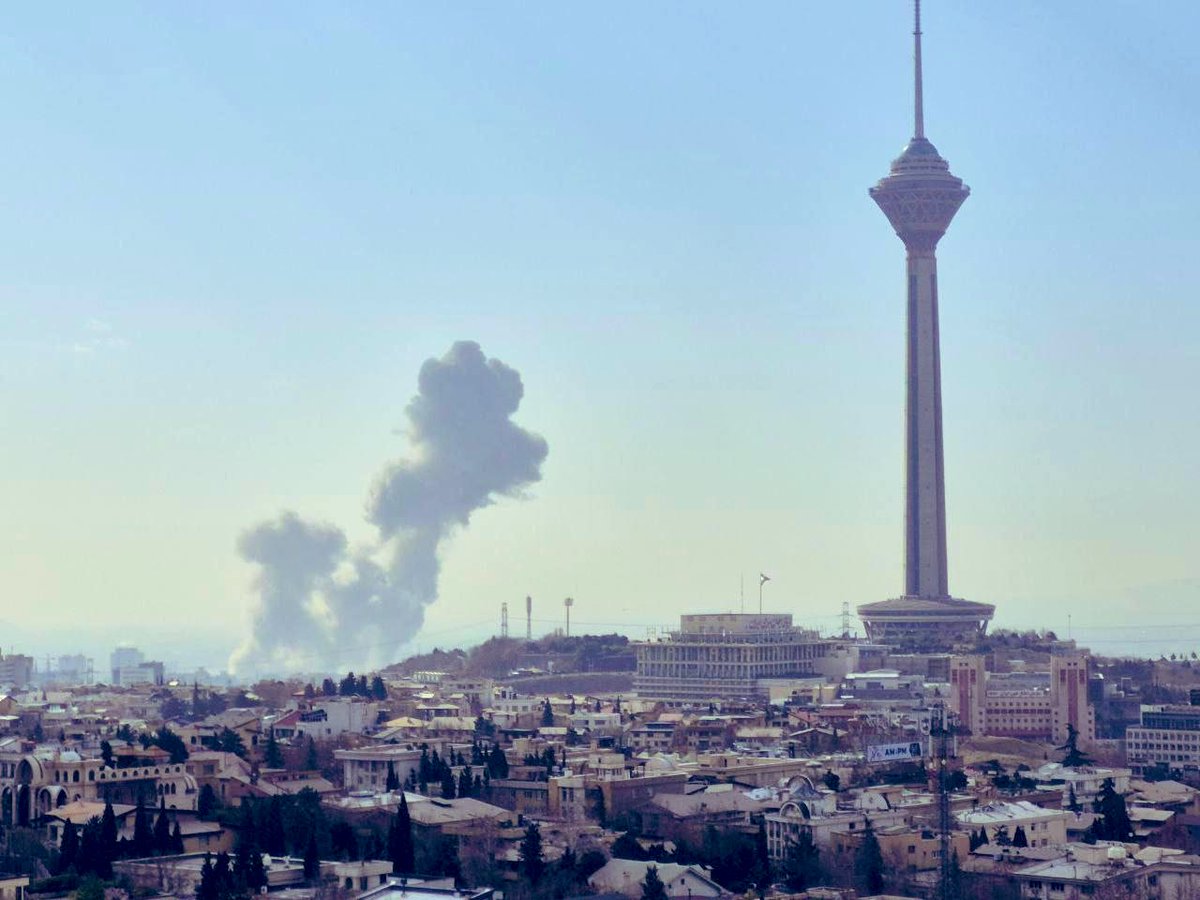
Instead, the response tells a different story. Iran moved immediately, striking American military positions across the Gulf, Jordan, and Iraq, while launching a large-scale missile barrage toward Tel Aviv.
That is not the behavior of a regime in disarray; it is the behavior of a state executing contingency doctrine under centralized command continuity.
If decapitation was intended to end the regime or force rapid internal fracture, the outcome demonstrates a fundamental miscalculation.
Iran’s power architecture appears built for survivability, not dependency on a single figure.
Rather than deterring escalation, such a move would have validated Tehran’s worst-case assumptions, and widened the conflict into a far more dangerous phase.
𝗜𝗥𝗔𝗡 𝗣𝗔𝗥𝗧𝗜𝗔𝗟𝗟�� 𝗖����𝗢𝗦𝗘𝗦 𝗧𝗛𝗘 𝗦𝗧𝗥𝗔𝗜𝗧 𝗢𝗙 𝗛𝗢𝗥𝗠𝗨𝗭
Iran’s Islamic Revolutionary Guard Corps warns that some ships will not be allowed to transit the Strait of Hormuz, effectively partially shutting down this key global chokepoint.
This sudden move spikes regional tensions and threatens the flow of oil and gas through one of the world’s most critical maritime routes.
𝗜𝗥𝗔𝗡 𝗗𝗘𝗦𝗧𝗥𝗢𝗬𝗦 𝗨.𝗦. 𝗔𝗡/𝗙𝗣𝗦-𝟭𝟯𝟮 𝗠𝗜𝗦𝗦𝗜𝗟𝗘 𝗘𝗔𝗥𝗟𝗬-𝗪𝗔𝗥𝗡𝗜𝗡𝗚 𝗥𝗔𝗗𝗔𝗥 𝗜𝗡 𝗤𝗔𝗧𝗔𝗥
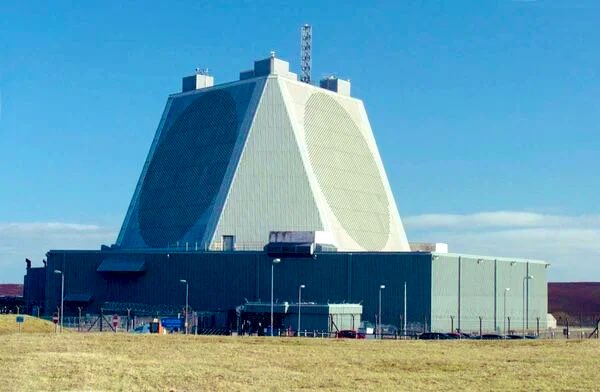
The IRGC announced the destruction of the American FP-132 radar in Qatar, a long-range early-warning system capable of detecting ballistic missile launches up to 5,000 km away.
This radar is a core node in the U.S. regional missile defense architecture, feeding tracking data into systems such as THAAD and supporting allied networks, including Israel’s layered shield built around Arrow 3, David’s Sling, and Iron Dome.
If truly disabled, the impact would not translate into a fixed interception percentage, but it would reduce early-warning time, weaken redundancy, and increase pressure on remaining sensors. Missile defense effectiveness depends on trajectory, saturation, decoys, and interceptor coordination, and fewer long-range sensors narrow the reaction window.
Israel also hosts another high-powered early-warning radar as part of U.S.–Israeli cooperation, making such assets central to any escalation calculus.
Targeting early-warning infrastructure is not symbolic, it challenges the backbone of regional missile defense and significantly raises the strategic stakes.
𝗔𝗺𝗲𝗿𝗶𝗰𝗮 𝗮𝗻𝗱 𝗜𝘀𝗿𝗮𝗲𝗹: 𝗔 𝗦𝘁𝗿𝗮𝘁𝗲𝗴𝗶𝗰 𝗠𝗶𝘀𝗰𝗮𝗹𝗰𝘂𝗹𝗮𝘁𝗶𝗼𝗻
One hour after the U.S.-Israeli strike on Iran, Tehran struck back at Israel and American military assets across Qatar, Bahrain, the UAE, Kuwait, and Jordan.
This opening move exposes a grave strategic miscalculation by Washington and Tel Aviv, one whose regional fallout is only beginning.
Iran’s swift retaliation shows that it was not caught off guard, unlike in previous confrontations such as the 12‑Day War.
Washington and Tel Aviv clearly could not deceive or outmaneuver Iran, which retained full strategic initiative in choosing the timing and scope of its response.
Iran’s leadership has signaled that this confrontation is likely to be protracted rather than brief, indicating that Washington may now be drawn into a long, complex conflict that will be far more difficult to exit than anticipated, effectively placing the United States in a trap with deep regional consequences.
𝗔𝗺𝗲𝗿𝗶𝗰𝗮’𝘀 𝗠𝗼𝘀𝘁 𝗗𝗲𝗮𝗱𝗹𝘆 𝗠𝗶𝘀𝘁𝗮𝗸𝗲
The recent decisions by the United States and Israel may mark one of the most consequential strategic miscalculations in modern history.
The long-term ramifications could be severe: America risks significant geopolitical and economic fallout, while Israel may face unprecedented regional and international challenges.
This episode underscores the dangers of impulsive actions in complex theaters and serves as a stark reminder that even established powers are not immune to strategic errors.
Personally, I had expected a more measured and calculated approach from American policymakers.
𝗪𝗔𝗥 𝗢𝗡 𝗜𝗥𝗔𝗡 𝗜𝗦 𝗔𝗡 𝗔𝗠𝗘𝗥𝗜𝗖𝗔𝗡 𝗗𝗘𝗖𝗜𝗦𝗜𝗢𝗡, 𝗡𝗢𝗧 𝗔𝗡 𝗜𝗦𝗥𝗔𝗘𝗟𝗜 𝗢𝗡𝗘
There is no such thing as an independent strike by Israel on Iran.
Any escalation of that scale is embedded within the strategic architecture of the United States, militarily, logistically, and diplomatically.
America chose war with Iran as a structural geopolitical decision, not an isolated tactical episode, and that choice may prove to be a strategic mistake that accelerates the erosion of American hegemony and leaves Washington to pay the long-term geopolitical price.
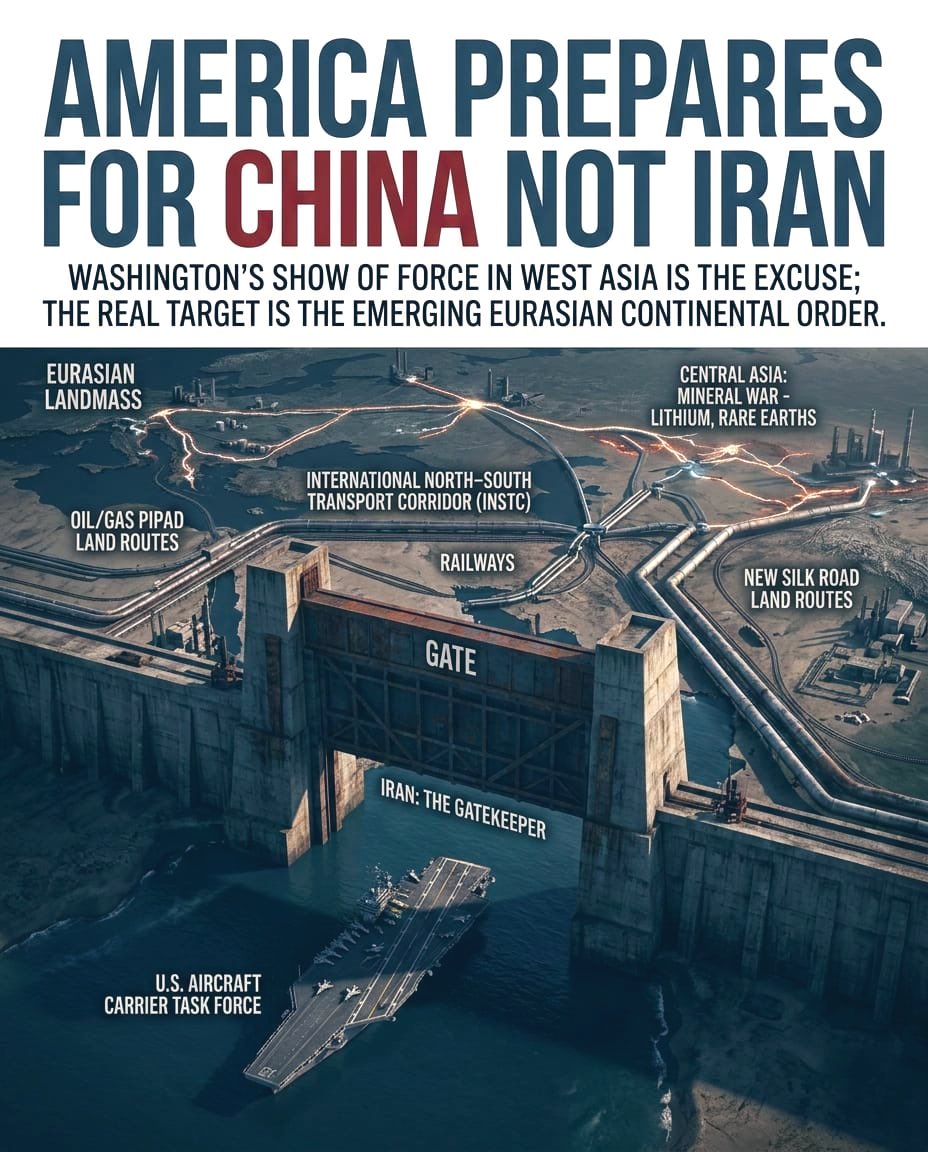
𝗔𝗠𝗘𝗥𝗜𝗖𝗔 𝗜𝗦 𝗣𝗥𝗘𝗣𝗔𝗥��𝗡𝗚 𝗙𝗢𝗥 𝗖𝗛𝗜𝗡𝗔, 𝗡𝗢𝗧 𝗜𝗥𝗔𝗡
It is becoming increasingly clear that the United States is restructuring its global military posture not primarily for Iran, but for a long-term strategic confrontation with China.
Iran is the justification.
China is the calculation.
Washington has done this before. After 9/11, the “War on Terror” enabled a vast redeployment that entrenched U.S. power deep inside West Asia, not just to fight terrorism, but to sit astride the world’s energy arteries, mineral basins, and continental crossroads.
Today, a similar repositioning is underway under the banner of deterrence against Tehran.
But great powers do not reorganize global force posture for secondary threats.
You cannot contain a peer competitor from thousands of miles away.
You cannot shape the balance of Eurasia while anchored in Europe alone. Strategic gravity lies further east, where trade routes, pipelines, resource basins, and land corridors determine the flow of power.
For more than a century, American primacy has rested on command of the seas: controlling chokepoints, shipping lanes, and maritime trade.
China’s grand strategy aims to neutralize that advantage by activating the continental mass of Eurasia.
Railways, pipelines, and overland corridors cannot be blockaded by aircraft carriers.
If Beijing succeeds in building fast, secure, and inexpensive continental routes, modern Silk Roads, the strategic value of U.S. naval dominance declines sharply.
Sea power matters less when the world’s commerce, energy, and supply chains move by land.
This is why Central Asia and its surrounding zones are pivotal.
The region is not only a transit hub, it is a vast reservoir of critical minerals essential for advanced technologies: rare earths, strategic metals, and energy inputs required for semiconductors, batteries, aerospace systems, and next-generation weapons.
Control over these resources means control over the industrial foundations of future power.
Denying them to rivals is as important as securing them.
Equally decisive is the emerging north–south axis centered on Iran.
Overland routes running through Iran allow Russia to access the Persian Gulf directly, faster, cheaper, and beyond vulnerable maritime chokepoints.
This corridor compresses distance between northern Eurasia and warm-water ports, reshaping trade geography.
If China integrates into this network by land, a continuous Eurasian system emerges linking East Asia, Central Asia, Russia, and the Gulf.
In that scenario, American sea control becomes strategically insufficient.
The United States would face a continental bloc able to trade, transport energy, and move goods across Eurasia without reliance on maritime routes dominated by the U.S. Navy.
Control of West Asia therefore achieves multiple objectives simultaneously:
- Secures critical mineral basins and energy reserves
- Dominates key transit chokepoints• Blocks east–west continental integration
- Disrupts north–south connectivity linking Russia to the Gulf
- Positions forces at the intersection of three continents
- Prevents the formation of a self-sufficient Eurasian economic sphere
In this framework, Iran is not the endgame, it is the gate.
What appears as regional crisis management is in reality great-power positioning.
The struggle is not about one country, one conflict, or one nuclear program.
It is about whether the 21st century will be shaped by maritime empires or continental powers.
If China succeeds in activating the land while Russia gains southern access through Iran, a vast integrated Eurasian system could emerge, one largely insulated from maritime pressure.
America would still command the oceans, but no longer the world system.
The battles in West Asia are not the main war.
They are the deployment phase for the one that matters.
𝗨.𝗦. 𝗣𝗼𝘀𝘁𝘂𝗿𝗲 𝗮𝗻𝗱 𝗘𝘃𝗮𝗰𝘂𝗮𝘁𝗶𝗼𝗻: 𝗣𝗹𝗮𝘆𝗶𝗻𝗴 𝘁𝗵𝗲 𝗣𝗼𝘄𝗲𝗿 𝗚𝗮𝗺𝗲 𝗶𝗻 𝘁𝗵𝗲 𝗠𝗶𝗱𝗱𝗹𝗲 𝗘𝗮𝘀𝘁
The focus is squarely on Israel.
Initially, Israel tried to draw the U.S. into the region to achieve its own strategic objectives.
The U.S. arrived and effectively turned Israel into the spearhead of mobilization against Iran, yet Israel cannot voice any objection.
Meanwhile, Iran remains firm: any missile strike by either the U.S. or Israel on Iranian soil would trigger a regional war.
Tehran will not accept even a “demonstrative” strike.
For Washington to save face, it must demonstrate absolute seriousness to Iran to extract concessions in negotiations.
At the same time, the U.S. seeks to showcase unprecedented military capability to project strength globally, particularly to China, without actually initiating conflict.
Today, the U.S. met with Nouri al-Maliki in a critical session where Tom Barrack emphasized to Maliki the need for Iran to reach a negotiated outcome with America.
The message is clear: the U.S. does not want war; it seeks to rebalance the region and protect its interests while avoiding total chaos.
𝗡𝗼𝘁 𝗔𝗰𝗰𝘂𝗿𝗮𝘁𝗲 — 𝗡𝗼𝘁 𝗢𝗳𝗳𝗶𝗰𝗶𝗮𝗹
What’s circulating about sweeping U.S. demands in Geneva was not formally presented to Iran.
This was reportedly informal talk relayed by a member of the U.S. delegation to figures present there, not an official proposal placed on the negotiating table.
No formal demand was made to destroy nuclear sites or hand over uranium.
The actual ceiling of what has been discussed is far more limited:
- Permanent controls on enrichment levels
- Robust guarantees and verification mechanisms
- Not total dismantlement
In high-stakes diplomacy, there is a fundamental difference between ideas floated to test reactions and conditions formally imposed as terms of agreement.
What we are seeing falls into the first category, exploratory signaling, not finalized demands.
🇺🇸🇮🇷 U.S. demands presented to Iran in Geneva:
- Destroy all three nuclear sites: Fordow, Natanz, and Isfahan
- Transfer all enriched uranium to the U.S.
- No sunset clauses, meaning restrictions would be permanent
- 0 enrichment, though the Tehran reactor could remain
- Limited upfront sanctions relief, with more only if Iran complies
Source: The Wall Street Journal
𝗡𝘂𝗰𝗹𝗲𝗮𝗿 𝗧𝗮𝗹𝗸𝘀 𝗮𝘁 𝗮 𝗖𝗿𝗼𝘀𝘀𝗿𝗼𝗮𝗱𝘀
Officials in Iran have tabled a comprehensive proposal that simultaneously addresses the nuclear file and the architecture of sanctions relief, an offer calibrated to be diplomatically difficult to dismiss.
From Tehran’s vantage point, an outright rejection by United States would not merely stall negotiations but would be interpreted as evidence of pre-existing hostile intent rather than procedural disagreement.
Notably, Washington reportedly requested that the proposal be formally drafted in the languages of the P5+1 framework and the permanent members of the United Nations Security Council, English, Farsi, Russian, French, Chinese, and German. Such a request is geopolitically significant: it implies bureaucratic preparation for multilateral processing, legal scrutiny, and potential codification, steps typically taken only when a framework is being moved toward closure rather than exploratory discussion. In diplomatic practice, translation into all working languages signals readiness for institutional adoption, not merely bilateral review.
Equally consequential is the economic dimension embedded in the draft. U.S. negotiators reportedly sought a defined percentage of foreign investment access within Iran’s economy as part of a sanctions-relief architecture designed to bind commercial interests to compliance mechanisms.
Tehran, in what appears to be a calculated confidence-building maneuver, did not resist this demand but instead expanded it, offering an additional 30 percent beyond what Washington initially requested.
Given the scale of Iran’s energy, infrastructure, and industrial sectors, the figures involved translate into tens of billions of dollars in potential capital flows.
Taken together, these elements suggest that the negotiations may be entering a phase of structured convergence rather than rhetorical posturing.
If Washington is indeed engaging with strategic seriousness, the current moment could yield a preliminary understanding, one that freezes escalation, institutionalizes dialogue, and purchases time for deeper bargaining over verification regimes, enrichment limits, and the sequencing of sanctions rollback.
In geopolitical terms, this would represent not a final settlement but a stabilization mechanism: a managed pause in a confrontation neither side currently seeks to convert into open conflict.
𝗡𝗢 𝗪𝗔𝗥 𝗕𝗘𝗧𝗪𝗘𝗘𝗡 𝗧𝗛𝗘 𝗨𝗦𝗔 𝗔𝗡𝗗 𝗜𝗥𝗔𝗡
There will be no direct war between the United States and Iran, not now.
The confrontation has been postponed, not canceled.
Tehran recently transmitted its proposal through Oman, which delivered it to Washington, triggering an immediate round of indirect negotiations scheduled for tomorrow.
Active diplomacy of this kind is incompatible with imminent large-scale military action.
Even in President Donald Trump’s 2026 State of the Union Address, his remarks on Iran, which lasted roughly about a minute within a nearly two-hour speech, emphasized negotiations and a preference for diplomacy, not a declaration of war.
He explicitly stated that the United States is already in talks with Tehran and that a deal remains possible.
Strategically, neither side is positioned to benefit from open conflict.
Washington faces global overstretch, economic pressures, and domestic constraints, while Tehran seeks sanctions relief and stability rather than a full-scale regional war.
Both are signaling deterrence while keeping diplomatic channels open.
The most likely outcome is a temporary arrangement that lowers tensions and pushes confrontation into the future. This is not peace, it is strategic delay.
War has not been avoided.
It has been deferred.
𝗙𝗢𝗜𝗟𝗘𝗗 𝗧𝗘𝗥𝗥𝗢𝗥𝗜𝗦𝗧 𝗣𝗟𝗢𝗧 𝗧𝗢 𝗔𝗧𝗧𝗔𝗖𝗞 𝗜𝗥𝗔𝗡’𝗦 𝗣𝗥𝗘𝗦𝗜𝗗𝗘𝗡𝗧𝗜𝗔𝗟 𝗔𝗡𝗗 𝗦𝗘𝗖𝗨𝗥𝗜𝗧𝗬 𝗖𝗢𝗠𝗣𝗟𝗘𝗫𝗘𝗦
Over the past few nights, one of the most dangerous and complex operations planned by the Mujahedin-e Khalq, with direct support from foreign intelligence services, has been thwarted.
The plot was disrupted in its early stages, with a large number of the group’s operatives killed or arrested before the attack could be carried out.
The operation aimed to infiltrate the presidential compound, the headquarters of the Supreme National Security Council, as well as the complex housing the Office of the Supreme Leader.
The Intelligence Organization of the Islamic Revolutionary Guard Corps (IRGC) successfully uncovered the plot, tracked the operatives, and neutralized the complex operation before it could take place, marking a significant security achievement that prevented the enemy from reaching its objectives.
Military Analyst Yossi Yehoshua:
Foreign media is full of nonsense again. Financial Times says even with the USS Ford in the region, U.S. military power only lasts 4–5 days of heavy strikes, or a week of lighter ones. Reuters claims Israel would seriously damage Lebanon if Hezbollah intervenes in a U.S.–Iran conflict.
Reality check: at the height of our war against Hezbollah, Lebanon wasn’t harmed, and that’s exactly how we intend to keep it.
Why?
Because any damage to Lebanon would inevitably provoke Hezbollah to strike back at Israel, turning the conflict into a costly fight with no winners.