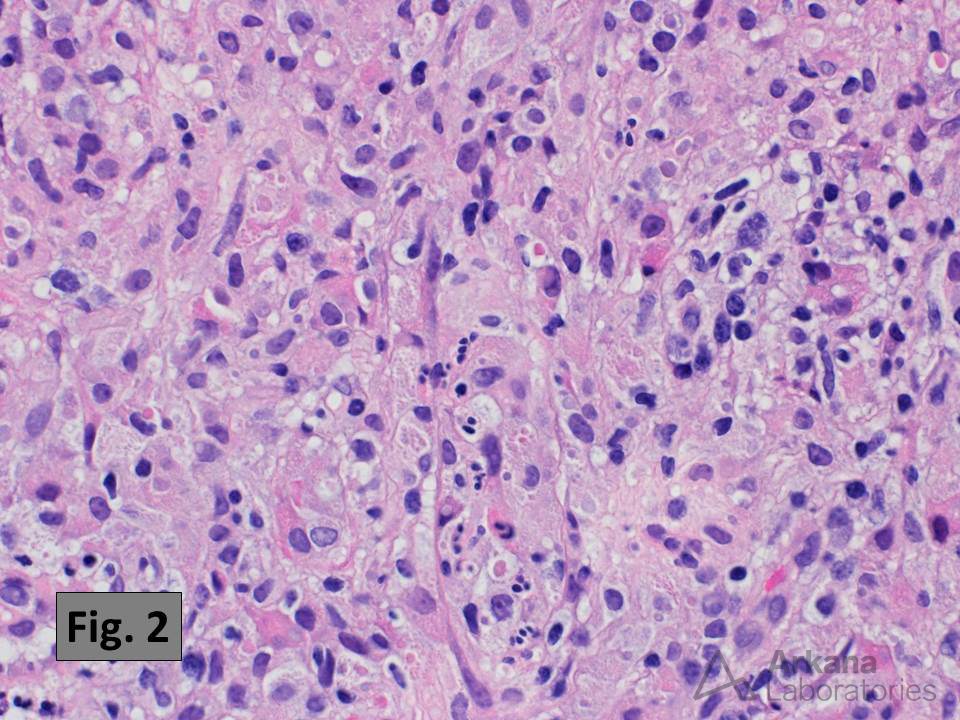
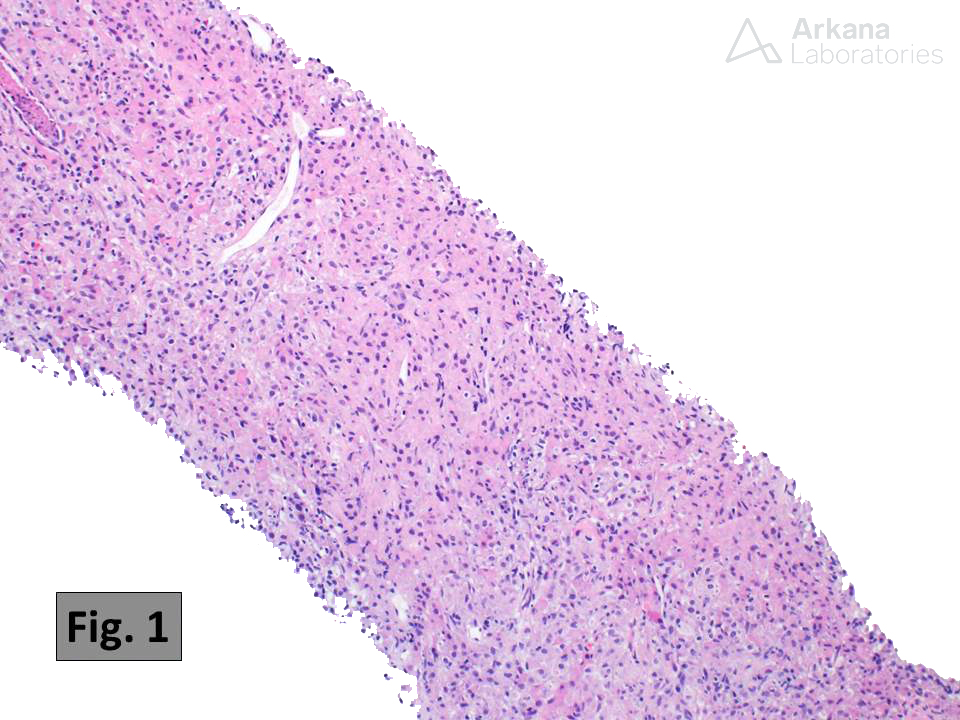
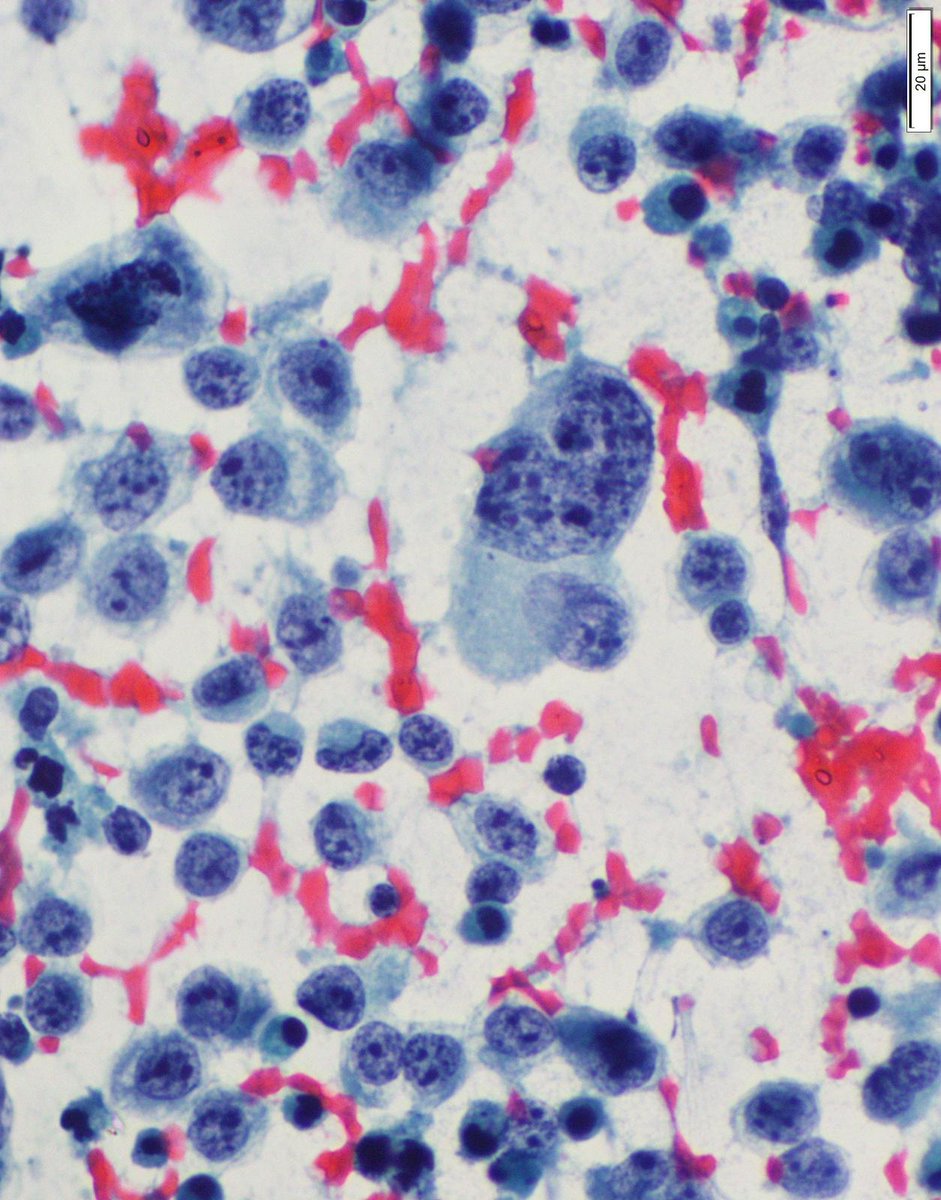
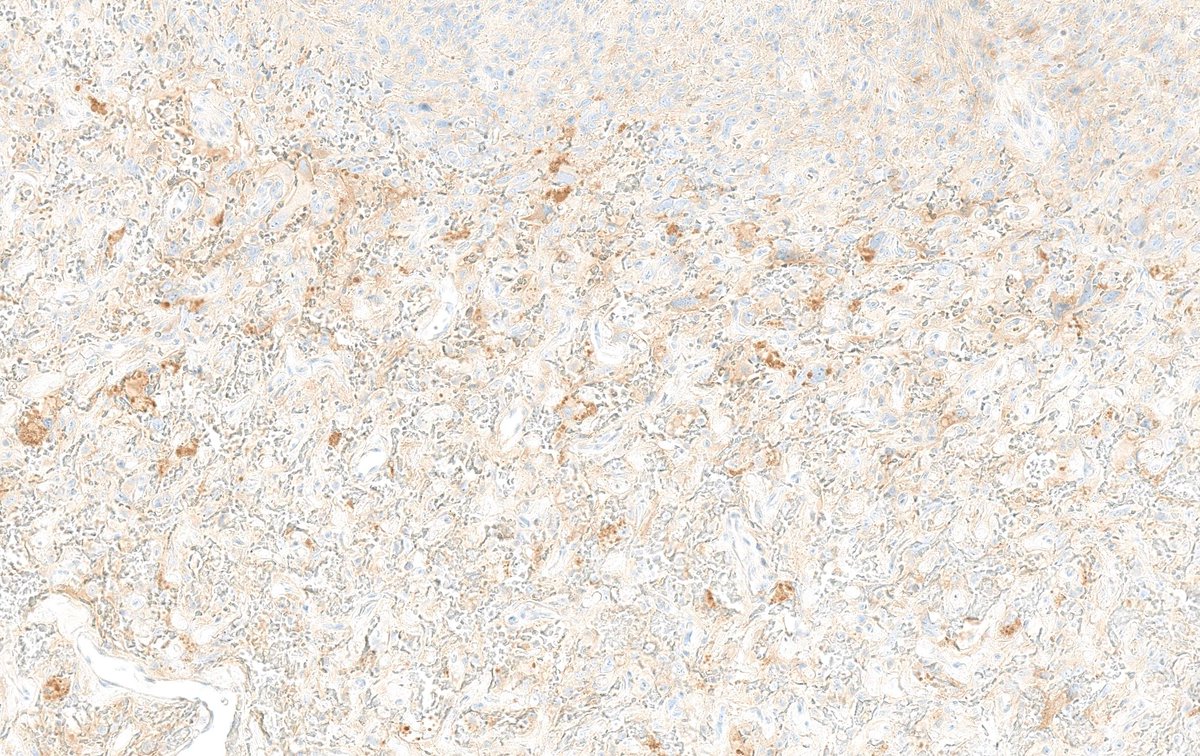
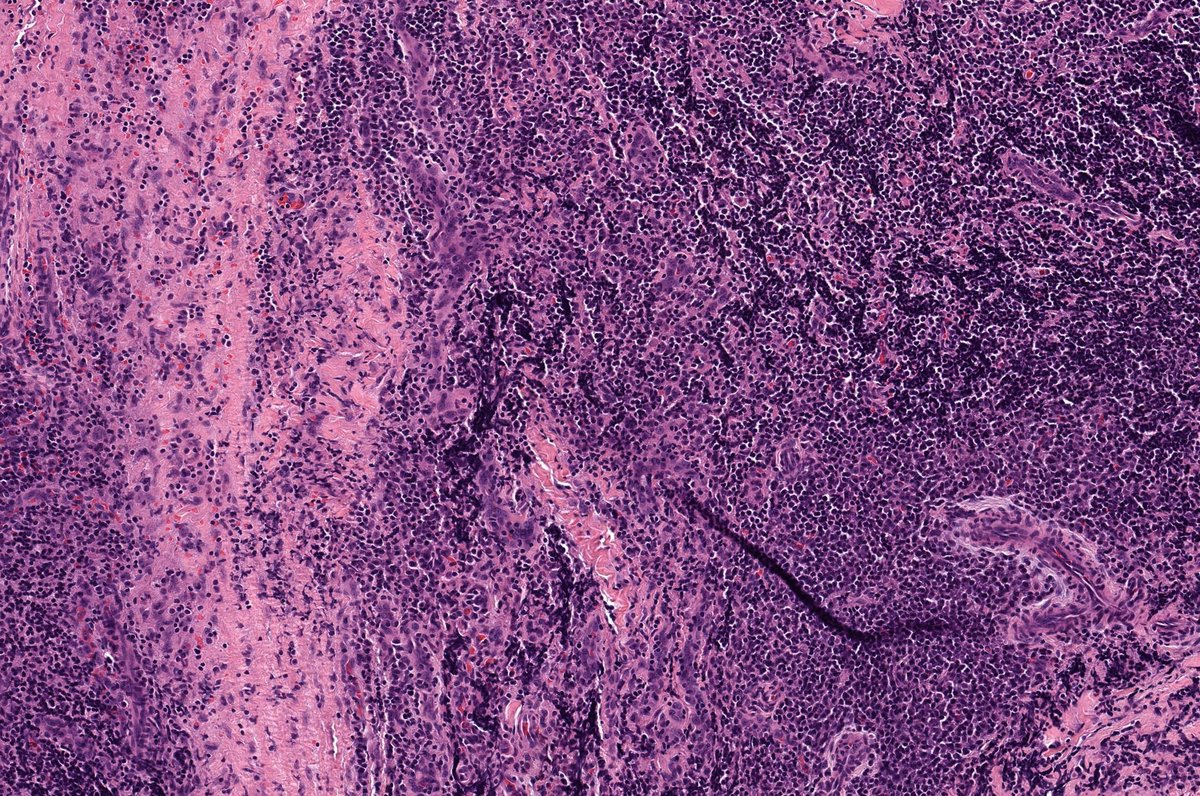
This kidney biopsy shows the histologic features characteristic of malakoplakia, which includes a dense, often obliterative, inflammatory infiltrate rich in histiocytes (Fig. 1 and 2) with numerous small intracytoplasmic concretions known as Michaelis-Gutmann bodies (these are best identified using histochemical staining for calcium as in Fig. 3). Malakoplakia is thought to result from chronic bacterial infection of the urinary tract (the most common causative organism is E. coli). Many cases are associated with the formation of small plaques and/or mass lesions. The bladder is the most common site of involvement, but kidney involvement occurs in about 15% of cases. The differential diagnosis includes xanthogranulomatous pyelonephritis.
Reference:
Kobayashi A, et al. Malakoplakia of the kidney. Am J Kid Dis. 2008 Feb;51(2):326-30. PMID: 18215711.
#TeachingPoints #kidneypath #renal #pathology
@MuseoThyssen La habitación no tenía ventanas
La puerta no tenía pomo
Y la mujer no tenía rostro
No necesitaba ventanas ni pomo ni rostro
El mundo era ella
Case of Microglandular Adenosis (MGA) 🔬
An infiltrative low-grade epithelial proliferation with central eosinophilic material, devoid of myoepithelial cell layer, MGA can mimic invasive carcinoma—however, negative ER should raise suspicion🕵️♂️.
#PathX#PathTwitter#breastpath
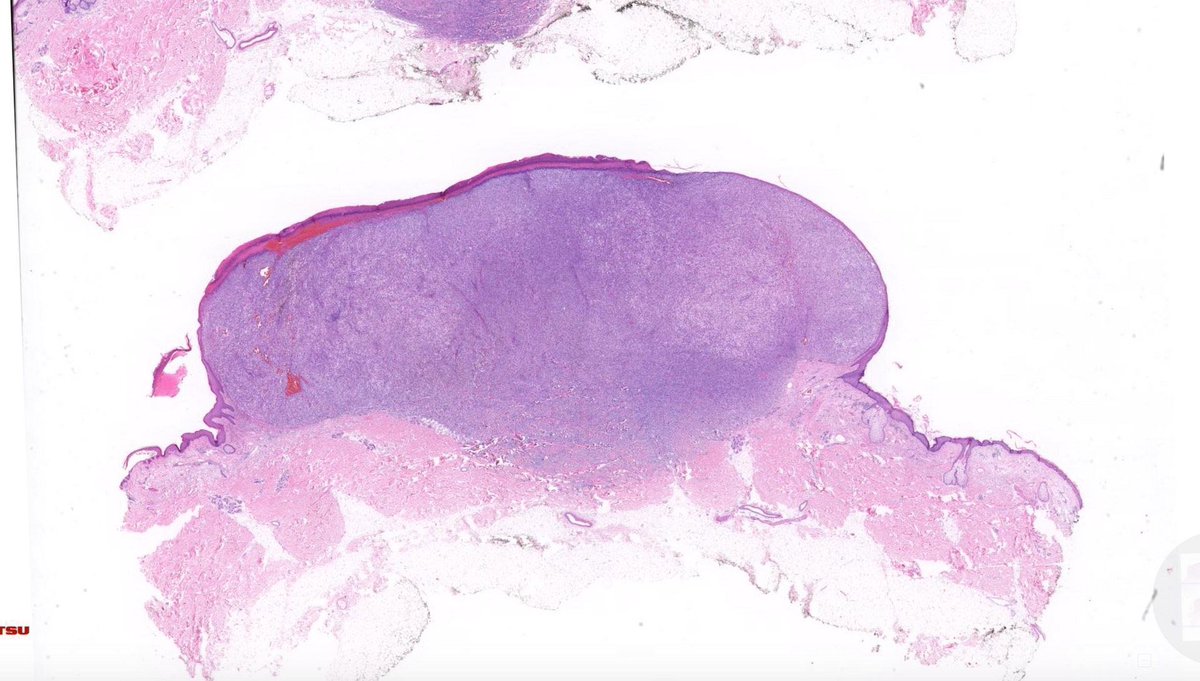
Large soft tissue mass in leg of NF1 patient. Multiple mitoses. S100 negative.
Answer ✅ https://t.co/vw2bQY9GMG
Name of the pattern & list of other tumors that can have it ➡️ https://t.co/5nmTYEGTer.
#BSTpath#pathologists#pathology#pathTwitter#dermpath
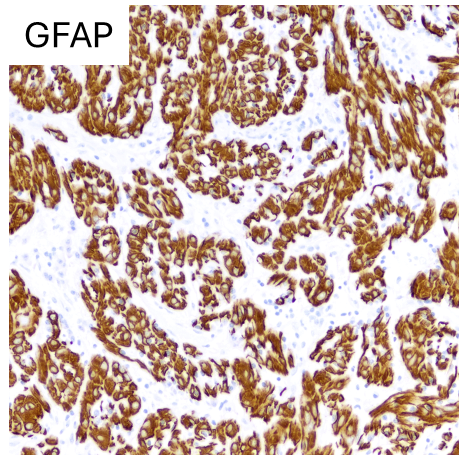
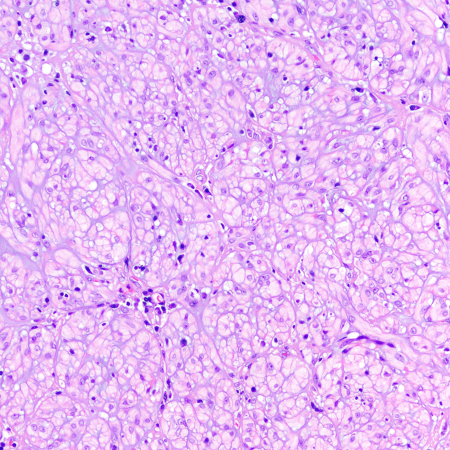
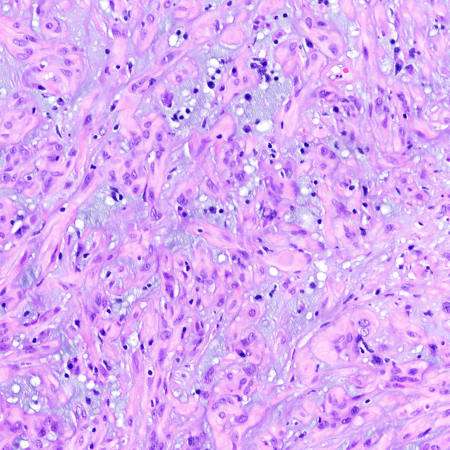
Suprasellar/hypothalamic mass with a PRKCA mutation. Diagnosis? (I'll strum a few CHORDs on my guitar while you think about it.) #pathology#neuropath#pathtwitter