Despite their name, Christmas Blennies will not be seen by most people this holiday season. They get their name because they are found around Christmas Island. The Blennies reside in the coral reefs off the coast of the island.
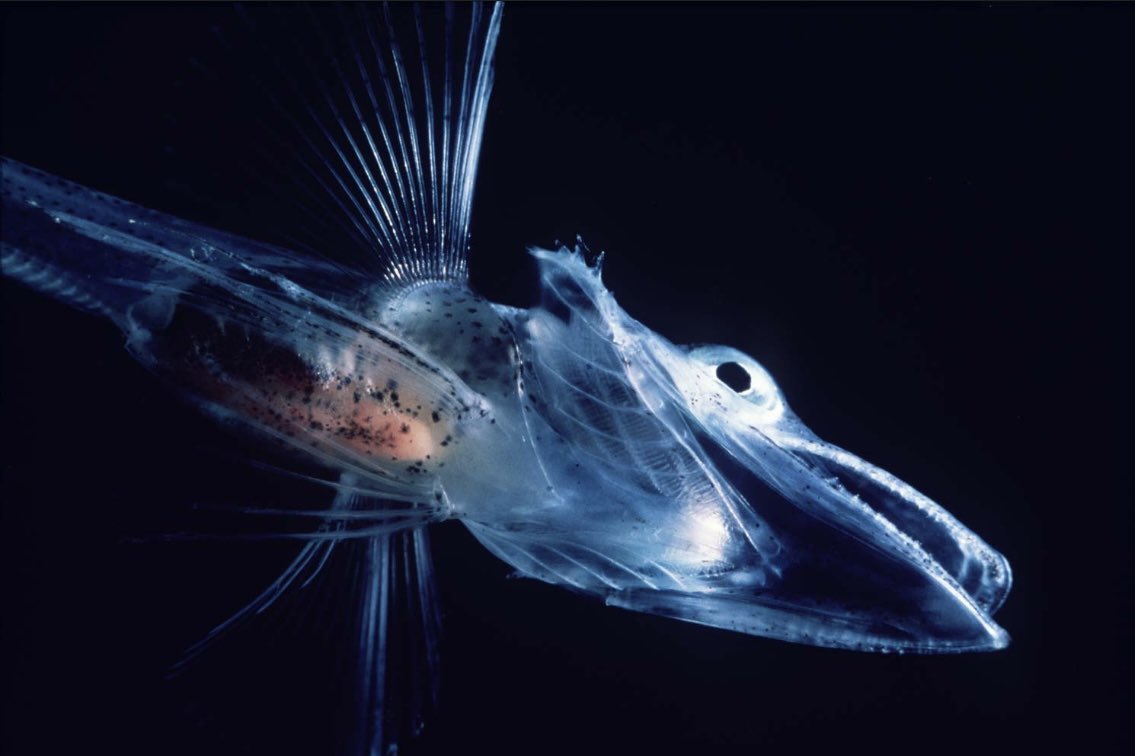
Santa won’t be able to fish for these cold water fish since they live near the South Pole. Icefish are the only vertebrates that do not produce hemoglobin in their blood. They make up for this by living in cold waters that have high oxygen solubility and very low metabolic rates.
A stocking full of Candy Snappers, also known as Lane Snappers, might not be as nice as a stocking full of candy canes but Candy Snapper are a popular sport fish along the Gulf, Atlantic and Caribbean coasts. Its mild, firm, white meat makes it a target of many anglers.
Ribbonfish might not make a good bow for your presents but they get their name from their long, laterally compressed bodies. In Taiwan, these fish are known as earthquake fish given that they tend to appear following major earthquakes.
A starfish might look right at home atop a Christmas tree given their five pointed star shape. They use their powerful arms to pry over bivalve shells and invert their stomach into the opening they create. They then use their stomach to digest the soft inner bits of their meal.
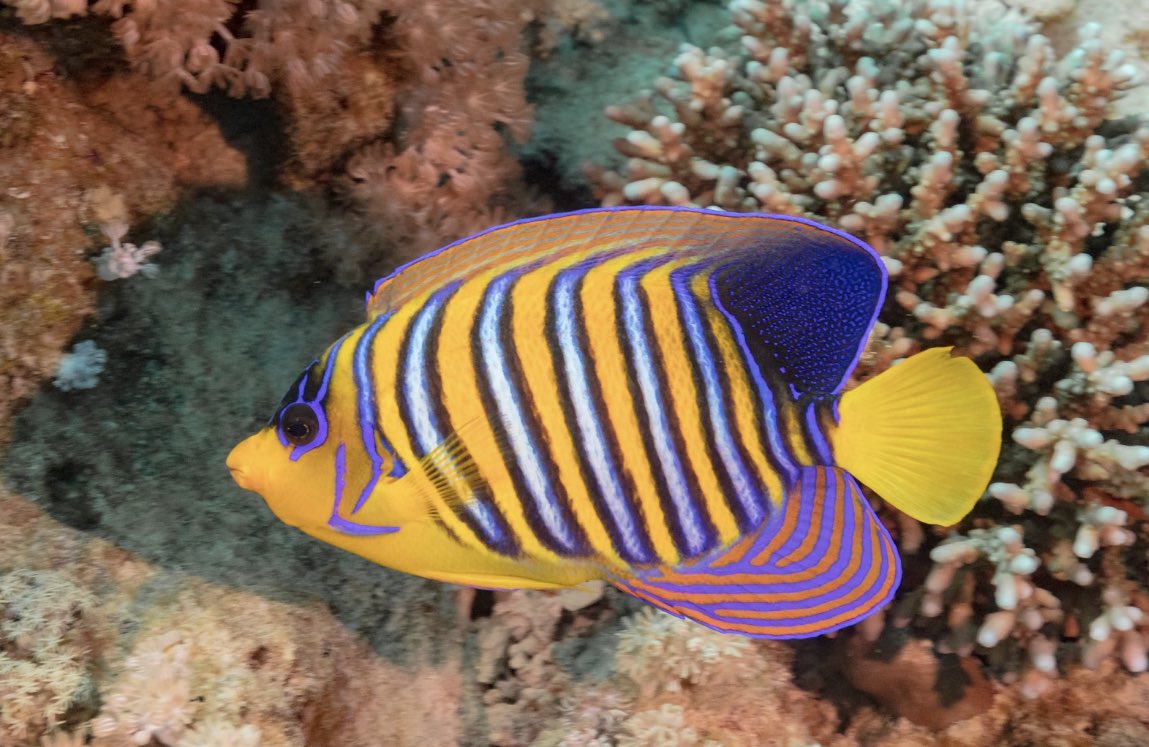
Angelfish are a family of reef dwelling fish. This is a diverse family with different members occupying many different feeding niches. These Angels can also be heard on high and have been recorded to make grunting and croaking sounds as a way to communicate.
Despite their name, Reindeer Wrasse don’t have very shiny noses. Also known as the Rockmover Wrasse, this species shifts through the substrate to find the buried invertebrates that it feeds on. They are also able to quickly bury themselves in the sand when threatened.
Christmas Tree Worms are a common sight for coral reef snorkelers and divers. The feather-like branches of their Christmas tree shape allow them to filter small particles of food out of the water. Christmas Tree worms can come in many different colors from red to blue to yellow.
The Thorny Tinselfish might make a good decoration for a Christmas tree. They get their name from its shiny, silvery appearance. Given their deep water habitat, little is known about the ecology of these fish.
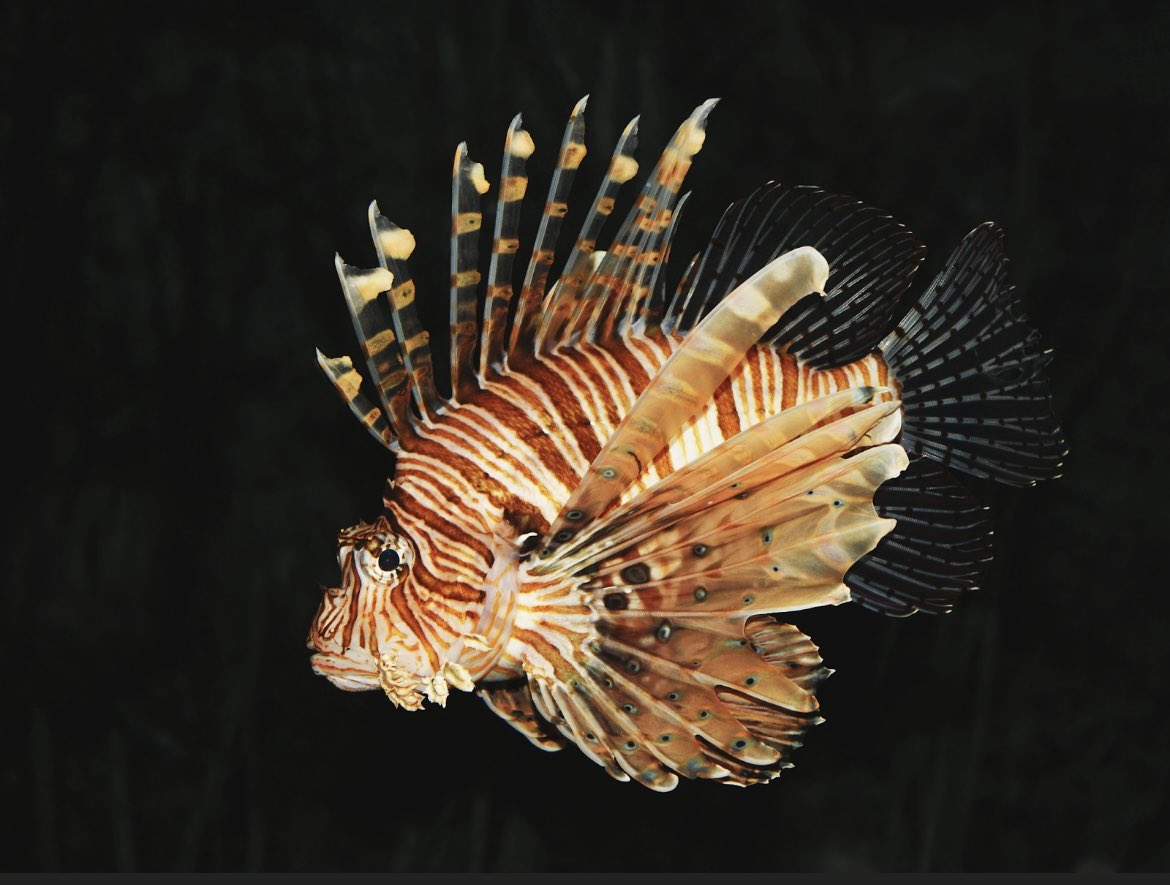
Commonly known as the Lionfish, this species is a threat to many marine ecosystems. One way to combat their invasion is by harvesting them as a food source. Their meat is buttery and tender. Like their namesake, the turkey, they could be a good addition to your Christmas dinner!
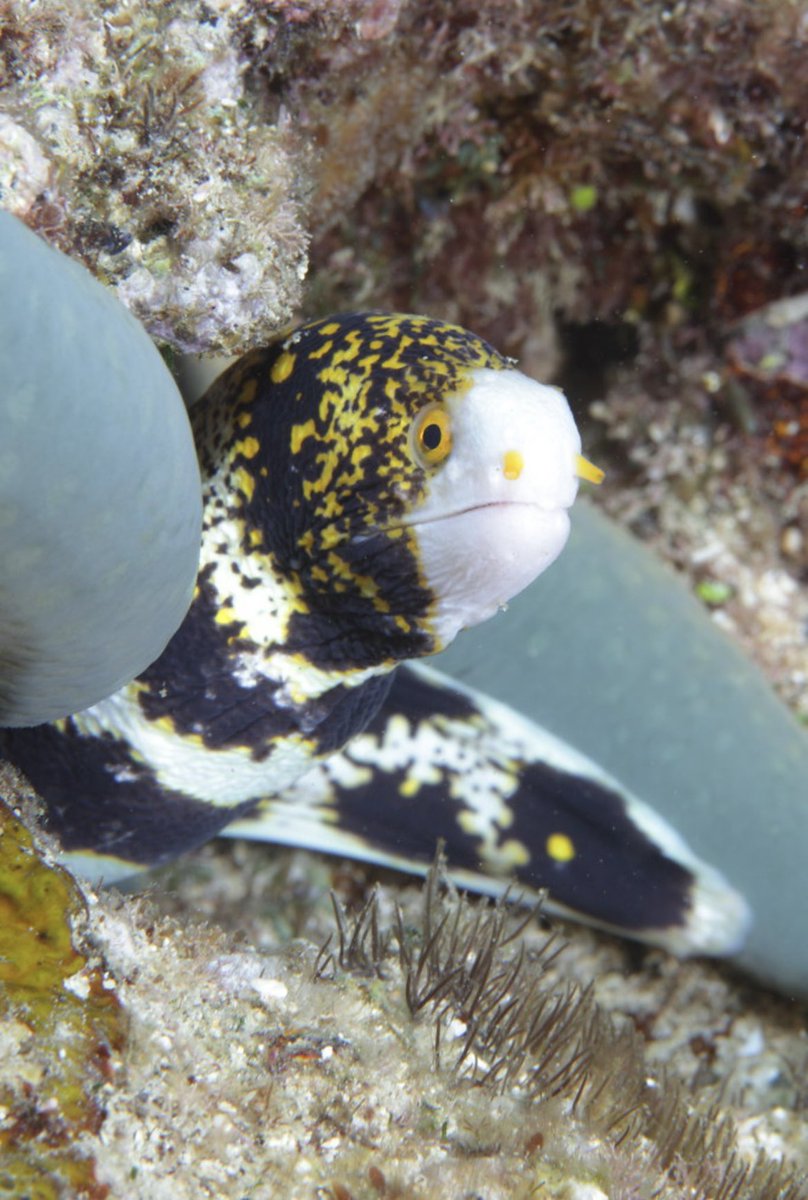
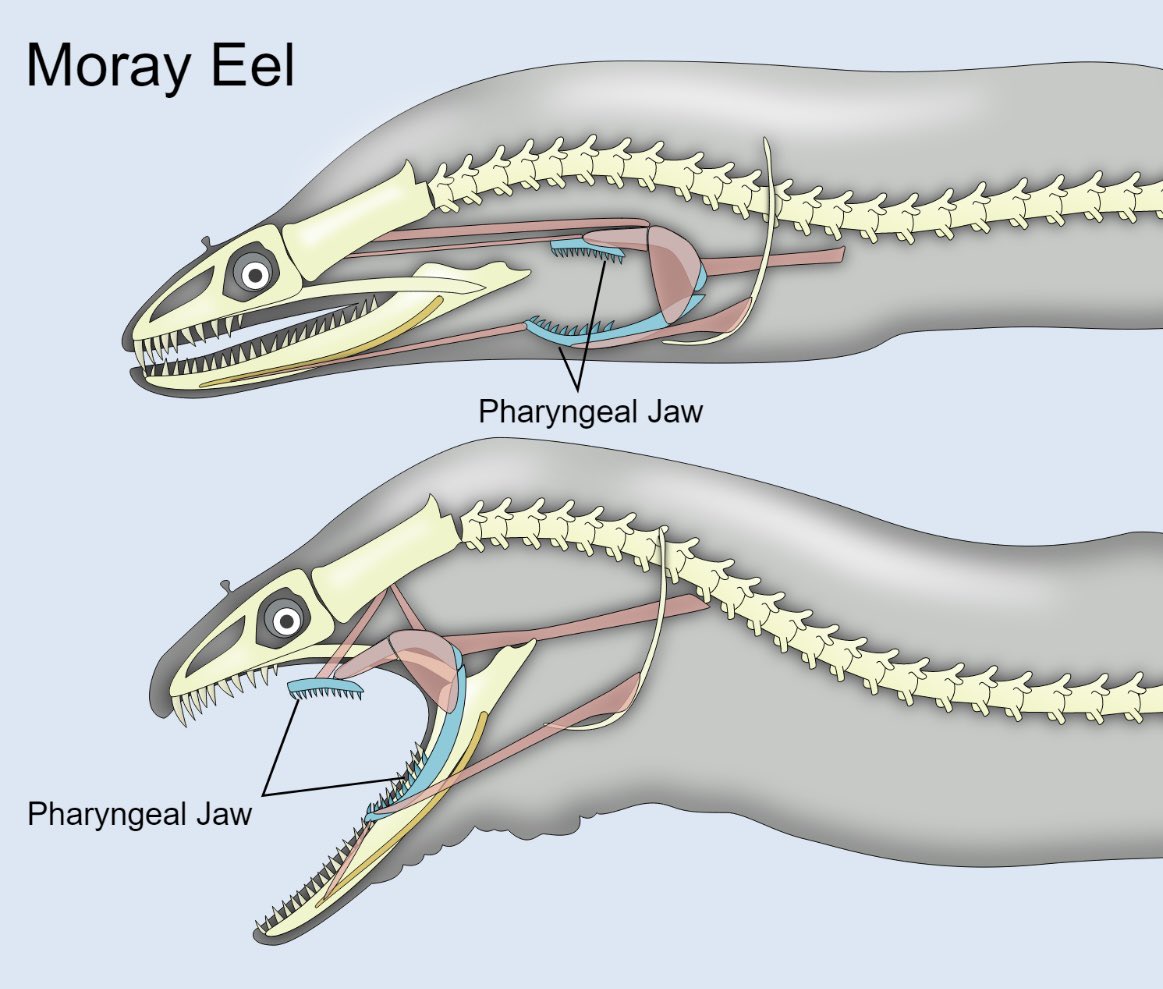
This year, iCOAST is celebrating 12 days of Fishmas. First, we have the Snowflake Moray Eel. The Snowflake Moray Eel, like other moray eels, have a second set of jaws in their throat. These jaws, called pharyngeal jaws, help grind and process food and move it into the esophagus.
Congratulations to iCOAST team member Marieke Lemmen for completing her M.S. in Recreation, Parks, and Tourism Resources at WVU! The focus of her research was on understanding user’s environmental perceptions at Gray’s Reef National Marine Sanctuary.
This morning, NPR’s @MorningEdition highlighted one coral restoration facility in Orlando operated by Seaworld, Disney, and the Florida DNR. If you are interested in learning more, you can read more about it and listen to the segment at this link! https://t.co/X1z1NBtbY6
November is Native American Heritage Month. America’s indigenous peoples have relied on its lands and waters for subsistence for millenia. As such, we should all be stewards of our natural resources and treat the resources with respect.
Today is election day in America. No matter which side you fall on, today is the day to make your voice heard. Do your civic duty today, get out and vote!
While marine resources create recreational opportunities that allow people to relax and play, these opportunities also provide jobs for many Americans. A 2019 NOAA report also found that over 2.3 million Americans work in the marine recreation industry!
Healthy #coralreefs can help protect coastlines from storm surges and erosion. Unfortunately #climatechange is resulting in widespread degradation of coral reefs. This is one reason why NOAA’s Mission: Iconic Reefs is working to restore the Florida Keys’s coral reefs!
Sunday October 23 represents the 50th anniversary of NOAA’s National Marine Sanctuary System. In 1972, Present Nixon signed the Marine Protection, Research and Sanctuary Act creating the National Marine Sanctuary Program!
Eastern Dry Rocks contains a mix of spur-and-groove style reefs. Historically, this reef supported large thickets of elkhorn corals and populations of star corals but their populations have diminished over time. This site is an important restoration site for Mission Iconic Reefs.
Looe Key is home to an offshore coral nursery and is a critical restoration site for Mission: Iconic Reefs. It is also home to the only remaining elkhorn thickets in the lower keys, making it an excellent place for divers and snorkelers!