The Siri/EU situation is a regulatory masterpiece.
Apple cannot launch Apple Intelligence in the EU.
Why? Because under the DMA, if Siri gets deep system access, every other AI assistant must get the exact same. Anything less would be unfair competition. A gatekeeper privileging its own service.
So either Siri ships and every Shenzhen startup, Cyprus shell company, and nephew hackathon project gets identical root access to 450 million Europeans’ digital lives or nothing ships.
Apple proposed a “Trusted System Agent”: a security intermediary so third-party assistants get capabilities without ripping the phone wide open.
The EU rejected it.
Magnificent.
Apple’s response: fine, then no developer APIs either. No Apple Intelligence, no third-party integrations, no foundation model access for EU developers. The entire layer simply does not exist on this continent.
Excellent.
This is the path. Why depend on American AI when we can build the entire stack ourselves? A European foundation model, trained on a European GPU cluster, running on a European OS, on a European phone, manufactured in a European fab, powered by European nuclear plants we have spent fifteen years closing.
Estimated time to ship: 2047.
Estimated cost: the GDP of three member states.
Estimated outcome: a chatbot that requires a cookie banner before each response.
Worth it.
In the meantime, European users are protected from Apple processing data Apple already holds by ensuring nobody processes anything at all.
Not a bug. The intended outcome.
Regulatory product design with a sledgehammer, swung with precision.
🇪🇺
O Google acabou de transformar mais de 1 bilhão de computadores em depósito de IA.
Inclusive o seu.
Sem pedir. Sem avisar. Sem um único popup.
O Chrome baixou 4GB de modelo de inteligência artificial no seu disco. O arquivo se chama weights.bin, são os pesos do Gemini Nano. Fica numa pasta chamada OptGuideOnDeviceModel dentro do seu perfil do Chrome.
Você não autorizou nada. Até existe uma configuração para impedir, mas tá enterrada em submenus que ninguém encontra. E as AI features vêm ligadas por padrão.
Se você deletar o arquivo, o Chrome baixa de novo. Sozinho. Em silêncio. Você decide o que fica no seu disco e o navegador simplesmente ignora.
Funciona assim em Windows, macOS e Ubuntu. Logs forenses no macOS mostram que o arquivo foi instalado dia 24 de abril de 2026, misturado com patches de segurança. Desenvolvedores dizem que isso já rola há mais de um ano.
E tem um detalhe que deixa tudo mais ridículo:
O Chrome 147 coloca um botão "AI Mode" na barra de endereço. Você vê aquilo, sabe que tem modelo de IA no seu computador, e assume que suas buscas rodam localmente.
Não rodam. O AI Mode é 100% cloud. Tudo vai para os servidores do Google. O modelo de 4GB no seu disco não tem nada a ver com aquele botão.
Ele serve para quê? "Help me write" e detecção de scam. Coisas que vivem em submenus de clique-direito que você provavelmente nunca abriu.
O Google ocupou 4GB do seu disco sem pedir, para rodar coisas que quase ninguém usa, enquanto a IA que você de fato vê manda tudo para a nuvem.
Na Europa, pesquisadores já apontam violação do Artigo 5(3) da Diretiva ePrivacy, que exige consentimento antes de armazenar software no dispositivo do usuário.
Como desativar:
→ chrome://flags
→ Busque "Optimization Guide On Device Model"
→ Desative
→ Reinicie o Chrome
→ Delete a pasta OptGuideOnDeviceModel
Seu computador só é seu se você ficar de olho.
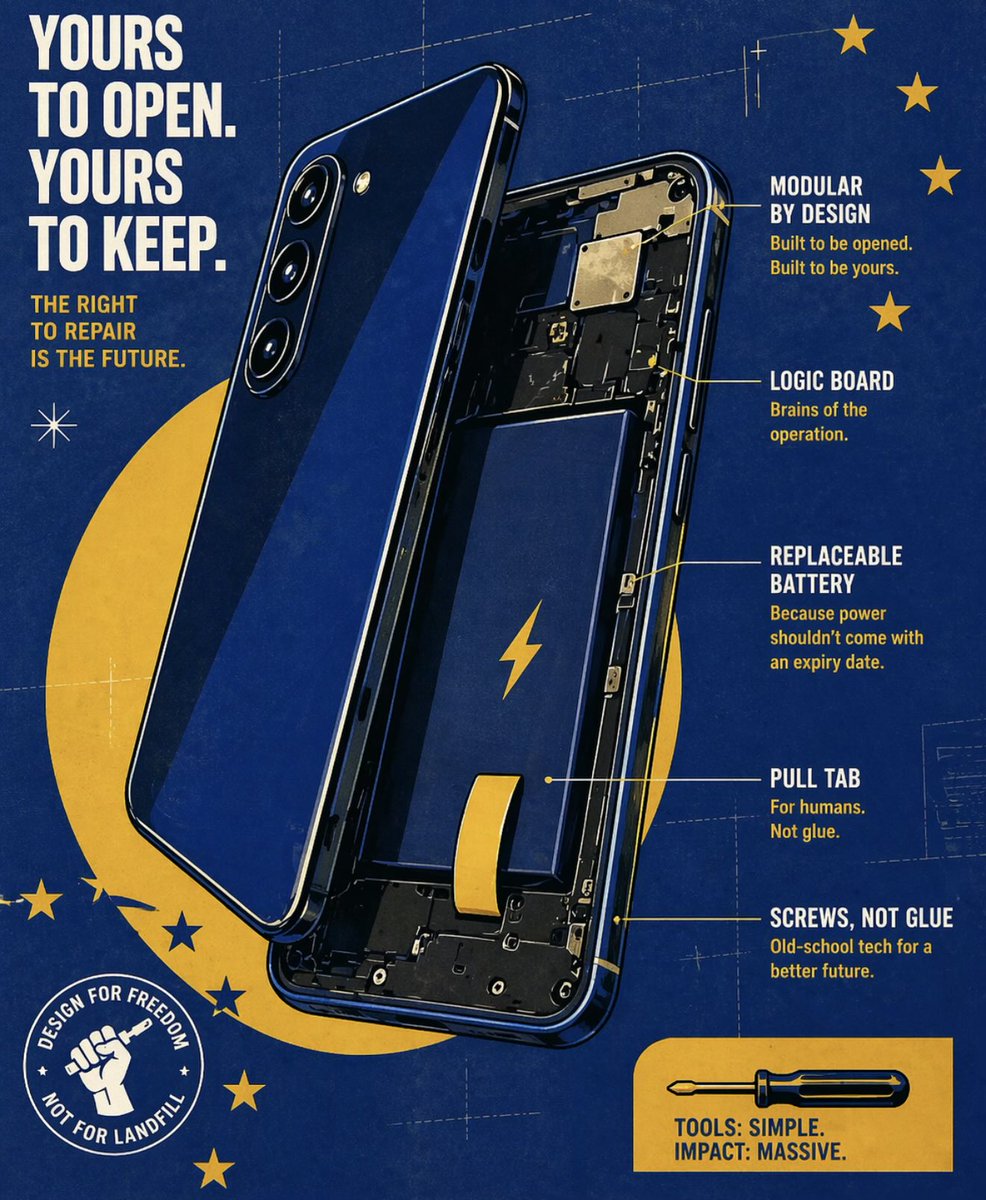
The EU just declared war on glued-in batteries.
From February 18, 2027, every smartphone and tablet sold in Europe must have a battery you can swap yourself. No heat gun. No solvents. Just normal tools any person can buy. Article 11 of the EU Batteries Regulation makes it law.
There’s a loophole, naturally. Phones that clear certain waterproofing and battery longevity thresholds can skip end-user replaceability, as long as a professional can still do it. Apple’s lawyers are already reading that sentence very carefully.
Samsung may actually be ahead of the curve. Recent Galaxy models already use pull-tab adhesives, which could put them close to compliant without a redesign.
The era of “sorry, that’s not a serviceable part” is ending. In Europe, at least.
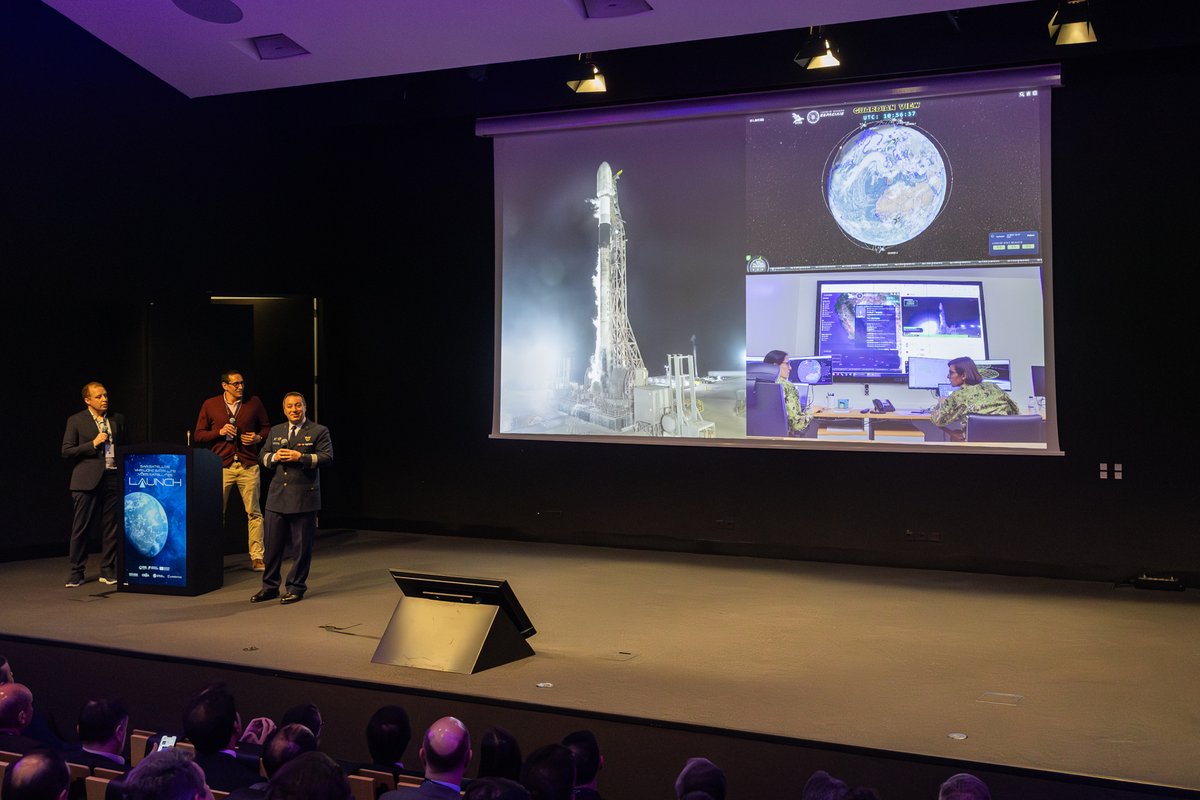
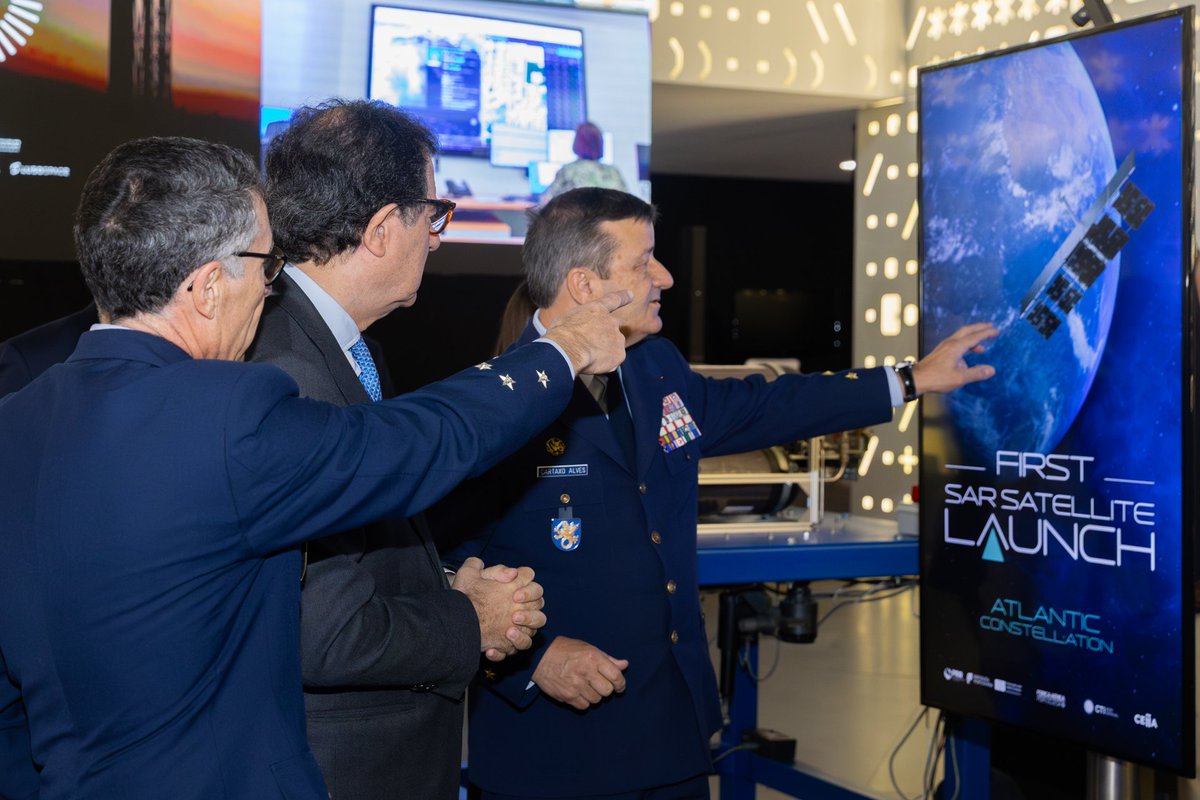
A #ForçaAérea assinala um marco decisivo com a cerimónia de lançamento de satélites, que se realizou hoje no Pavilhão do Conhecimento.
O #satélite#CA01, primeiro com tecnologia radar da Constelação Atlântico, permitirá observar a Terra em qualquer condição meteorológica.
BREAKING: EUROPE IS BACK IN THE AI RACE.
A 3-year-old French startup just raised $830 MILLION to build the largest AI campus on the continent.
13,800 Nvidia chips. A campus powered by nuclear energy. And a $56 billion price tag.
While America fights over tariffs and China hoards chips, Europe just made its move.
And nobody is paying attention...
Mistral AI was founded in 2023 by three researchers who left DeepMind and Meta.
Arthur Mensch. Timothée Lacroix. Guillaume Lample.
Three guys who decided Europe shouldn't have to rent its intelligence from Silicon Valley.
In three years, they've raised over $4 billion across multiple rounds.
Their September 2025 Series C alone was €1.7 billion.
Led by ASML, the Dutch company that makes the machines that make every advanced chip on the planet.
ASML took an 11% stake at an €11.7 billion valuation.
Read that again.
The company that controls the bottleneck of global semiconductor manufacturing just bet over a billion euros on a French AI startup.
That's not a vanity check. That's a strategic signal.
Now the $830 million in debt financing announced this week is earmarked for one thing: infrastructure.
13,800 Nvidia chips, likely Blackwell GPUs.
A massive data center campus near Paris.
Part of a broader 1.4 gigawatt project that, when fully built, would be Europe's largest AI campus.
Total investment could reach €30 to €50 billion.
Groundbreaking is planned for the second half of 2026.
First operations by 2028.
Partners include Nvidia, Bpifrance (France's sovereign investment bank), MGX (a UAE sovereign fund), Bouygues, EDF Group, and École Polytechnique.
This isn't a startup building a product in a garage.
This is a geopolitical infrastructure project disguised as a company.
And here's what makes it different from every other AI fundraise you've seen:
Nuclear power.
France generates roughly 70% of its electricity from nuclear energy.
AI data centers are the most power-hungry buildings on earth.
Nvidia's next-gen chips consume more watts per rack than entire office buildings.
In the U.S., companies are scrambling to secure power. Amazon is buying nuclear plants. Microsoft signed a deal to restart Three Mile Island.
France already has the grid.
While American AI companies fight over energy contracts and face community opposition to new natural gas plants, Mistral is plugging into a national nuclear infrastructure that already exists.
Low carbon. Reliable. Scalable.
That's not a small advantage. That's a structural one.
Now let's talk about what Mistral actually builds.
Their models compete directly with OpenAI, Anthropic, and Google.
Mistral Large 2 rivals GPT-4o in benchmarks.
Their Mistral 3 family launched in December 2025.
Revenue is projected to exceed $100 million annually.
And unlike most American AI companies, Mistral's approach is open-weight.
That means their models can be downloaded, modified, and deployed by enterprises without sending data to a third party.
For European companies worried about data sovereignty, that matters enormously.
GDPR. Data residency requirements. Regulatory compliance.
European businesses can't always use American AI hosted on American servers governed by American law.
Mistral offers them an alternative that keeps data on European soil.
This is what "sovereign AI" actually means.
Not a buzzword. A business model built on regulatory reality.
And the timing couldn't be better.
The global AI chip market is projected to generate over $1 trillion in revenue through 2026.
Nvidia's CEO Jensen Huang has personally backed Mistral.
There are reports of potential chip supply pacts worth up to $100 billion, similar to the deals Nvidia struck with OpenAI and Oracle.
Meanwhile, U.S. export controls are tightening on China.
The EU is positioning itself as the third pole in the AI race.
Not by matching American spending dollar for dollar. That's impossible.
But by leveraging what Europe actually has: nuclear energy, regulatory frameworks that force data localization, world-class research talent, and now, a company willing to build the infrastructure.
Here's why this matters for investors:
The AI trade has been almost entirely an American story.
Nvidia. Microsoft. Google. Meta. Amazon.
Five companies capturing the majority of AI investment returns.
But the infrastructure buildout is global.
And the companies supplying that buildout, like ASML, are already European.
ASML's investment in Mistral isn't charity. It's vertical integration.
If Mistral succeeds, it creates massive demand for the advanced chips that only ASML's lithography machines can produce.
The AI supply chain doesn't start in Silicon Valley.
It starts in Veldhoven, Netherlands, where ASML builds the tools.
It runs through TSMC in Taiwan, where the chips get fabricated.
And now it's being deployed in France, where the power grid can actually handle the load.
Investors who only look at American AI companies are seeing half the picture.
The other half is being built in Europe right now.
Quietly. Methodically. With nuclear reactors and sovereign capital.
Mistral raised $830 million this week.
Most people scrolled past the headline.
But the smartest money in Europe, sovereign wealth funds, national investment banks, the company that literally makes chip manufacturing possible, they all wrote checks.
When the institutions that understand the AI supply chain better than anyone are betting on European infrastructure, that's not a feel-good story about innovation.
That's a signal about where the next decade of value creation is heading.
The AI race isn't one country's to win.
It's infrastructure's to win.
And the investors who build systematic exposure to that infrastructure, wherever it's being built, are the ones who capture the upside.
Not by guessing which company wins.
By building a system that doesn't miss the trend.
Seguro exigiu aos partidos que indicassem apenas uma pessoa para audiências e está a ter conversas a sós. Livre é exceção por ter dois líderes. Motivação será controlo de fugas de informação.
#AntónioJoséSeguro#partidos#Belém#PresidenteDaRepública
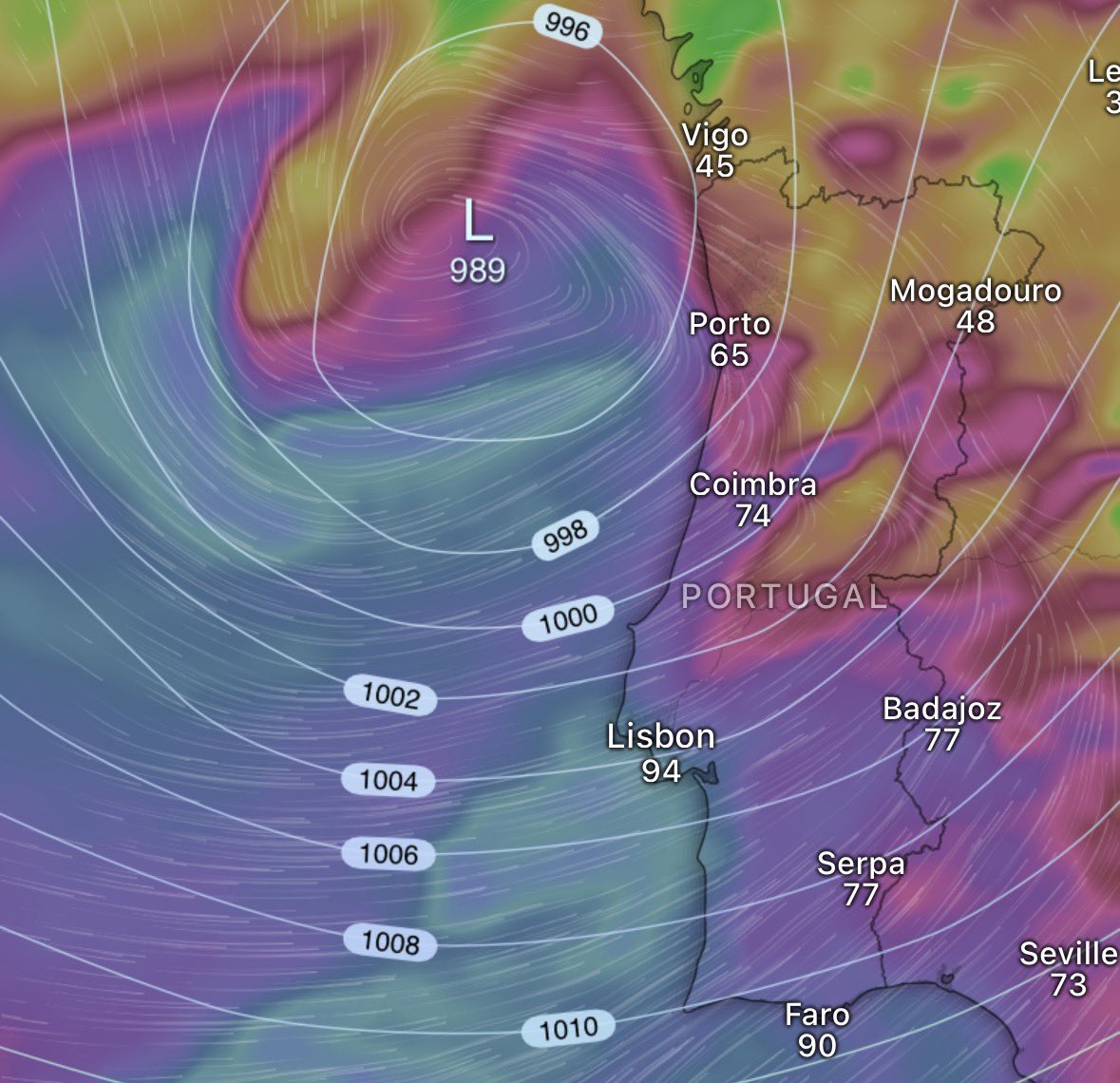
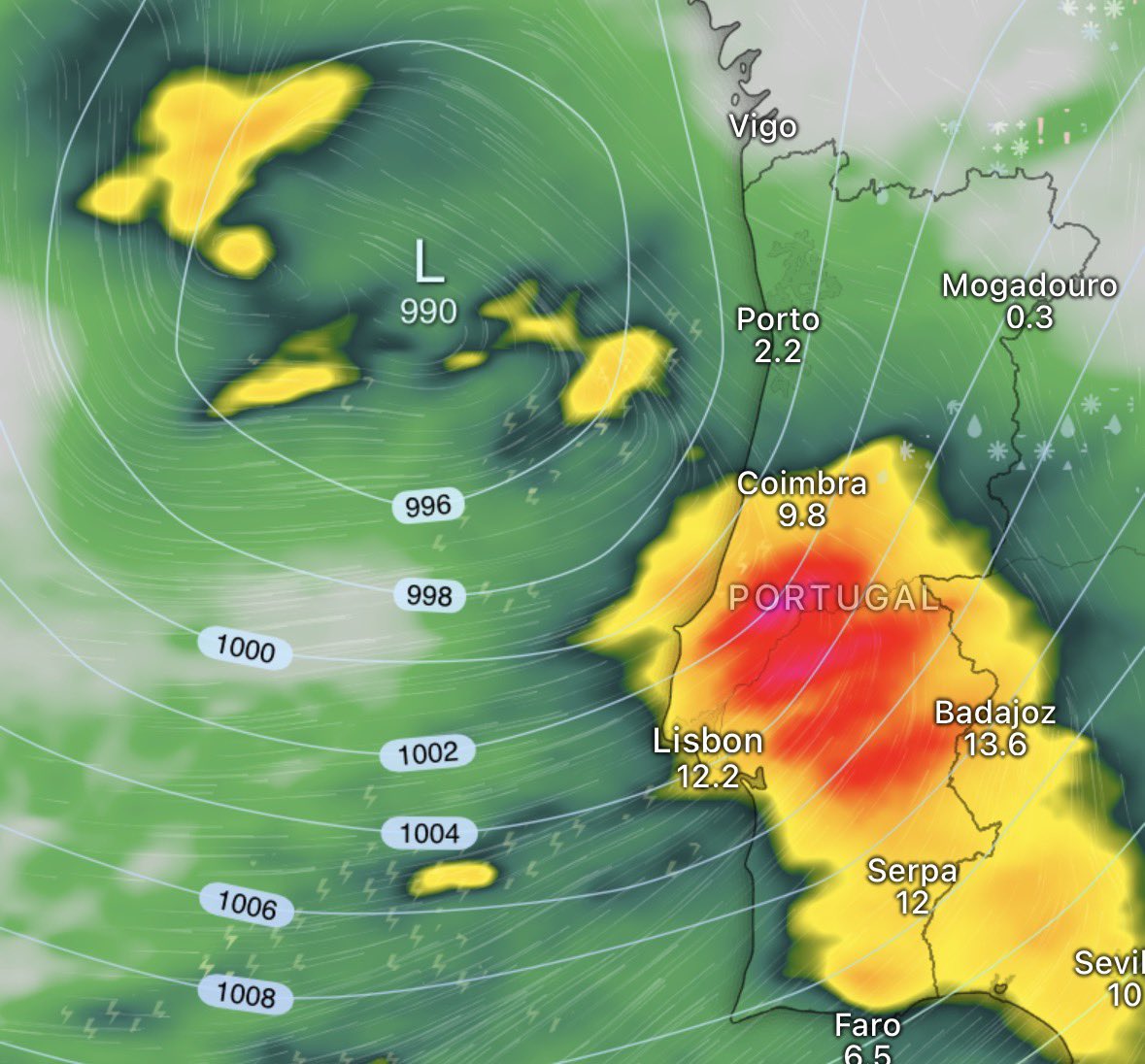
⚠️ ATTENTION: Do not underestimate Storm #Marta!
The Portuguese people are not being sufficiently warned about what’s coming. Recent model guidance has been adjusting to newer data and I expect Marta to continue intensifying up until landfall tomorrow.
NOTE: I don’t expect this storm to be as severe as Kristin, but a storm doesn’t need to be historic to be dangerous. As most of you know, Portugal and Spain remain in a very critical situation with severe flooding unfolding. Marta will not only bring widespread *heavy* rain but the continued intensification suggests a risk of very strong winds.
It’s still unclear exactly what areas will be affected by the worst winds, but it’s reasonable to expect the strongest gusts across central and southern Portugal and also in parts of the north, especially wherever the center of the storm makes landfall. There is a possibility of particularly strong winds in excess of 120-130 km/h near the core of the storm.
Trees and power lines will be more prone to fall with soils continuing to be deeply saturated.
In summary:
Please prepare for widespread disruptive winds and further heavy rainfall exacerbating the ongoing flood crisis.
Thank you for reading and be sure to share this information! The more people that know what’s coming, the better.