The central joke in Kafka’s work is that “[t]he horrific struggle to establish a human self results in a self whose humanity is inseparable from that horrific struggle. That our endless and impossible journey toward home is in fact our home.”
—David Foster Wallace
"People only need me when they're down and gone to seed [...]
It's appreciation half won.
And they hate their allegiance to hip preacher one."
–Hip Priest
#FallFriday#TheFall
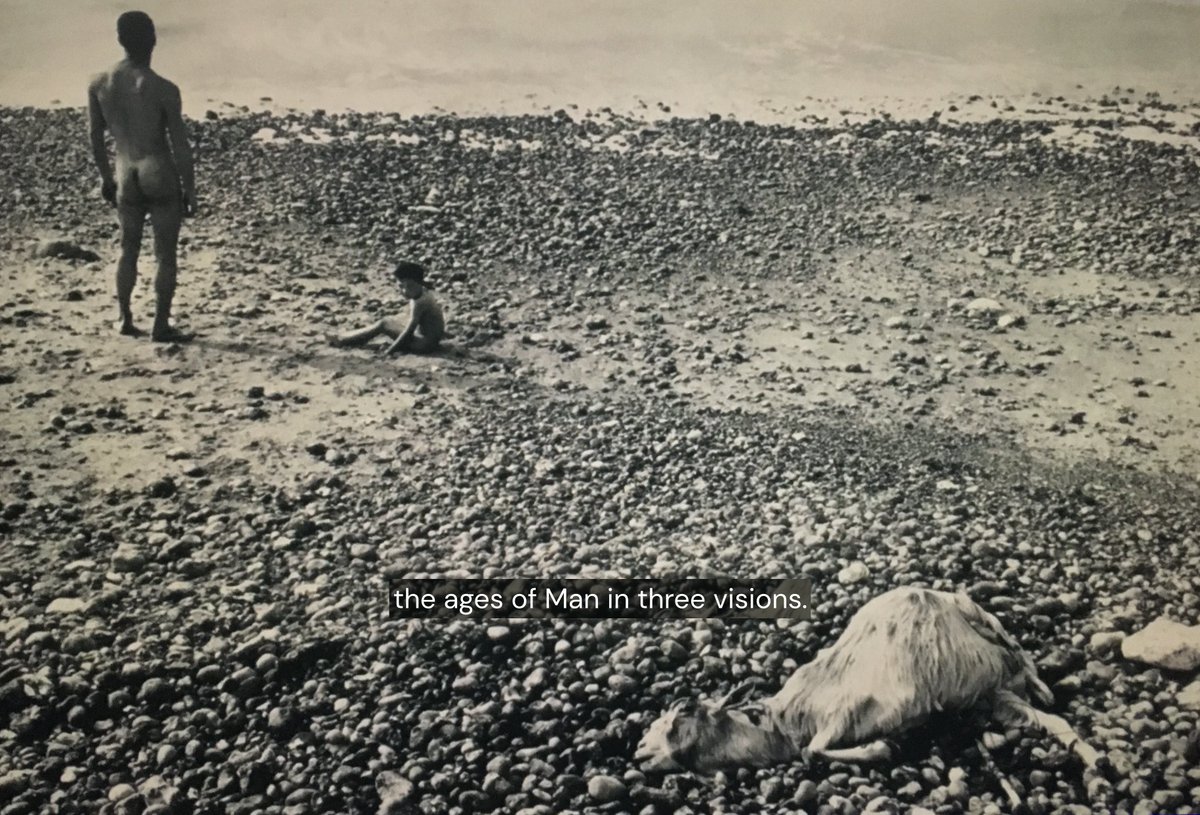
"She passed through strange dead cities where, rather than petrified shapes, mummified circumstances, she found a necropolis of movements, silences, voids; she hurled herself against the extraordinary sonority of nothingness..."
Scratches… after Leiris… a disappearance… and a love like shrapnel lodged in flesh…
Blanchot’s ‘The Writing of the Disaster’ meets Ballard’s ‘The Atrocity Exhibition’ …
I once said to Keith Levene that his guitar work on PIL's 'Theme' (First Issue) deserved a better lyric than the one Lydon came up with... I suggested a Paul Celan poem, spoken, not sung... He gave me that intense stare, as if to say "Are you serious?" I definitely was...
At art school, Kiefer was my route to Paul Celan...
While trying to decipher those weird word scratches on gigantic monuments to eternity, I stumbled into Death Fugue...
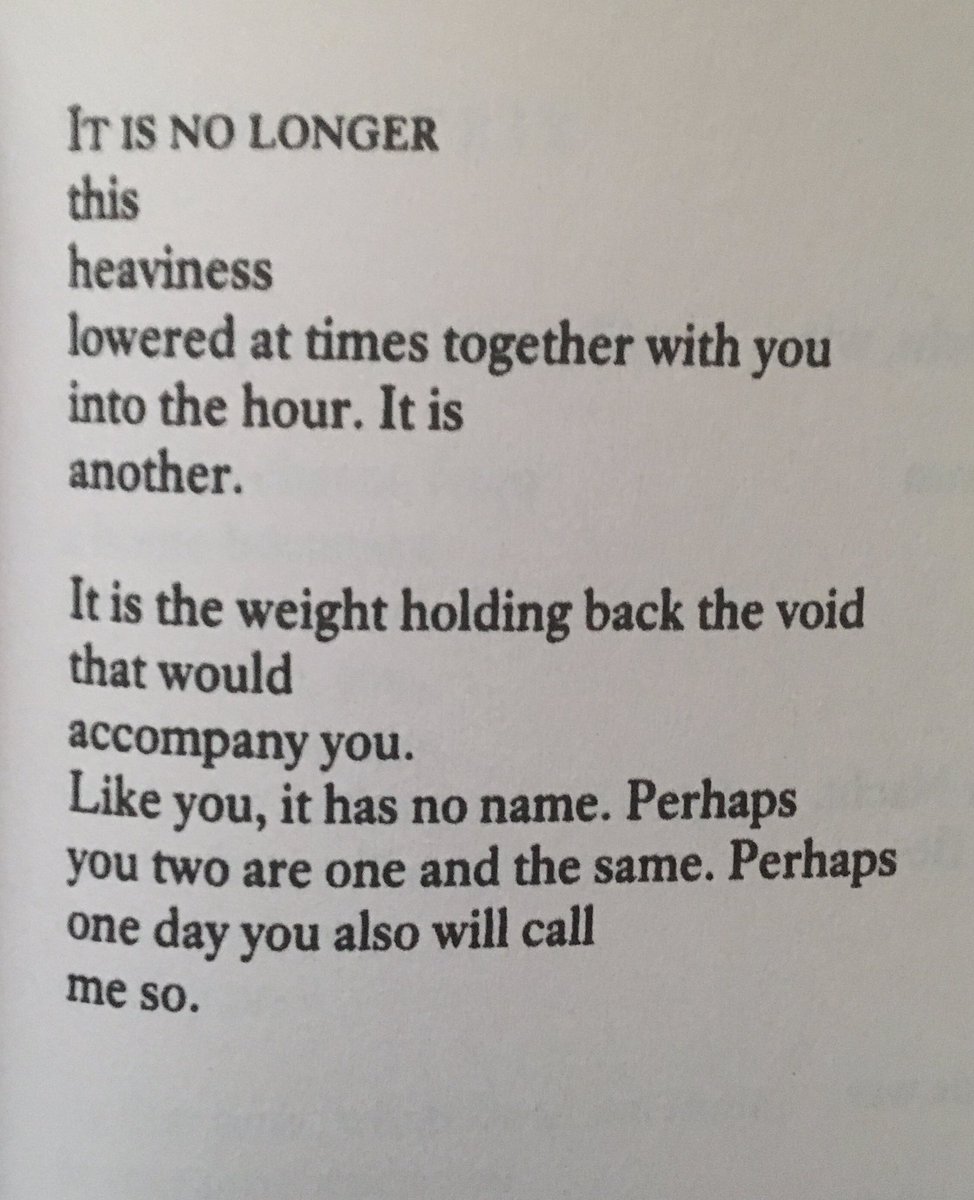
"your golden hair Margarete
your ashen hair Shulamit"
The cat section in Thomas The Obscure possibly as good an illustration of Blanchot’s application/interpretation of ‘Kafkaesque’ as you’ll read in such a tight space... death, death’s absence, erasure, forgetting, transformation...
RIP Mr Keith Levene. Devastating news. One of the most creative people I ever knew. He was like an ideas machine that never turned off, and supreme musician as he was, it wasn't just about music. An artist in the truest sense. Sending love to Kate, and sister Jill.
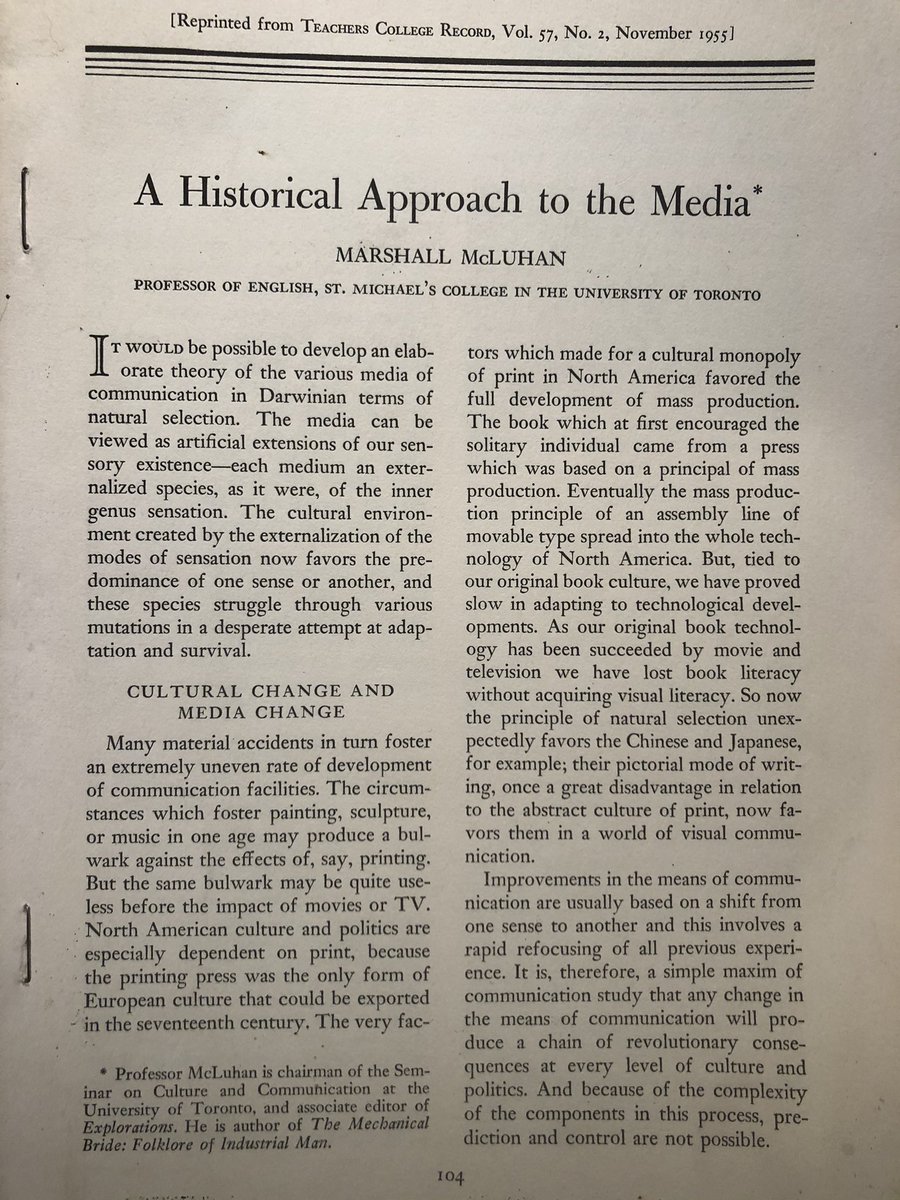
“And until we understand that the forms projected at us by our technology are greatly more informative than the verbal messages they convey we are going to go on being helpless illiterates in a world we made ourselves.”
Marshall McLuhan
‘A Historical Approach to the Media’
1955








![tonyedd_'s tweet photo. "People only need me when they're down and gone to seed [...]
It's appreciation half won.
And they hate their allegiance to hip preacher one."
–Hip Priest
#FallFriday #TheFall https://t.co/4IM6IBP8qN](https://pbs.twimg.com/media/FlOCG5RXEAAR8-O.jpg)