Aso-Oke is a short form of Aso Ilu Oke, also known as Aso-Ofi, meaning clothes from the up-country. It is the traditional wear of the Yoruba and is worn on special occasions, usually for chieftancy, festivals, engagement, naming ceremony and other important events.
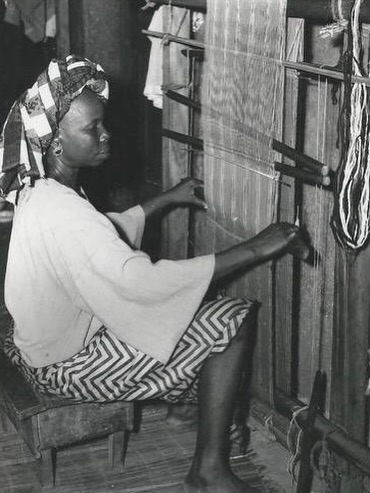
The cloth weaving started centuries ago amongst the Yoruba but predominantly amongst the Iseyin’s (Oyo State), Ede (Osun State) and Okene (Kogi State). The fibres used for weaving are either locally sourced or brought from neighbouring states in the Northern parts of the country. Women were exclusively responsible for harvesting, ginning, and manually spinning cotton, as well as extracting natural dyes from indigo and camwood. And while the men traditionally used horizontal narrow-strip looms, the women worked with vertical looms (òfo) to create broader single-panel cloths.
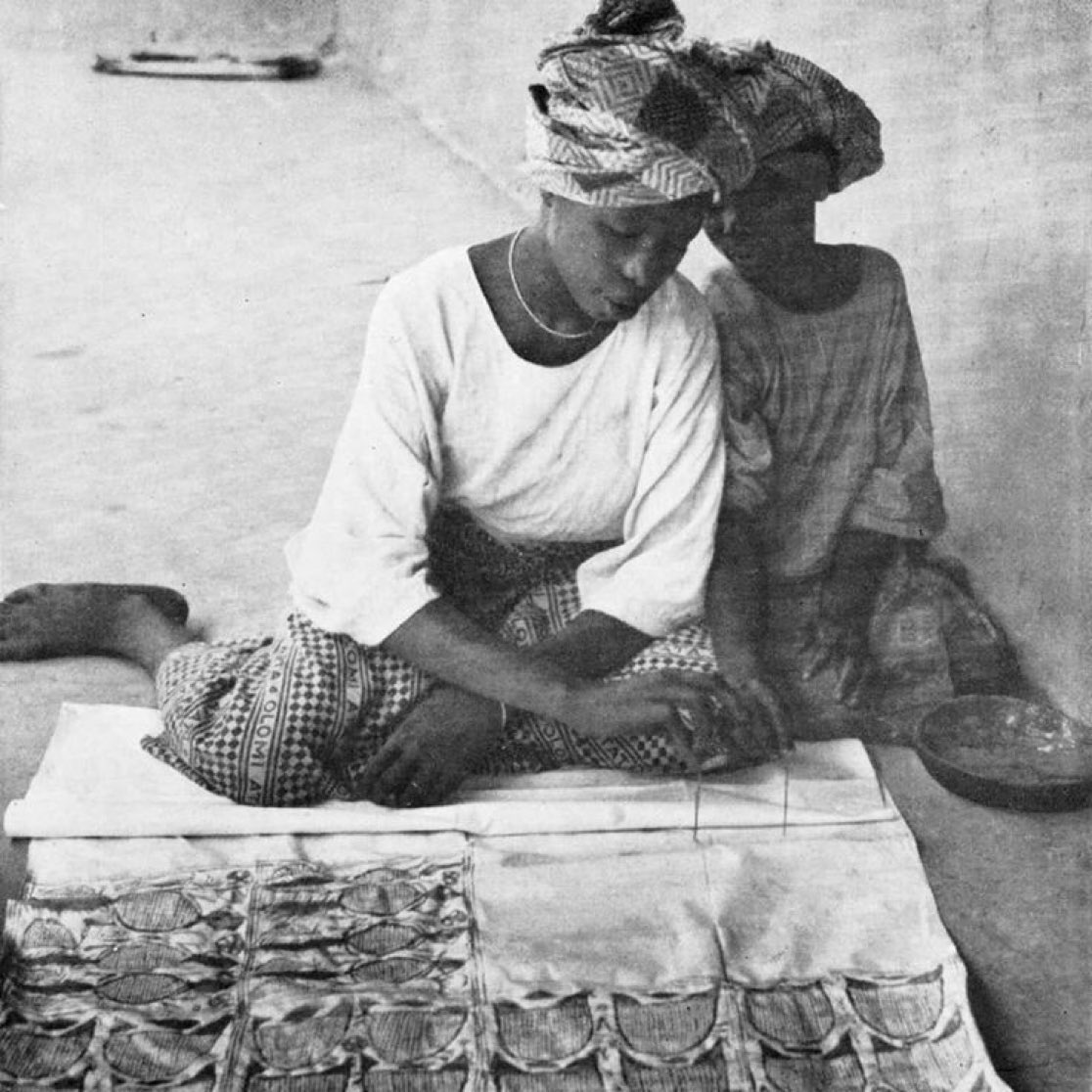
Aso oke cloth is decorated with elaborate patterns created by dyeing strands of fabric and weaving them into strips. These strips of cloth are sewn together to form larger pieces. Some Aso oke cloth, called “prestige cloth,” has a lace-like appearance with intricate open patterns.
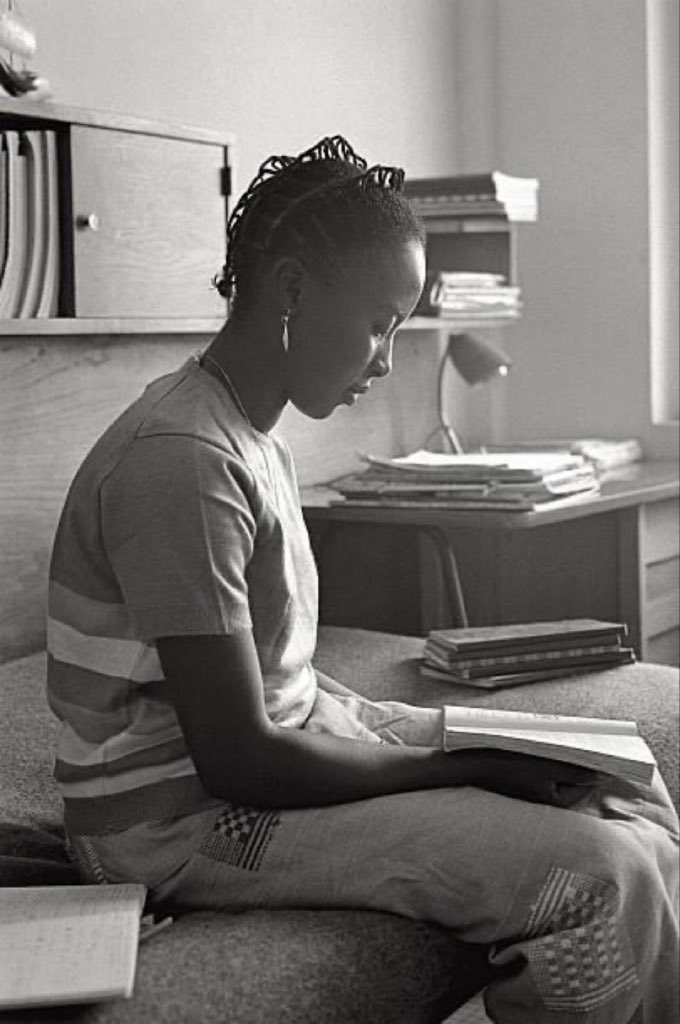
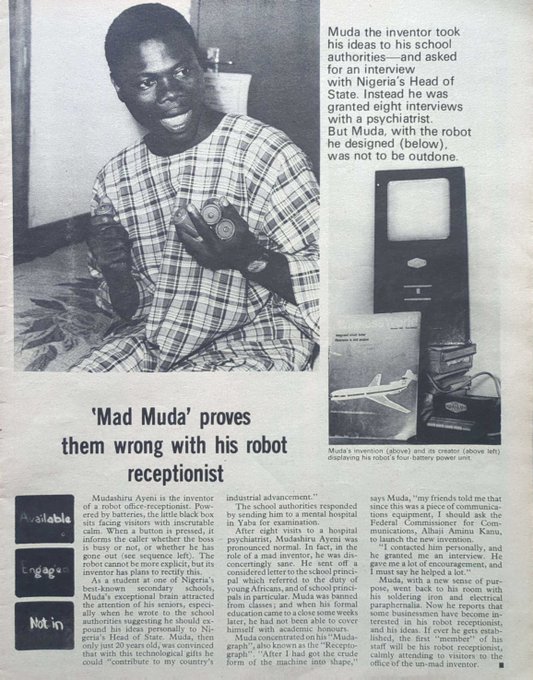
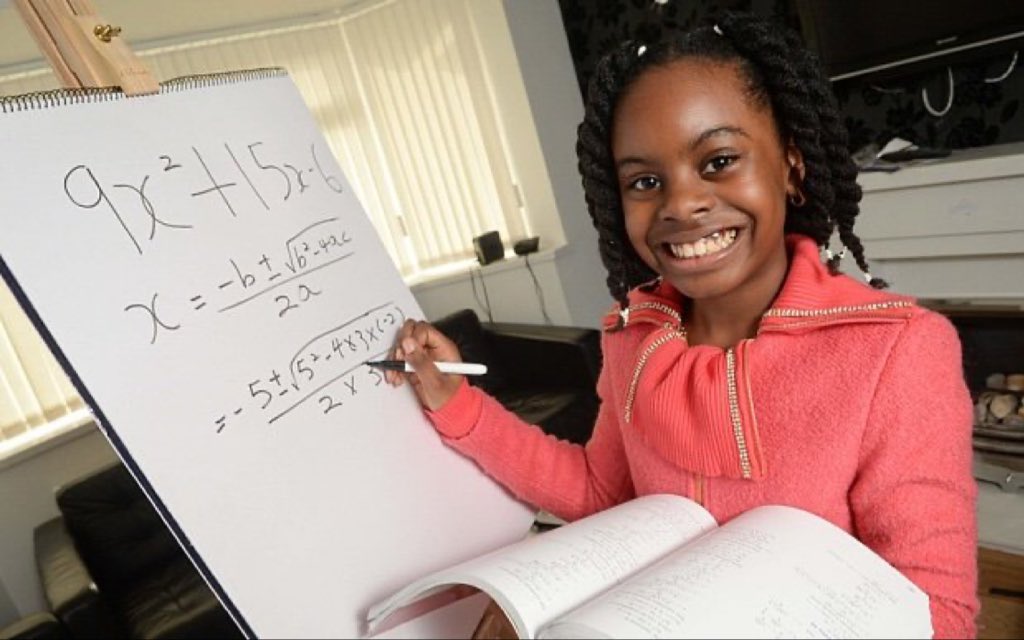
A 20-year-old Yoruba student in Nigeria invented an AI office assistant in 1972 and asked to personally demonstrate it to the head of state.
He was sent to a psychiatrist instead, banned from classes and forced to quit school entirely.
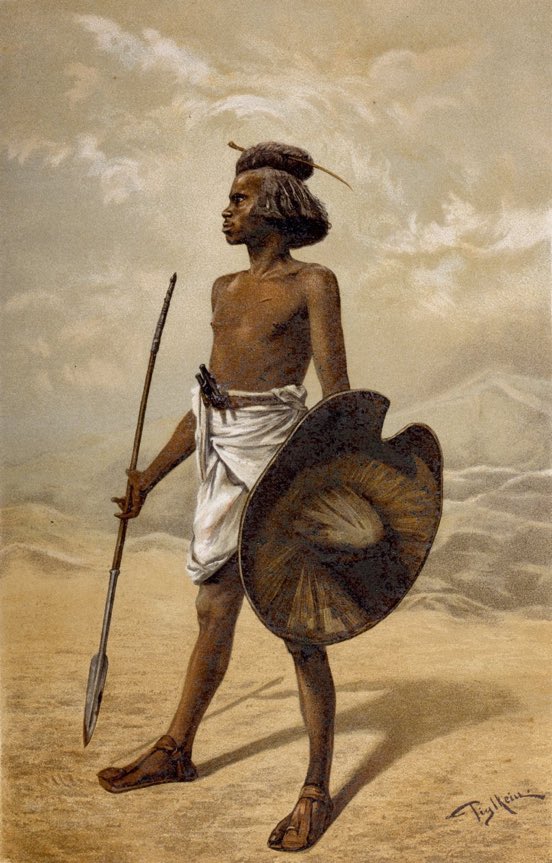
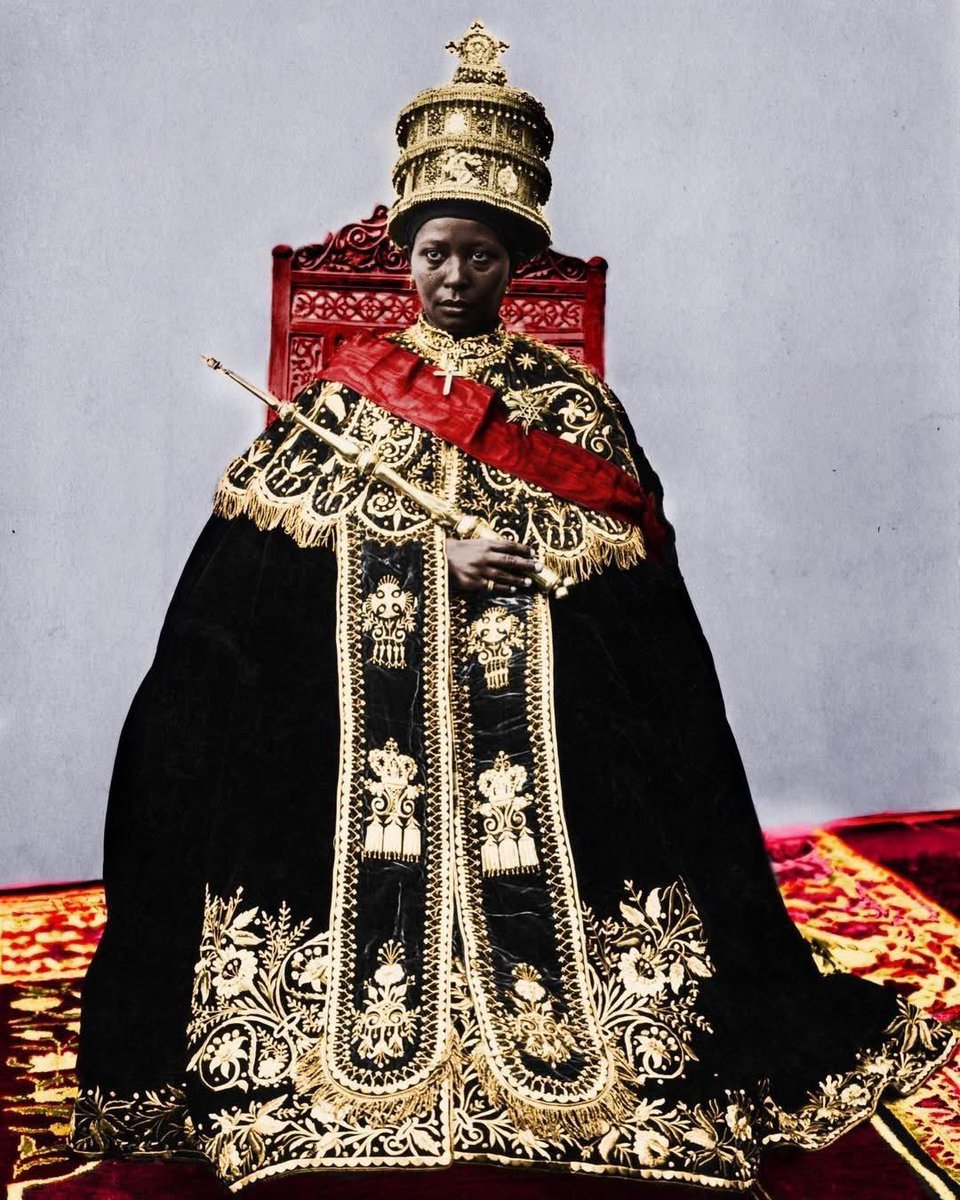
Empress Zewditu of Ethiopia: A Queen of Strength and Legacy 🇪🇹
Daughter of Emperor Menelik II, Zewditu rose to the throne in 1916, becoming one of Ethiopia’s most powerful female rulers.
Crowned Queen of Kings in 1917, she continued her father’s legacy when leadership was often reserved for men.
Her reign reminds us that African history is rich with powerful women who led with resilience and grace.
Amalgamation Day, 1st January 1914 ,Lagos Marina, the Birth of a Colonial Union.
This scene captures Lagos Marina at a defining moment in Nigeria’s history. On 1st January 1914, the British colonial administration under Lord Frederick Lugard formally merged the Northern and Southern Protectorates of Nigeria, creating what we now know as a single entity, Nigeria.
Lagos Marina, during this era, was a corridor of power, lined with government offices, trading posts, and transport routes that shaped the early structure of modern Nigeria.
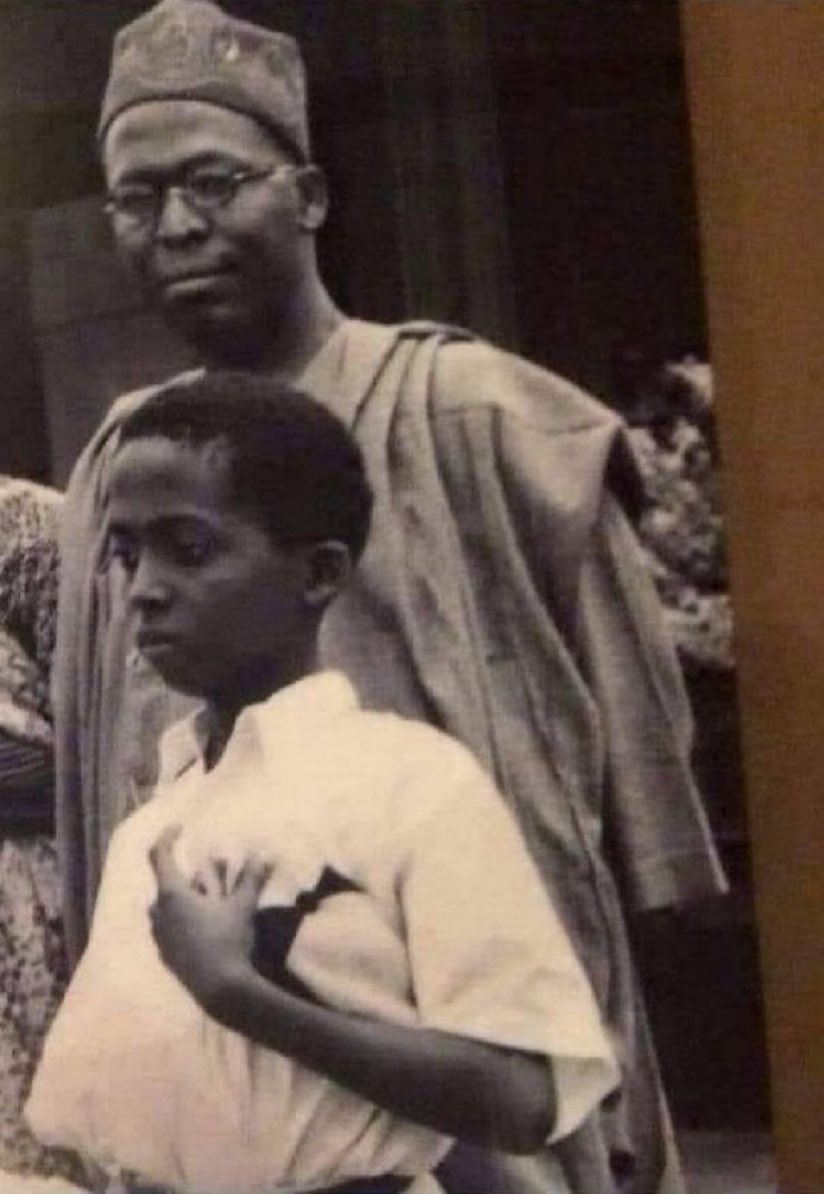
Obafemi Awolowo Was so serious with Nigeria’s Education to the extent that After he introduced free education in Western Nigeria, he escorted his first son to the nearest public school to make an example.
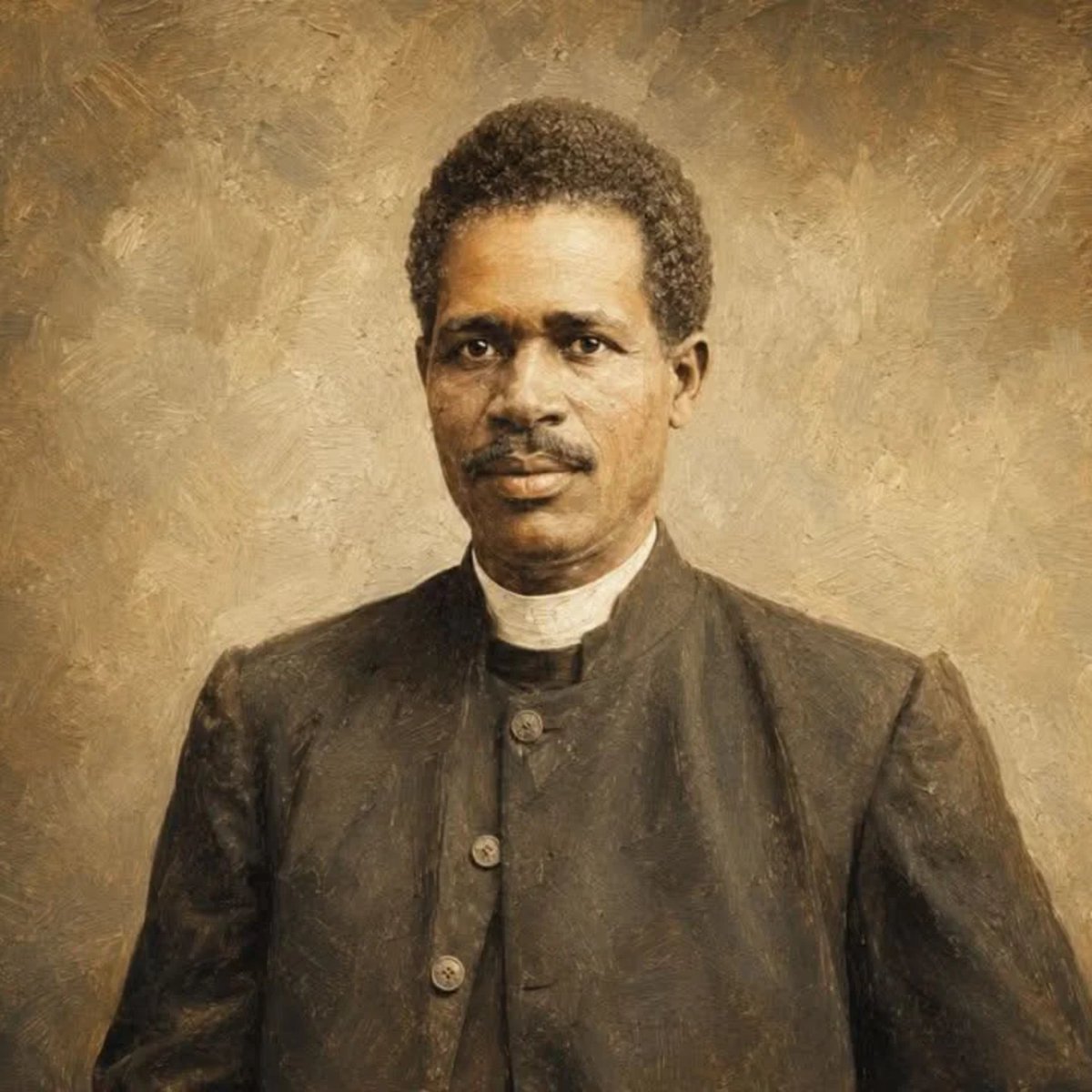
Reverend (later Canon) Josiah Jesse Likoye Ransome-Kuti was the first Nigerian to release a record album after he recorded many hymns (in the Yoruba language) on a gramophone through Zonophone Records, London, in 1925. This album can still be found in the British Museum.
Reverend J.J Ransome-Kuti, who died on September 4, 1930, at 75, was the grandfather of Afrobeat legend Fela Kuti and the great-grandfather of Nobel laureate Wole Soyinka.
"Our Mission: Islamic Republic of Nigeria — el-Zakzaky" — Citizen, 1991
"Malam Mukhtar, son of Nigeria's first prime minister, does not subscribe to el-Zakzaky's method. 'Establishing an Islamic state,' he said, 'is neither realistic nor possible right now. An Islamic Revolution can't happen overnight.' He listed patience, integrity, love and piety as the qualities the movement needed to develop before it could hope to succeed.
"But for el-Zakzaky's doing that doesn't necessarily mean sitting down to fold his arms. 'It is not our business whether it happens in our life or that of our children or grandchildren. Our business is to do our part. Victory is with Allah, and He brings it when He decides. But as long as we live, we shall continue the struggle.'
"Malam Muhammad Turi, himself a highly articulate graduate of accounting, said being an Islamic state was nothing new to Nigeria. 'Less than 200 years ago,' he said, 'Nigeria was an Islamic state. It shall happen again in the future.'
"Malam Hussein Abubakar, an el-Zakzaky lieutenant in Bauchi, said, 'Our goal is to establish an Islamic state or perish in the attempt.'
"Yet, though admiration for an Islamic state is strong among all the members of the Islamic movement, the strategy for achieving it is not as clear-cut. According to el-Zakzaky, the way is to continue 'doing our duty' which is preaching the truth, according to the dictum of the Qurani method of 'enjoining good and forbidding evil.'
"The question to ask now is, 'What now?' Is el-Zakzaky the man they say he is, or is he the nation's slow march towards an Islamic Republic of Nigeria? Only time will tell."
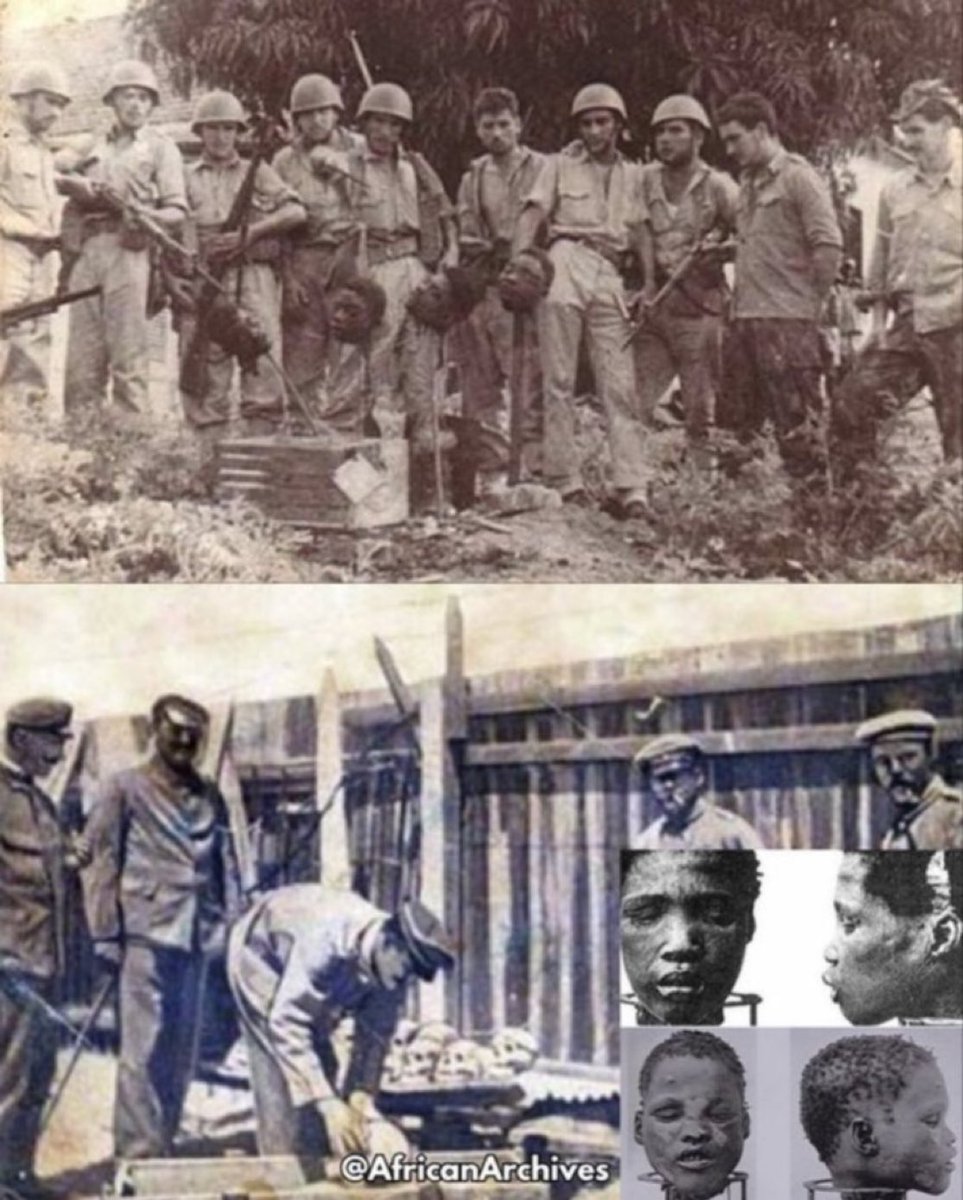
An enslaved African is hung alive by the ribs to a gallows above skulls of beheaded slaves on posts, Dutch Suriname, 1773.
An incision was made in the victim's ribs, and a hook was placed in the hole. In this case, the victim stayed alive for three days.