(1/11) Excited to share the brand-new cell division preprint from the lab!
In this manuscript, chemical biology (in a collaboration with @rnett42 Ryan’s lab) meets the cell biology (our lab).
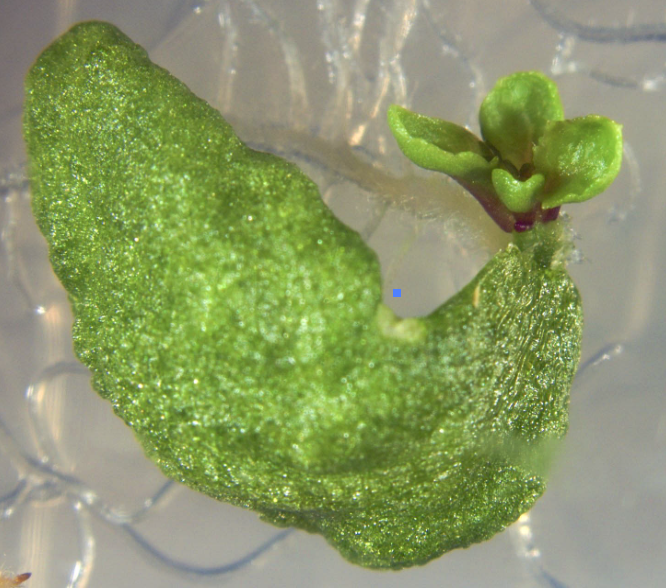
Harmala alkaloids regulate cell division planes in plants
https://t.co/u9P8Y9fhrk
We have been cooking up this story for a while and we are excited to finally be able to share!
Read on if you're interested in whole plant regeneration WITHOUT the application of hormones!
Introducing Chromnitron, a multimodal transformer that learns and predicts genome-wide binding landscape for hundreds of DNA-binding proteins across cell types. We envision it as a platform for accelerating genomics research and biological discovery!
New Article: "GhZAT11 triggers wound-activated bud growth by accelerating sugar transport and cell division" https://t.co/JLU5PaTvXe
A simple cut can wake up a dormant plant. Paper shows how a wound instructs buds to resume cell division & sugar transport, making them sprout.
The Research Grants Council announced yesterday (July 10) the funding results of the Areas of Excellence (#AoE) Scheme and the Theme-based Research Scheme (#TRS) 2025/26. Four research projects led by #CUHK have been awarded over HK$220 million in total funding. Two out of three AoE projects have been awarded to CUHK, resulting to the largest share of funding amount in this exercise.
Projects funded under the AoE Scheme:
📌Centre for Plant Vacuole Biology and Biotechnology | Led by Professor Jiang Liwen
📌Optimizing Early Childhood Development of Children from Low-Resource Settings by Leveraging Technology and Biological Data | Led by Professor Patrick Wong Chun-man
Projects funded under the TRS:
📌Next Generation EDA | Led by Professor Young Fung-yu
📌Sleep and Circadian Rhythm: Potential Window for Prevention of Mental Disorders in Adolescents | Led by Professor Wing Yun-kwok
Details: https://t.co/aNzRM93KC4
#CUHK #TheChineseUniversityofHongKong #CUHKResearch #ResearchExcellence #researchfunding #RGC
Our new review: How plants regulate autophagy under energy stress. SnRK1 & TOR balance homeostasis, with FCS-like zinc finger proteins acting as key regulators. Our work reveals plant-specific stress-metabolism crosstalk. https://t.co/dqiySXsjKR
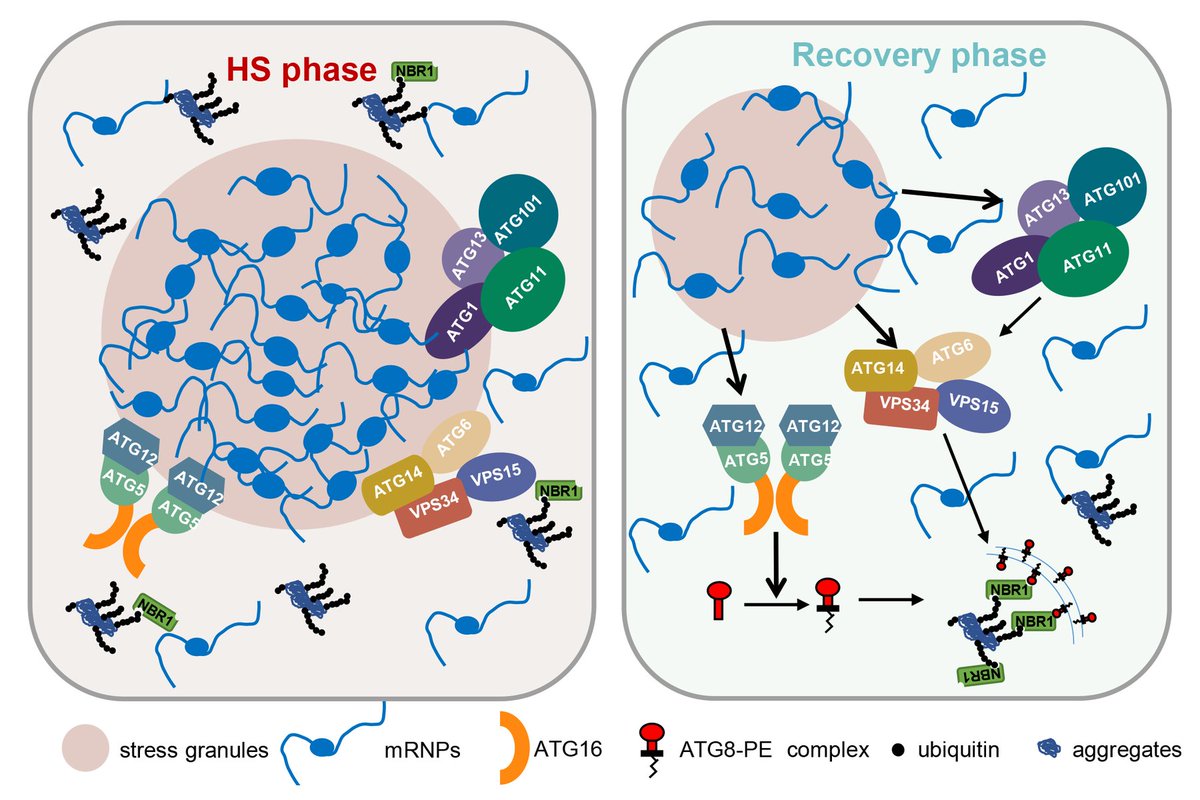
Our studies on how autophagy-related proteins are protected by stress granules in plants under heat stress have been published in #NatureCommunications. https://t.co/qp7cRHPCkF
Our latest study presents open access RNA-seq data from cell lines from 731 people from 26 globally diverse populations, addressing a persistent ancestry bias in our field. We hope this resource enables more equitable advances in personalized medicine. https://t.co/nDRpSX0lKL
A reference-grade genome of the xerophyte Ammopiptanthus mongolicus sheds light on its evolution history in legumes and drought tolerance mechanisms #research#PlantCommunications https://t.co/dl1inZESJ6
T2T Nanopore Ultra-Long Workshop presentations now available online. Latest insides on ultra long @nanopore sequencing 🌱 🐿️ and more https://t.co/oeRlYaWBaZ
We’re excited to share our #ABACUS2 paper, where we describe a new FRET #biosensor for the #plant#hormone#AbscisicAcid#ABA. ABACUS2 allows us to visualise ABA patterns, in plants, and show how #phloem ABA allows roots to keep growing at low humidity. https://t.co/06hEawlEA7
I newly have a book contract with OUP (on molecular basis of plant development/plasticity)! Today I made my 1st figure, for the leaf chapter. I drew this on my iPad, using a software called ProCreate - so fun! And this also serves as a pre-pre-advertisement for the book ;-)