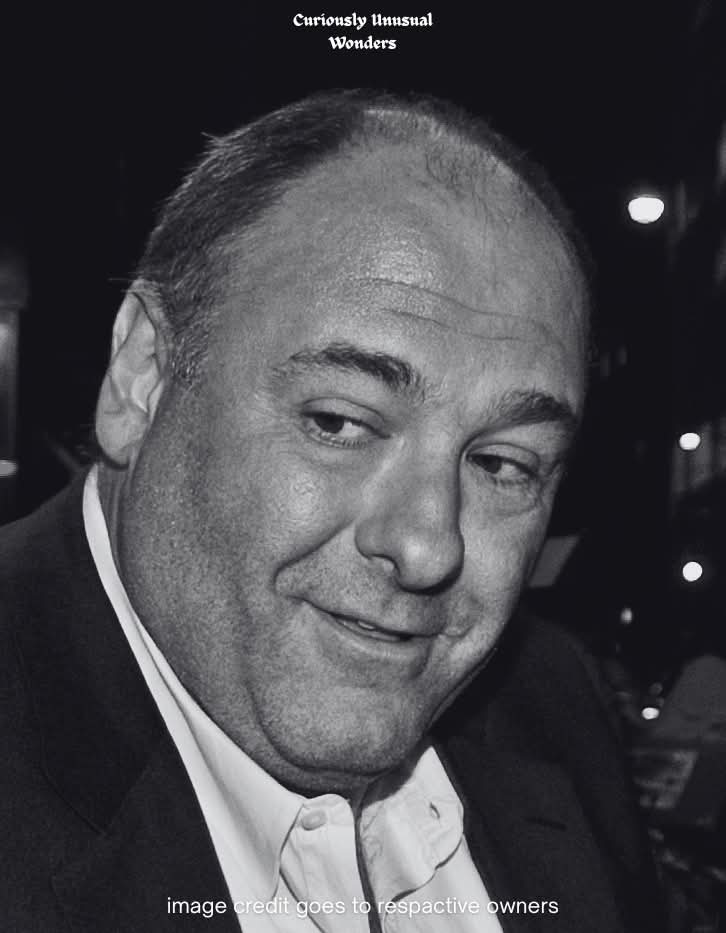
By Season 4 of The Sopranos, Gandolfini was earning $400,000 per episode. HBO wanted Season 5 on the fast track, and the offer was staggering: roughly $1 million per episode across 13 episodes. Agents celebrated. Lawyers drafted. But something stopped him cold.
His co-stars were earning a fraction of what he made. Edie Falco, the woman who carried every scene as Carmela Soprano, wasn't close. The supporting cast earned even less. Gandolfini looked at his contract and saw something executives didn't want him to see — a gap that felt deeply unfair.
So he did something that shocked Hollywood. He walked away.
Production stalled in early 2003. HBO filed a lawsuit seeking around $100 million in damages. Headlines called him difficult. Columnists called him unstable. "They think I'm a wild animal," he reportedly told a friend that spring. The easy move would have been to sign, cash the check, and disappear into Tony Soprano's shadow — the character who made him a household name and quietly trapped him inside it.
Instead, Gandolfini made a different choice.
He eventually returned to the negotiating table and signed the deal. But what he did next became legend. Gandolfini reached into his own pocket and personally gave approximately $33,000 to each of 16 supporting cast members — roughly $500,000 of his own money — as a thank-you for standing by him during the shutdown.
No press release. No cameras. No announcement. Just quiet envelopes handed out privately.
Crew members remembered other moments too. Gandolfini would show up early at Silvercup Studios in Queens, sit in a folding chair, chain-smoke, and ask grips and lighting technicians about their kids by name. He remembered birthdays. He remembered losses. When a crew member's family member fell ill, he quietly helped with expenses. When writers pulled all-nighters rewriting scenes, he fought to protect their words on screen.
The turning point wasn't the signing. It was the pause — the refusal that cost him his reputation, invited a massive lawsuit, and risked killing the biggest show on television. He bet everything on a principle most people would have quietly swallowed.
Season 5 aired in 2004. Ratings climbed. Awards followed. Critics called it one of the greatest seasons of television ever made. But behind the numbers was a quieter truth: James Gandolfini used his leverage not just to lift himself — but to lift everyone standing beside him.
He played a man who ruled through fear on screen. Off screen, he led through loyalty.
When he died suddenly in 2013 at age 51, cast and crew members told the same stories over and over — not about his Emmy wins or his iconic performance, but about the envelopes, the folding chair, the questions about their kids. A legacy built not on what he earned, but on what he shared.
Power doesn't always roar. Sometimes it whispers through a quiet envelope, handed over with no cameras watching.
MAULA 263: La tele de los 90s. El gran Alejandro González se conecta desde Viña para un episodio maratónico dedicado a la tele basura chilena de los 90. https://t.co/XmqKMA3yHE
NUEVO MAULA! @donpatourzua y yo nos ponemos místicos y hablamos de el Tarot, su historia, su lugar en la cultura, sus usos en la cultura pop y finalizamos con una lectura a Pato. ¡No se lo pierdan!
https://t.co/h1WfGRsJRi
MAULA 256: Bad Bunny en el Super Tazón. Con @ignaciatare hablamos del show, de la previa, de las polémicas y de lo que dijo o quiso decir el artista con la puesta en escena. https://t.co/Vf3xCYfwCI
Nuevo Maula!!!! Esta vez es MEGA ESPECIAL: por fin nos pudimos juntar @VillalobosJara@donpatourzua y yo en este Maula Cumbre donde les hacemos recomendaciones de verano. Hay de todo para regodearse! https://t.co/rCV7vaQZxC
Y también lanzamos la campaña MICRÓFONOS PARA MAULA, para darles mejor sonido y poder hacer episodios los 3 al mismo tiempo. Pueden donar acá: https://t.co/vFzazr6Og4
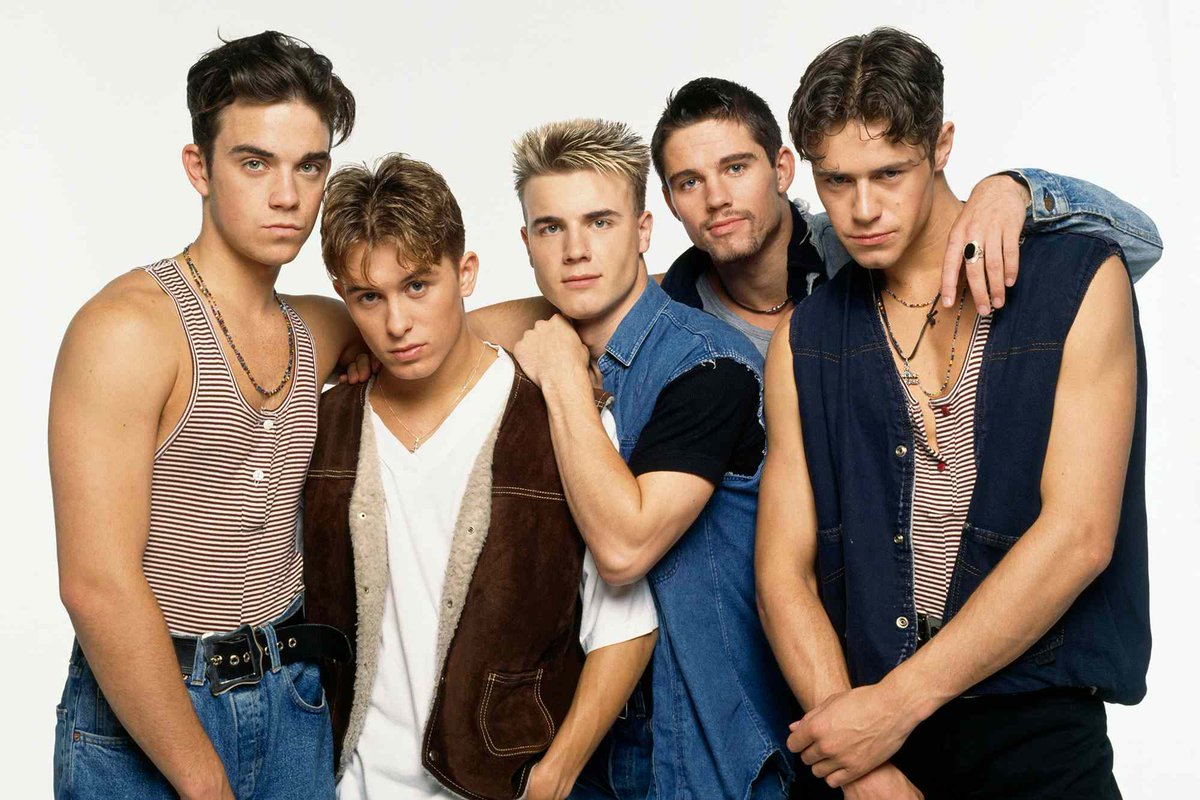
¡Nuevo MAULA! En un par nunca antes visto (o escuchado), nos juntamos con @donpatourzua a hablar de BOY BANDS, desde los grupos de barbería hasta la explosión del k-pop. Lo dimos todo! No se lo pierdan! https://t.co/Fwv02SlaLH
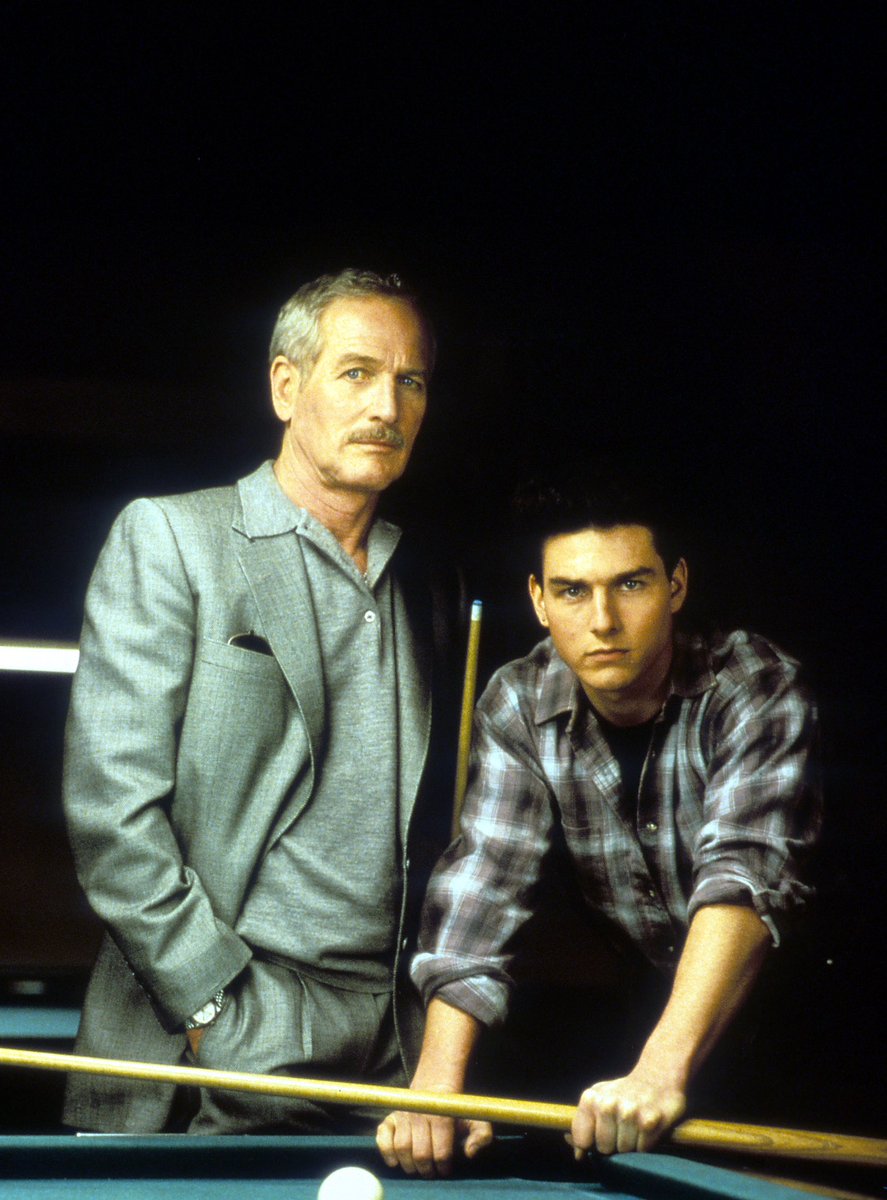
Nuevo MAULA!!! junto a @VillalobosJara hablamos de El color del dinero, película de Martin Scorsese de 1986, con un joven Tom Cruise y un señor Paul Newman. Pueden escuchar donde quiera que tengan sus podcasts y también en este link: https://t.co/V8x0Id76ij
MAULA 246: Con @ignaciatare nos juntamos a hablar de una película muy favorita nuestra, El color del dinero (1986), de Martin Scorsese. https://t.co/HiMoDTLpxf
El último capítulo de Maula con @ignaciatare está dedicado a Aka Charlie Sheen (Netflix), un documental sobre esos inolvidables meses del 2011 donde el actor se las arregló para perder su dignidad, su carrera y su familia #winning. https://t.co/KaOQkiOlk8