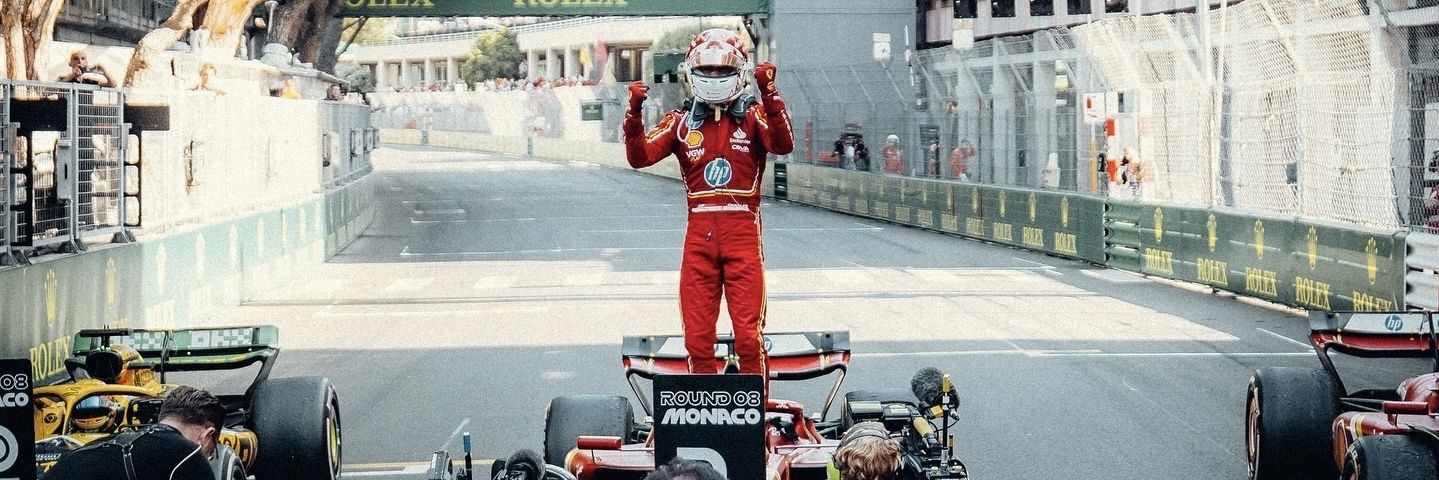
¡¡COMPLETAMENTE OFICIAL: NEYMAR SÍ FUE CONVOCADO POR CARLO ANCELOTTI Y ESTARÁ EN EL MUNDIAL 2026 CON LA SELECCIÓN DE BRASIL!!
El sueño se hizo realidad, señores y señores. Neymar Júnior SÍ fue incluido en la LISTA OFICIAL de la Selección de Brasil para el Mundial 2026. Después de casi 3 años de ausencia, el mejor mago brasileño de la generación volverá a ponerse la camiseta del scratch y lo hará para vivir un ÚLTIMO BAILE MUNDIALISTA. Carlo Ancelotti no lo podía dejar fuera. Carletto sabe que Ney sigue siendo un jugador capaz de cambiar un partido y, por eso, lo tendrá entre sus variantes durante la próxima Copa del Mundo.
Qué hermosa noticia para todos los que crecimos viendo la alegría y la osadía del crack paulista.
Neymar está de vuelta con la Selección de Brasil. Y sí, jugará un Mundial más.
HOY GANÓ EL FÚTBOL.
"You're a doctor, you should know."
Medicine has 12 specialties, thousands of conditions, and constantly updating research.
No. One. Person. Knows. Everything.
That's why referrals exist. Respect them.
Soy sinaloense.
Y no tienen idea lo que es ver cómo un político destruye tu estado…
ver cómo la economía de tu tierra se va al carajo,
cómo conocidos pierden la vida en manos del crimen,
cómo las calles se llenan de mantas de desaparecidos,
cómo gente que amas tiene que irse porque aquí ya no hay oportunidades.
Eso no se lee en noticias… se vive.
Hoy escribo este tuit entre lágrimas.
Porque días como hoy se sienten como una especie de justicia… amarga, pero necesaria.
Ojalá —de verdad— este sea el inicio del saneamiento de mi Sinaloa.
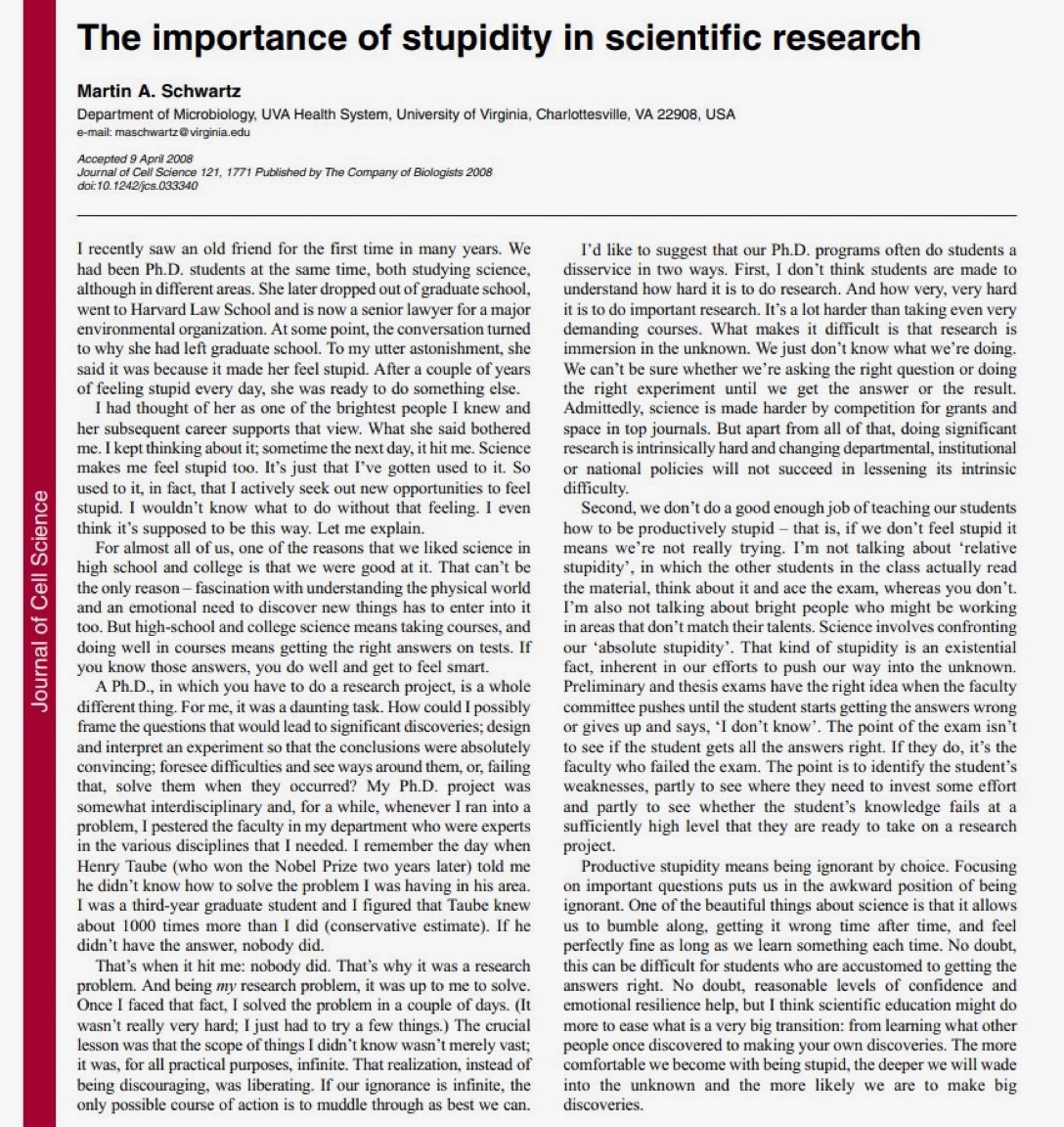
This article should be mandatory reading for every medical student, PhD candidate, researcher—and honestly, for anyone who mistakes expertise for certainty.
“The importance of stupidity in scientific research” sounds provocative, almost offensive. But Martin Schwartz is not glorifying incompetence. He is describing the real operating system of discovery.
Science is not built on knowing.
Science is built on tolerating not knowing.
That distinction matters.
Most of education rewards correctness.
School teaches us to answer.
Exams reward speed, certainty, and precision.
You feel intelligent when you get things right.
Research is the opposite.
Real research begins exactly where competence ends—at the frontier where nobody knows the answer, including the people you thought must know.
That moment is psychologically brutal.
You ask the expert.
The expert shrugs.
You assume you’re missing something.
Then you realize: no—this is the work.
You are not failing.
You are standing at the actual boundary of knowledge.
That feeling—“I must be stupid”—is often not a sign of inadequacy.
It is often the first sign that you are finally asking an important question.
Medicine struggles with this.
We train doctors to avoid uncertainty, to fear being wrong, to perform confidence.
But the best clinicians and the best scientists know how to sit inside ambiguity without collapsing into fake certainty.
This is why AI in medicine also deserves caution.
Systems trained only to reproduce established answers may become extraordinarily good at passing exams while being terrible at discovering what matters next.
Guideline intelligence is not the same as scientific intelligence.
Discovery requires productive stupidity:
the willingness to stay with the uncomfortable,
to look ignorant,
to ask naïve questions,
to be wrong repeatedly without protecting your ego.
Most people want the authority of expertise.
Very few want the humiliation required to earn it.
But progress lives there.
Not in certainty.
Not in performance.
Not in sounding smart.
In the quiet discipline of saying:
“I don’t know… yet.”
And continuing anyway.