Schopenhauer's thought poses sharp questions to a modern world dominated by achievement culture and positive thinking. The delight of a new phone fades within weeks; the joy of promotion dissolves into anxiety about the next rung.
Seiho offers a model for cultural adaptation. His selective adoption of Western realism, taking what strengthened his tradition and leaving what would dilute it, parallels strategies for heritage brands entering global markets.
Gates offers three lessons. First, platform strategy: he won the OS war through non-exclusive licensing, not technical superiority. How others use your product remains step one in platform building.
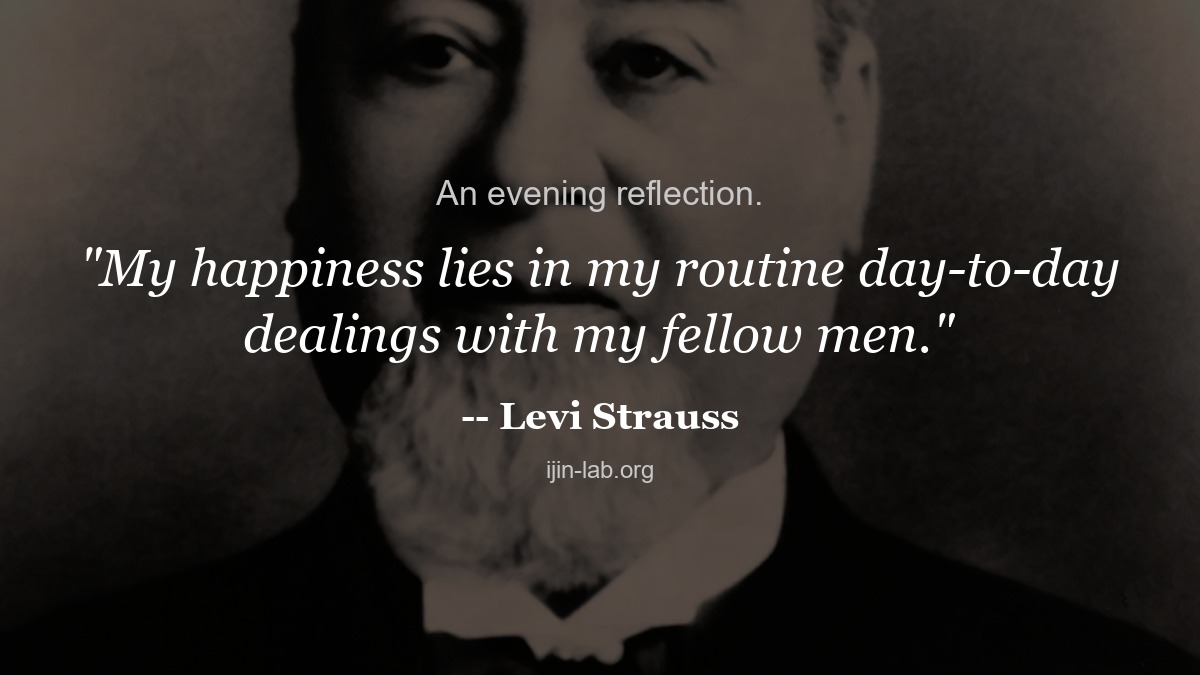
Strauss's career is a surprisingly rich source of lessons for today's entrepreneurs. The success of GPU makers and cloud-infrastructure providers in the AI boom is the contemporary version of exactly this playbook.
Kitasato's career demonstrates that world-class research and institution-building are complementary, not competing goals. His insistence on prevention over cure anticipates modern public-health strategy.
Wittgenstein's insight that meaning is use cuts to the heart of business miscommunication. When innovation flies around a meeting, speakers may be playing different language games.
Deconstruction proves its practical worth precisely in an era when information overload is the norm. The proposition 'there is nothing outside the text' heightens sensitivity to the context-dependence of contracts and legal documents, sharpening legal-risk awareness.
Noguchi's career highlights both the power of field research and the importance of reproducibility. His willingness to travel to epidemic zones to verify results firsthand is a model of scientific integrity.
Templeton's investment philosophy holds significant implications for today's individual investors. First, the importance of global diversification: investors starting out with tax-advantaged accounts tend to concentrate in domestic and U.S.
Marcus's insight that judgments, not events, cause suffering is the core principle of cognitive behavioral therapy. Reframing interpretation defuses emotional reactivity to setbacks. His morning ritual of anticipating friction doubles as risk management.