Can existing medicines unlock new treatments for mental health?
IJNP is excited to announce a new Call for Papers for the upcoming special collection
Drug Repurposing in Psychiatry
https://t.co/Zi8ssLPNme
We are looking for research that breathes new life into known compounds
A recent exploratory study investigated whether the degree of antidepressant treatment resistance influences ketamine's therapeutic effects in patients with TRD.
📖 Read the article:
https://t.co/uHNDXhNIG1
The authors propose a structured framework that translates the guidelines principles into four core capabilities:
• 🧩 Explainable AI
• 🤝 Shared Decision-Making
• 🩺 Electronic Health Record integration
• 🛡️ Harm Prevention
📖 Read +
https://t.co/mmMZ3Ye4o7
🔍 How can we ensure AI is safe, transparent, and accountable in psychiatry?
A recent perspective in IJNP argues that responsible AI in psychiatry requires more than ethical principles.
It needs practical governance frameworks that can be implemented and evaluated.
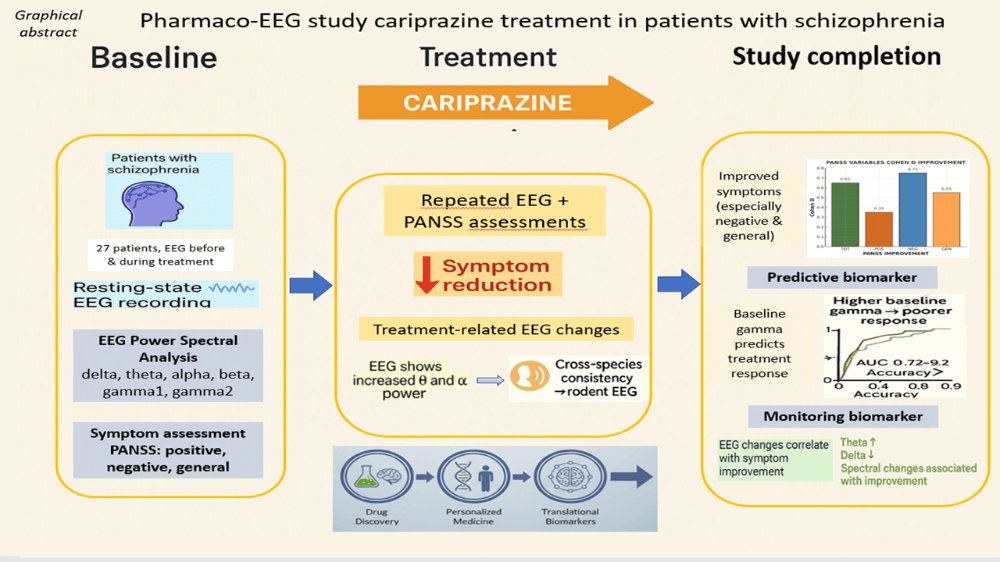
🧠 Can EEG help predict who responds to cariprazine?
A recent study by Bitter et al. found that treatment responders showed increased theta and decreased delta resting-state EEG power. Importantly, baseline gamma activity predicted treatment response with high accuracy.
We're delighted to share that IJNP has achieved an increased Impact Factor.
Strong readership and usage show that IJNP research is being discovered and used worldwide.
Consider IJNP for your next paper: https://t.co/vY86MXRUQF
New cross-species research on cariprazine links treatment response to distinct EEG signatures.
Responders showed ⬆️ theta & ⬇️ delta power at rest, while baseline gamma activity predicted treatment outcomes with high accuracy.
Are you attending the CINP World Congress?
We invite you to visit the IJNP booth and join our dedicated sessions to meet the Editors.
Connect with our editorial team, discuss your research ideas, explore future publishing opportunities!
#CINP2026#neuropsychopharmacology
If your research fits these themes or related topics, we want to hear from you! hashtag#Neuropsychopharmacology hashtag#DrugRepurposing hashtag#Psychiatry hashtag#MedicalResearch hashtag#PsychiatryResearch hashtag#AcademicPublishing hashtag#IJNP
Can existing medicines unlock new treatments for mental health?
IJNP is excited to announce a new Call for Papers for the upcoming special collection
Drug Repurposing in Psychiatry
https://t.co/Zi8ssLPNme
We are looking for research that breathes new life into known compounds
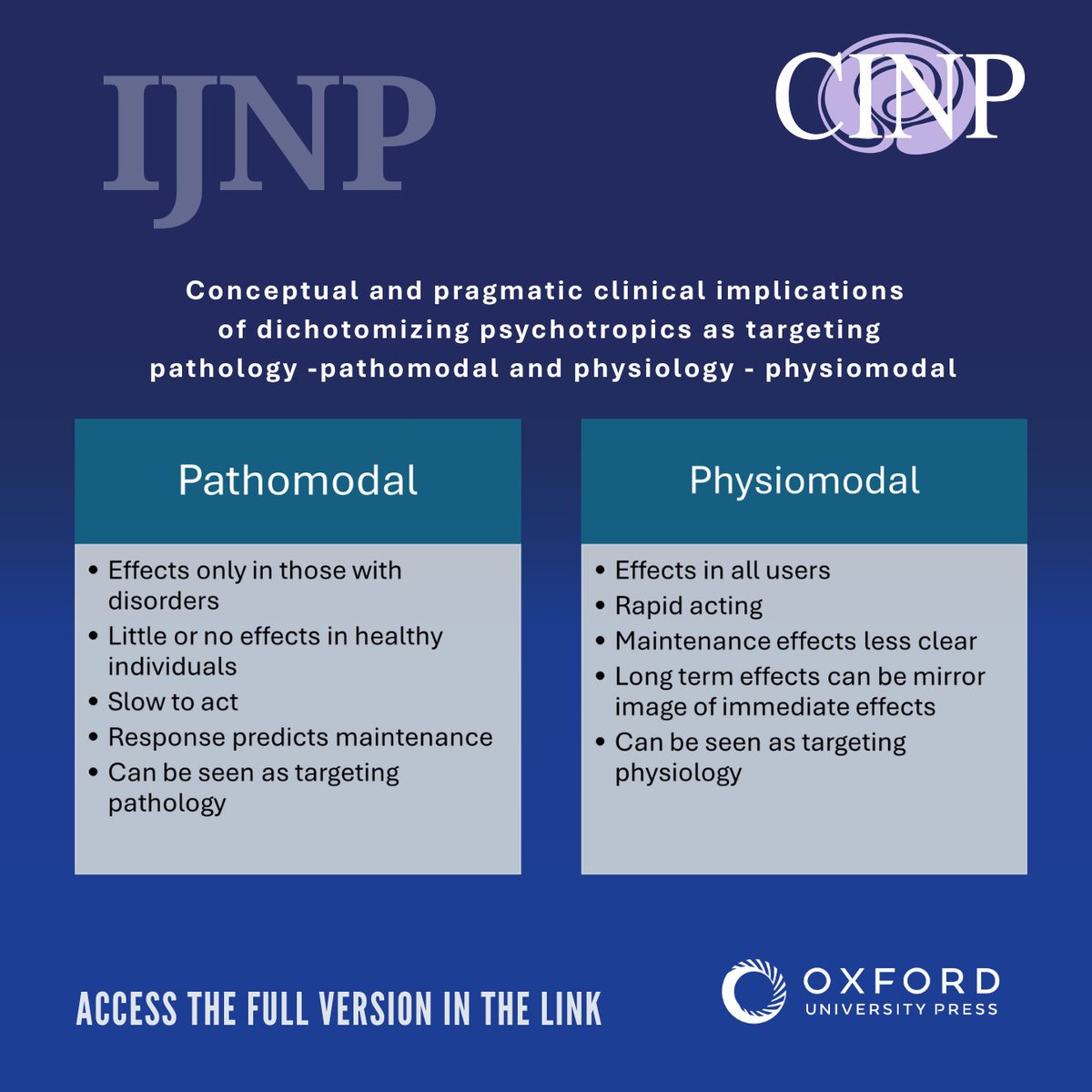
Same targets, different effects based on biological substrate.
The conceptual and pragmatic clinical implications of dichotomizing psychotropics have several implications for driving research and clinical care.
Check the paper for more: https://t.co/dbVFTGdoaa
Psychopharmacology is being reshaped by drug repurposing, and it challenges current classification systems.
We moved from indication-based to mechanism-based classification. But does that fully capture the new psychotropic landscape?
#Psychedelics#ibogaine#MDMA#repurposing
A recent IJNP paper proposes a complementary distinction based on biological substrate:
→ Pathomodal: conventional psychotropics—slow onset, minimal effects in healthy individuals
→ Physiomodal: repurposed agents (psychedelics)—rapid, state-altering effects across individuals
For more than 60 years, schizophrenia treatment has focused on dopamine D2 antagonists.
A new International Journal of Neuropsychopharmacology collection explores novel targets that could lead to more effective and better-tolerated therapies.
Read now: https://t.co/91BLpqVaRU
@ijnp_
PTSD treatment is not just about reducing symptoms.
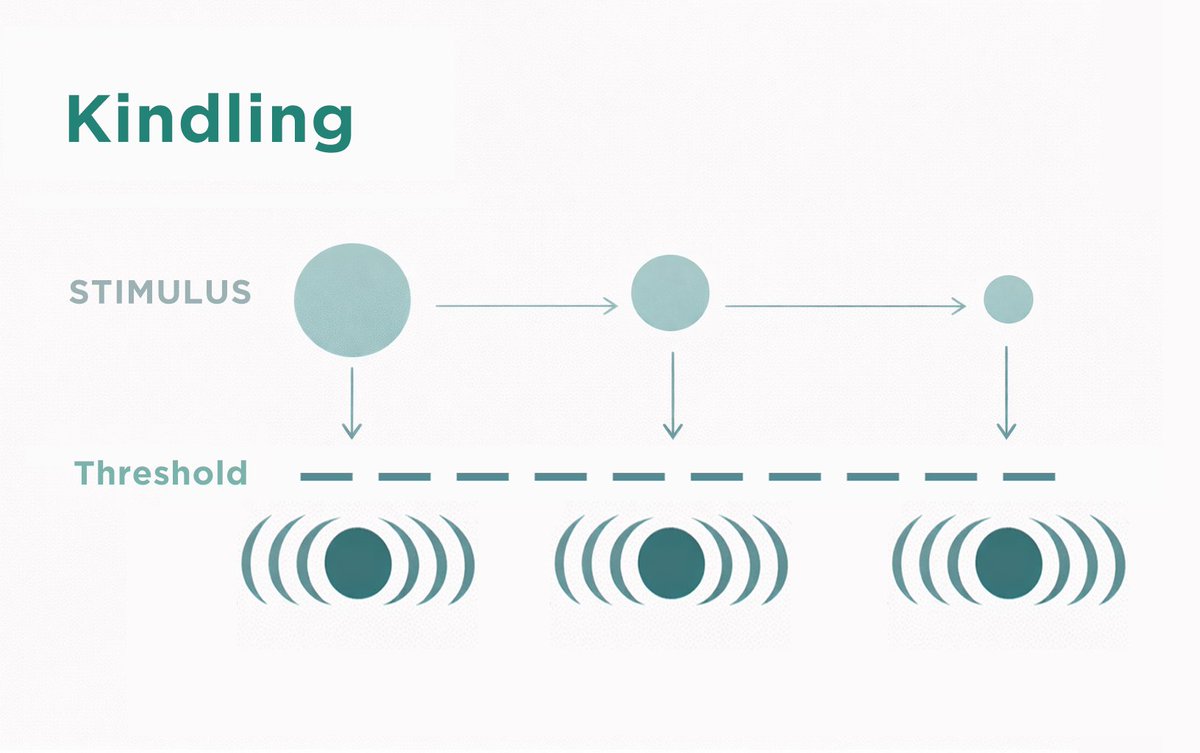
The other half of the clinical equation is about interrupting the mechanisms that make the brain increasingly reactive over time.
To do so, there are 2 clinical PTSD concepts clinicians must take into full consideration in treatment planning: 🧵👇