Only 3 days to go!
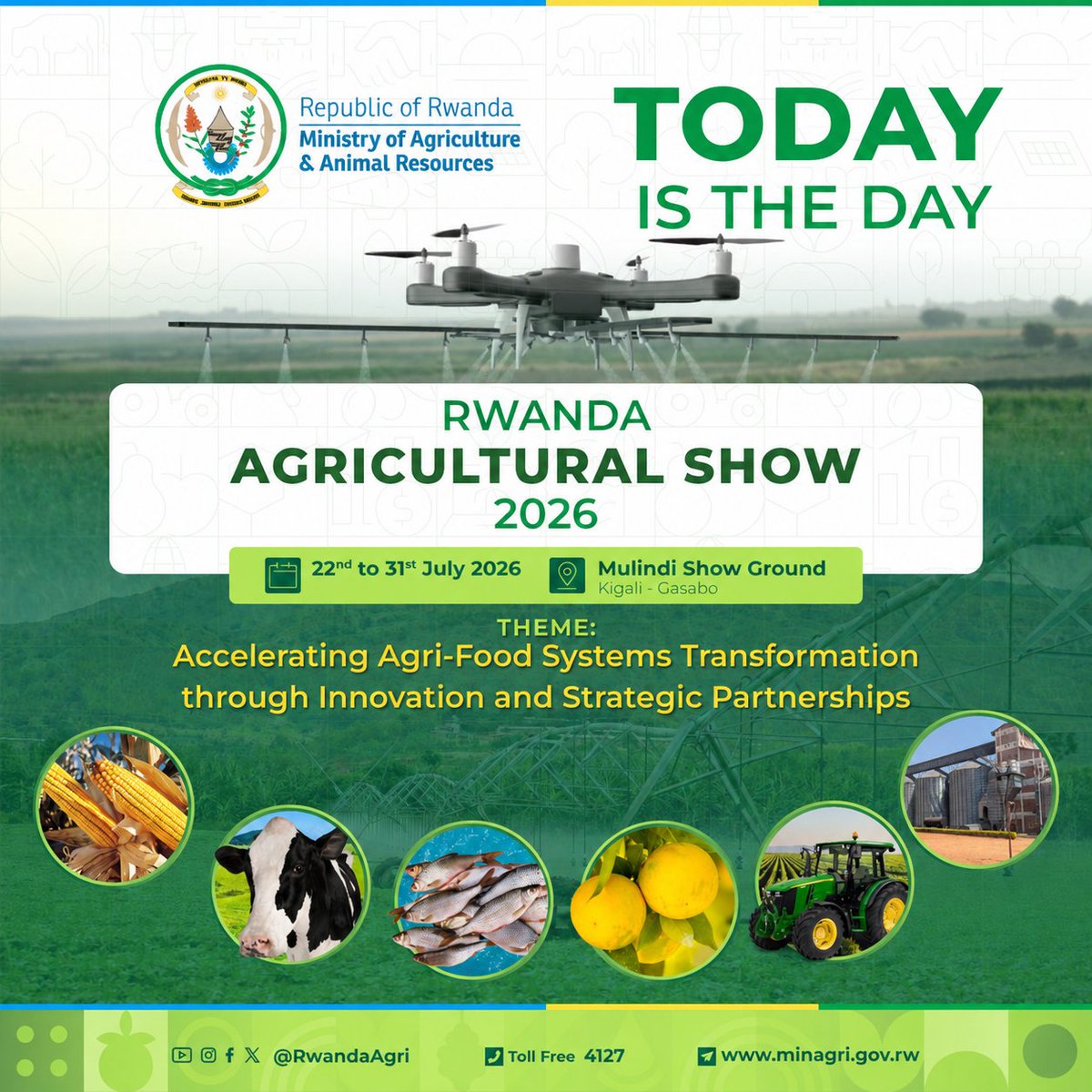
The countdown is on for the Rwanda Agricultural Show 2026, where innovation meets opportunity.
From smart farming technologies and modern machinery to livestock, horticulture, agribusiness, and networking, this is the place to discover the future of agriculture in Rwanda.
📅 22nd–31st July 2026 📍 Mulindi Show Ground, Kigali – Gasabo
Whether you're a farmer, agripreneur, student, researcher, or investor, don't miss this chance to learn, connect, and grow.
See you at the show!
#RwandaAgriShow2026
#AgInfluencers
#Huzatweeps
@RwandaAgri@RwandaAgriBoard@RwandAgriExport@BRDbank@BankofKigali@FAORwanda@AGRA_Africa@SNVworld@CARE@HeiferRwanda@bralirwaplc
If you grew up in Rwanda, this picture probably brings back memories 🇷🇼🍠🔥
During the dry season (impeshyi), roasting sweet potatoes over a traditional fire wasn't just about food, it was a childhood tradition. We'd gather around the fire, laugh, tell stories, and patiently wait for the sweet aroma that meant they were ready.
Some of our richest memories were made from the simplest moments.
What's your favorite childhood memory from summer in Rwanda?
#RwandanCulture #ChildhoodMemories
#Impeshyi
Just 2 days to go!
The countdown to the Rwanda Agricultural Show 2026 is almost over. This is where farmers, agribusinesses, researchers, innovators, and investors come together to shape the future of agriculture.
Come and discover:Climate-smart farming technologies 🚜 Modern agricultural machinery, High-quality seeds and inputs, Innovative agribusiness solutions, Valuable networking and partnership opportunities
Let's celebrate innovation and work together towards a stronger, more resilient agri-food system.
📍 Mulindi Show Ground, Kigali–Gasabo
📅 22–31 July 2026
#RwandaAgriShow2026 #Agriculture
#AgInfluencers
#Huzatweeps
@RwandaAgri@RwandaAgriBoard@RwandAgriExport@BRDbank@BankofKigali@FAORwanda@AGRA_Africa@SNVworld@CARE@HeiferRwanda@bralirwaplc
⏳ Just 1 Day to Go!
Tomorrow, Rwanda opens the doors to the biggest celebration of agriculture, innovation, and opportunity!
The Rwanda Agricultural Show 2026 is where farmers, agribusinesses, researchers, investors, and innovators come together to shape the future of our agri-food systems.
Why you shouldn't miss it: Witness cutting-edge farming technologies in action. Connect with industry leaders, innovators, and fellow farmers. Unlock new business, investment, and partnership opportunities. Learn practical solutions for sustainable and climate-smart agriculture. Be inspired by ideas driving the future of Rwanda's agriculture.
Whether you're a farmer, student, entrepreneur, or agriculture enthusiast, this is the place to learn, connect, and grow.
📍 Mulindi Show Ground, Kigali–Gasabo 📅 22–31 July 2026
One day left. The future of agriculture starts tomorrow, be part of it!
#RwandaAgriShow2026 #AgriInnovation
#AgInfluencers #Huzatweeps
@RwandaAgri@RwandaAgriBoard@RwandAgriExport@BRDbank@BankofKigali@FAORwanda@AGRA_Africa@SNVworld@CARE@HeiferRwanda@bralirwaplc
📢TODAY IS THE DAY📣
The wait is over! The Rwanda Agricultural Show 2026 officially begins today at Mulindi Show Ground, Kigali–Gasabo.
Step into Rwanda's biggest celebration of agriculture where innovation meets opportunity, ideas turn into partnerships, and every visit can inspire your next farming success.
✳️Discover modern farming tehnologies
✳️Explore innovative agricultural machinery
✳️Connect with farmers, agribusinesses, and industry experts
✳️Learn practical solutions to increase productivity
📈 Explore new markets, partnerships, and investment opportunities
📍 22–31 July 2026
📍 Mulindi Show Ground, Kigali–Gasabo
Don't just hear about it, be part of it! See you at the Rwanda Agricultural Show 2026 today!.
#RwandaAgriShow2026
#AgInfluencers #Huzatweeps
@RwandaAgri@RwandaAgriBoard@RwandAgriExport@BRDbank@BankofKigali@FAORwanda@AGRA_Africa@SNVworld@CARE@HeiferRwanda@bralirwaplc
#RwandaAgriShow2026 is officially underway!
The Official Opening Ceremony is happening LIVE from Mulindi Show Ground, Gasabo, Kigali.
This year's theme:
"Accelerating Agri-Food Systems Transformation through Innovation and Strategic Partnerships."
Join government leaders, industry experts, development partners, and innovators as they share insights and officially kick off Rwanda's premier agricultural exhibition.
📺 Watch the live ceremony here:
https://t.co/nUf4aHUPdS…
Together, let's drive innovation, build stronger partnerships, and shape the future of agriculture.
#RwandaAgriShow2026
#AgInfluencers
#Huzatweeps
@RwandaAgri@RwandaAgriBoard@RwandAgriExport@BRDbank@BankofKigali@FAORwanda@AGRA_Africa@SNVworld@CARE@HeiferRwanda@bralirwaplc@IITARWANDA@IITA_CGIAR@Cipotato
The future of agriculture is not imagined in boardrooms, it's growing in the field.
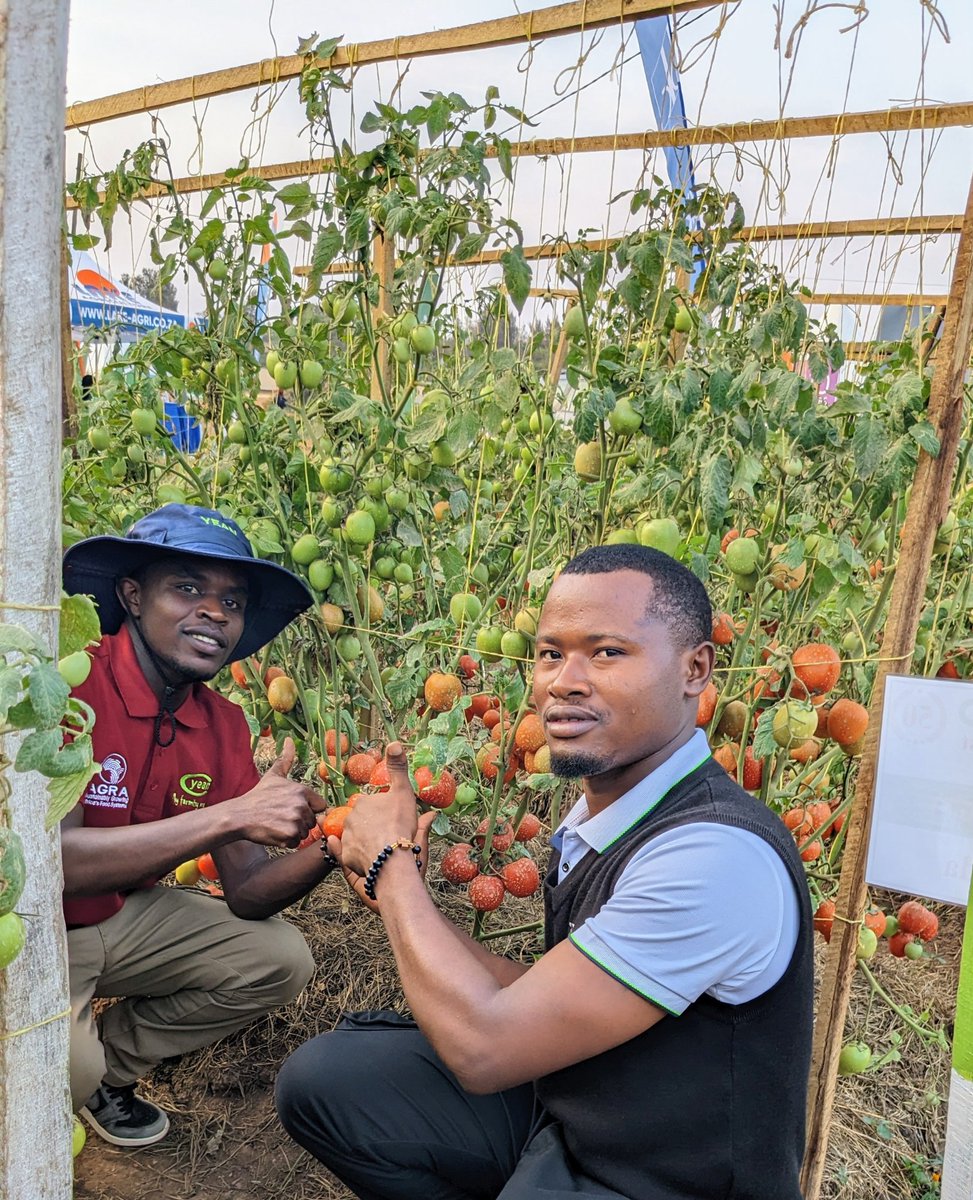
One of the most inspiring experiences at the Rwanda Agricultural Show 2026 was visiting the seed demonstration farms, where improved crop varieties are showcased under real farming conditions. These plots give farmers a unique opportunity to see, compare, and evaluate crop performance before making planting decisions.
From the vigorous tomato plants loaded with healthy fruits to the productive sweet pepper varieties, every plot tells a story of how quality seed and proper crop management can dramatically improve yields. Farmers can assess growth habits, disease tolerance, fruit quality, maturity, adaptability to local conditions, and yield potential all in one place.
Seed demonstration farms are more than exhibition spaces; they are outdoor classrooms where research meets practice. They empower farmers with knowledge, reduce the risks of choosing unsuitable varieties, and encourage the adoption of improved technologies that increase productivity and profitability.
Whether you are an experienced farmer, a young agripreneur, a student, or simply passionate about agriculture, these demonstration plots offer valuable lessons that no brochure or presentation can replace. Seeing is believing, and the field provides the best evidence.
The Rwanda Agricultural Show continues to prove that agricultural transformation starts with knowledge, innovation, and informed decisions. Every visit is an opportunity to learn something that can make the next harvest even better.
#RwandaAgriShow2026
@RwandaAgri@RwandaAgriBoard@RwandAgriExport@BRDbank@BankofKigali@FAORwanda@AGRA_Africa@SNVworld@CARE@HeiferRwanda@bralirwaplc@IITARWANDA@IITA_CGIAR@Cipotato
Found this interesting exhibit at the exhibition!
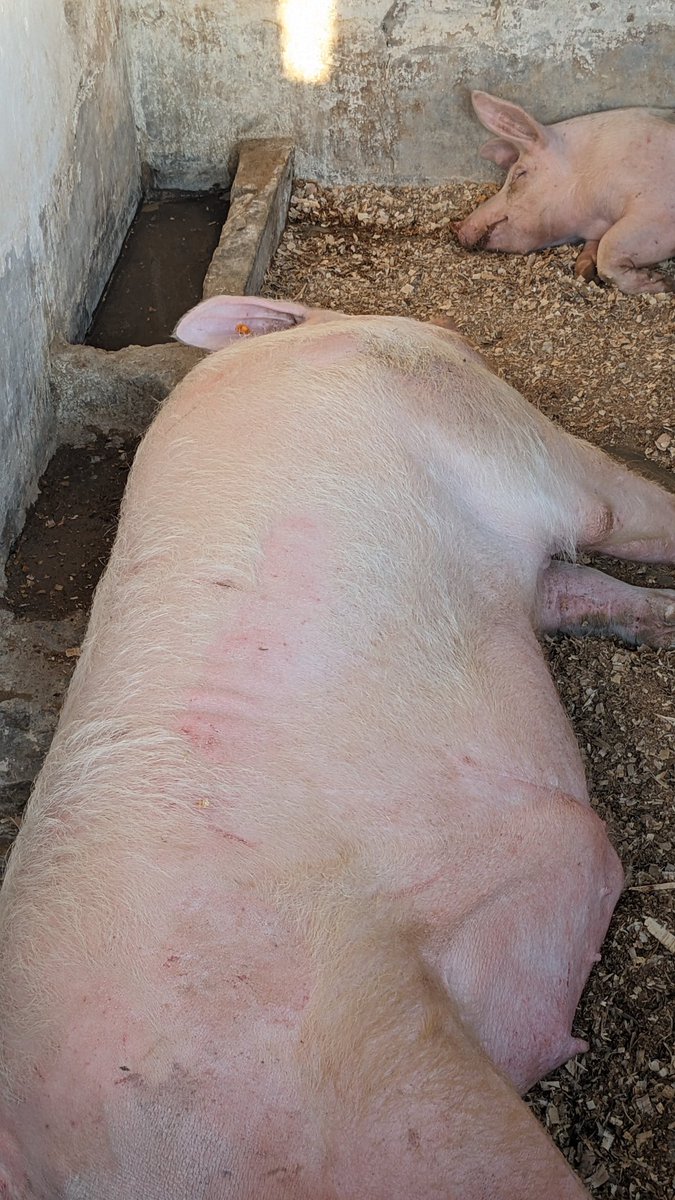
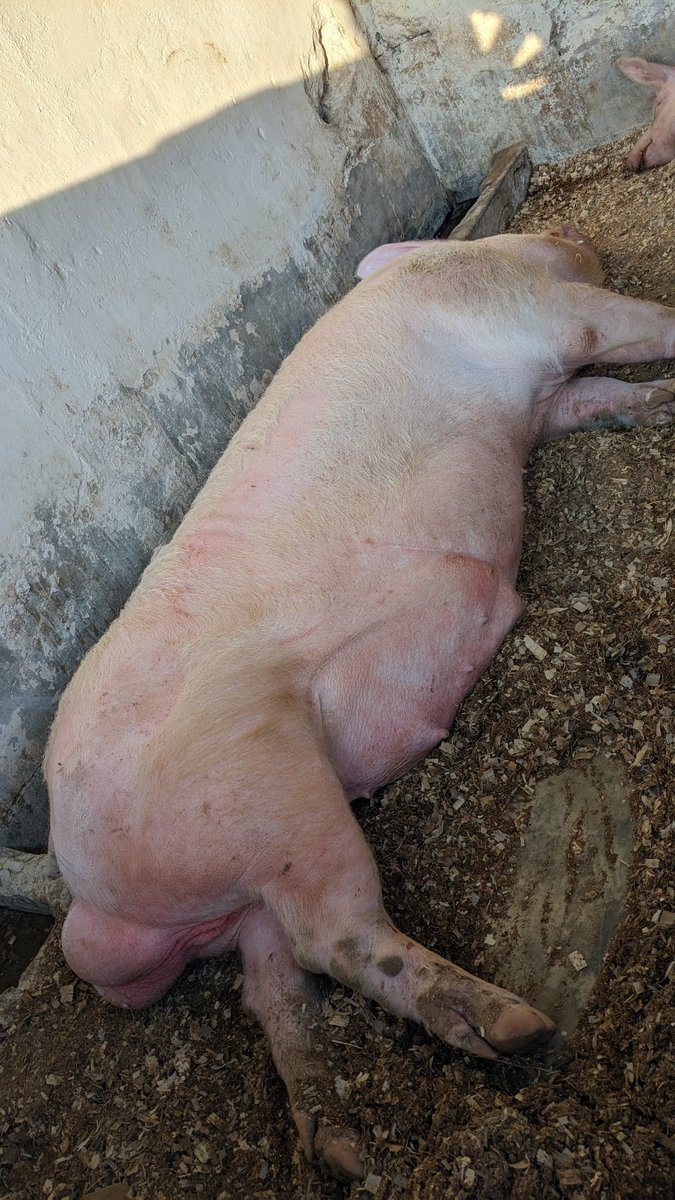
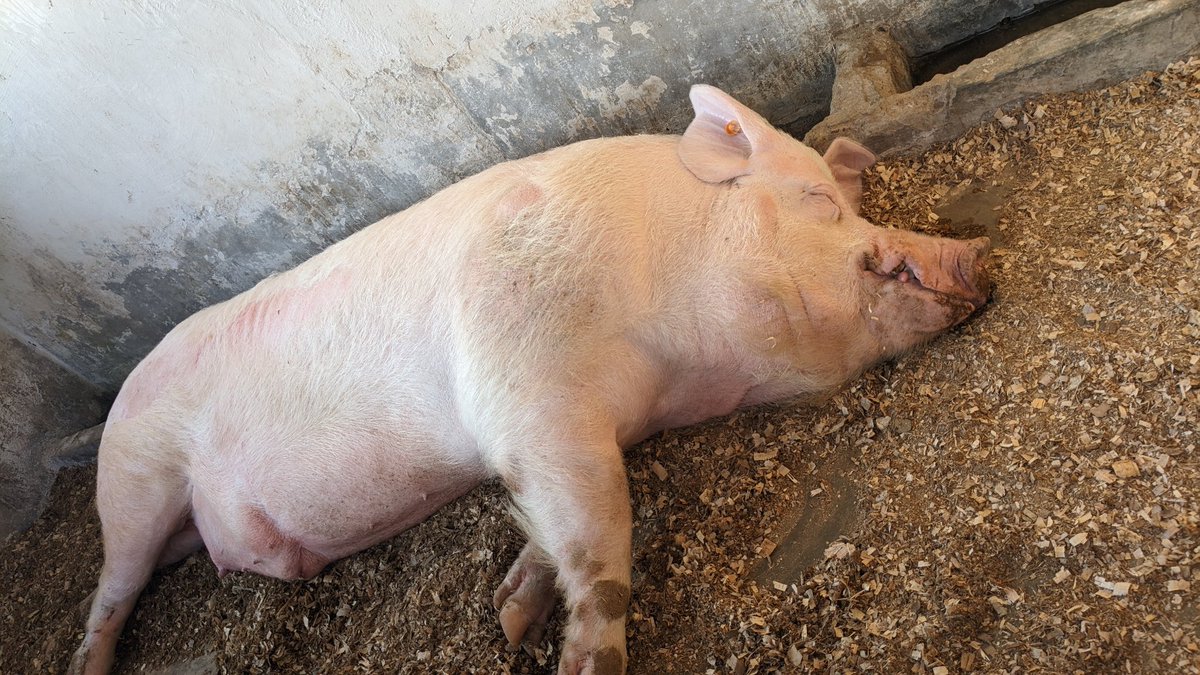
One of the things that caught my attention was this Comborough boar, weighing an impressive 496 kg at just 2.2 years old!
What makes it even more interesting is its role in swine breeding through artificial insemination, having already reached an impressive 3,120 doses.
It’s a great reminder that modern livestock production is not only about keeping animals, it’s also about genetics, proper identification, record keeping, breeding management, and innovation to improve productivity.
Exhibitions like this are a great place to learn, get inspired, and see how technology and good management are transforming agriculture.
What’s the most interesting thing you’ve discovered at the exhibition?
#AnimalProduction
#PigFarming
#RwandaAgriShow2026
@RwandaAgri@RwandaAgriBoard@RwandAgriExport@BRDbank@BankofKigali@FAORwanda@AGRA_Africa@SNVworld@CARE@HeiferRwanda@bralirwaplc@IITARWANDA@IITA_CGIAR@Cipotato
Empowering Communities Through Transformative Action, Safeguarding the Beauty of Nature 🌍.
At GreenGoal Hub, environmental conservation is more than a mission, it’s a commitment to creating a greener and more sustainable future for our communities.
Through tree planting and land restoration initiatives, GreenGoal Hub continues to contribute to the protection and restoration of our natural resources. Their work is helping build a future where people, trees, and nature can thrive together.
And if you are at the #RwandaAgriShow2026, don’t just pass by!
📍 Visit the GreenGoal Hub stand and explore a variety of quality seedlings from different plant species, while learning more about their efforts to restore our environment and promote sustainability.
Plant today. Restore tomorrow. Protect our future.
#RwandaAgriShow2026 #GreenGoalHub #EnvironmentalConservation
@RwandaAgri@RwandaAgriBoard@RwandAgriExport@BRDbank@BankofKigali@FAORwanda@AGRA_Africa@SNVworld@CARE@HeiferRwanda@bralirwaplc@IITARWANDA@IITA_CGIAR@Cipotato
Are you an agripreneur looking to buy, sell, connect, and grow?
Don’t stay behind! The Marketplace at #RwandaAgriShow2026 is bringing together farmers, agripreneurs, processors, and industrial buyers to connect, exchange ideas, showcase quality products, and create new business opportunities.
Through initiatives like YALTA, young agripreneurs are empowered to put agroecological principles into practice, build sustainable networks, and develop viable agribusiness models that contribute to stronger and more resilient food systems.
But it’s more than just a marketplace, it’s a space for learning, innovation, collaboration, and opportunity. By bringing people and ideas together, we can unlock the potential of youth and accelerate the transformation of agriculture into a more sustainable and profitable sector.
If you are in agriculture, this is a space you don’t want to miss. Come ready to connect, trade, learn, and build partnerships that can grow beyond the show!
📍 Rwanda Agriculture Show – Mulindi Show Ground, Gasabo, Kigali
#RwandaAgriShow2026
#YALTA #Agripreneurs
SEVEN (7) IMPORTANT Cattle Farming Tips That Can SAVE You Money and BOOST Your Profits:
Many cattle farmers lose money not because they lack cows... but because they overlook simple management practices that make a huge difference.
Whether you're keeping cattle for milk, beef, breeding, or as a family investment, these practical tips can help you build a healthier and more profitable herd.
1️⃣. Choose the Right Breed:
- Select cattle based on your farming goal (dairy, beef, or dual-purpose).
- Choose breeds that perform well in your local climate.
- Consider market demand before investing.
2️⃣. Provide Proper Housing:
- Protect cattle from harsh weather.
- Build strong, secure fencing.
- Ensure a constant supply of clean drinking water.
3️⃣. Feed for Productivity:
- Provide a balanced diet of pasture, hay, concentrates, and minerals.
- Use quality feed to improve health and production.
- Practice rotational grazing to maintain healthy pastures.
4️⃣. Prioritize Animal Health:
- Work closely with a qualified veterinarian.
- Keep up with vaccination and deworming schedules.
- Practice good farm hygiene to reduce disease outbreaks.
5️⃣. Manage Breeding Properly:
- Monitor reproductive performance.
- Keep breeding and calving records.
- Select quality breeding stock.
6️⃣. Keep Accurate Records:
- Track farm expenses and income.
- Record feeding, treatments, breeding, and production.
- Good records help identify what is making you money.
7️⃣. Plan Your Marketing:
- Understand your local cattle market.
- Compare different selling channels.
- Always look for opportunities to increase your profits.
SAVE this post, so you can refer back to these tips whenever you need them.
#CattleFarming
🐔🥚WHY YOUR CHICKENS ARE NOT LAYING ENOUGH EGGS🐔🥚
At the Rwanda Agriculture Show 2026, farmers and agricultural enthusiasts are sharing practical ideas and experiences that can help improve productivity on the farm, here is an important topic for poultry farmers:
Many poultry farmers experience a situation where chickens appear healthy, active, and feeding well but egg production remains low or inconsistent.
In most cases this is not caused by disease alone. It is usually linked to specific management mistakes that directly affect production. Let’s break them down into practical farm actions you can check immediately:
1️⃣. FEED QUALITY AND NUTRIENT BALANCE:
Layers require consistent access to balanced feed rich in protein and calcium. Protein supports egg formation while calcium is needed for strong eggshells. When feed is low quality or not given consistently hens reduce laying or produce weak eggs. Practical action ensure daily consistent feeding and add calcium sources such as crushed oyster shells or limestone where available.
2️⃣. LIGHTING DURATION AND STABILITY:
Egg production depends on light exposure. Layers need about 14 to 16 hours of light daily to maintain laying hormones. Irregular lighting disrupts their cycle and reduces egg production. Practical action ensure stable daylight access or use controlled artificial lighting where necessary.
3️⃣. STRESS FROM OVERCROWDING AND DISTURBANCE:
Stress is one of the most common hidden causes of low egg production. Overcrowding loud noise predators and frequent disturbances reduce laying activity. Practical action maintain proper spacing keep housing calm and secure and protect birds from predators.
4️⃣. INADEQUATE NESTING CONDITIONS:
Hens need safe and comfortable nesting areas. Without proper nests they may stop laying or lay eggs on the floor which reduces productivity and increases breakage. Practical action provide clean dark quiet nesting boxes with dry bedding material.
5️⃣. HEAT STRESS AND POOR VENTILATION:
High temperatures reduce feed intake and affect egg formation. Poor airflow inside the poultry house increases heat stress and lowers production. Practical action improve ventilation avoid overcrowding and ensure constant access to clean cool water.
6️⃣. AGE AND BREED PRODUCTIVITY:
Not all hens lay at the same rate. Young layers produce more eggs while older hens naturally reduce output. Some breeds also have lower production potential. Practical action monitor flock age and replace low performing birds when necessary.
7️⃣. WATER INTAKE QUALITY AND ACCESS:
Water is critical for egg formation. Even short water shortages reduce laying performance immediately. Practical action ensure clean fresh water is available at all times and drinkers are always functional.
🐔 FINAL INSIGHT:
Egg production is not luck it is management. When feed, light, stress, housing and water are properly controlled, production becomes stable and predictable.
A QUESTION FOR YOU: Are you having a challenge of your chickens not laying enough eggs and what do you think is the cause?
SHARE your experience in the comment section and let's learn from real farm situations.
Rwanda Agriculture Show 2026, where farmers, agribusinesses, and agricultural innovators come together to learn, connect, and transform agriculture.
#RwandaAgriShow2026 #PoultryFarming
#EggProduction
CAUGHT IN THE FIELD — VISIT TODAY!
Look at the appetite of this elegant grasshopper as it feeds on crop leaves! It may look beautiful, but its feeding can quickly turn healthy leaves into damaged foliage.
It has a defense mechanism, its vibrant colors serve as a warning to predators (aposematism) that it may be toxic and unpalatable. When threatened, it can eject a foul-smelling, noxious fluid from its thoracic glands.
For farmers, this is a reminder that regular field scouting matters. Early detection of leaf-feeding pests can help prevent serious crop damage and yield losses.
Agricultural impact, it is a polyphagous insect that feeds on a wide range of plants. In East and Central Africa, it is considered a notable agricultural pest, primarily targeting cassava, corn, and vegetable crops.
This elegant grasshopper is mostly encountered in Rwanda’s Eastern Province.
#RwandaAgriculture #CropProtection #Grasshopper #PestManagement
One picture, two farming approaches, one powerful lesson!
This field demonstration at #RwandaAgriShow2026 gives a striking visual comparison between conservation agriculture and standard farming practices.
On the left, the taller and more vigorous crop stand represents the conservation agriculture approach, while the shorter crop stand represents the standard farming practice. The difference in crop development is hard to miss.
Conservation agriculture is not simply about growing crops, it is about protecting and improving the soil while maintaining productivity over time. Practices such as minimum soil disturbance, maintaining soil cover, and integrating crop residues or organic matter can help improve soil structure, reduce erosion, conserve moisture, and support healthier soils.
For farmers, demonstrations like this are important because they turn agricultural concepts into something we can see and compare directly in the field.
When the same crop is managed under different approaches, the results can provide valuable lessons about how farming practices influence crop performance.
Healthy soil is the foundation of sustainable agriculture.
The question is: Which farming approach would you choose for your farm, and why?
📍 Rwanda Agriculture Show 2026
#RwandaAgriShow2026
#RwandaAgriShow2026 #ConservationAgriculture #SustainableAgriculture
@RwandaAgri@RwandaAgriBoard@RwandAgriExport@BRDbank@BankofKigali@FAORwanda@AGRA_Africa@SNVworld@CARE@HeiferRwanda@bralirwaplc@IITARWANDA@IITA_CGIAR@Cipotato
CAUGHT IN THE FIELD — VISIT TODAY!
Look at the appetite of this elegant grasshopper as it feeds on crop leaves! It may look beautiful, but its feeding can quickly turn healthy leaves into damaged foliage.
It has a defense Mechanism of vibrant colors serve as a warning to predators (aposematism) that it is toxic and unpalatable. When threatened, it can eject a foul-smelling, noxious fluid from its thoracic glands.
For farmers, this is a reminder that regular field scouting matters. Early detection of leaf-feeding pests can help prevent serious crop damage and yield losses.
Agricultural Impact, it is a polyphagous insect that feeds on a wide range of plants. In East and Central Africa, it is considered a notable agricultural pest, primarily targeting cassava, corn, and vegetable crops, it founded in different part of Eastern provence of Rwanda!
🎥 Watch closely and see just how much it can eat!
#CropProtection #Grasshopper #PestManagement #FieldScouting
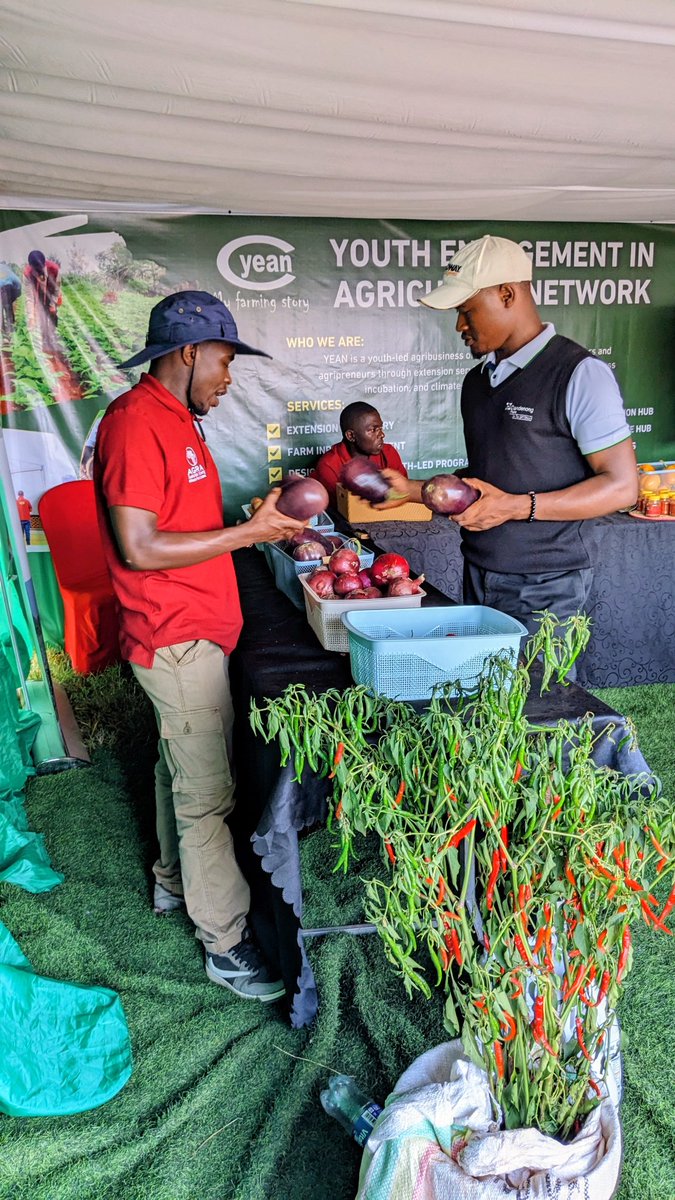
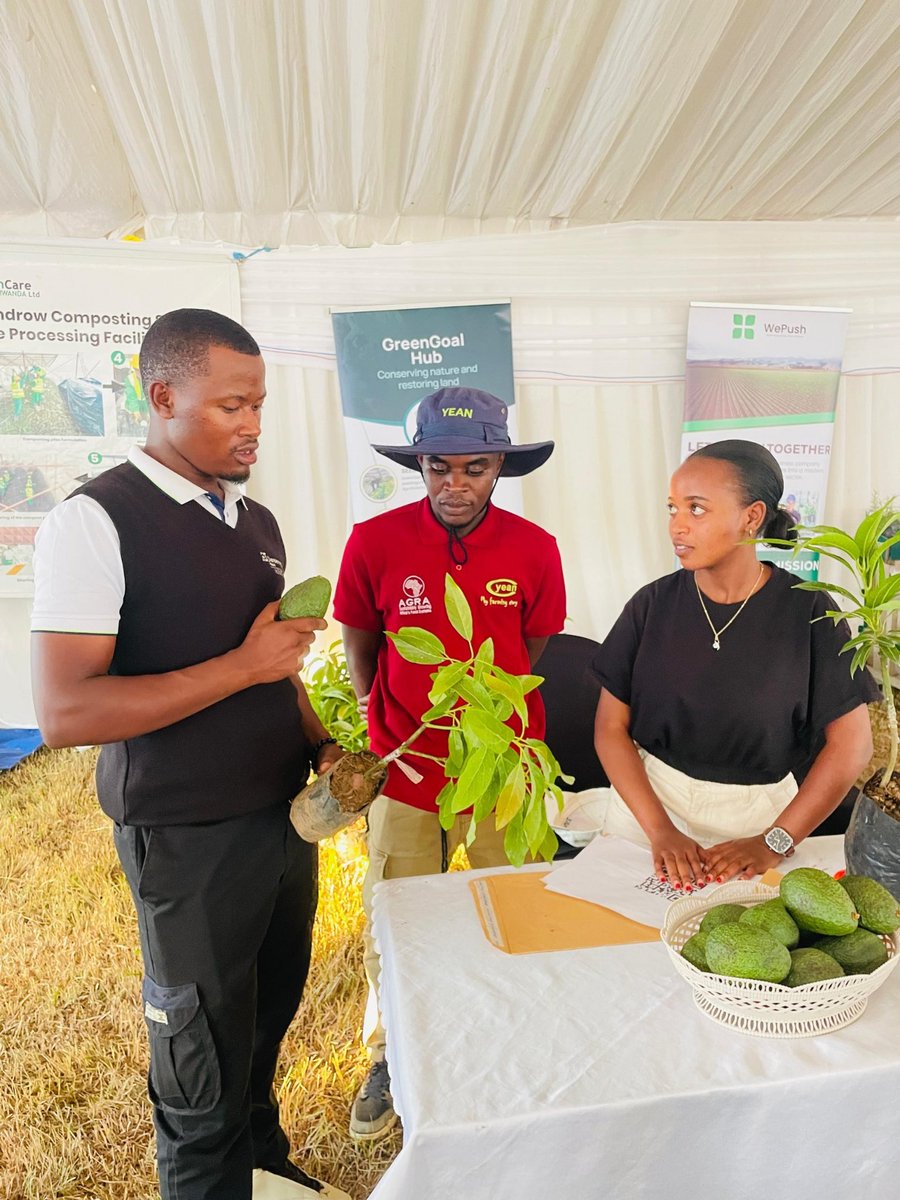
Inspiring Visit to the YEAN Stand at the Rwanda Agriculture Show 2026!
AgriShow visit, I had the opportunity to visit the Youth Engagement in Agriculture Network (YEAN) stand and learn more about their incredible work in empowering young people through agriculture.
It was encouraging to see their commitment to supporting agripreneurs through extension services, innovation, incubation, and climate-smart agriculture. Their display of fresh produce and engagement with visitors reflects the important role youth are playing in transforming Rwanda's agricultural sector.
Youth are not just the future of agriculture, they are driving its transformation today. Keep up the great work, @YEAN_Agro
#RwandaAgriShow2026 #YouthInAgriculture #Agripreneurs
#RwandaAgriShow2026
@RwandaAgri@RwandaAgriBoard@RwandAgriExport@BRDbank@BankofKigali@FAORwanda@AGRA_Africa@SNVworld@CARE@HeiferRwanda@bralirwaplc@IITARWANDA@IITA_CGIAR@Cipotato
IF YOU ARE THINKING OF STARTING POULTRY CHICKEN FARMING, HERE ARE SEVEN 7 IMPORTANT THINGS YOU MUST KNOW!
1. MARKET RESEARCH:
It is very important to critically look at the demand that needs to be met. Is there high demand for table eggs, out grower chicken or broiler meat? Most start-up farmers go by what a friend or relative or neighbouring farmer is doing and hope to reap the benefits.
It is important that you take your time to talk to clients or potential customers and listen to them. Do a survey on restaurants, hotels, open air or takeaway eateries, supermarkets and delis and collect as much data as possible.
Ask questions about seasonal trends of products that you intend to bring into the market. Sometimes your assumptions may not match your survey results or outcome, so be ready to change your original plans and make new decisions.
2. FARM LOCATION:
A poultry farm can be located on any dry land anywhere in the country as it is not dependent on any weather patterns. However, the ideal location would be outskirts of urban or peri-urban cities where there is ready market for both meat and eggs. Construct your farm where there is access to all weather road, away from riparian land that experience occasional flooding and landslide.
3. HOUSING SYSTEM:
The most common housing system in this country is deep litter, where the entire floor is covered by wood shaving and the other equipment like nest boxes, feeders and drinkers are centrally located. It is best suited for all types of birds and conforms to animal welfare requirement.
The free-range type is common for Sasso chicken with a bit of housing at night and scavenging in an open enclosure. In organic farming, the chickens are most of the time on free range scavenging and are on restricted commercial feed with no use of antibiotics and any additive.
4. DEMAND FOR BUILDING:
The most ideal house in this region must be open sided rectangular shaped structure, with roof made of iron sheet or locally available waterproof material. The long side of the house must be on an East-west orientation to reduce direct sunlight on the chicks.
Side walls should be 2-3 feet high made of bricks, iron sheet or block and the rest covered by wire mesh and chicken netting at 6-7 feet high. The floor could be concreted or compacted with red soil.
5. *CHOICE OF BREED AND SUPPLIER:*
If you want to keep commercial layers, choose type of breed which is hardy with low mortality rate, fast growth rates, high peak production, long peak period and good persistence (like Bovans brown). If it is for both meat and egg production, look for a breed of high feed conversion efficiency, and of good tasty and tender quality meat (like dual purpose Sasso).
6. OPTIMAL HEALTH PROTECTION:
Threats to your flock will include but not limited to protozoal and parasitic diseases, bacteria, yeast and mold and viral infections. You will need good rearing conditions that include proper brooding, temperature control, ventilation and humidity as well as quality water and adequate feed supply all the time.
Biosecurity is pivotal to your success; the premises must be highly sanitised within and around the site with limited flock visits to only authorised personnel. Vaccination schedule must be followed to the letter and must be chosen based on efficacy and administered professionally.
7. RECORD KEEPING:
Anything that cannot be counted cannot be measured. Most farmers ignore the value of good record keeping. Feed being the highest production cost in poultry production, means that it must be weighed to the level of grammes fed/bird/day, and weight sampling must be done on weekly basis to establish production efficiency.
#ChickenFarming
#PoultryFarming