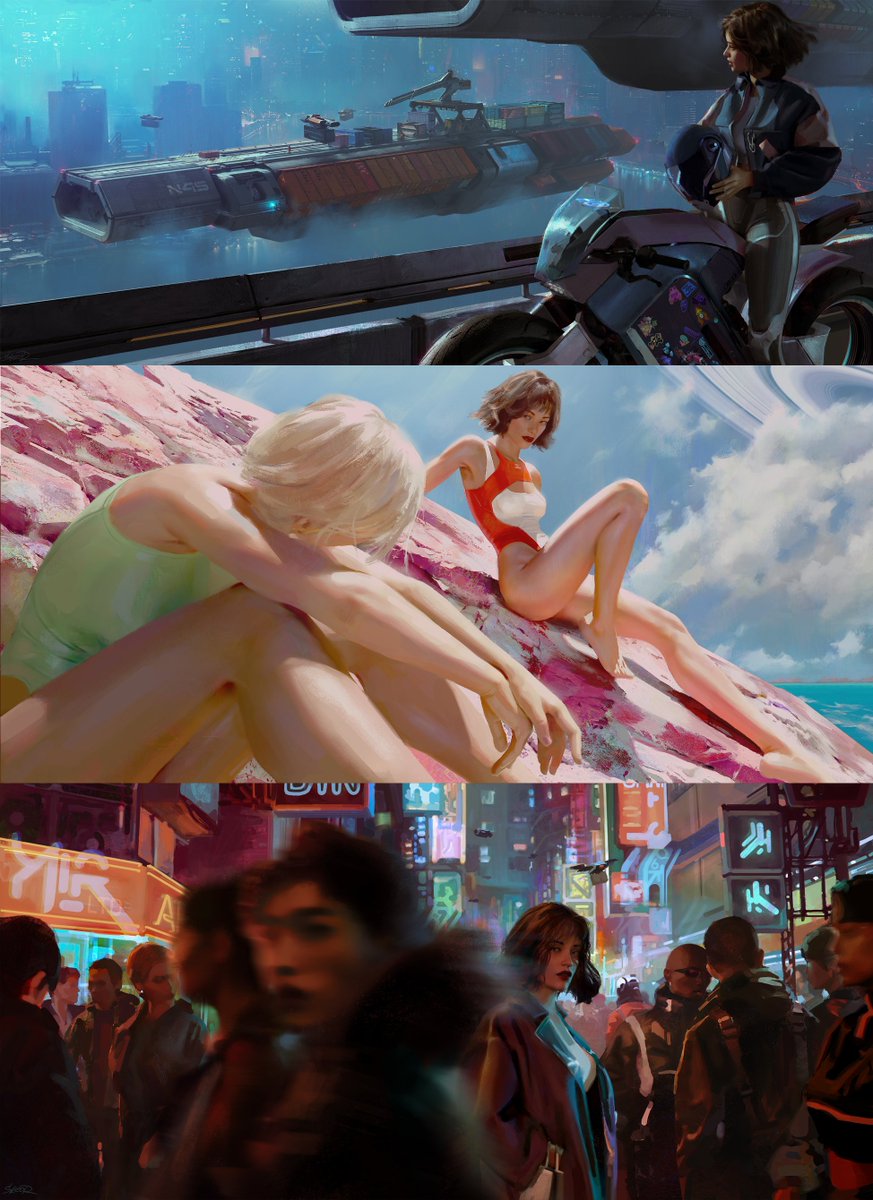
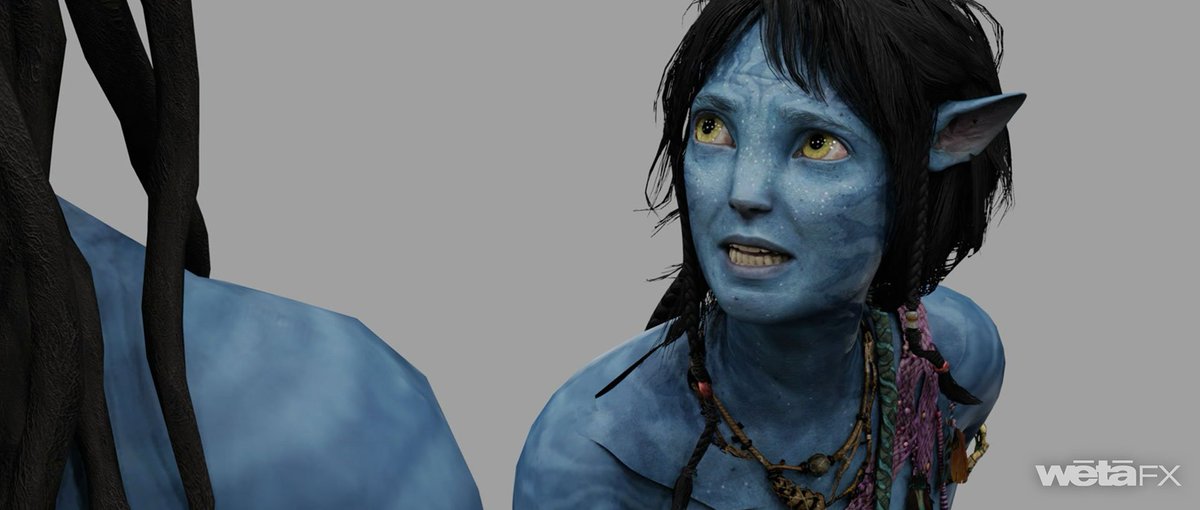
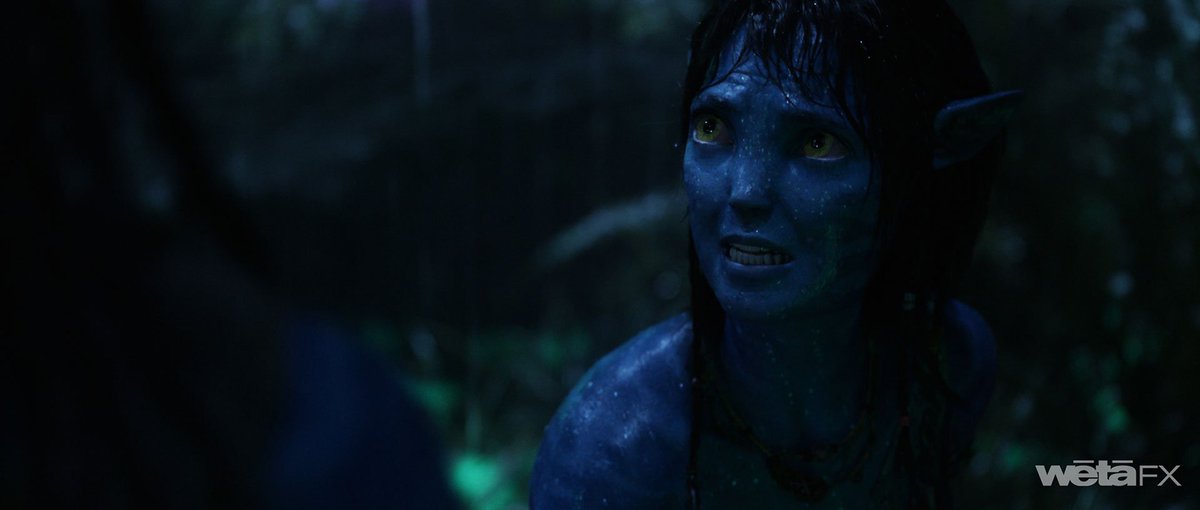
pra quem ainda não me conhece, isso tudo é um pouco do meu trampo como diretor criativo, digital, motion designer, VFX e 3D:
#MotionGraphic#VFX#3DArtist#Directing
I got nerdsnipped by @krahets with 4D Anyone. I was working on part 3 of the arkitscenes blog post for @rerundotio, but I just couldn't help but try to bring in 4d splatting from a single video into rerun since we shipped splatting support.
Did a few things here
1. spent a bunch of time optimizing the DiT model so it would run on my 5090. Got memory from ~50gb -> less than 32gb. No need for enterprise cards or super slow dgx spark
2. more importantly, I got the runtime down to ~5 minutes for going from 1 video -> 16 views. This was nearly 40 minutes before on my 5090!
3. I also got a version of 4d splatting training working, its a mess and doesn't look great but hey it works!
Really really cool work, hoping to do more with it in the future when I'm a bit less scattered with all the cool things I want to work on 😅
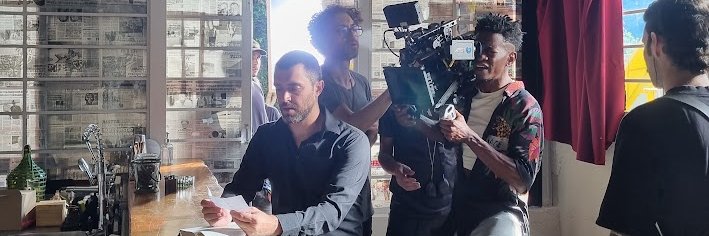
Este efeito é realizado na lente utilizando um tipo de filtro chamato Split Diopter. (imagem no comentário)
É um filtro convexo cortado na metade que permite que seja possível focar em dois lugares dstintos na imagem, forçando o espectador a prestar atenção em duas coisas.
Este efeito é realizado na lente utilizando um tipo de filtro chamato Split Diopter. (imagem no comentário)
É um filtro convexo cortado na metade que permite que seja possível focar em dois lugares dstintos na imagem, forçando o espectador a prestar atenção em duas coisas.
Creature FX work from the monster in Xie Boli and Huang Fan's God's Game, by Madhav Shyam and Chemistry.
Madhav's Ziva VFX: Volume 2 workshop covers the soft-tissue simulation techniques behind builds like this: https://t.co/yz7diECnrG
Face Anything: 4D Face Reconstruction from Any Image Sequence
ECCV 2026
https://t.co/smXN0FGjRg
Face Anything is a unified feed-forward model for high-fidelity 4D face reconstruction and dense tracking from arbitrary image sequences. The key idea is canonical facial point prediction, a representation that assigns each pixel a normalized facial coordinate in a shared canonical space. This formulation transforms dense tracking and dynamic reconstruction into a single canonical reconstruction problem, producing temporally consistent geometry and reliable correspondences.