A man spends 50 years teaching at MIT.
He knows his time is running out.
So he records one last lecture — everything he knows, distilled into a single hour.
He died 5 months later.
This is that lecture.
The most important hour you'll watch this week. 👇
Bookmark it for later
God’s heart is torn apart by wars, violence, injustice and lies. But our Father’s heart is not with the wicked, the arrogant, or the proud. God’s heart is with the little ones and the humble, and with them He builds up His Kingdom of love and peace day by day. Wherever there is love and service, God is there. #ApostolicJourney #Algeria
"The American people are poorer and less safe because of this president...We've spent billions of dollars and this president does not have a plan." ~Mark Kelly
RT if you agree with Mark Kelly 🖐️
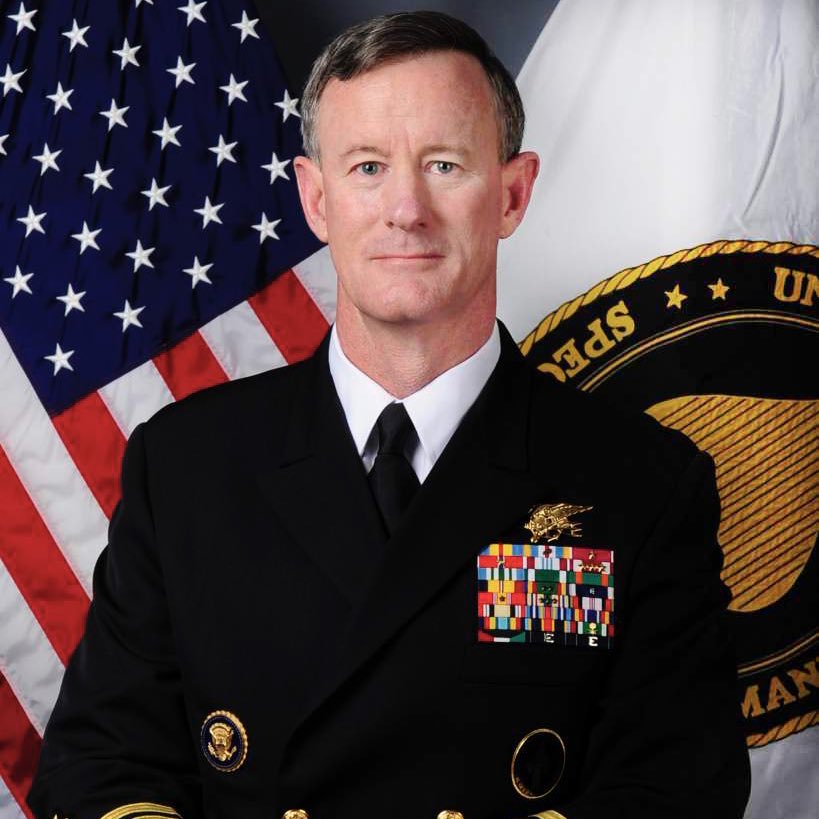
Retired 4-Star Navy Admiral and former Navy SEAL William McRaven on Donald Trump: "Through your actions, you have embarrassed us in the eyes of our children, humiliated us on the world stage and, worst of all, divided us as a nation."
RETWEET if you stand with Admiral McRaven!
We are called "the elderly." But that quiet label hides something most people rarely stop to consider. We are the last living witnesses of a world that no longer exists.
Look at us and you might see gray hair, slower steps, and the patience that time teaches.
But listen to our story — really listen — and you'll realize something extraordinary.
We are the only generation in human history to have lived a fully analog childhood and a fully digital adulthood.
That's not a small thing. That's one of the most breathtaking journeys a human being has ever been asked to make.
We were born in the 1940s, 50s, and early 60s, into a world still rebuilding from the rubble of World War II.
Our toys were marbles and hopscotch and card games at kitchen tables. When the streetlights flickered on, that was it — childhood adventures were over, and it was time to go home. No smartphones. No streaming. No endless scroll.
We built our memories in the real world. With scraped knees and laughter echoing down streets and friendships formed face to face.
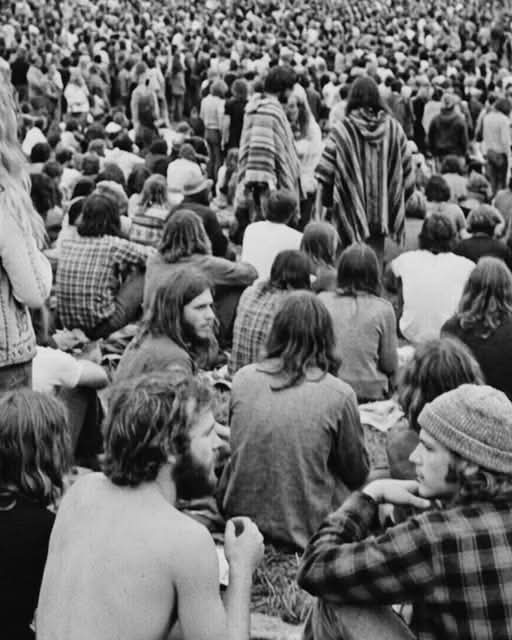
In 1969, we sat in living rooms staring at black-and-white televisions as Neil Armstrong took humanity's first steps on the Moon. Hundreds of thousands of us stood in muddy fields at Woodstock believing — really believing — that music and community could reshape the future.
We fell in love to vinyl records spinning on turntables. We waited days, sometimes weeks, for handwritten letters to arrive. We learned patience because information didn't come instantly. Mistakes were fixed with erasers — not a delete button.
Then the world transformed.
Machines that once filled entire rooms shrank to devices lighter than a paperback. We went from rotary phones and party lines to seeing the face of someone we love on the other side of the ocean — instantly, on something that fits in a pocket.
We watched the birth of the personal computer. The arrival of the internet. The smartphone. Artificial intelligence.
And through every single shift — we adapted.
Not because it was easy. Because that's what our generation does.
We also carry the weight of history in our bodies.
We grew up afraid of polio and tuberculosis. We watched science defeat them. We witnessed the discovery of the structure of DNA, the decoding of the human genome, the transformation of medicine itself. We survived pandemics across decades — and kept going.
Few generations have been asked to absorb so much change in a single lifetime.
And through all of it, certain things never changed.
We still know the joy of a cold glass of lemonade on a hot afternoon. The taste of vegetables picked straight from a garden. The value of a long conversation that unfolds slowly, without a screen interrupting it.
We have celebrated births and mourned losses. Carried the stories of friends who are gone. Watched the world become something our younger selves couldn't have imagined — and found ways to belong in it anyway.
We are not relics.
We are living bridges between two entirely different worlds.
Our memory carries something the modern world needs — proof that progress doesn't have to erase wisdom. That speed doesn't have to replace patience, kindness, or reflection.
So when someone calls us elderly, we can smile.
Because behind that word is something remarkable.
We crossed two centuries. Witnessed eight decades of transformation. Walked from handwritten letters to artificial intelligence — and never lost our sense of what actually matters.
BREAKING: Trump administration strips Social Security benefits from a Black American cancer patient by claiming that she is “not lawfully present in the U.S.”
This is what Trump’s intentional cruelty looks like in 2026.
Ramona Rakestraw, 59, was born at Parkland Hospital in Dallas in 1966. She has never left Dallas County — not for vacation, not for work, not for anything. And yet somehow, the federal government has decided she is “not lawfully present in the U.S.”
Her crime? Existing while sick.
Rakestraw has battled kidney disease for decades. She endured a transplant. She returned to dialysis. In 2024, she was diagnosed with cancer. Through it all, she survived on Supplemental Security Income — her only source of income — and Medicare Part B.
Then in October, the payments stopped. Why? Because her “immigration status” was suddenly under review.
“I’m not an immigrant,” she said. “I’ve never even left Dallas County — let alone the country.”
Let that sink in. A lifelong Texan. Born in an American hospital. Fighting cancer. Forced to march down to a Social Security office with her birth certificate in hand to prove she belongs in the country where she was born.
And still, she received a letter stating: “We cannot pay you benefits because you are not lawfully present in the U.S.”
This is the human cost of a system so obsessed with rooting out “illegals” that it can’t tell the difference between a Dallas native and a border crossing.
Her Medicare was eventually restored. Her SSI — her only income — was not.
Now she’s appealing, drowning in paperwork while undergoing dialysis and cancer treatment. Sixty days to fight a bureaucratic accusation that should never have happened.
This isn’t about paperwork errors. It’s about a government climate that treats citizenship as suspect and vulnerable Americans as disposable.
Ramona Rakestraw isn’t asking for special treatment. She’s asking for the benefits she’s legally entitled to — the benefits she paid into with a lifetime of perfectly legal existence in this country.
Born in Dallas. Fighting for her life. And now forced to fight her own government just to survive. That’s not just incompetence. That’s a system that’s lost its humanity.
Please like and share this sad story!
Congratulations to the Super Bowl champion @Seahawks! This defense was special. MVP Kenneth Walker was dominant. And Sam Darnold gave us one of the best comeback stories in a long time. Enjoy the celebration.
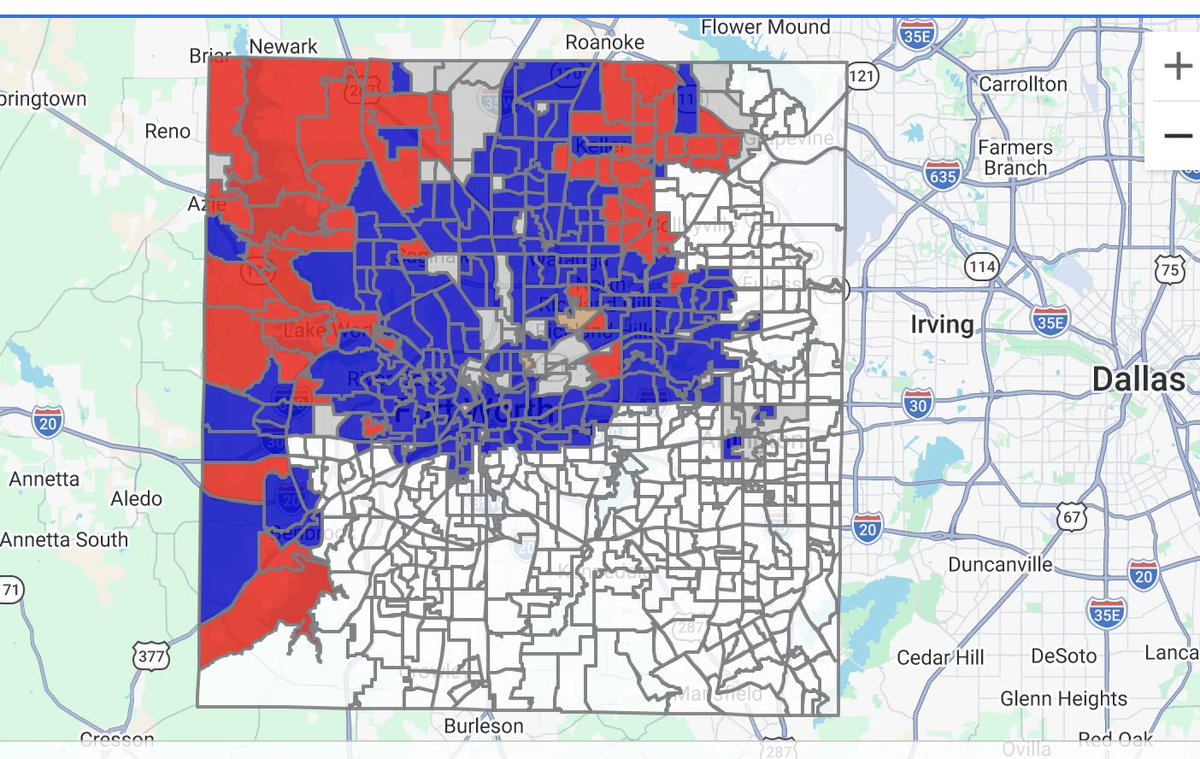
POLITICAL EARTHQUAKE in Tarrant County, Texas, the biggest red county in the country. Democrat Taylor Rehmet beats Republican Leigh Wambsganss in state senate district that Trump carried in 2024 by 17 points. The district hasn’t voted Democratic in half a century.
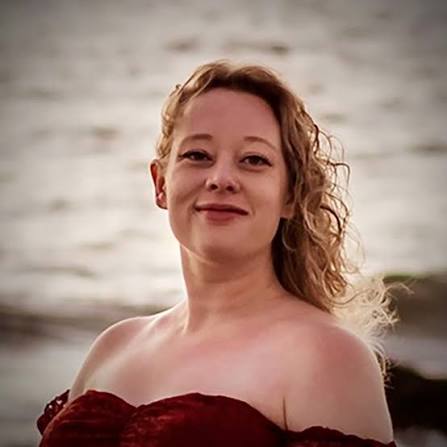
BREAKING: Kayla Schultz, the woman who got the closest video of Alex Pretti’s killing from her car, speaks out for the first time.
She says she will not be intimidated because that’s exactly what ICE wants from all of us. The moment you show you ARE intimidated is the moment they attack.
Source @CNN
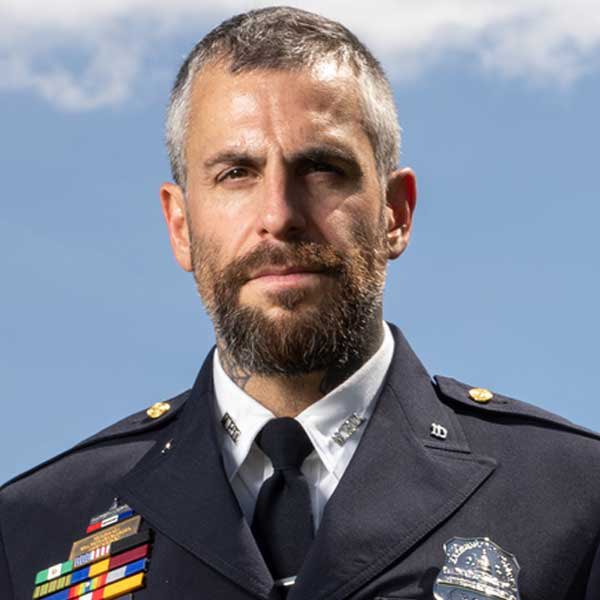
Capitol Police Officer Michael Fanone was tased on January 6th until he went into cardiac arrest and his heart stopped. Donald Trump pardoned his assaulters and called them “patriots.”
RETWEET if you stand with Officer Fanone against Trump and the GOP!
Texas Rep.James Talarico says that the reason poverty exists in one of the Wealthiest Countries on Earth isn’t because we can’t afford to feed the poor it’s because we can’t satisfy the rich!