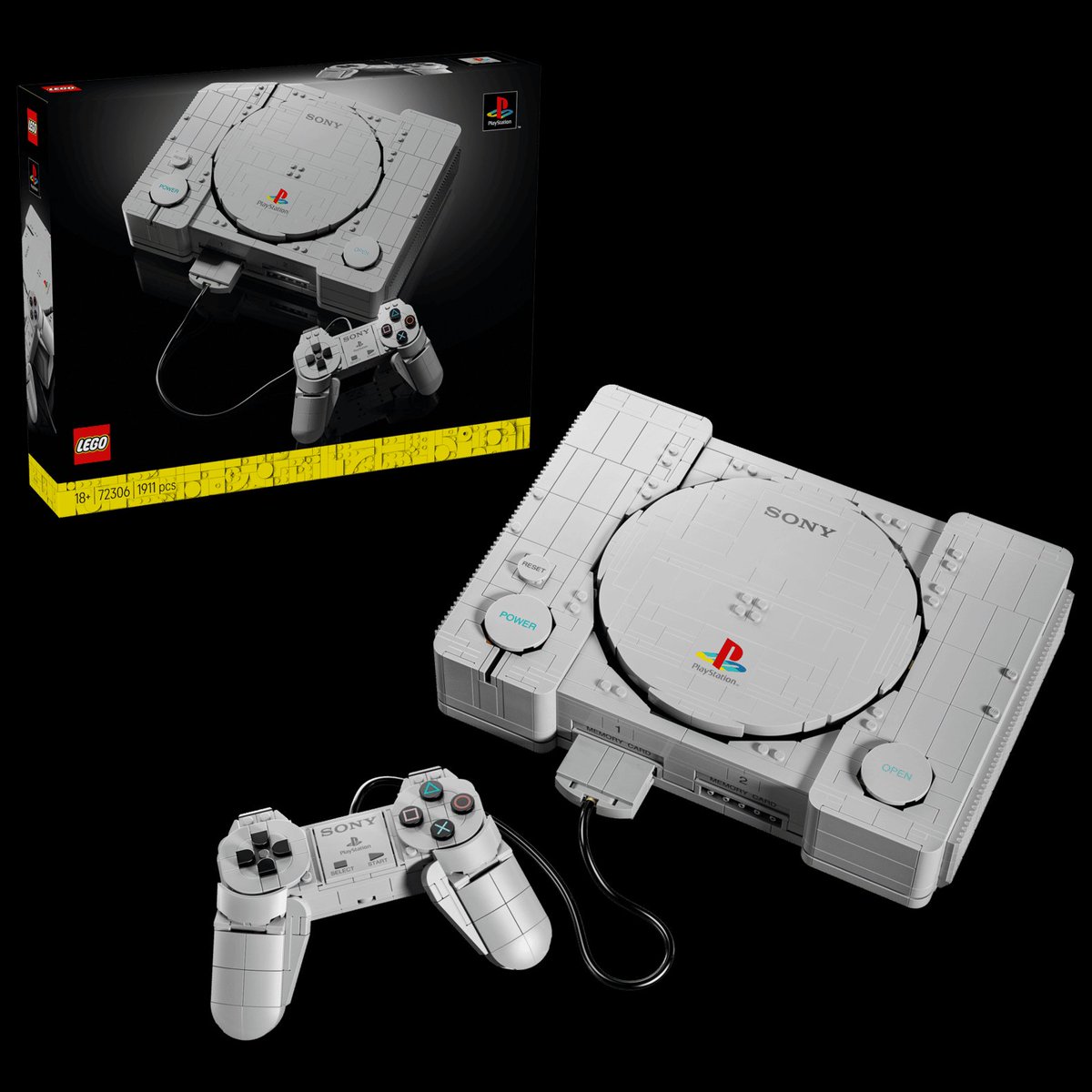
LEGO just turned the original PlayStation into a 1,911-piece display set — almost 1:1 scale.
It even hides tiny Gran Turismo and Ape Escape dioramas inside.
€159.99 for a brick-built PS1… ridiculous or actually tempting?
POLARIS is back in Hamburg on Oct. 9–11, and this year actually looks pretty fun: retro games, indies, tabletop, cosplay and creator stages all in one place.
Anyone here planning to go?
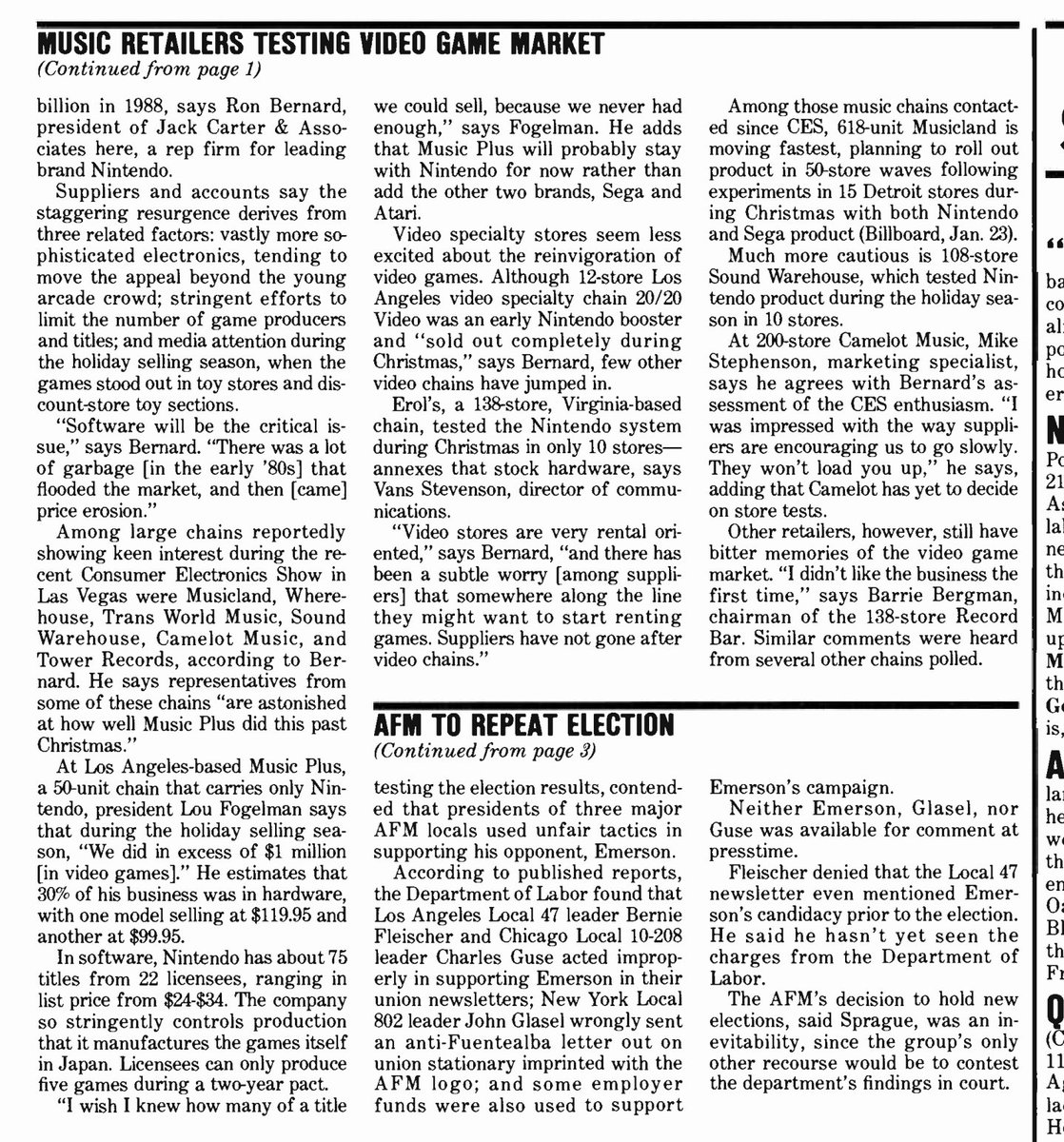
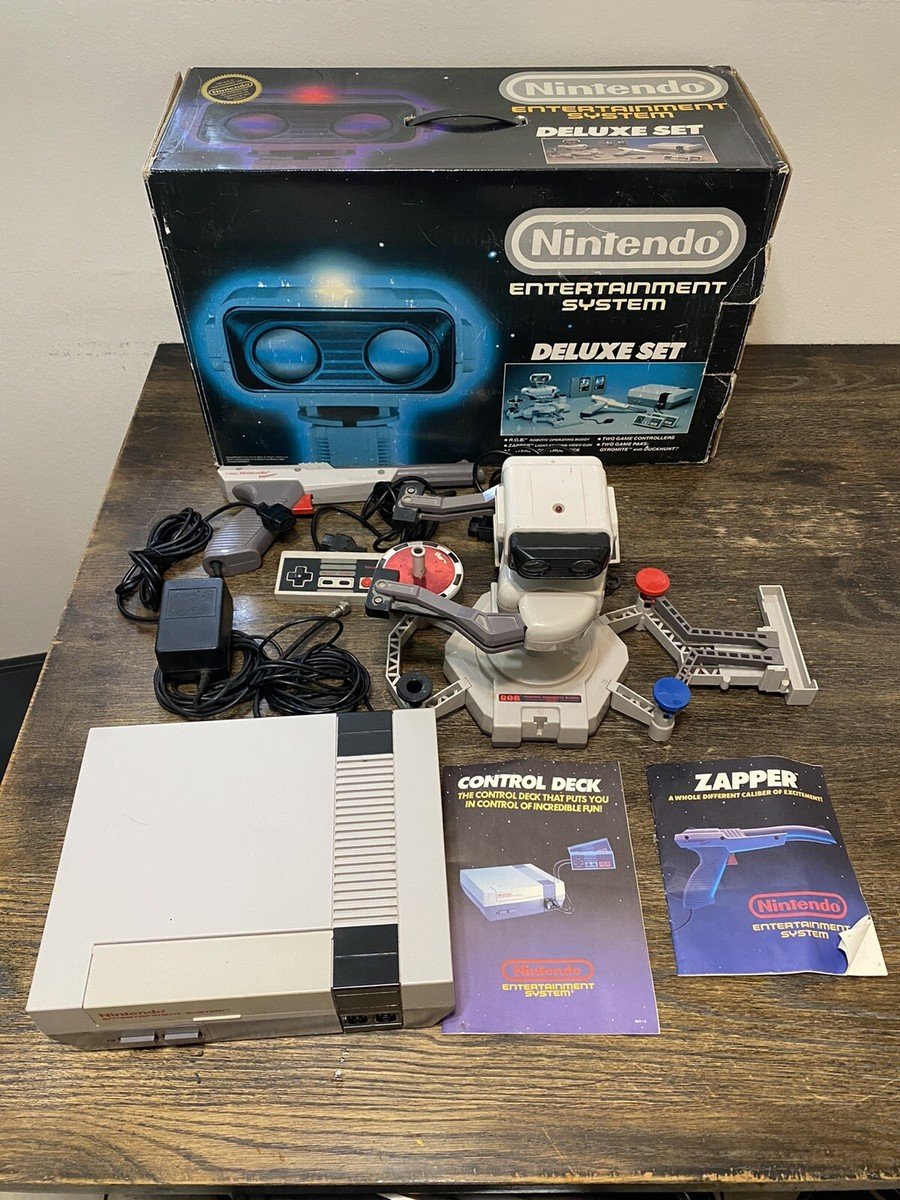
Nintendo didn’t just relaunch the console market — it controlled it.
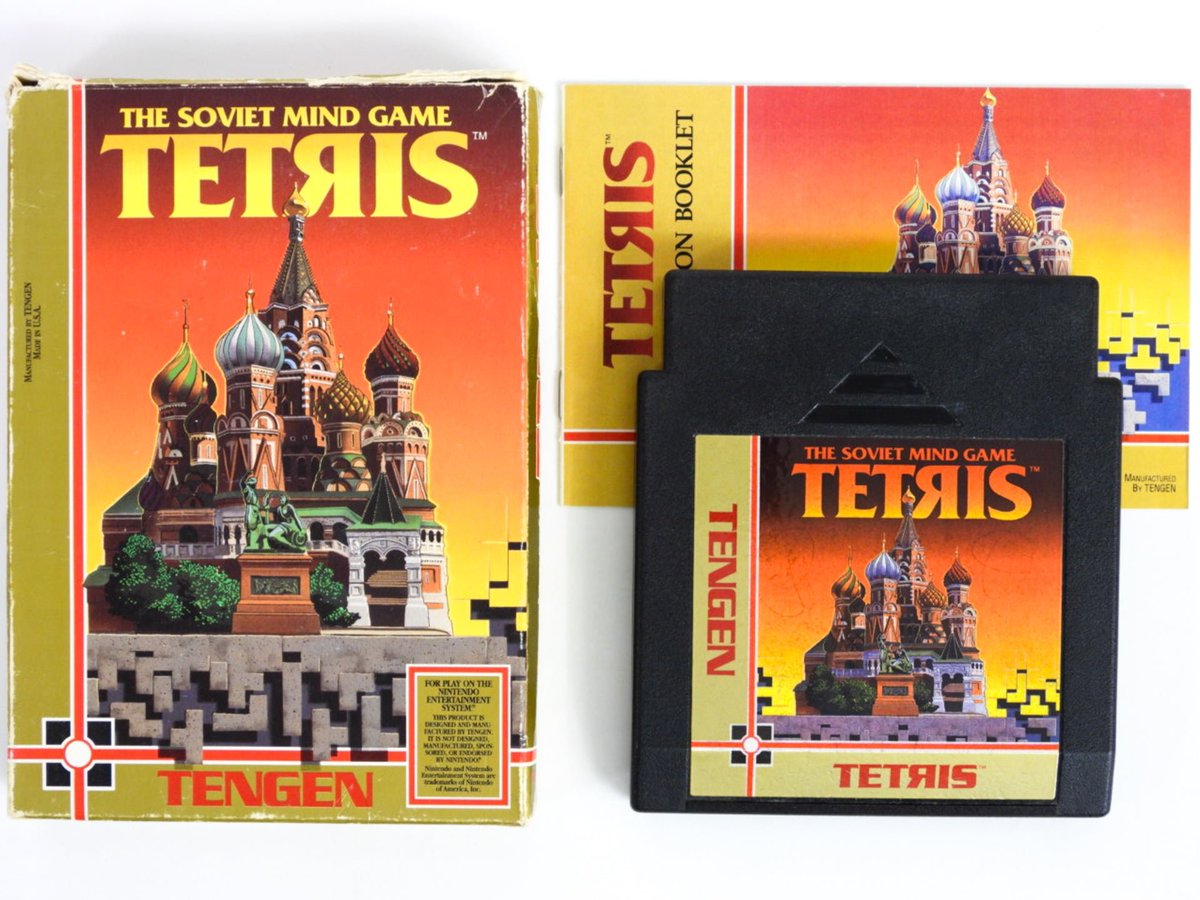
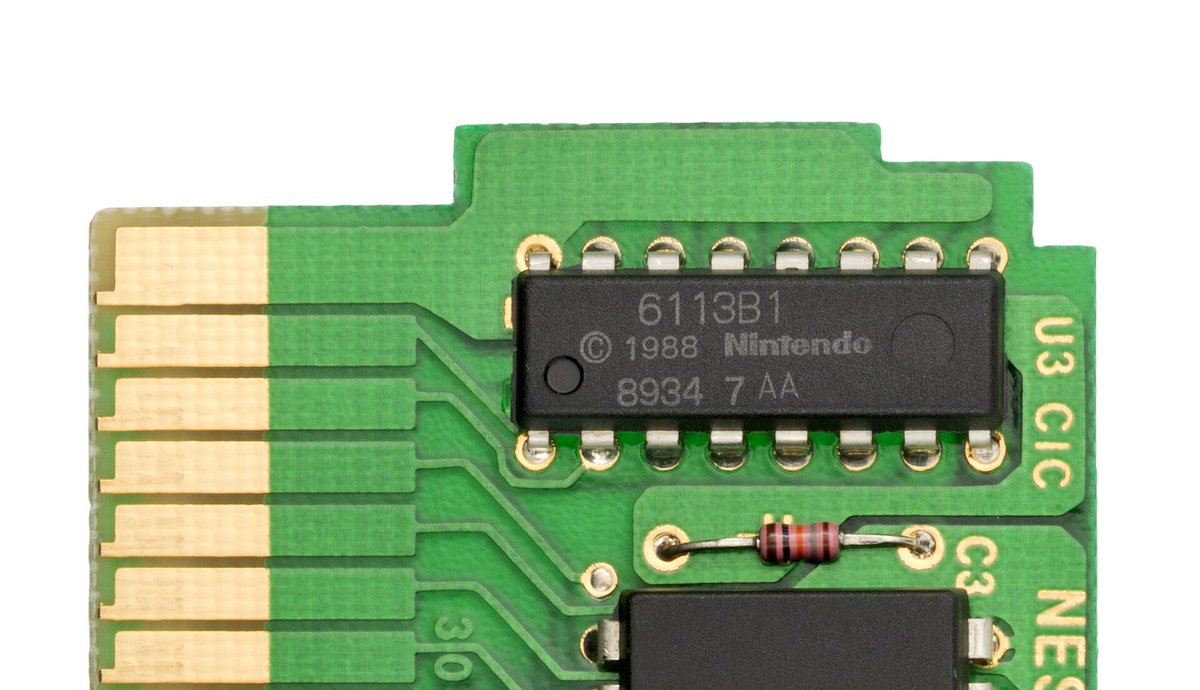
NES publishers were limited to a small number of releases, Nintendo manufactured the cartridges, and the 10NES chip blocked unlicensed games.
After the crash, Nintendo chose control over chaos.
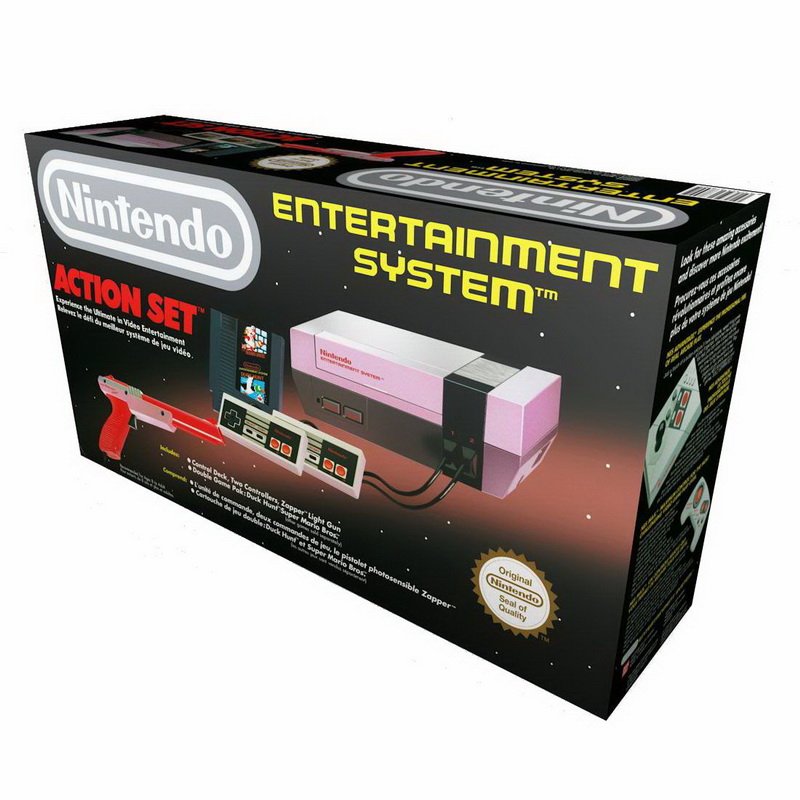
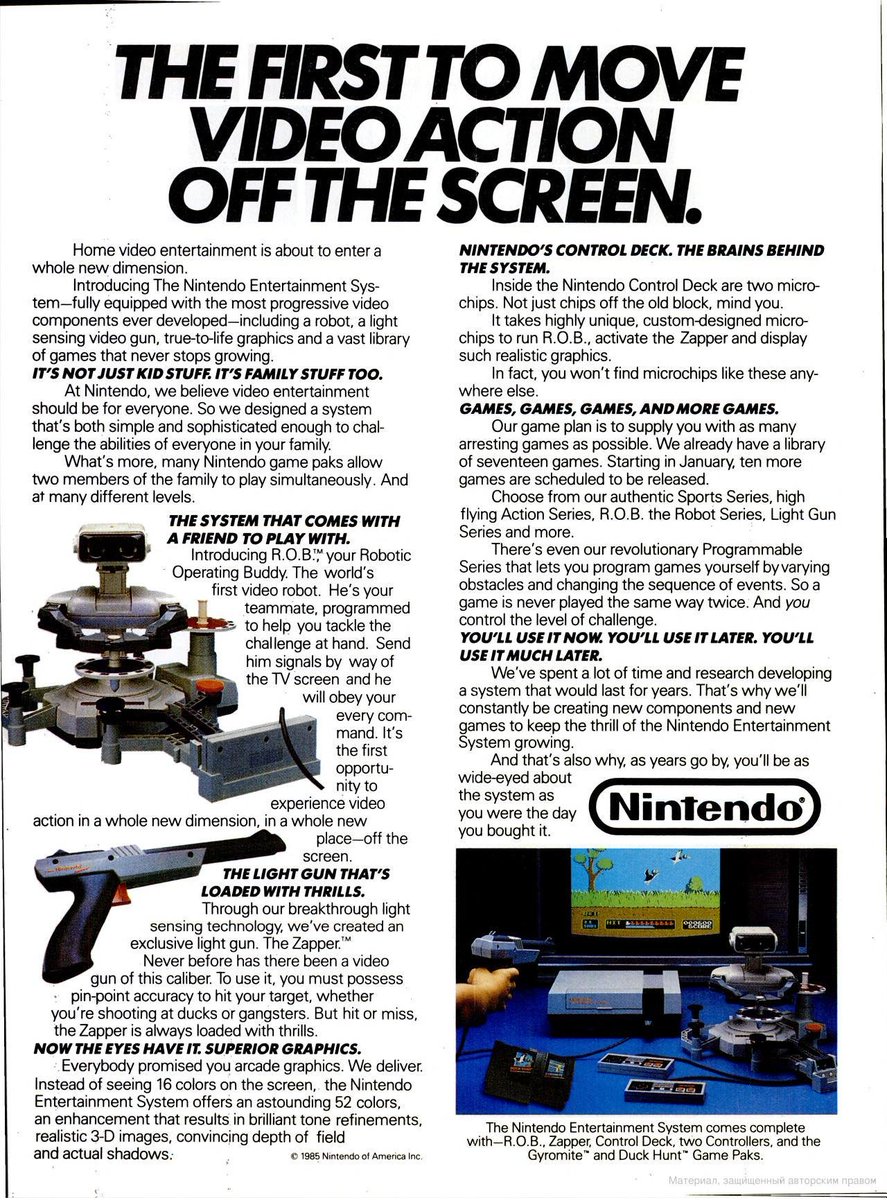
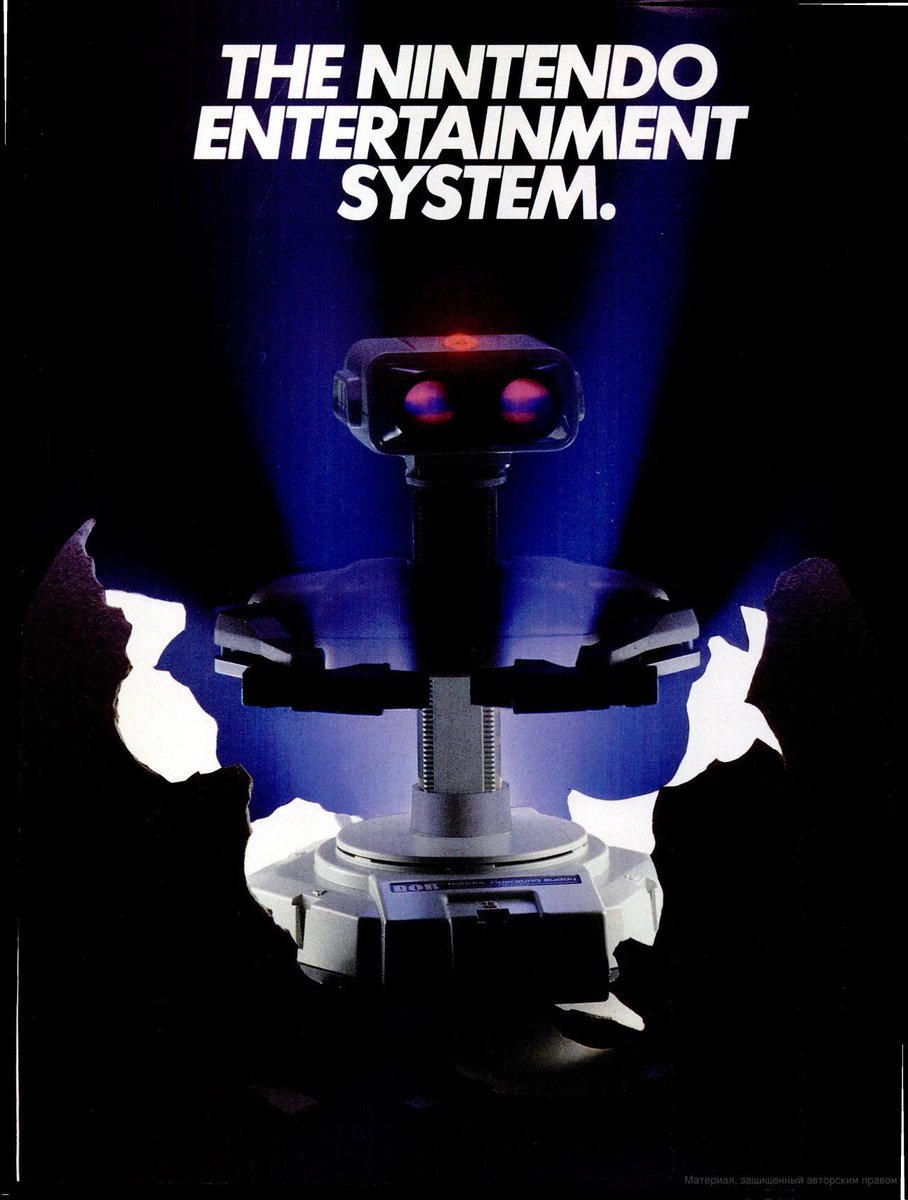
In 1985, selling another video game console in the US was a risk.
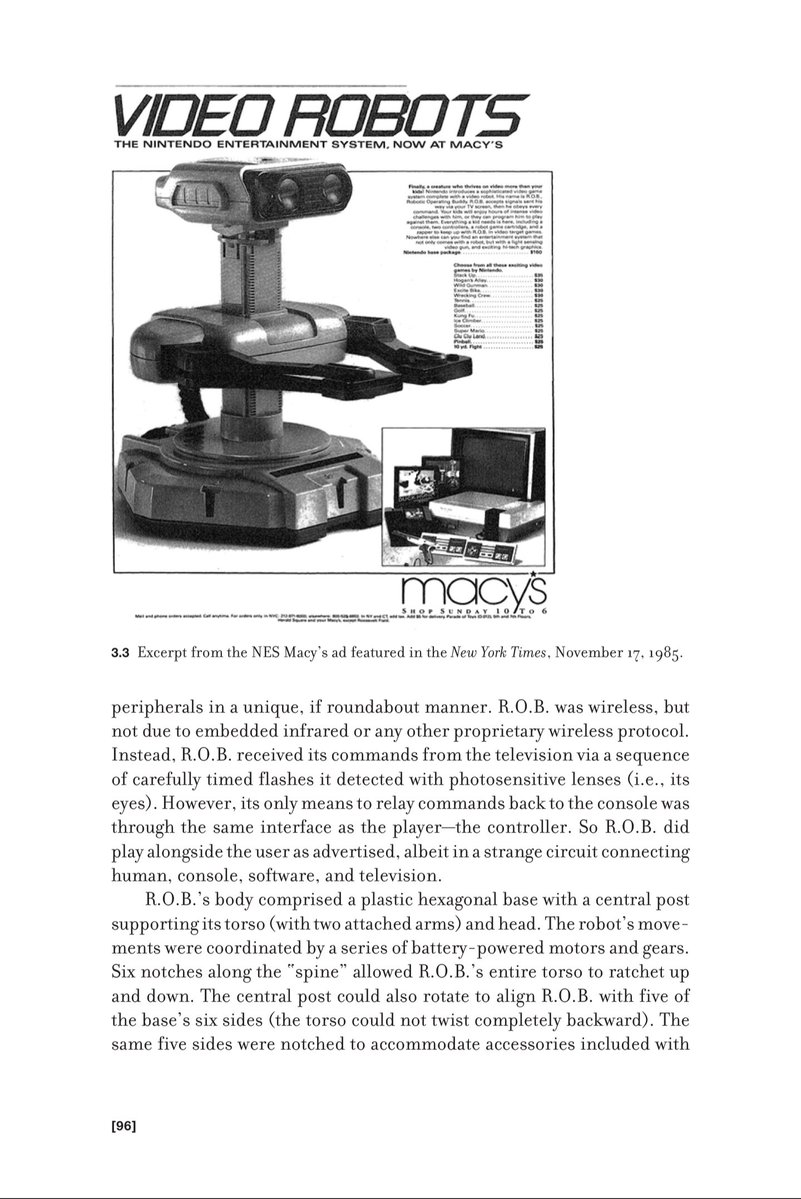
Nintendo tested the NES in New York, pushed R.O.B. and the Zapper, and even called cartridges “Game Paks.”
It wasn’t just a new console. Nintendo was trying to make consoles look new again.
By October 1983, the US video game market was in chaos. Atari had lost $356 million that year, Mattel’s electronics division was down $201 million, and publishers were drowning in unsold games.
The crash wasn’t caused by one bad cartridge. It was an industry-wide collapse.
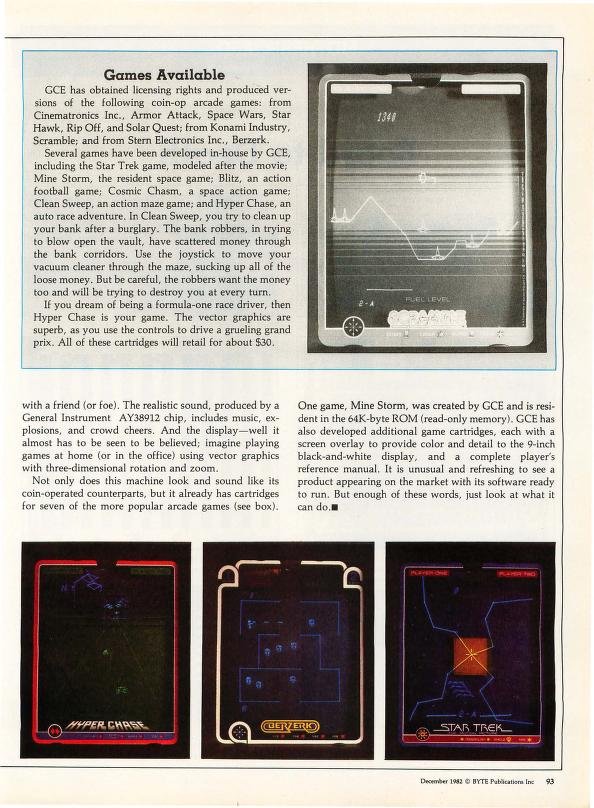
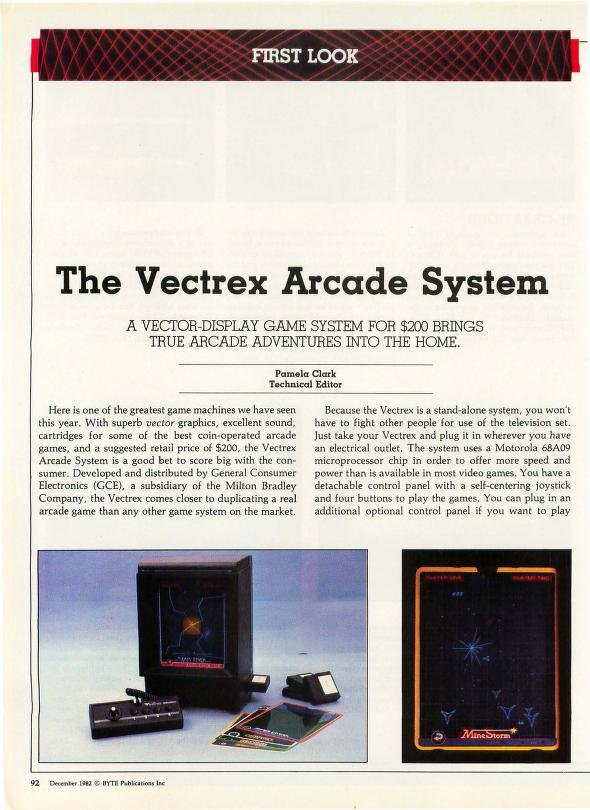
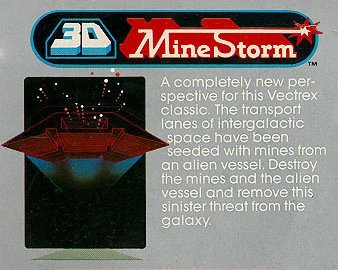
In 1982, Vectrex tried something completely different: a console with its own built-in vector display.
BYTE called it one of the closest home systems to a real arcade machine.
Brilliant idea — terrible timing. It launched just before the 1983 crash.
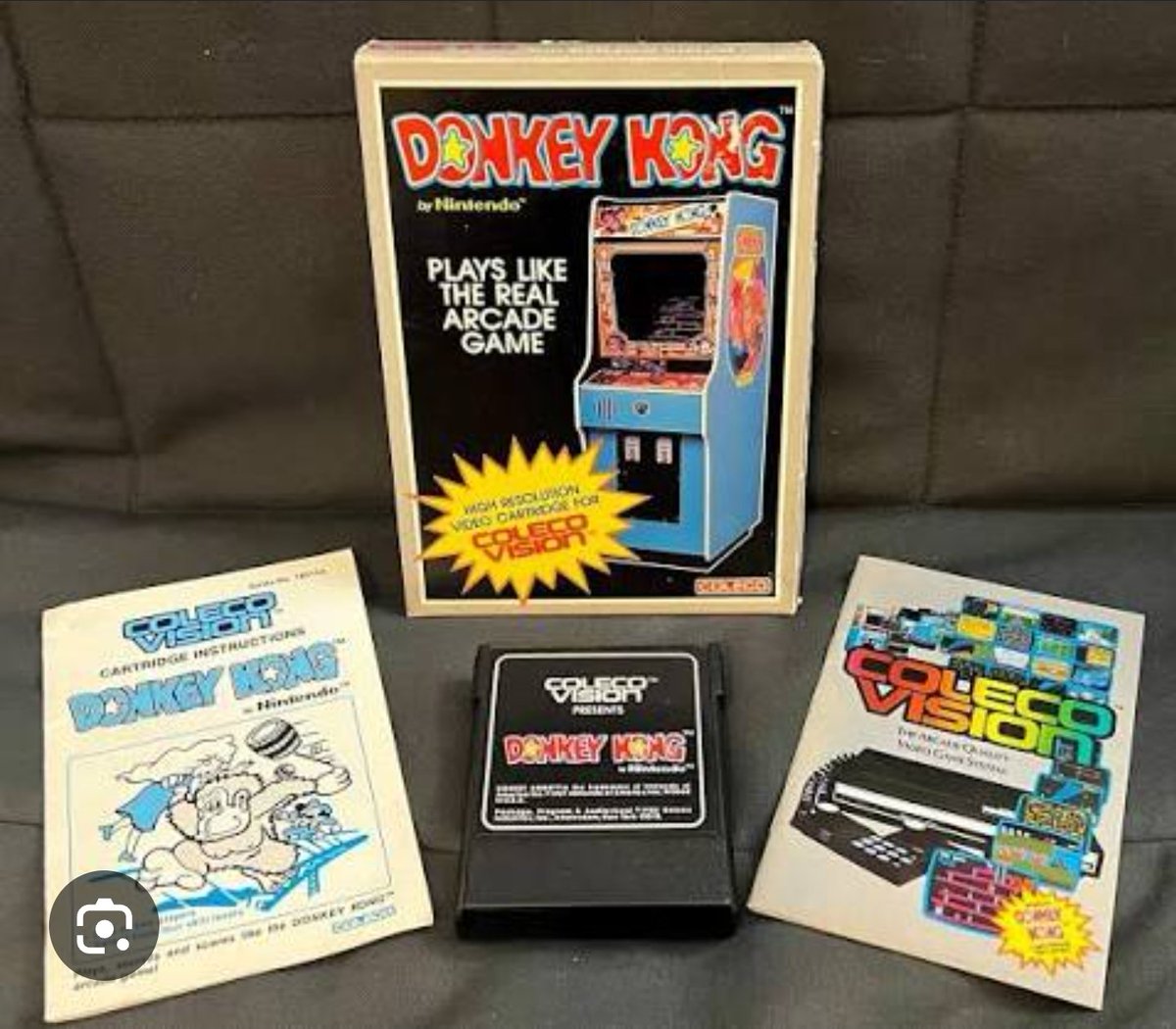
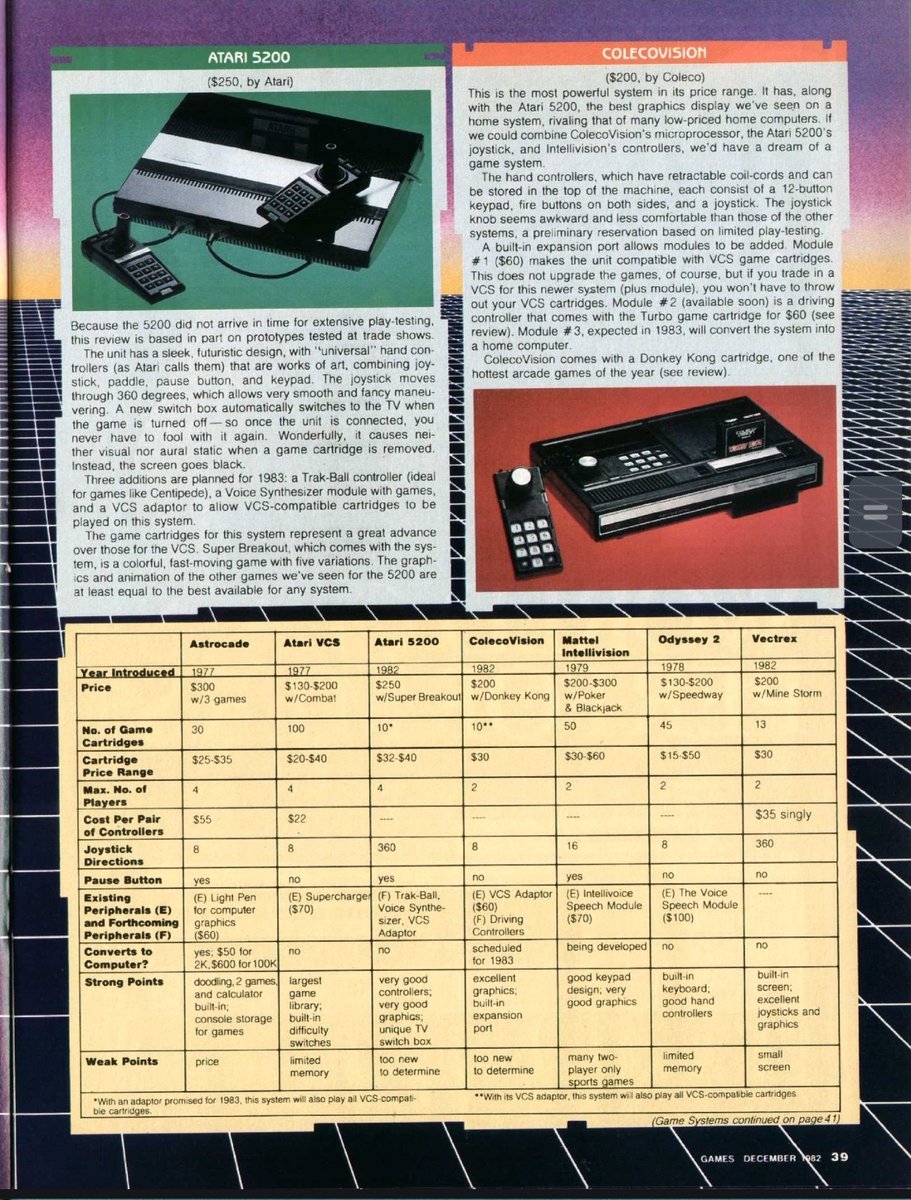
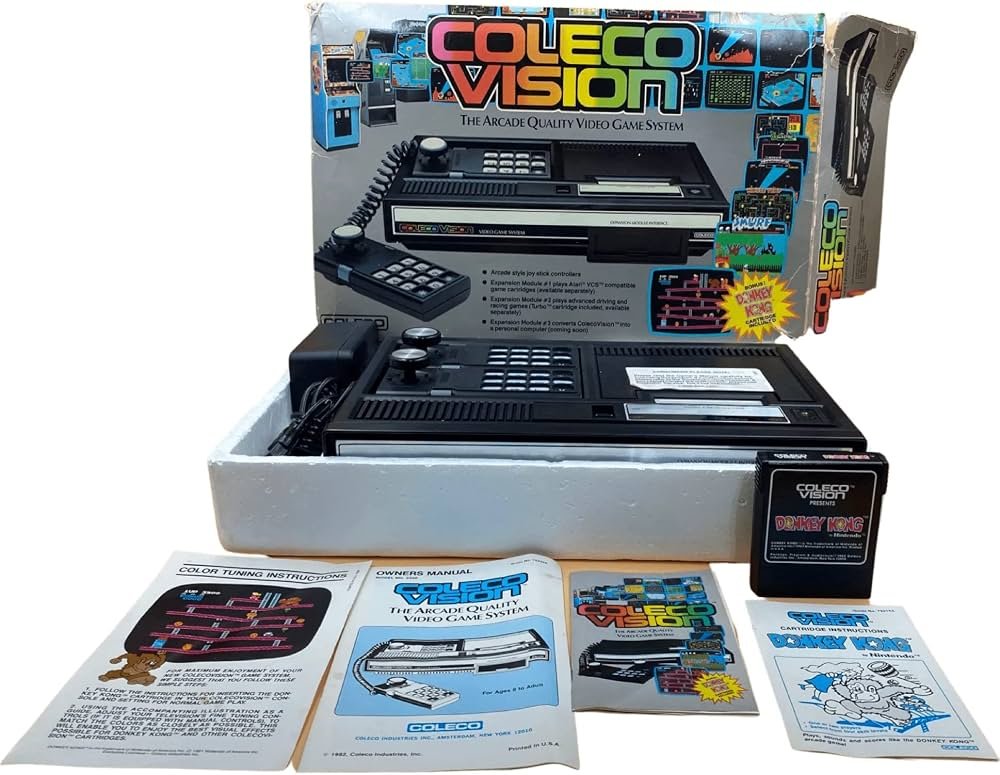
In 1982, ColecoVision arrived with graphics that looked far closer to the arcade than most home consoles.
Its killer move was Donkey Kong packed in with the system.
For a brief moment, Coleco looked like it had found the future of home gaming.
Before it became the Atari 5200, Atari’s next console was known internally as “System X.”
It was announced to the trade in January 1982 and launched later that year as Atari’s answer to a rapidly changing market.
A strange name for a very transitional machine.
In 1981, Electronic Games used the term “Easter egg” for hidden secrets in videogames. Atari’s Steve Wright is credited with the phrase after programmers began hiding names and messages inside games.
A tiny term that became part of gaming history.