The Somerset Farmhouse of 1 North Street, Williton were approached by a "food influencer" that wanted to charge them £2,000 for a review.
They put out a video of Sally eating a sausage roll instead 😆.
Lets make Sally and the Somerset Farmhouse famous for free.
@LilyLilyMaynard@smithyg1177 I'm a bloke, a beggar asked me for money. I said I don't do cash. He then asked if I'd buy him something with my bank card then. His whole face, head and throat was covered in green stars tattoos. No wonder he had to beg.
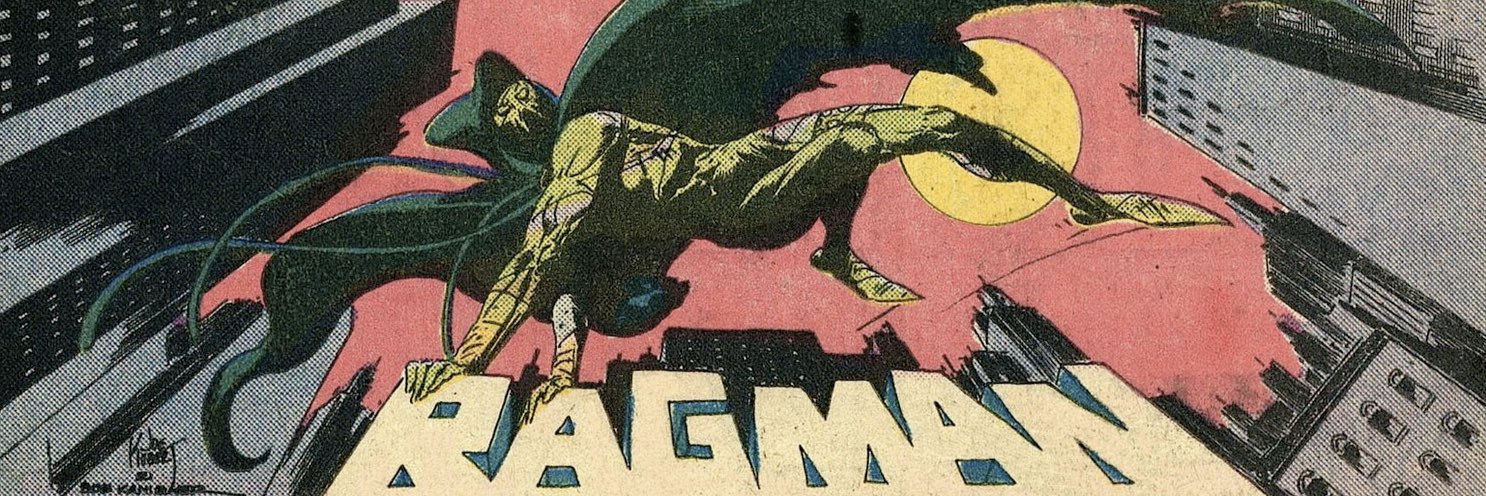
@gulfcoastspidey Sixty years on and these old Marvels are still amongst the best comics have to offer. Clark Kent never had an editor like J. Jonah Jameson :-)
@gulfcoastspidey It's one of my all time favourites:-)
Ditko could make fight scenes last for page after page and they never felt forced or that it padded out the page count...
@jm_meunier You'll have to prize my Herbie comics from my cold, lifeless hands. Also, I'm unable to confirm right now if this is Magicman & Nemesis's only team appearance (but might in a few months time) ☺️
@fesshole I got a bargain priced 2nd hand Canon 550D (sic?) and immediately disliked it due to the metering system and went back to my old Olympus OM2 then ended up only using my smartphone.
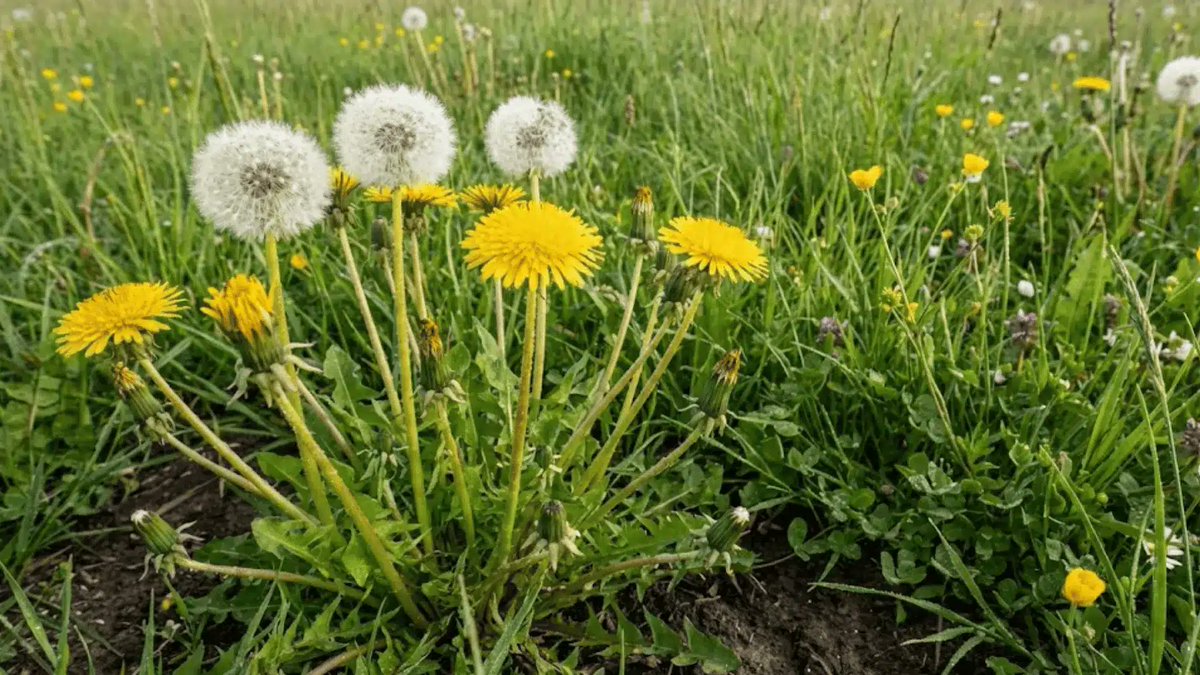
The reason we think dandelions are weeds is because of a 1950s marketing campaign.
Dandelions, native to Europe and Asia, were brought to North America in the 1600s by European colonists who grew them deliberately.
Every part is edible. The leaves are a salad green, the flowers were made into wine, and the roots were roasted as a coffee substitute and used medicinally for liver and kidney conditions for thousands of years. They were a kitchen-garden staple well into the 1800s.
The shift happened after World War II, when 2,4-D (originally developed for chemical warfare research) was approved as a residential herbicide. Companies like Scotts built the modern lawn-care industry around the idea that a perfect green lawn meant zero broadleaf plants.
Dandelions, being bright yellow and resistant to mowing, became a visible enemy, and the campaign worked. By the 1970s, "dandelion-free" was synonymous with "well-kept."
They aren't native, but they aren't doing significant ecological harm either. The herbicides used to kill them, on the other hand, kill bees, contaminate groundwater, and have been linked to non-Hodgkin lymphoma in humans.
If you hate dandelions, it's most likely due to a marketing campaign that ran before you were born.