Co-Founder & CEO, Mediator | Ex- Google, YouTube, NBCU | Building the broadcast stack for new media: Breaking Points, Pomp, Pirate Wires, NOCD, BT1D, etc.
Yesterday, using multiple one-way attack surface drones, CENTCOM forces successfully struck a submarine and ship maintenance facility in Iran. Three Corsair unmanned surface vessels hit the port at Bandar Abbas Naval Base, marking the first time American forces have employed sea drones in combat operations. Last night’s strikes degraded Iran’s ability to continue attacking commercial shipping.
The creator economy is consolidating around new media shows. Almost no one has the team to build them.
My first Cannes Lions made that clear. Creators, talent, and brands want YouTube shows and podcasts and need someone to run them.
That’s what we do at Mediator. Au revoir 🇫🇷
Airbnb is bringing creators into its Experiences business. Right about the opportunity, wrong about why.
I helped build creator monetization at YouTube. The economics aren’t going down. Creators learned long ago that ad share was never the whole business, so they built revenue they control and audiences they own.
IRL experiences are one version of that, not a rescue from platforms that aren’t failing. And it only works for creators whose fans would actually show up in a room.
The Knicks just won Game 1 of the Finals 🤯Their two stars (Jalen Brunson and Josh Hart) also run one of the most successful podcasts in sports.
The interesting part is the company behind it.
Playmaker HQ took The Roommates Show from two players with a mic to a real franchise that runs 5,000-person live shows in Central Park and books guests like Jon Stewart. Brunson and Hart supply the gravity. The operator supplies everything else.
Playmaker HQ was acquired for up to $54M in 2023.
Every dynasty has a front office. So does every show that lasts.
Everyone’s reading Jay Shetty’s $100M deal with Netflix and Spotify as a creator win, and it is one.
It’s also a reminder that nobody builds a show worth that much alone. There’s a company behind every podcast the streamers are fighting over right now.
A lot of the real value in media is being built by the people you never see on camera.
According to The @Nielsen Media Distributor Gauge, @YouTube is the #1 distributor in watch time across broadcast, cable and streaming in the U.S., with 13.2% of total TV viewing in March 2026.
Mandalorian and Grogu opened to $82M. Worst Star Wars opening since 2012, and Disney's calling it a win anyway. Why? It cost $165M, not $300M. I think the whole industry is quietly relearning what creators always knew. Match the budget to the audience you actually have.
Spotify spent its investor day courting podcasters with paid memberships, then launched an AI that generates podcasts for you. Same keynote.
I’m a big @Spotify fan, but you can't recruit creators and compete with them at once. Every platform is going to have to pick a side.
James Murdoch bought half of Vox Media, and the podcast network was valued higher than New York Magazine. Print isn't the story here. Audiences follow people now, not mastheads. Talent is the asset. Build your company around that, or get bought by someone who did.
Publicis has now spent over $1.2B acquiring creator and influencer companies in two years. The holding companies aren't just buying into the creator economy, they're trying to own the infrastructure. Independent agencies that move fast still have the edge on taste and talent. For now.
https://t.co/qDwoTeP5p7
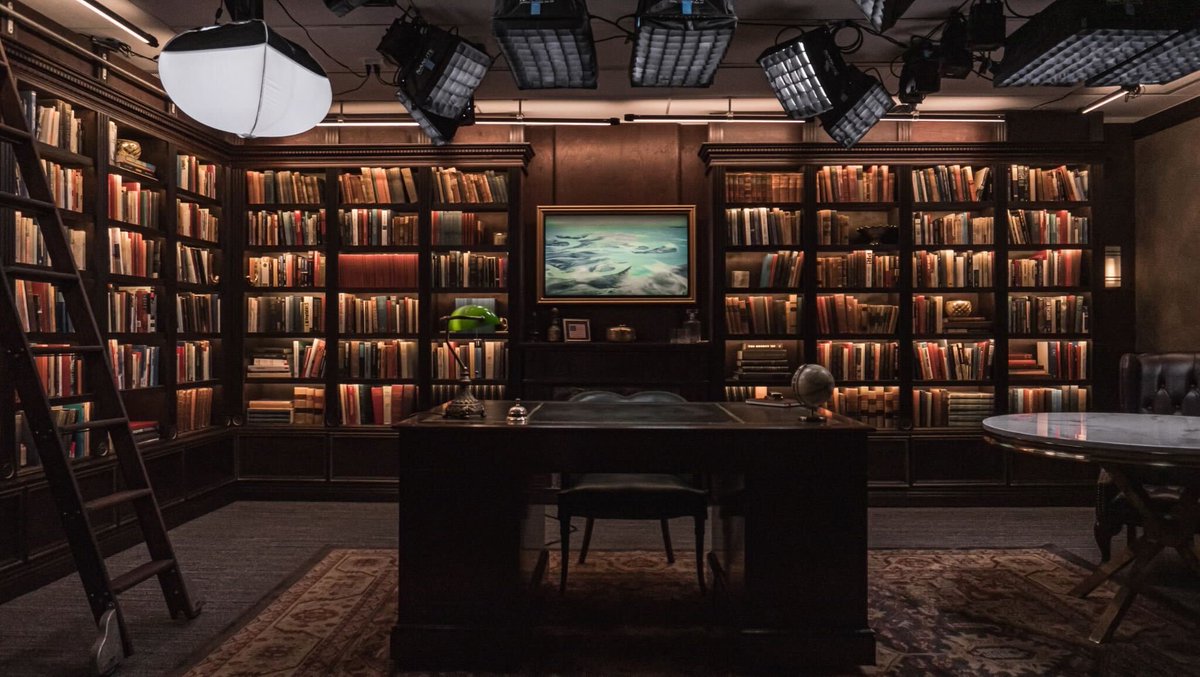
Today we are launching a new content studio at our New York headquarters.
We are doubling down on deep conversations to help serious investors make money across asset classes.
Let us know who we should talk to next.
The last decade was defined by two different games.
One game was driven by insider access to asymmetric opportunity. Trillions of dollars in value has been created by SpaceX, OpenAI, Anthropic, Anduril and many others, yet the average American was not allowed to invest in these due to the accreditation laws.
The other game was driven by free market access to bitcoin, which has been one of the most asymmetric opportunities in financial history. Anyone could participate who had an internet connection and trillions was created in value.
There is no reason for the accreditation laws to exist now that we have seen the results of the last decade.
Let people invest their money in any asset or any market.
Access shouldn’t be limited by wealth status, nor should we prevent Americans from capturing returns because the government thinks they can predict winners and losers.