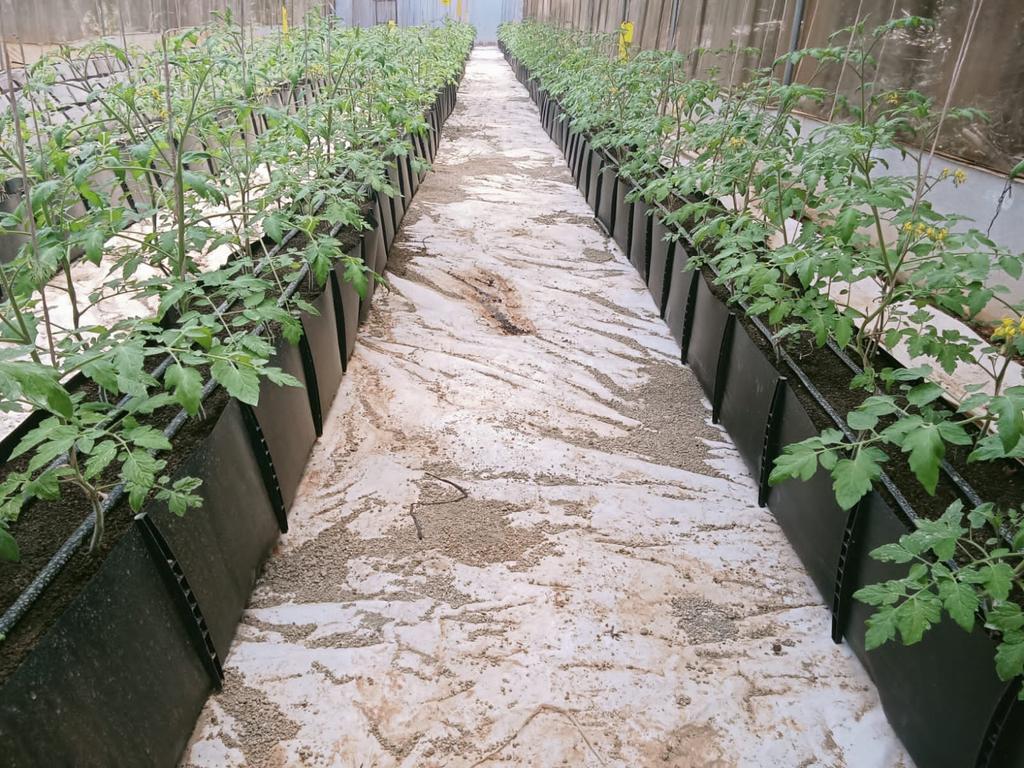
@dr_kihato@Fredmunene_@Kalebndolo ... A major way forward is production under protected environment to stabilize the supply. Investing in this, in Ghana, shall be profitable. Cheers!
@dr_kihato@Fredmunene_@Kalebndolo That's a more advanced production. Really interesting. Ghanaians depend so much on tomato. However, the price of tomato is seriously governed by the elasticity of supply which is also governed by rainy days and non-rain days. Farming is predominantly, rain fed...
@Fredmunene_ Great job there @Fredmunene_ . Keep it up. Another key issue with tomato production has to do with crop protection: from a source, keep pepper and other solanaceous crops or products away as they harbour diseases and pests and can easily infest the delicate & vulnerable tomato.
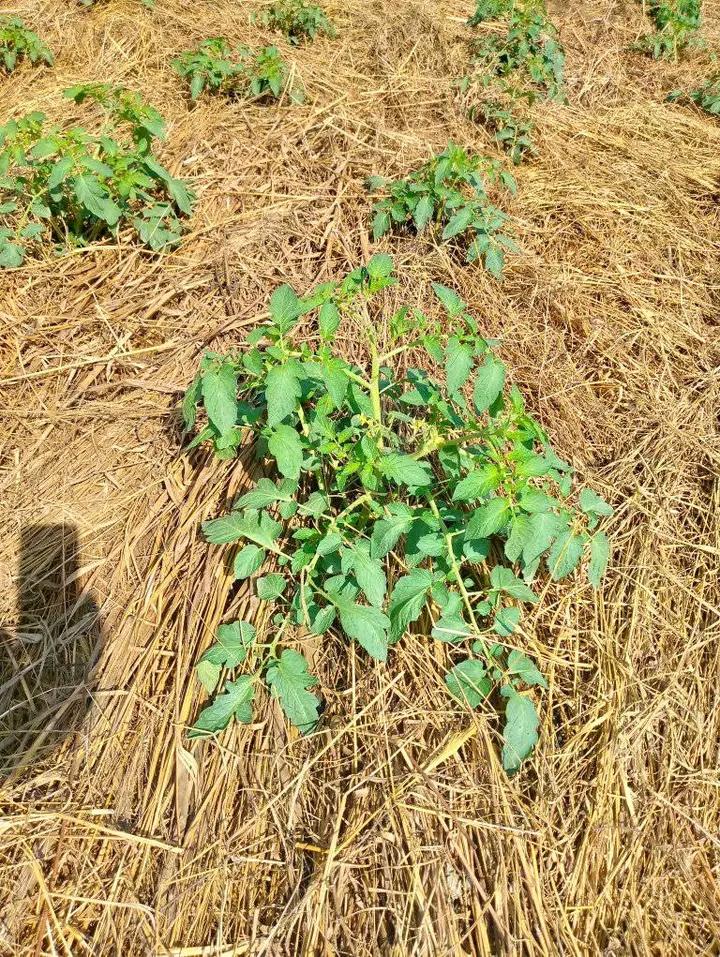
@Fredmunene_ You have left behind Mulching!!
*Mulching helps to keep the soil moist, controls the spread of pests and diseases and controls weeds.
*Mulching also protects the fruits from touching on the bare ground which causes fruit rotting.
Mulching is done two weeks after Transplanting.
4: Staking
Tie tomato stems on stakes/string to support all stems. This ensure you get good flower setting, clean and disease free fruits and make harvesting easy.
For more information Check my YouTube channel https://t.co/K7saFciKSe
8/10
-On the 5th to 6th week, flowering and fruiting stage, top-dress again with calcium fertilizer with traces of Boron and zinc plus Pattasium based products. This help the continues flowers and fruits formation and it's at a rate of 100kg/Acre.
6/10
-After 3 to 4 weeks, we topdress with Nitrogenous fertilizer combined with Calcium and Boron. This help the plant to increase it's vegetation and prepare it for flowering and fruiting formation.
5/10