A friend of mine jumped from a 25 LPA salary to 40 LPA to now 65 LPA with 6 offers in a span of 1 year and all he did was upskill and learn for 4 months.
2026 is the best time to transition to an AI role, these roles come in different names and forms - AI Engineer, AI Founding Engineer, Forward Deployed Engineer, MLOps Engineer, etc.
but almost all of them test you for the same skillset. If you are in a service based company or a product based company doing the legacy work. Give yourself 3/4 months of upskilling and you will be back in the game.
What you should study:
- Fundamentals are still important, they will help you answer things that no one ever studies for.
- Build foundations and use of all the coding tools efficiently including Claude/Cursor.
- Build more projects - Agents, RAG, Harness, Inferencing, Loops, and more.
- Contribute to Open Source as you get reachouts based on your gitHub activity also.
How to apply:
- Look for all companies that got funding in last 3 months - India and globally and do cold reachouts - please don't do automations (in the world of automations, do this manually for a better response rate).
- Build and Keep your profile active on Naukri, Hirist, Instahyre and apply for all roles on LinkedIn.
- Be active on X for remote opportunities and also keeping yourself updated with what is new.
and done, give interviews as many as possible to understand what they ask. Once you give 4/5 interviews you understand the patterns and then you are in the game clearning interview after interview.
if youy want to know from where to study this stuff for FREE, follow for the next post :)
#AI #Engineering #Jobs #Tech
Created a small video explaining how Karma actually manifests in our lives at what level and with what effect. Clarifying misunderstandings about Karma.
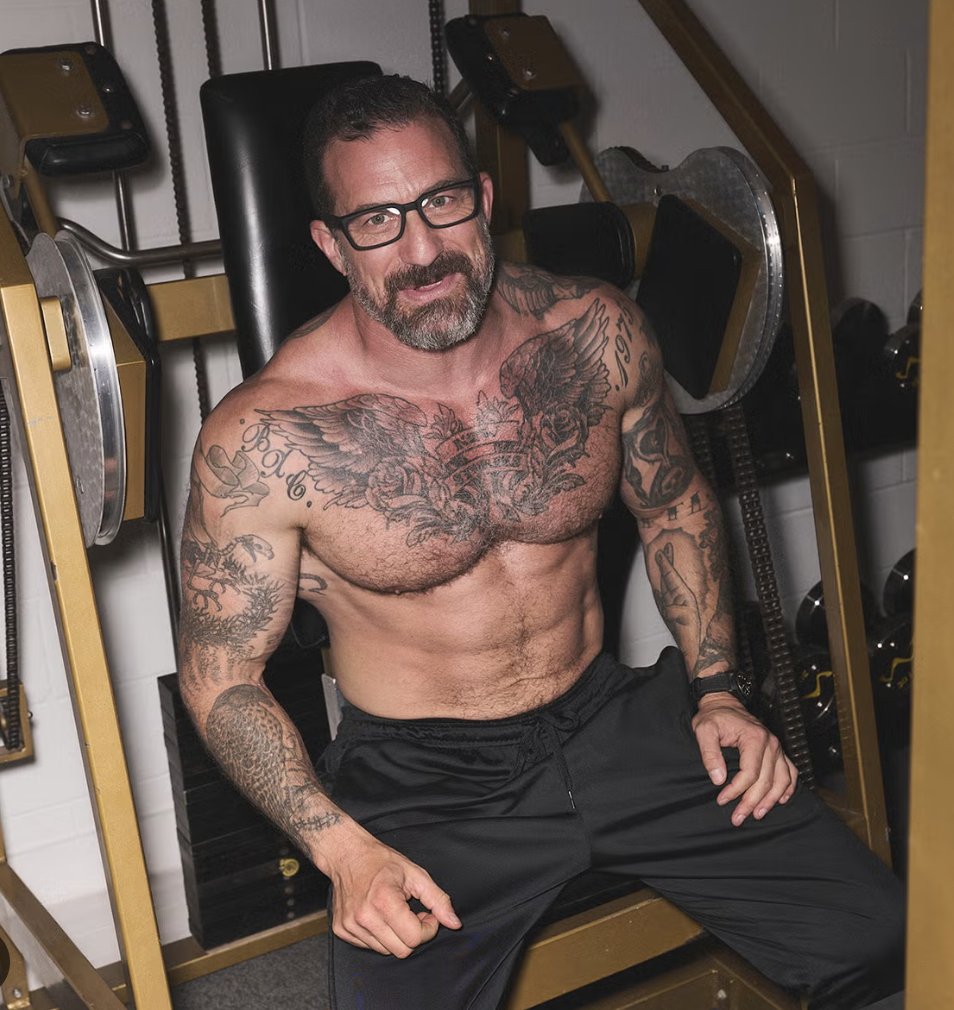
Andrew Huberman just put out a 540-page operating manual for your body.
It's split into 7 sections: sleep, exercise, stress control, nutrition, light, focus & learning, and personal growth.
It's packed with knowledge, but if you don't have time to read the full thing...
Here are the MOST important tips from "Protocols":
1. Light
Get outside in the first 30-60 minutes after waking. 5-10 minutes if it's clear, longer if it's overcast. Has to be real outdoor light too, since a window filters out the wavelengths doing the actual work. This is what sets your circadian clock for the day, which affects when you get tired at night and how well you handle a bad afternoon at work.
2. Stress control
Two short inhales through the nose, one long exhale through the mouth. It's called the physiological sigh. The second inhale reopens collapsed air sacs in your lungs, and the exhale drags your heart rate back down. Takes under 30 seconds, no quiet room required. Do it walking into the meeting.
3. Exercise
Train early in the day if your schedule allows it, and try to keep the timing consistent. But the more useful shift is dropping "what's the best workout" for "what do I actually want to keep being able to do." Strength. Endurance. Mobility. Still moving well decades from now. That's most important.
4. Focus & learning
You learn in the zone where you're bad at something & keep messing it up. That friction is the signal your brain uses to rewire. If a task feels easy, you've probably stopped growing from it. One real block of hard, focused effort beats several hours of comfortable work, and the phone goes in another room, not face-down on the desk.
5. Sleep
Lamps instead of overhead lights once it's dark. It's not just melatonin. Bright light late in the evening keeps cortisol up, and cortisol has to drop before your body lets you fall asleep. Pair that with a dark room and you've knocked out two of the quieter disruptors to sleep quality.
6. Personal growth
You're playing a role most of the day. Employee. Parent. The person everyone dumps their problems on. Step out of all of it for a few minutes and do something that produces nothing for anyone. No output, no audience, nobody waiting.
7. Nutrition.
There's no one-size-fits-all for nutrition. But good rules of thumb to follow: 90% or more unprocessed foods, fibrous vegetables & fruits for carbohydrates, Protein at every meal, & hydration is a top priority.
What stood out to me about all of this:
Huberman already has one of the biggest podcasts in the world. He doesn't need the money or attention.
He still wrote & published this book.
Why?
Because books are the most underrated authority builders in the world.
If you know a subject well, fitness, parenting, investing, etc...
Putting that knowledge into a book does more for your credibility than anything else.
If you're interested in learning how to self-publish a book yourself...
DM me "Authority" & I'll show you how.
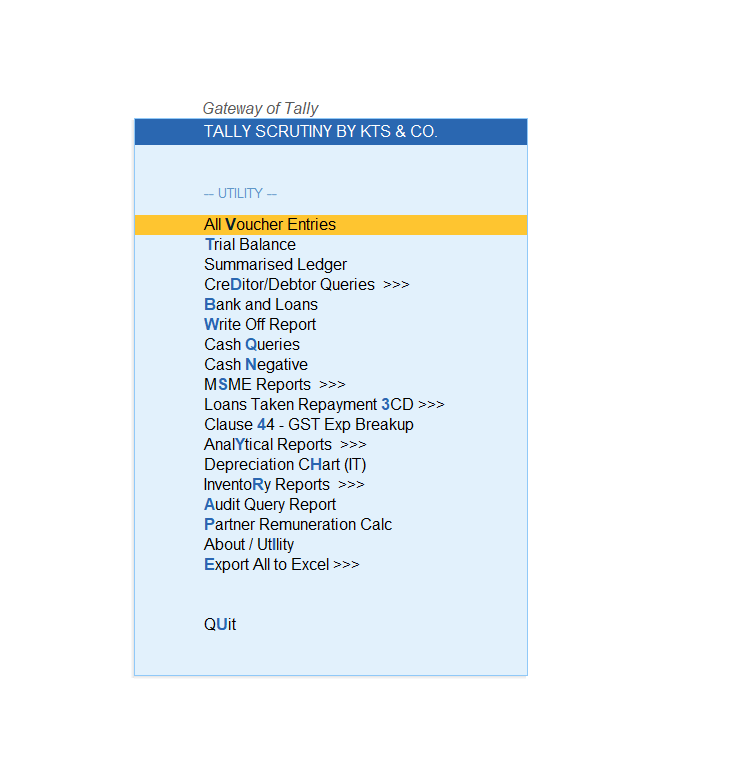
This year I am using this wonderful tool by @tirthshah28 bhai "Tally Scrutiny"
The Tax Audit Work is reduced a lot. Few features that I liked a lot:
1. Sales, Purchase, Expense analysis party-wise month-wise analysis
2. 269SS & 269ST Reporting of 3CD
3. MSME Creditors Ageing for 43B(h)
4. Dedicated Excel Add-in for cleaning/analysing the data.
5. 26AS Reconciliation with books
6. Fixed Asset Register Analysis
7. Ledger Scrutiny on the basis of set of Rules that you can set.
8. Clause 44 GST Expenditure wise breakup.
9. Creditors and Debtors Ledger Scrutiny.
Not just that, it helps you in regular Internal Audits and MIS Reporting as well.
Really worth the money as This TDL is Making Reporting Process simpler and save time with automated analysis.
Demo of the tool: https://t.co/aQj0n6yEHo
Take Trial of the TDL: https://t.co/qYYrchKijp
Life is funny.
You come with nothing,
spend every minute chasing something,
spend lifetime worried of losing something
and leave with nothing but the person the chase made you.
Maybe that was the point all along.
Indira Sagar Dam reservoirs is the largest reservoir in India in terms of water storage capacity
It is located in the Khandwa district of Madhya Pradesh.
The dam is built over Narmada river.