Husband l Father of 3 | CCA/CCS | Location Ops Manager WCFS | BHE ▶️UWP | Advocate of Agriculture Education | 💙 ILLINI 🏀 My thoughts and opinions are my own*
Want to extend grazing days and reduce hay costs?
Rachel Walker shares four fall priorities: control winter-emerging weeds, tackle brush before frost, use rotational grazing and preserve valuable legumes where they fit.
Learn more: https://t.co/be5rtAd14L
Trash or treasure? Crop residue can be both! Discover how effective residue management can turn harvest leftovers into an opportunity for healthier soils and more resilient cropping systems.
🔗 Read more on Field Advisor: https://t.co/HmIkylGKbo
Illinois College students - scan the QR code below to learn about getting free study materials and exam fees to become a @CCA thanks to a grant from @ILSoybean
Can wheat and soybeans work together to deliver greater profitability? Join this Illinois Soybean Association On-Farm Trial Network and help answer the questions on your farm: https://t.co/pTeg0qvsan
ISA Farm Manager Jim Isermann shares results from evaluating cereal rye, wheat and winter barley to compare establishment, biomass production and performance ahead of soybean planting. Watch now: https://t.co/EKacUaSXAP
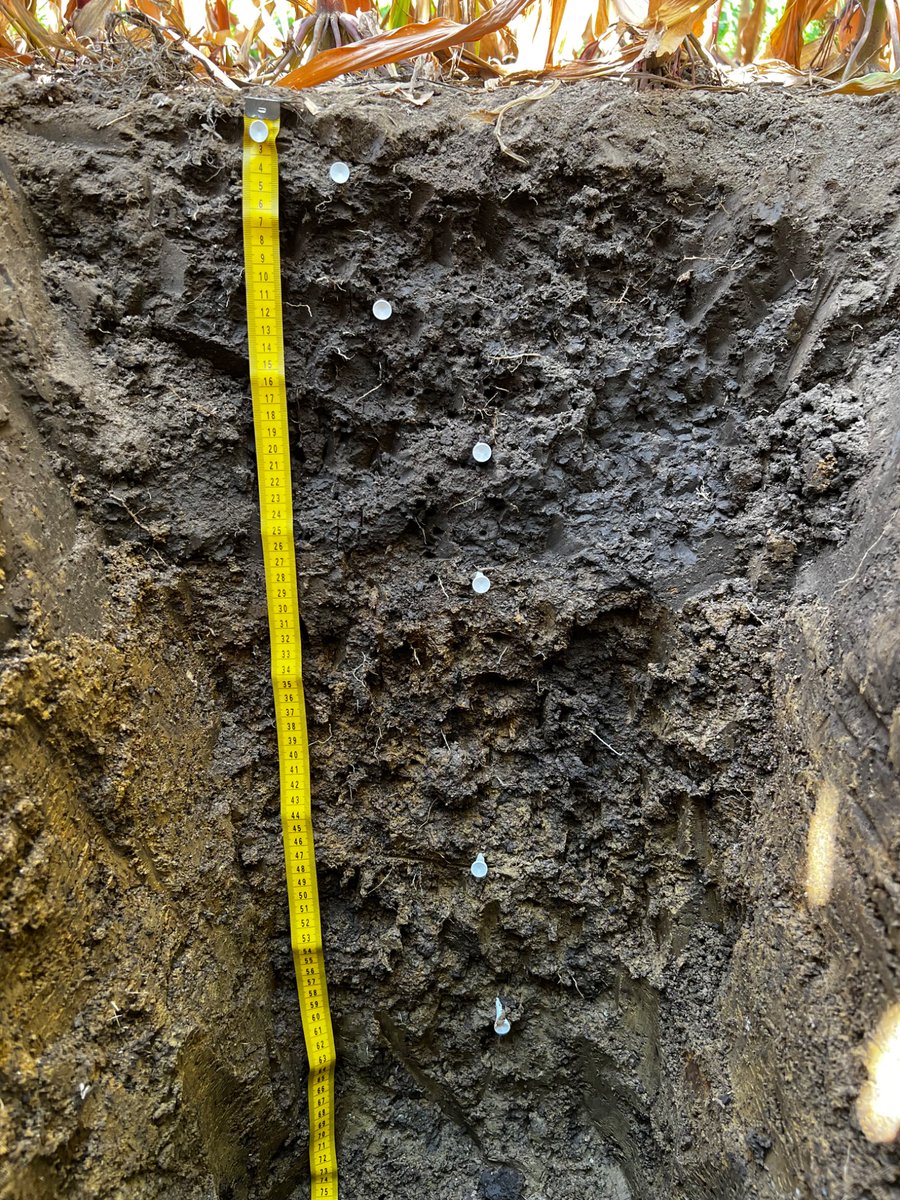
Flanagan soil in year 150 of continuous corn (Morrow Plots). d13C data indicates half of the OM today is still from native prairie, aged 4,500 years based on 14C dating. Still providing N to corn via mineralization? The other half of OM is young: from corn starting in 1876.
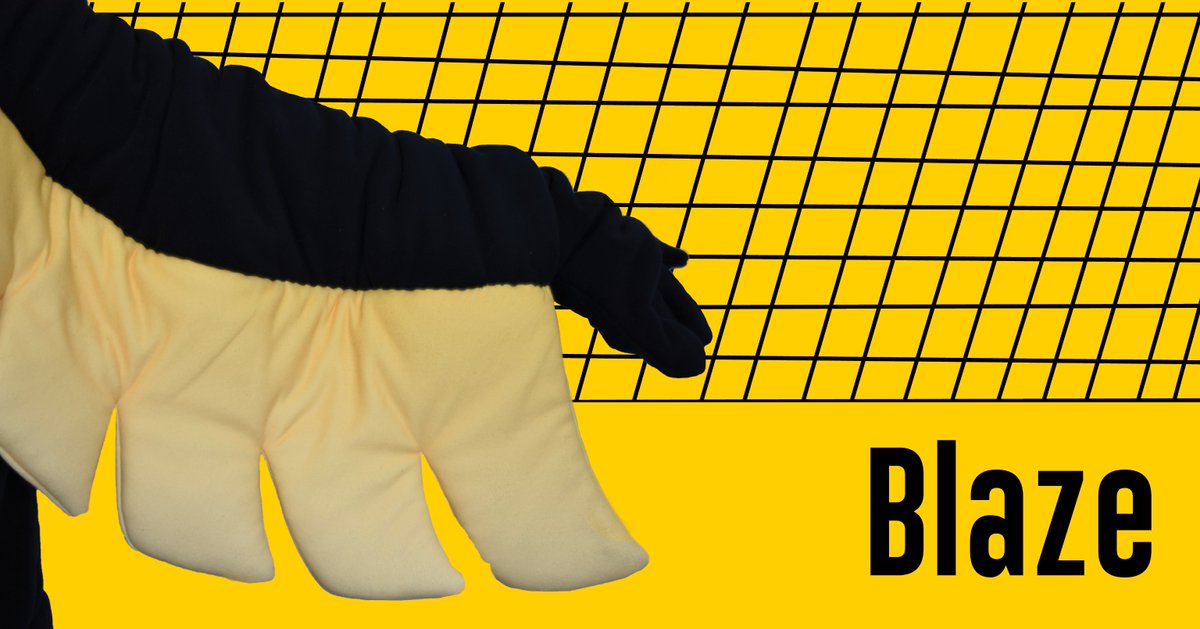
A new face of Black Hawk College spirit is preparing to take flight! Help us choose a name for our new mascot. Voting is open Aug. 19–Sept. 2! Cast your vote and help us name the newest member of the BHC family.
https://t.co/kXcdCPDT8x
Celebrate 80 years of opportunity, innovation and community with us at our 80th Anniversary Celebration! 🎉 Join us for a fun, ‘80s-themed evening as we celebrate this milestone and the legacy of Black Hawk College.
RSVP: https://t.co/xfLWwILyEc
Celebrate 80 years of opportunity, innovation and community with us at our 80th Anniversary Celebration! 🎉 Join us for a fun, ‘80s-themed evening as we celebrate this milestone and the legacy of Black Hawk College.
RSVP: https://t.co/xfLWwILyEc
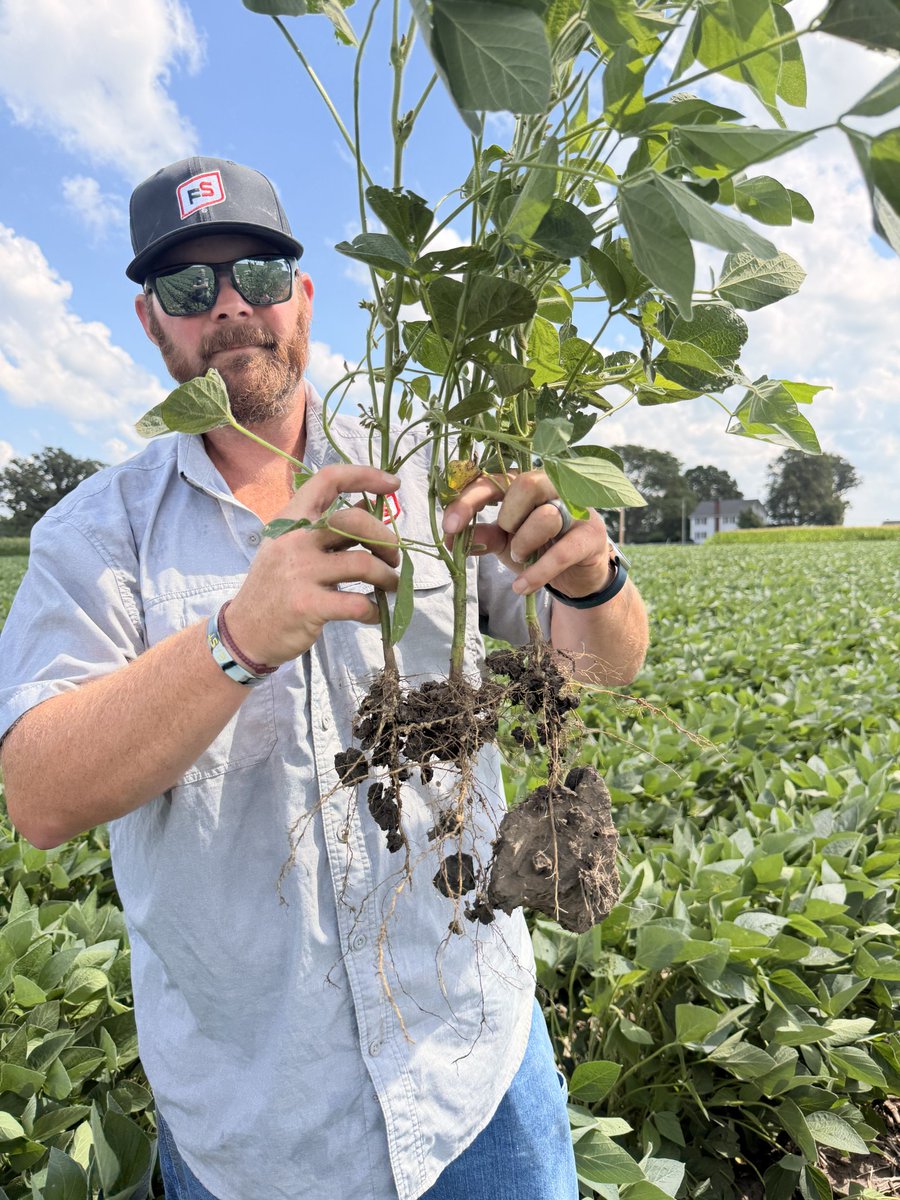
Update from the @ILSoybean On-Farm Sulfur Trial in Knox County: Brandon Hall and his intern, Grant Alexander, dug plants from the ATS, AMS, and Untreated (32% N) treatments within the trial. They took notes on root nodules, nodes, and pods. It's too early to tell which treatment will win, but those beans look to be filling out very, nicely.
Observations from Soy Envoy, Brandon Hall from an @ILSoybean on-farm sulfur trial in Knox County:
- ATS treatment - smallest soybean plant with 31 nodes, weakest roots and average nodulation (Left plant in the photo)
- Untreated treatment - shortest soybean plant with 26 nodes that had average or above average roots with good nodulation (Middle plant in the photo)
- AMS treatment - biggest plants with 33 nodes and largest root system with the most nodules (Right plant in the photo)
View past reports and more information here: https://t.co/VTSbhVTkWq
Heavy rains and warm temperatures can set the stage for late-season Phytophthora root and stem rot in soybeans. Learn what symptoms to watch for, why variety selection matters, and the management strategies that can help reduce future disease pressure. Read more: https://t.co/v09FgSwiAl
A few dry days over the Fourth of July weekend allowed us to finish post-emerge soybean herbicide applications. With spraying wrapped up, we turned our attention to crop scouting in corn and soybeans.
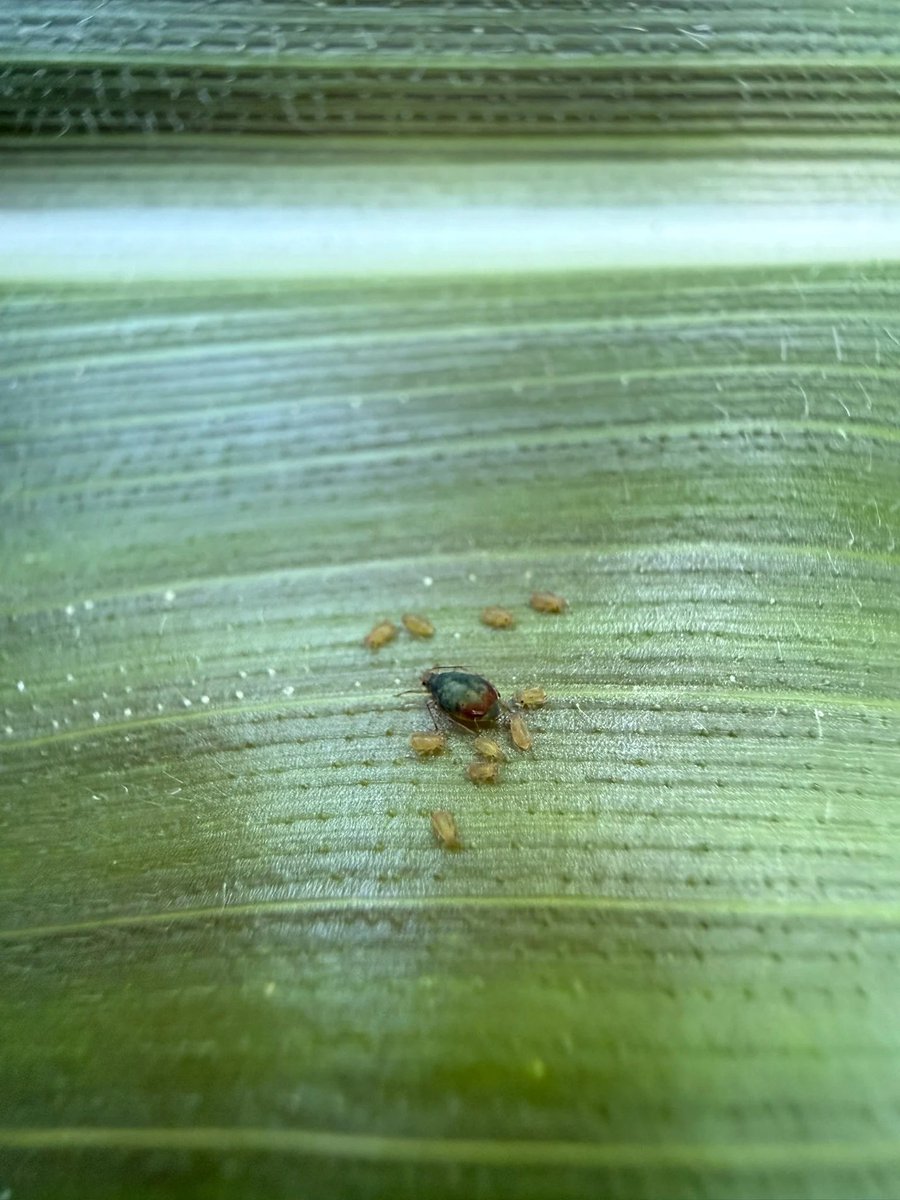
We're beginning to see corn aphids and some disease pressure, including common rust, gray leaf spot (GLS), and northern corn leaf blight (NCLB). Continued scouting will be critical over the next few weeks as we evaluate potential fungicide and insecticide needs.
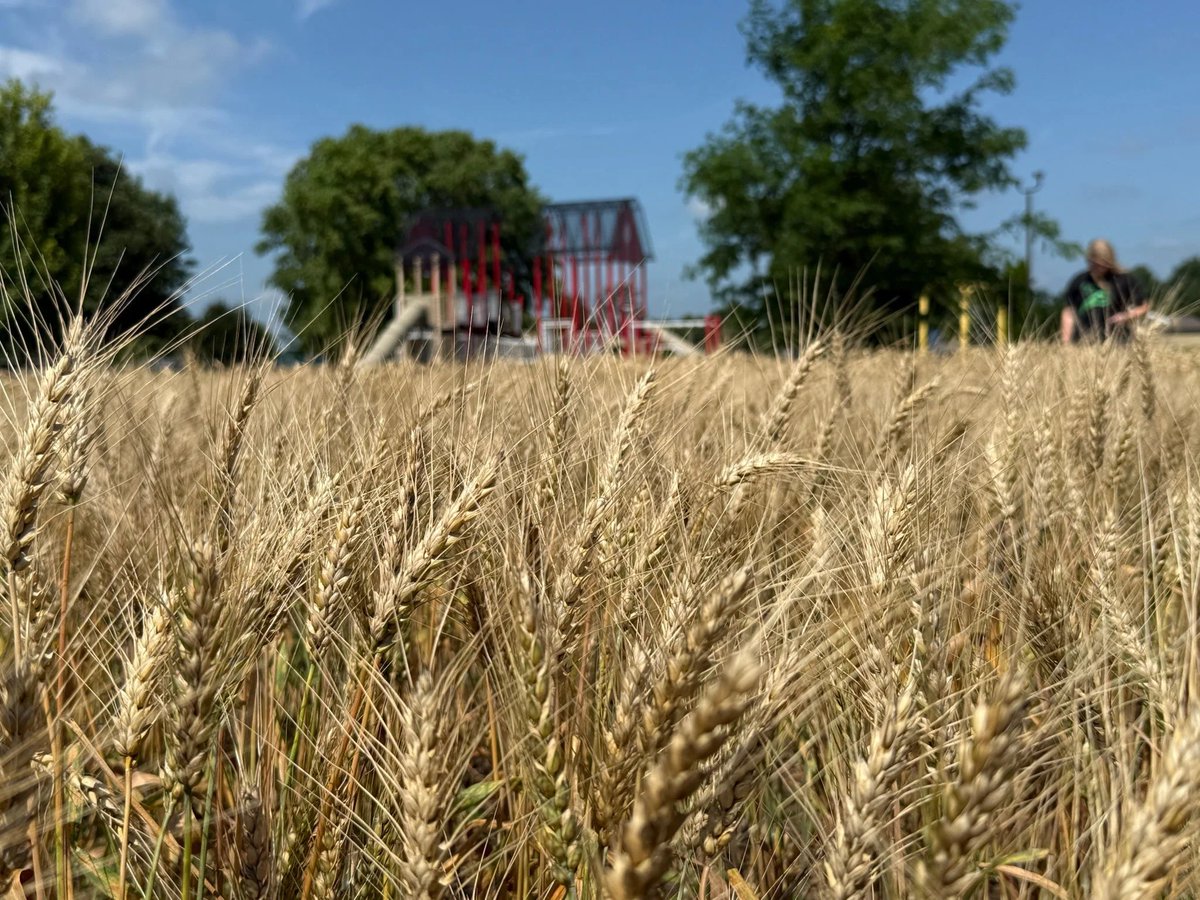
Weekend rainfall ranged from 0.5–3.5 inches across the region, with northern areas receiving the highest totals. This week, we'll continue scouting fields and addressing any soybean weed escapes. Wheat harvest is nearly complete, and cooler temperatures should provide favorable conditions for baling.
You can find Brandon Hall's crop report here: https://t.co/45zNLTYpdB
Crop residue is one of agriculture’s greatest assets—and one of its biggest planting challenges.
The key is finding the balance: protecting soil health while avoiding issues like cooler soils, nutrient tie-up and planter performance problems.
Read more from Brandon Hall, CCA, IL Soy Envoy: https://t.co/r4ktyKHj2I