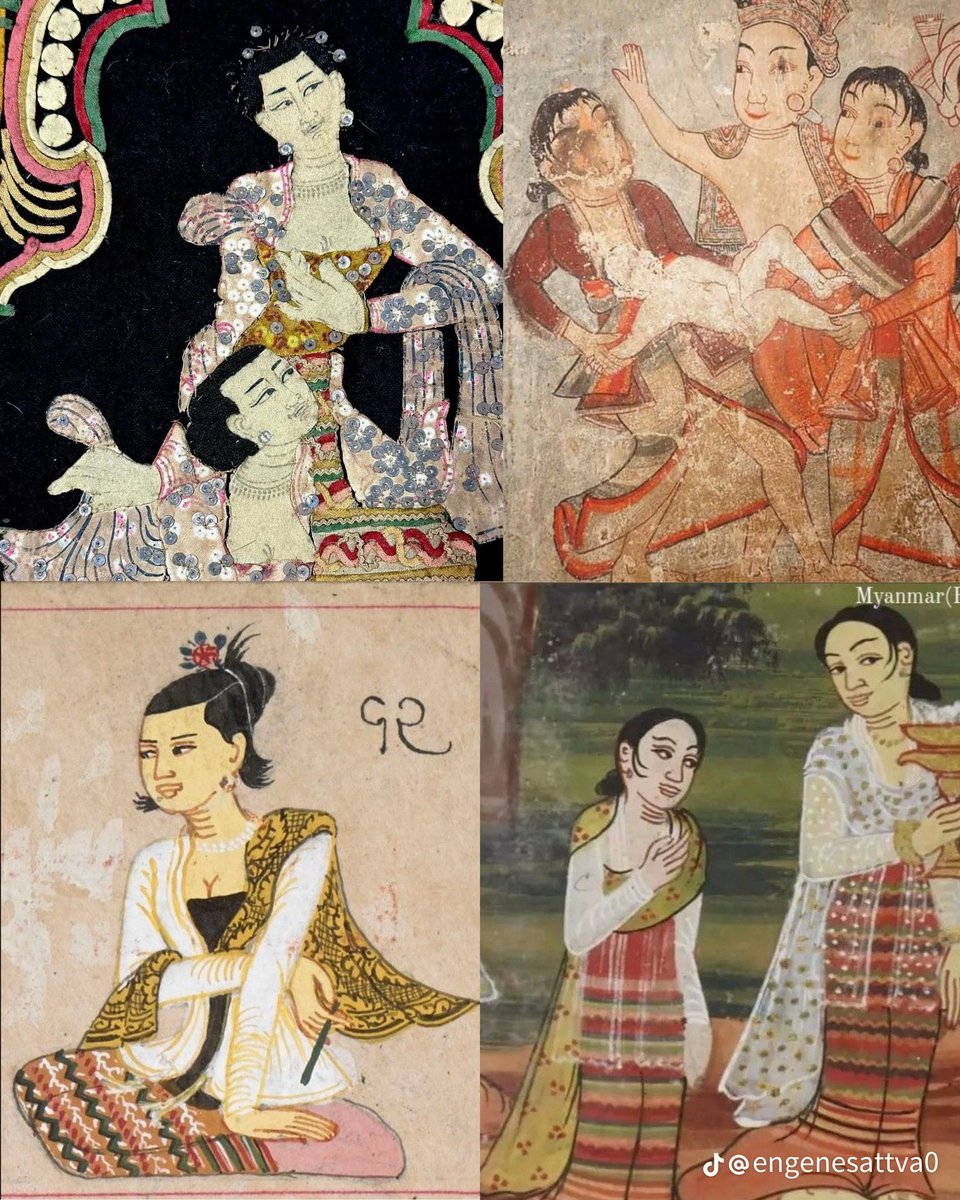
Millions of viewers will watch Scarlet Heart Thailand, making accurate representation and proper recognition of Myanmar’s cultural heritage essential. We urge @GMMTV to issue an immediate official clarification and take responsibility for this matter. 🇲🇲
#RespectMyanmarCulture
Historical accuracy matters. Cultural heritage matters. Proper acknowledgment is not optional. @GMMTV@ScarletHeartTH we expect accountability and an official response.
We Demand Action from GMMTV
#RespectMyanmarCulture#ScarletHeartTH
OFFICIAL STATEMENT
REGARDING THE USE OF BURMESE ROYAL ATTIRE IN SCARLET HEART THAILAND
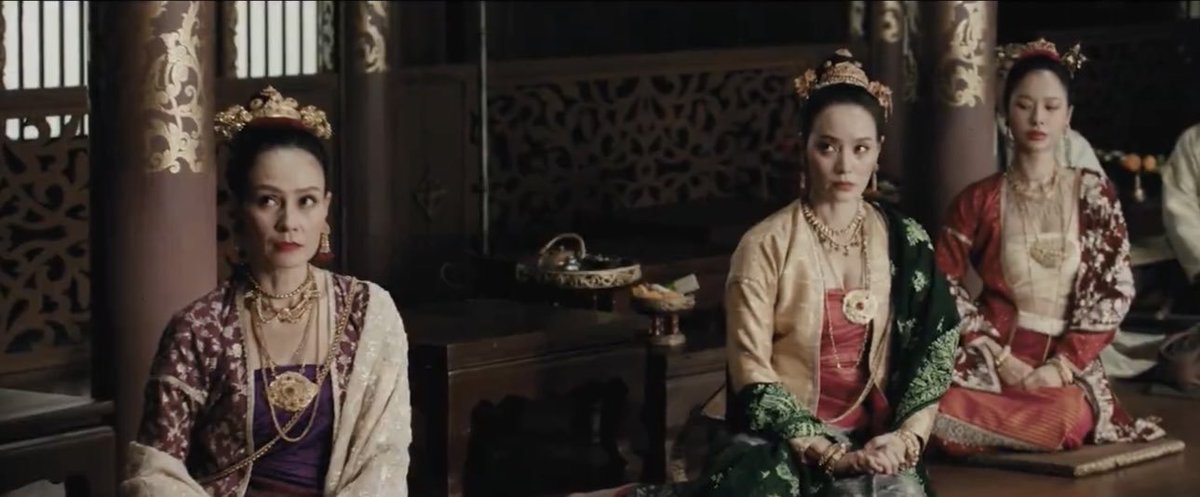
We wishes to express its concern regarding the historical and cultural representation of Burmese royal attire in Scarlet Heart Thailand.
We recognize the creative freedom involved in historical fantasy productions and respect the dedication of the actors and production team. However, creative interpretation should be accompanied by careful historical research and a commitment to representing cultural heritage responsibly.
MYANMAR — YADANABON PERIOD
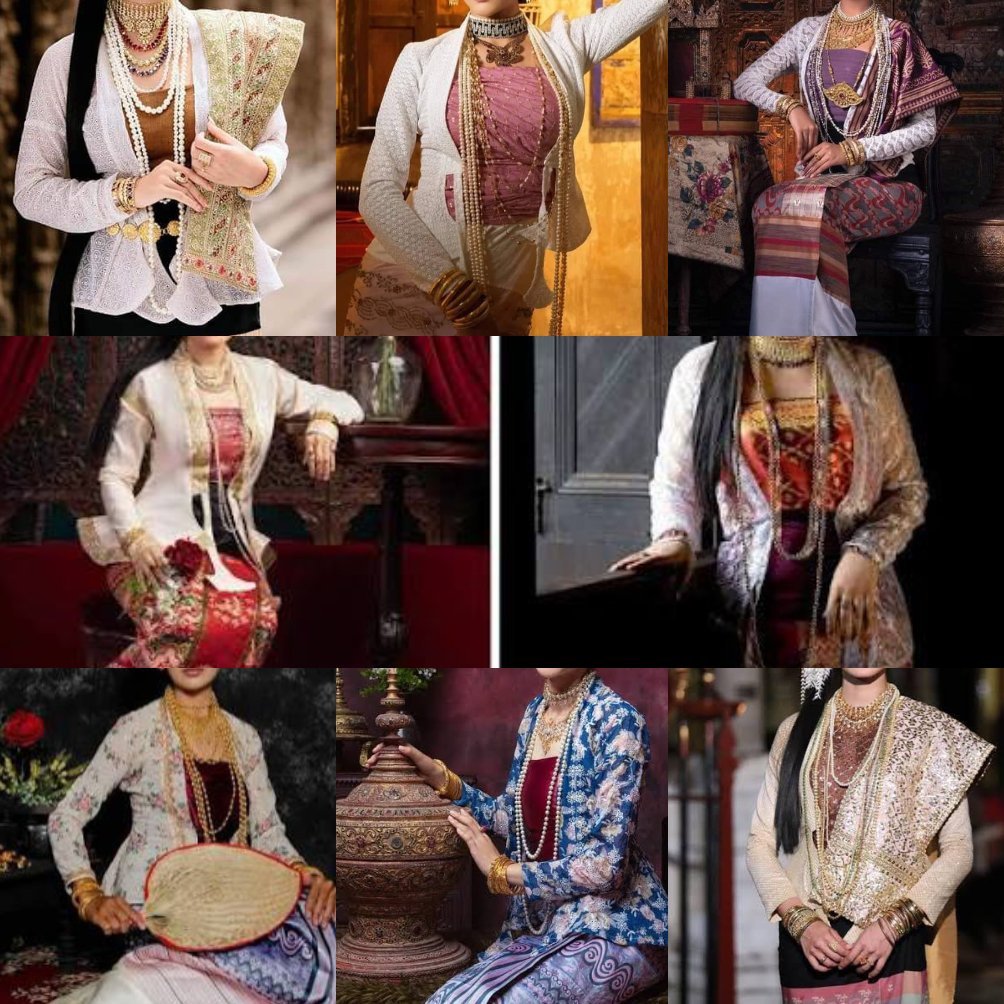
Myanmar's royal court attire reflects a distinctive history of royal traditions, craftsmanship, textile artistry, and ceremonial dress. The Htaing Mathein, associated with traditional Burmese formal attire, holds cultural significance and deserves to be represented with appropriate historical context.
When attire associated with Myanmar's royal heritage appears in a historical production, its period, cultural origin, and intended context warrant careful examination.
LANNA — NORTHERN THAI CULTURAL HERITAGE
Lanna possesses its own rich and distinctive cultural heritage, shaped by centuries of regional history, artistic traditions, textile craftsmanship, and cultural exchange.
Traditional Lanna attire reflects the region's identity through its textiles, patterns, draping styles, and ornaments. These traditions deserve the same thoughtful research, recognition, and respectful representation as the cultural heritage of any other community.
Recognizing the distinct historical context of each tradition does not diminish the cultural connections between Myanmar and Lanna. Rather, it allows both heritages to be appreciated more accurately and meaningfully.
OUR CONCERNS
Our concern is not about comparing the beauty or value of Myanmar and Lanna attire. It is about ensuring that cultural elements are represented with historical awareness, appropriate attribution, and respect for their origins.
Although historical fantasy allows creative reinterpretation, the use of culturally significant attire should still be informed by reliable historical references, particularly when the visual presentation may influence international audiences' understanding of a country's heritage.
OUR REQUESTS TO GMMTV AND THE PRODUCTION TEAM
We respectfully request that GMMTV and the relevant production team:
01. Review the costume designs and their historical references to ensure appropriate cultural and historical context.
02. Clarify the origins and research basis of the attire used in the series, particularly where it appears to reference Burmese royal court dress.
03. Respond to the concerns raised by providing a clear and considered official explanation.
04. Reassess, where necessary, the relevant costume presentation and promotional materials to support historically informed and culturally respectful representation.
A CALL FOR MUTUAL RESPECT
This statement is not intended to target individual actors or dismiss the creative efforts behind the series. Our intention is to advocate for the responsible representation of Myanmar's cultural heritage while recognizing and respecting the equally valuable traditions of Lanna and Thailand.
Cultural appreciation is strengthened through accurate research, transparent communication, and mutual respect. We believe that acknowledging the historical identity of each tradition contributes to a more meaningful and responsible representation of Southeast Asia's diverse cultural heritage.
We look forward to a constructive response from @GMMTV and the production team.
Respect Cultural Heritage. Preserve Historical Accuracy.
JanJingJing Myanmar Fanclub
#ScarletHeartTH #GMMTV #MyanmarCulturalHeritage #RespectCulturalHeritage
This issue is directed solely at GMMTV, not the actors or actresses.
Our Request: We strongly urge @GMMTV to issue an official statement or explicitly credit Burmese cultural elements in the series before its release 🇲🇲
#RespectMyanmar#MyanmarCulture#ScarletHeartThailand
🚨 SHTH Burmese Costume Controversy 🚨
First of all, I would like to ask for your understanding if this post comes a little late. This is a series I have been waiting for for over two years, and I believe this issue deserves to be addressed regardless of how late it may be brought up.
This series is set in the Lanna Kingdom.
Historically, the Lanna Kingdom existed from the 13th to the 18th century. In 1558, King Bayinnaung of Burma conquered Lanna, and Burmese influence remained in the region for over 200 years. From what I have read, this long period of interaction led to cultural exchanges and influences between the two kingdoms.
Given the historical similarities between Burmese and Thai cultures during that era, I can understand and accept certain similarities in their traditional costumes.
However, the issue goes beyond simple cultural similarities.
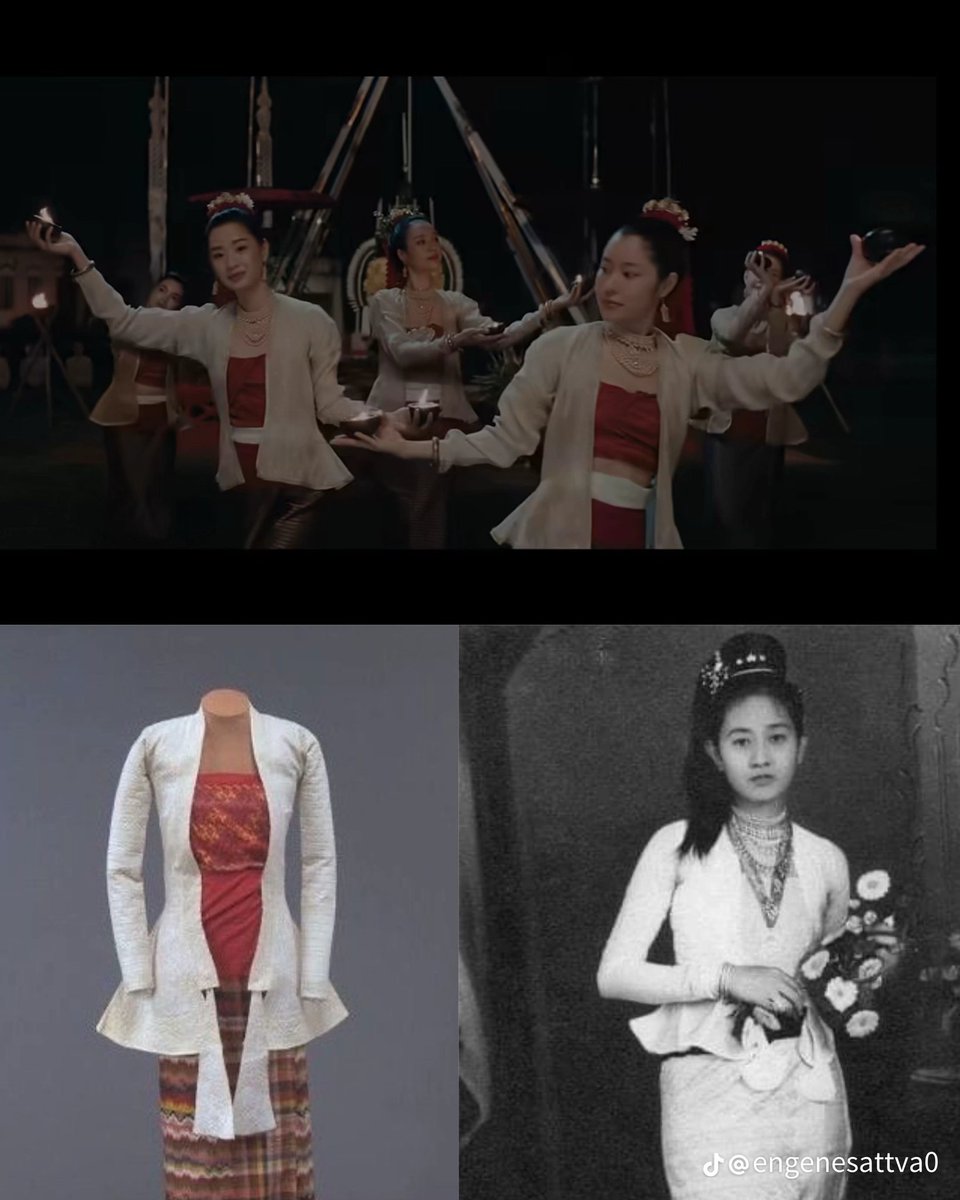
The costumes and styling used in the Seimi dance appear to be based on Burmese clothing from the Yadanabon period, which began in 1853. The Htamein (ထဘီ) and other traditional garments associated with the Konbaung dynasty are also well-known elements of Burmese traditional dress.
Seeing traditional clothing from my country used in this way without proper acknowledgment or credit is genuinely heartbreaking.
I believe GMMTV should issue a clear and accurate official statement addressing this issue and give proper credit to Burmese traditional costumes and their cultural origins.
What I find difficult to understand is why such thorough historical and cultural research was not conducted, especially when there was so much time to prepare for this series.
Furthermore, during filming, there were reportedly measures taken to prevent costume photos from being shared on social media, including collecting fines for unauthorized posts. This makes the situation even more concerning.
I am not raising this issue to create unnecessary conflict. I simply believe that every country's cultural heritage deserves proper research, respect, and acknowledgment.
Cultural appreciation should always come with proper recognition and credit.
If there are any inaccuracies in my historical information or understanding, please feel free to point them out and correct me. I am open to learning and discussing this respectfully.
🚨 SHTH Burmese dress issues 🚨
၂နှစ်ကျော်လောက် စောင့်ခဲ့ရတဲ့ series မလို့ ဒီလိုပိုစ့်တင်တာ နောက်ကျကောင်း နောက်ကျသွားသည်ရှိသော် အပြစ်မမြင်ကျဖို့ ဦးစွာပြောချင်ပါတယ် ။
ဒီ series က Lanna Kingdom ကို အခြေတည်ပြီး ရိုက်ထားတဲ့ ဇာတ်ကားပါ။
သမိုင်းကာလအရ Lanna က ၁၃ ရာစုကနေ ၁၈ ရာစု အထိ မြန်မာဘုရင် ဘုရင့်နောင်မင်းက ၁၅၅၈ ခုနှစ်မှာ သိမ်းပိုက်ခဲ့ပြီး နှစ်ပေါင်း ၂၀၀ ကျော် မြန်မာအာဏာလွှမ်းမိုးမှု ရှိခဲ့ပါတာကြောင့် ယှဉ်ကျေးမှုတွေ ယှပ်ယက်နေတယ်လို့ ဖတ်မိရပါတယ်။
အဲ့ခေတ်က မြန်မာနဲ့ ထိုင်းယဉ်ကျေးမှုတွေက ဆင်တူယိုးမှား ရှိတာမလို့ ဝတ်စုံတွေ တူညီတာအထိ လက်သင့်ခံပါတယ်။
ဒါပေမဲ့ ဆီမီး အကနဲ့ ဆင်ယင်ထုံးဖွဲ့မှုက ရတနာဘုံခေတ် ( ၁၈၅၃ မှာစ )က အဝတ်အစားတွေပါ။
ထိုင်မသိမ်း ( ကုန်းဘောင်ခေတ် အဝတ်အစား )က မြန်မာတို့ရဲ့ ဝတ်စုံဆိုတာ သိမှာပါ ။
ကိုယ့်နိုင်ငံက အဝတ်အစားတွေကို ဒီလို credits မပေးပဲယူသုံးနေတာကတော့ရင်နာစရာ ဖြစ်ရပ်ပါပဲ ။
GMMTV အနေနဲ့ တိကျသေချာတဲ့ statement ထုတ်ပြီး မြန်မာဝတ်စုံကို credit ပေးသင့်ပါတယ်။
အချိန်တွေ ဒီလောက်ထိရရဲ့သားနဲ့ ဘာလို့ research သေချာမလုပ်တာလည်းဆိုတာ နားမလည်နိုင်ဘူး။
ပြီးတော့ ရိုက်ကူးစဉ်ကာလကလည်း ဝတ်စုံတွေ sns ပေါ်မတင်အောင် ဖိုင်းကောက်တာမျိုးတွေလည်းရှိပါတယ် ။
( အမှားပါခဲ့သည်ရှိသော် ထောက်ပြပေးပါရန် )
#RespectMyanmar
#MyanmarCulture
I would like to raise a concern regarding the costumes featured in the trailer for Scarlet Heart Thailand.
I understand that the series is set in the Lanna Kingdom, a region with its own rich history, cultural identity, and traditional clothing. I fully respect Lanna culture and its heritage. However, as a Myanmar person, I cannot help noticing the striking similarities between some of the costumes shown in the trailer and traditional Burmese women's clothing.
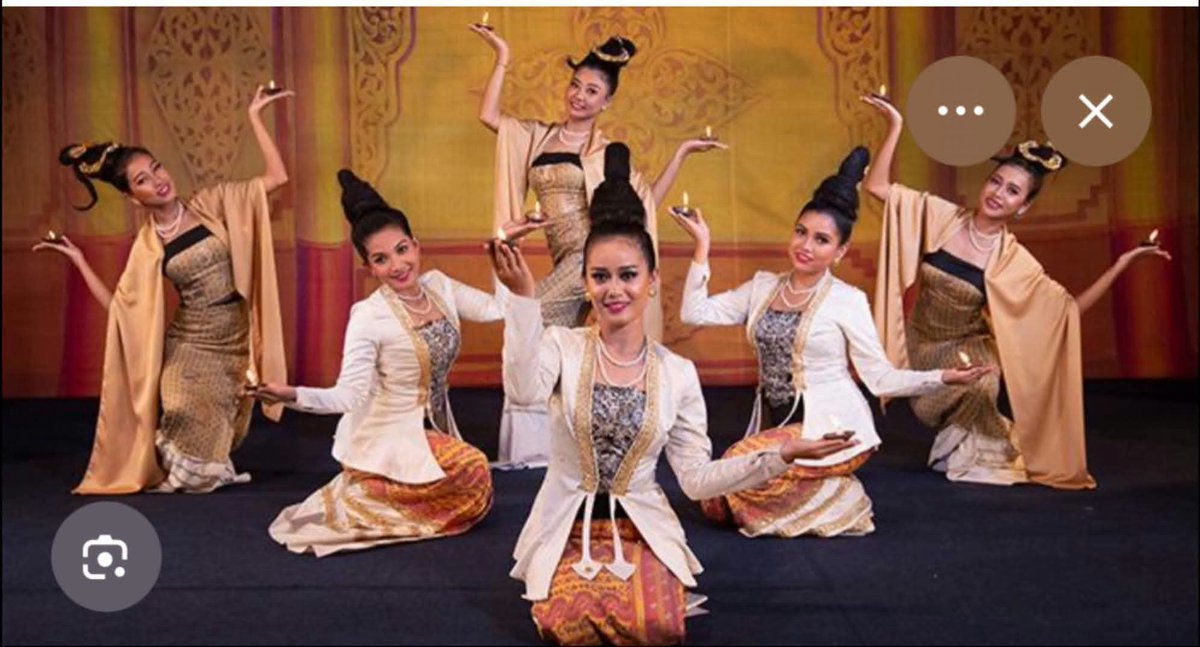
The most noticeable example is the costume worn by the women in the candle dance scene. Certain details, including the upper garments, chest coverings, waist arrangements, and traditional skirt styles, appear remarkably similar to elements found in historical Burmese attire.
Myanmar has a long history of traditional dress, including the Yinkhan (traditional bodice), Htaingmathein (a traditional women's jacket), and Htamein (traditional women's skirt). These garments are more than just clothing; they represent our history, cultural identity, and heritage passed down through generations.
At the same time, Lanna has its own distinctive traditional clothing, including the Pha Sin, a traditional wraparound skirt, as well as its own weaving traditions and ceremonial attire. The Fon Tian, or Lanna candle dance, is also an important part of Lanna's cultural heritage.
I recognize that Myanmar and Lanna share historical and cultural connections, and similarities in traditional clothing can naturally exist between neighboring regions. However, shared cultural influences should not mean that the origins of traditional designs can be overlooked or left unexplained.
As someone who has been looking forward to this series because of the cast, I genuinely want to enjoy it. I will still watch it when it airs. However, seeing these costumes in the trailer has left me feeling uncomfortable and raises legitimate questions about the research behind the costume design.
When a historical series draws inspiration from a particular kingdom and its culture, the costume department has a responsibility to conduct careful historical research and represent the region's heritage accurately. If certain designs closely resemble traditional Burmese attire, I believe it is reasonable to ask what historical references were used in creating them.
I am not raising this concern to disrespect Lanna culture or deny its unique traditions. I simply believe that Myanmar's cultural heritage deserves the same respect and recognition. Every culture deserves to have its traditional clothing represented accurately, with its historical origins acknowledged rather than blurred or misrepresented.
I would therefore appreciate clarification from the production team regarding the historical references and sources used for these costume designs, particularly those that appear strikingly similar to traditional Burmese clothing.
Cultural inspiration is one thing, but cultural heritage deserves careful research, respect, and proper recognition.
#ScarletHeartTH #MyanmarCulture #MyanmarTraditionalCostume #CulturalHeritage
Our tagline & hashtag “#주훈의_재능을_소중히_여겨라” are now trending in MYANMAR alongside the keywords “JJUSTICE” & “JJUNSTOPPABLE”! let’s keep going until Juhoon gets the fair treatment he deserves!
JUHOON WAITS FOR TRUTH
#WereHereForJUHOON#주훈의_재능을_소중히_여겨라
I want to explain why we are speaking up about the cultural representation in #ScarletHeartTH.
Scarlet Heart is already a globally recognized story, and its Thai adaptation has been highly anticipated, especially because GMMTV has cast some of its most popular and well-known actors. As fans, we have waited for this project for over two years, and we understand how much excitement surrounds it. We want this series to succeed, and we want to see the actors we love shine on an international stage.
But supporting a series and protecting our cultural heritage are two different things. One does not cancel out the other.
This is not just an ordinary fictional story that will be watched and forgotten. It is a major production with the potential to reach audiences around the world. A project of this scale can introduce people to a country's history, traditions, clothing, and cultural identity. That is precisely why cultural research and accurate representation matter so much.
When audiences around the world see a costume presented on screen, many may naturally assume that it belongs to the culture of the country producing the series. If a historically significant Myanmar traditional costume is used without proper research, context, or acknowledgment, there is a real concern that international audiences may mistakenly identify it as Thai traditional attire.
The costume in question is associated with Myanmar's historical heritage, particularly the Yadanabon era. Myanmar's traditional clothing did not simply appear without a history. Its development can be studied through historical records, paintings, photographs, and other cultural documentation from different periods. These are matters that can be researched and examined through evidence, rather than dismissed as mere opinions on social media.
Thai productions can portray other cultures, but cultural exchange requires proper research, respect, and historical accuracy. Concerns about a costume’s origins should be taken seriously, not dismissed as unnecessary criticism.
Myanmar is a country whose people continue to struggle for freedom and a better future. At the same time, preserving our history and cultural identity remains an important responsibility. Our circumstances do not make our heritage less valuable, and the challenges our country faces do not mean we should remain silent when we believe our culture is being misrepresented.
To those asking why we are making an issue out of clothing in a television series, please understand this: we can love the actors without agreeing with every decision made by the production team. We can support the artists while questioning the production's cultural representation. And we can look forward to a series while asking its creators to be responsible.
Our criticism is not an attack on Thai people, Thai culture, or the actors involved. It is a request for accountability from a major production company whose work will be seen by an international audience.
GMMTV has had more than two years to prepare a project of this scale. We believe that researching the historical origins of culturally significant costumes should be part of that preparation. We are asking the production team to review the concerns, consult reliable historical sources and relevant cultural experts, and provide clarification where necessary.
We are not asking anyone to blindly accept our claims. We are asking for the same standard we expect from any major historical production: research the facts, respect the cultures being represented, and take legitimate concerns seriously.
Loving our artists does not require us to stay silent about cultural misrepresentation. Supporting entertainment does not mean abandoning our responsibility to protect our heritage. We can do both.
Our history matters. Our cultural heritage matters. And asking for it to be represented accurately is not causing trouble. It is asking for respect.
@GMMTV
#ScarletHeartTH #MyanmarCulture