Measuring carbon capture, cooling, and public health shows the true value of green infrastructure—it's not just environmental, but social and economic too.
#SGIDay shows climate action in motion—science-based, purpose-driven, and visionary.
Saudi Green Initiative Day reminds us that climate action is not only about scale—it’s about depth and impact.
As countries commit to bold environmental goals, it becomes even more vital to ensure that these actions are grounded in long-term, measurable change.
Nature-based solutions like urban forests are essential.
🌳 Trees clean air, store carbon, reduce heat, and manage water.
🌡️ Parks can be 7–10°C cooler, with effects felt up to 1 km away.
🌫️ In arid cities, each tree can absorb 10–15 kg of CO₂ per year.
Nature reminds us that health doesn’t start in a hospital — it starts with our connection to the natural world. It isn’t separate from healthcare; it’s part of it.
Nature holds the answers. We just have to keep listening.
Some of these healing compounds are produced only in tiny amounts or found in rare species. That’s one reason why protecting biodiversity matters — we’re not just preserving ecosystems; we’re also safeguarding future breakthroughs in care and wellbeing.
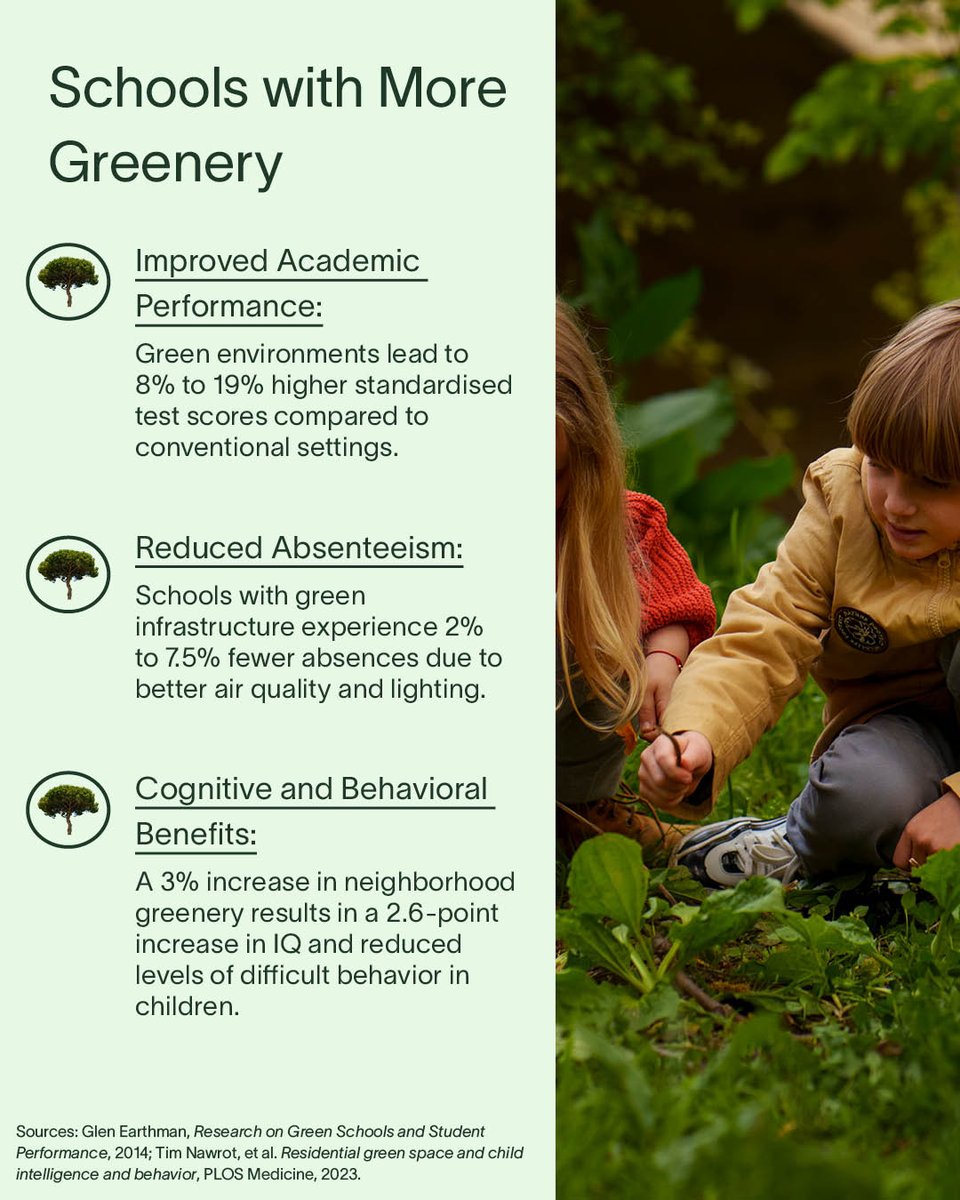
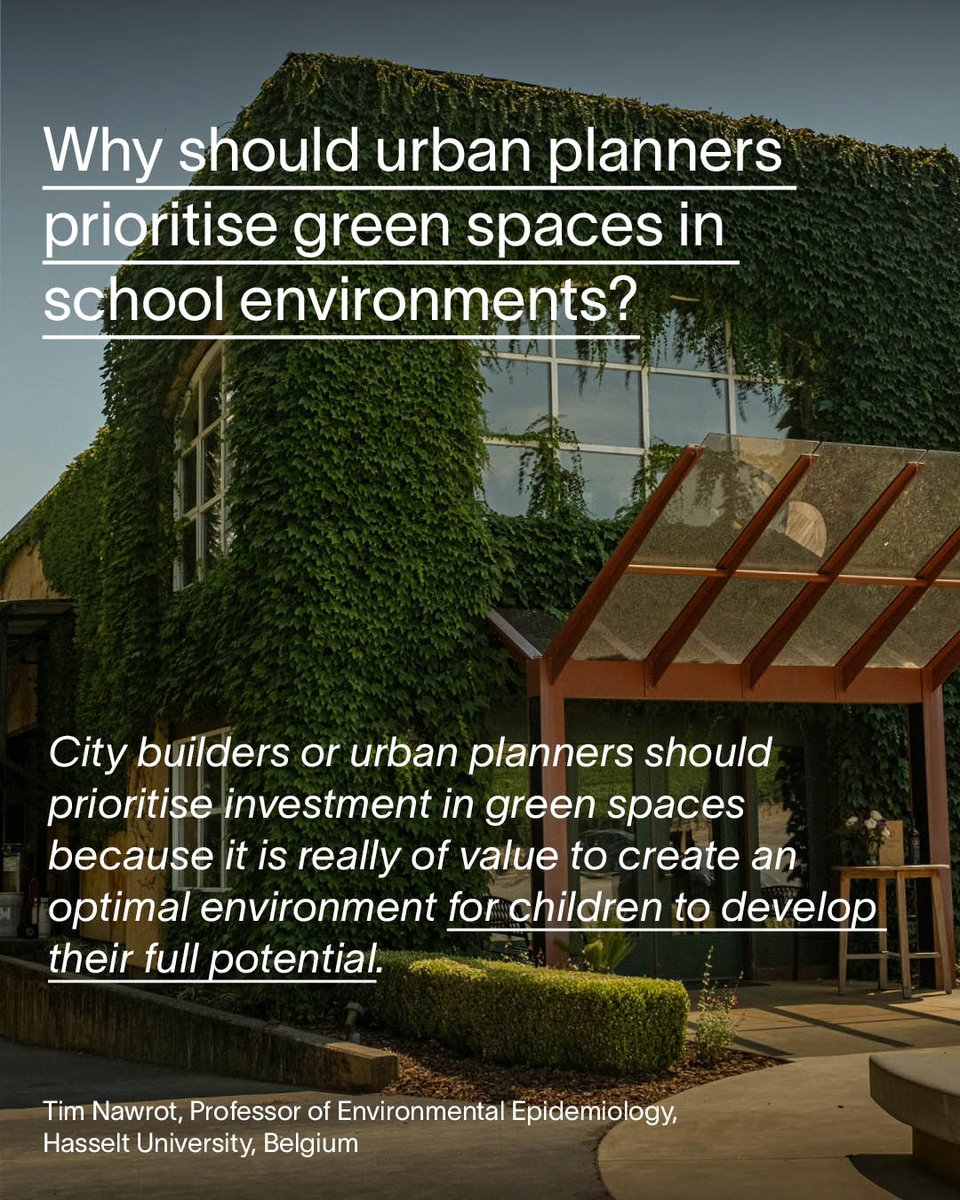
By embedding nature in every part of the educational space, we are investing in the long-term wellbeing of our children and shaping a future where holistic development takes centre stage.
Schools are not just for learning—they shape the future. With children spending so much time in school, these environments must support their wellbeing and academic growth. It’s time to rethink schools as spaces that nurture health and development.
Natural elements support emotional, social, and physical development. Research shows that nature reduces stress, improves mental health, and boosts cognitive function, with green spaces linked to better academic performance.
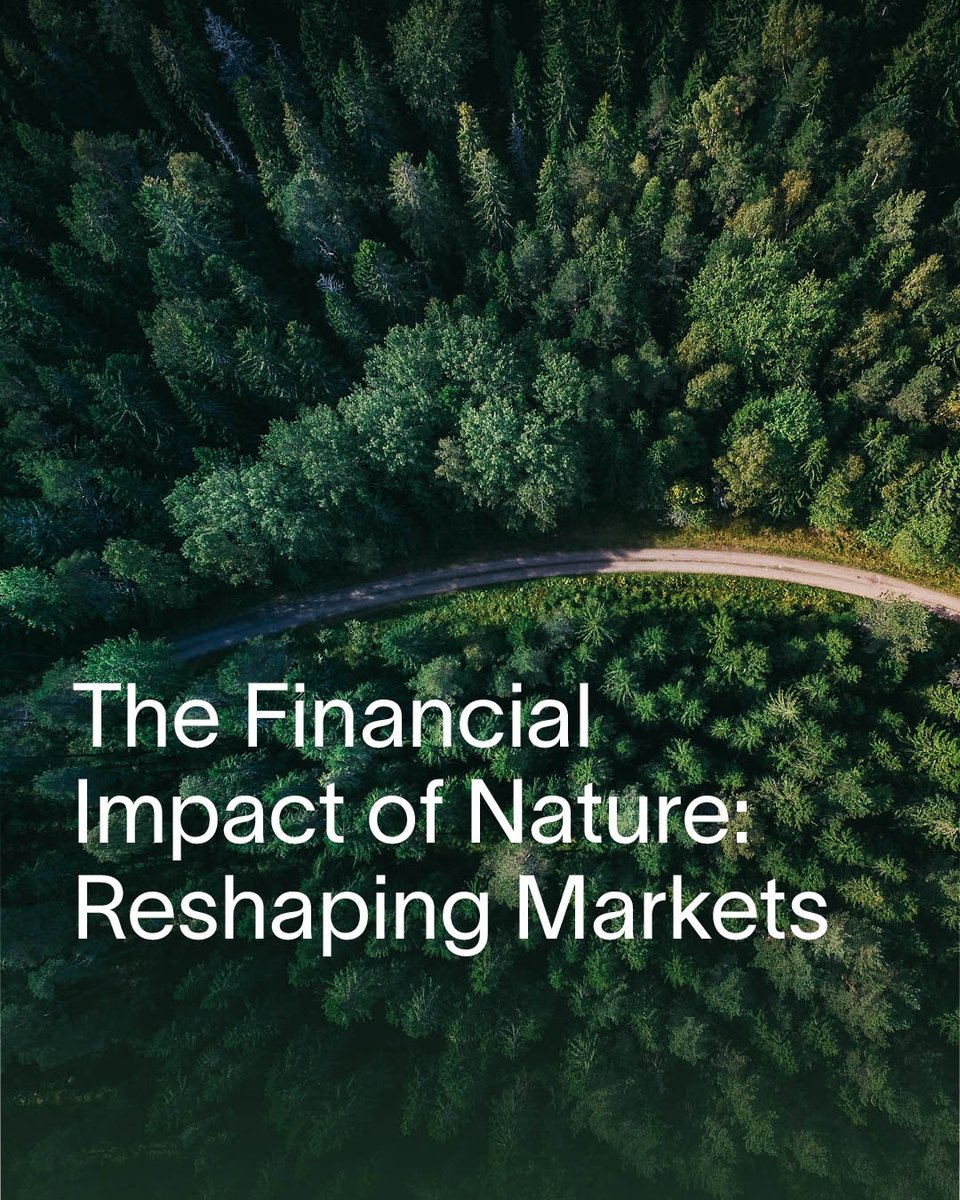
Financial markets must shift from exploiting natural resources to aligning with planetary boundaries. Nature is now a core driver of financial stability. As markets price in environmental risks, those who don’t adapt may be left behind.
Read more: https://t.co/I0aCO3y5tD
Nature-related financial risks are now central to global investment strategies. Financial institutions recognize that environmental stability is key to economic resilience, with Norway’s $1.6 trillion Sovereign Wealth Fund (GPFG) being a clear example of this shift.
Investing in nature is an economic necessity. GPFG’s focus on renewable energy highlights the link between financial resilience and environmental stability.
📈74% of emissions align with net-zero targets.
📊519 companies address climate and nature risks, covering 54% of emissions
Walkable cities aren’t just a trend—they’re the future. Better for people, businesses, and the planet.
Rethinking urban design makes cities more sustainable, resilient, and built for wellbeing.
As cities grow, so do the challenges of keeping them livable, efficient, and sustainable.
With urban areas producing over 70% of global CO₂ emissions, city design directly impacts the environment.
A key part of the solution? Making cities more walkable.
Walkable cities bring daily life closer to home. Mixed-use neighborhoods reduce commutes, making work, schools, and shops easily accessible. Safe sidewalks, bike lanes, and public spaces foster vibrant, connected communities.