How to use the footprint correctly
1) Understand basic logic of what footprint is: Market orders (aggressor) eat into resting limit orders (passive). Footprint shows market orders which by design means you see every limit order which is being filled.
2) Know what market behavior you are trying to capture. Absorption, trapped traders, onside traders, exhaustion. Before even looking at a chart.
3) Treat the footprint as one data point within your framework. Use it to eliminate certain thesis, not to read the entire picture. It allows for clearer trade invalidations based on real market activity.
4) Avoid over-optimisation. Simple rules applied CONSISTENTLY over a long period of time is more effective than complex multi-layered systems which are much harder to consistently apply and also track the effect of.
One screen. Order flow from several angles at once.
Footprint on the left with session volume profile, Dom on the right, tape far right, Delta Strength underneath.
Most traders read these one at a time. Together they tell a different story.
Oflow. One lifetime license.
Order flow entry idea
1. Bullish bias from the statistical target
2. Sellers printed an imbalance at the low but failed to get continuation lower
3. Delta rotated positive and seller activity at the bottom decreased, suggesting absorption/exhaustion
4. Buyers then showed initiative on the next bullish print
5. Long entry was confirmed on the second bullish print / buyer continuation bar.
i've gone through quite a few journals the past few years
[ what didn't work ]:
- taking over 2 to 3 trades per day
- back to back entries (re-entering after a loser)
- trading too many pairs (spreading themselves thin)
- random sizing
- only using market orders (they’d always be offside anyways)
- executing using timeframes below 5m
- not having daily structure (some morning routine)
- adding to a losing position (quite obvious)
- entering before knowing where they would exit
[ what was working ]:
- limiting trading to certain session hours (new york/close)
- planning specific levels (not zones) before each session
- sizing in accordance to regime (example: 5d vs 60d atr)
- increasing initial trade size once already in profit
- focusing on price action from their avg trade time
- trading majors (btc,eth) nothing smaller than solana
- aiming for a 45% + win rate (low-mid win % in general)
[ why they were messing up ]:
- trading pnl graph (thinking of past results)
- not accounting for probabilities resetting
- social media impact on their execution
- spreading thin across pairs to avoid boredom
- inability to not mess with an open position
- not stepping away from the desk frequent enough
- outcome focused mindset over input focused
[ actions they used to fix ]:
- collected data (having data = conviction)
- reviewing after every trade (creates time delay)
- turn off the pnl completely
- adopting a 3 question checklist before entering
- removing all trading apps from phone
- strictly limiting time on socials (lookup "brick - social")
none of this is to say there’s a right or wrong way to trade.
i'm 100% certain there are people trading 20 trades per day making money, and people trading 15 different pairs too.
i just wanted to share my personal observations from people I have worked with.
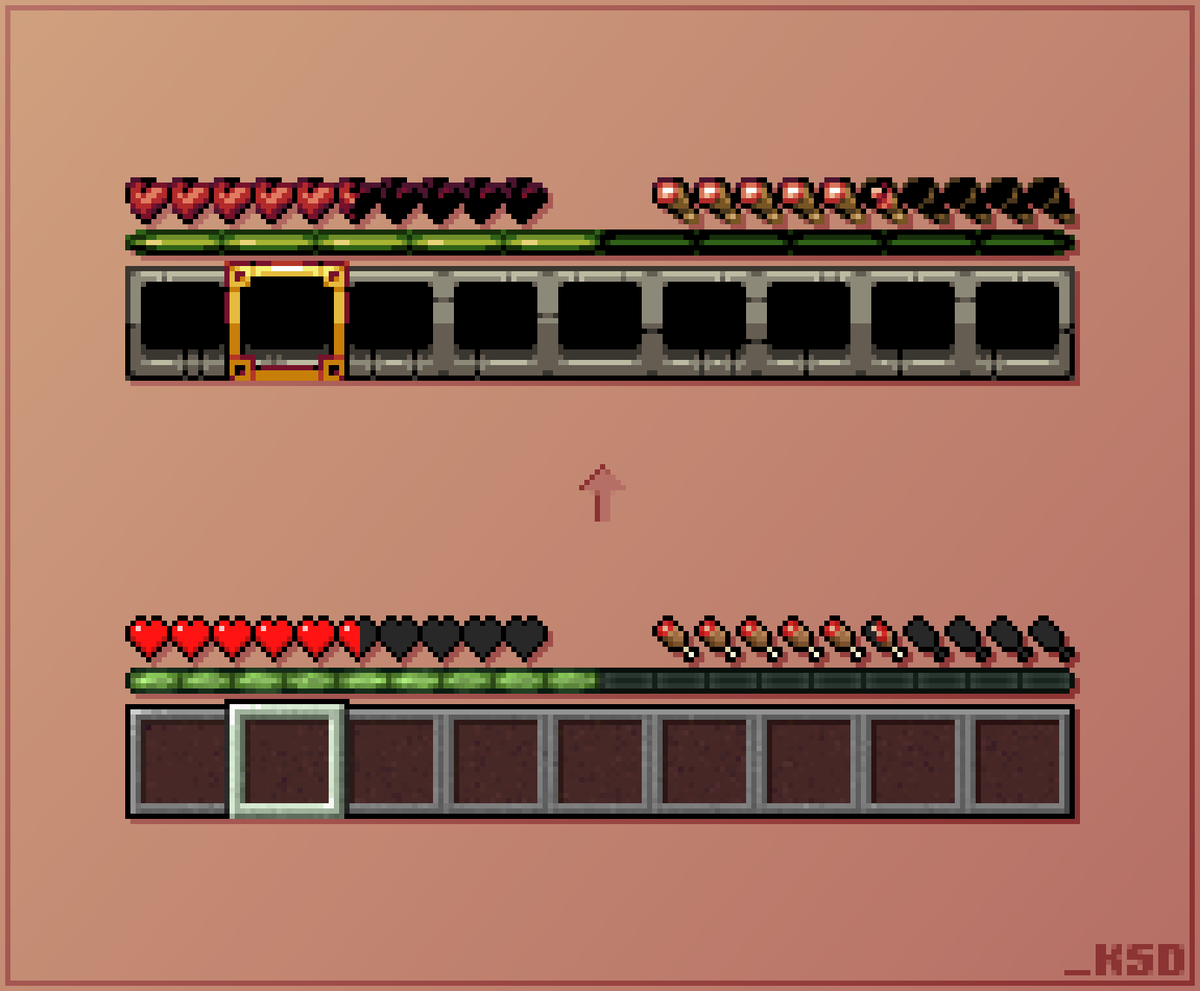
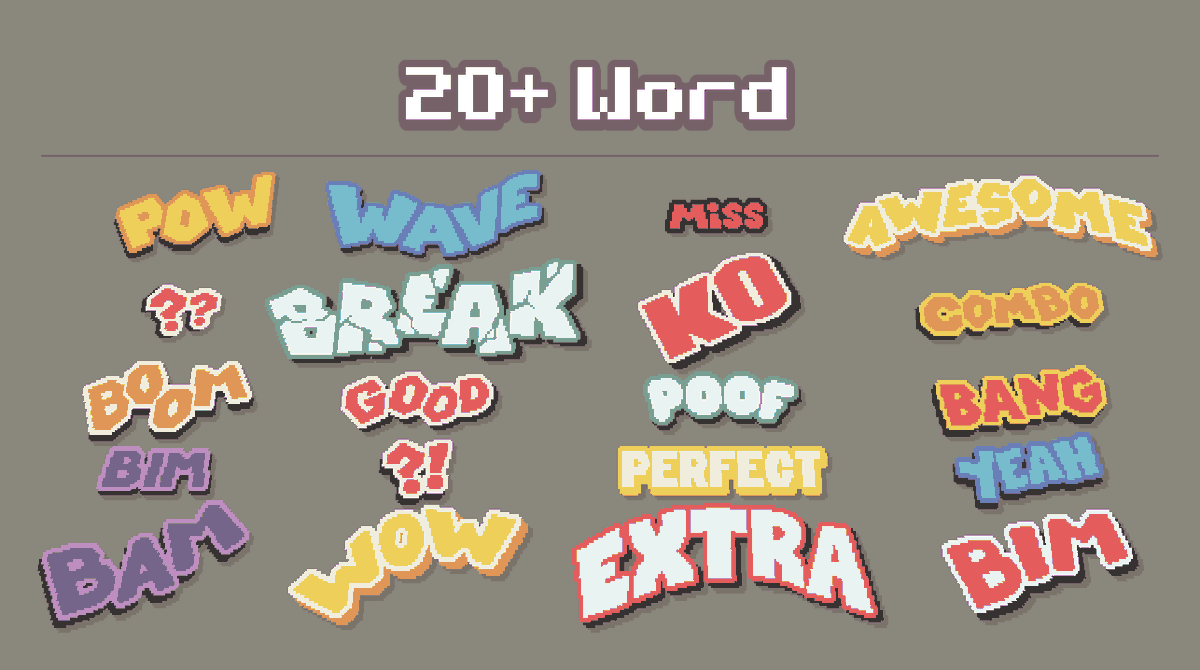
You can also get early access to updates, exclusive mini packs, custom sprite requests and more so consider supporting the pack 💙
Every little bit means I can continue developping it for years to come, and eventually aim for a full marketplace release ✨
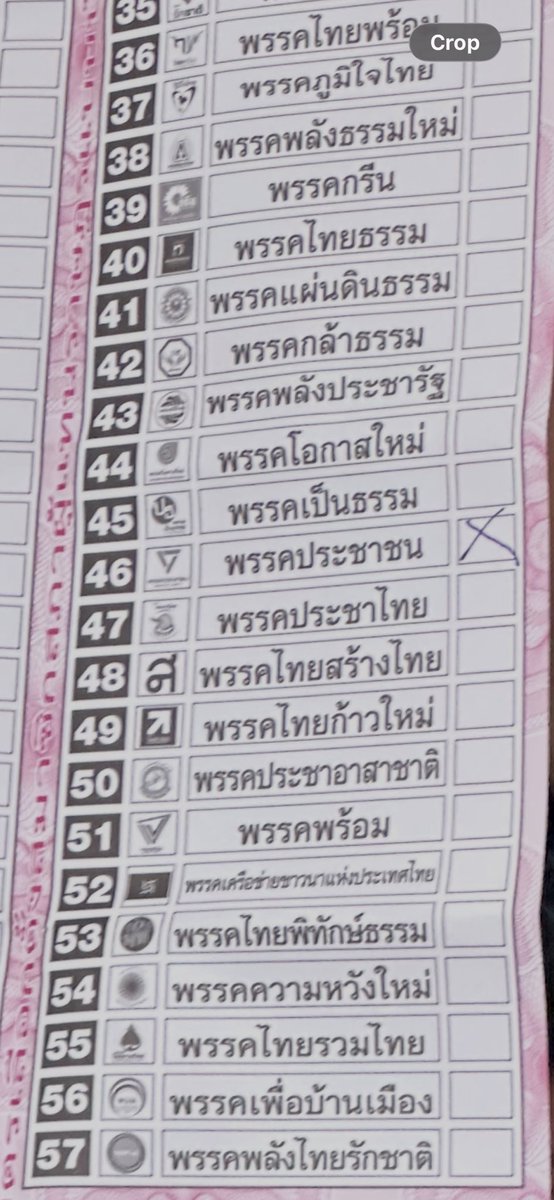
ในระยะยาว หากนักการเมืองไทยไม่สามารถสร้างฉันทามติร่วมกันเพื่อสู้กับ deep state การเมืองไทยก็จะวนเวียนอยู่ในวงจรแบบนี้ตลอดไป เพียงแค่ผลัดเปลี่ยนพรรคที่จะถูกยุบ, นายกฯ ที่จะถูกปลดไปเรื่อยๆ ตามการตัดสินใจและกดปุ่มของชนชั้นนำใน deep state
เป็นการเมืองที่ไม่มีและมองไม่เห็นอนาคต





![Luckshuryy's tweet photo. i've gone through quite a few journals the past few years
[ what didn't work ]:
- taking over 2 to 3 trades per day
- back to back entries (re-entering after a loser)
- trading too many pairs (spreading themselves thin)
- random sizing
- only using market orders (they’d always be offside anyways)
- executing using timeframes below 5m
- not having daily structure (some morning routine)
- adding to a losing position (quite obvious)
- entering before knowing where they would exit
[ what was working ]:
- limiting trading to certain session hours (new york/close)
- planning specific levels (not zones) before each session
- sizing in accordance to regime (example: 5d vs 60d atr)
- increasing initial trade size once already in profit
- focusing on price action from their avg trade time
- trading majors (btc,eth) nothing smaller than solana
- aiming for a 45% + win rate (low-mid win % in general)
[ why they were messing up ]:
- trading pnl graph (thinking of past results)
- not accounting for probabilities resetting
- social media impact on their execution
- spreading thin across pairs to avoid boredom
- inability to not mess with an open position
- not stepping away from the desk frequent enough
- outcome focused mindset over input focused
[ actions they used to fix ]:
- collected data (having data = conviction)
- reviewing after every trade (creates time delay)
- turn off the pnl completely
- adopting a 3 question checklist before entering
- removing all trading apps from phone
- strictly limiting time on socials (lookup "brick - social")
none of this is to say there’s a right or wrong way to trade.
i'm 100% certain there are people trading 20 trades per day making money, and people trading 15 different pairs too.
i just wanted to share my personal observations from people I have worked with.](https://pbs.twimg.com/media/HIr8DHubYAAn8s5.jpg)