IFIB is taking baby-steps to form a nexus of all stakeholders for progressive management of invasive (alien) species in the country. We are glad to share our membership form. Join us for various upcoming and exciting events here -
https://t.co/KGmI8P1HnT
#Lantana#invasive
Little brain-teaser:
Would you expect non-native plant species to make mountain floras more diverse (more heterogeneous) or less so (more homogenised)?
Find the answer in my latest blog, where I dive into a new global paper from @MIREN_mountains:
https://t.co/v4RIo21thw
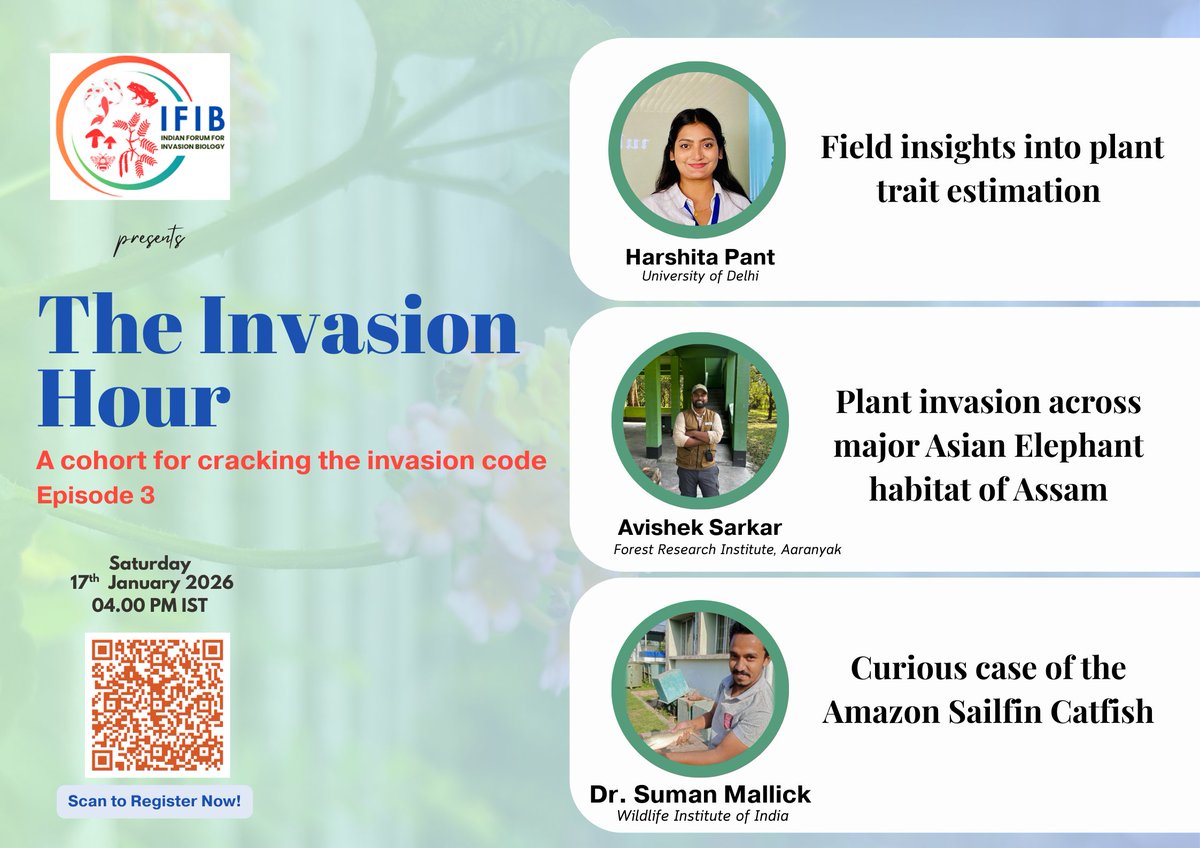
Welcome to Episode 2 of The Invasion Hour with Dr. Arunava Datta, Dr. Neha Goyal, and Malvika Chaudhary from CABI.
How: Register here: https://t.co/k1F7lqCGzI
The thing with invasive alien species is that we cannot wait for them to invade landscapes and disrupt native biodiversity. Temporal scale is of utmost importance here. The more we wait, the more these species proliferate.
@the_hindu
https://t.co/lq2CZdTE3N
The introduction of non-native pet-traded species poses potential threats to global biodiversity. This new paper investigated the dynamics of microsporidian infections in an established feral population of cherry shrimp, Neocaridina davidi.
https://t.co/PLwQfdAJGh
Invasive alien fishes are introduced due to human activity outside their natural range, where they establish, spread and cause ecological or economic harm.
What makes them “invasive” is not just their exotic origin but their ability to outcompete native species and thrive in disturbed environments. To read more, check out the article by Nobin Raja from ATREE using the link.
https://t.co/8GGCdYDnmJ
While the biodiversity across tropics is changing due to climate change, it directly-indirectly affects the different facets of human community as well.
Invasive plants are transforming the tropics, forcing people to adapt - https://t.co/JbVlWqxs16 https://t.co/XTV56PcViW
The Tamil Nadu government has informed the Madras High Court that 517 villages spread across 32 districts have become free of seemai karuvelam (prosopis juliflora), an exotic and invasive plant species considered harmful to the ecology and the maintenance of groundwater table, writes @imranhindu
https://t.co/Trx09FUHdp
Snails whose populations won't grow at snail pace.
Spotted in city: Invasive snail species poses health risks - The Times of India https://t.co/sA9MU6E7iT
The Banni grasslands of Kutch, Gujarat, have witnessed tremendous ecological changes over the decades. The highly invasive tree, Neltuma juliflora, has taken over more than half of this unique, seasonally flooded saline grassland area. This has resulted in tremendous grazing pressure on the remaining grasslands.
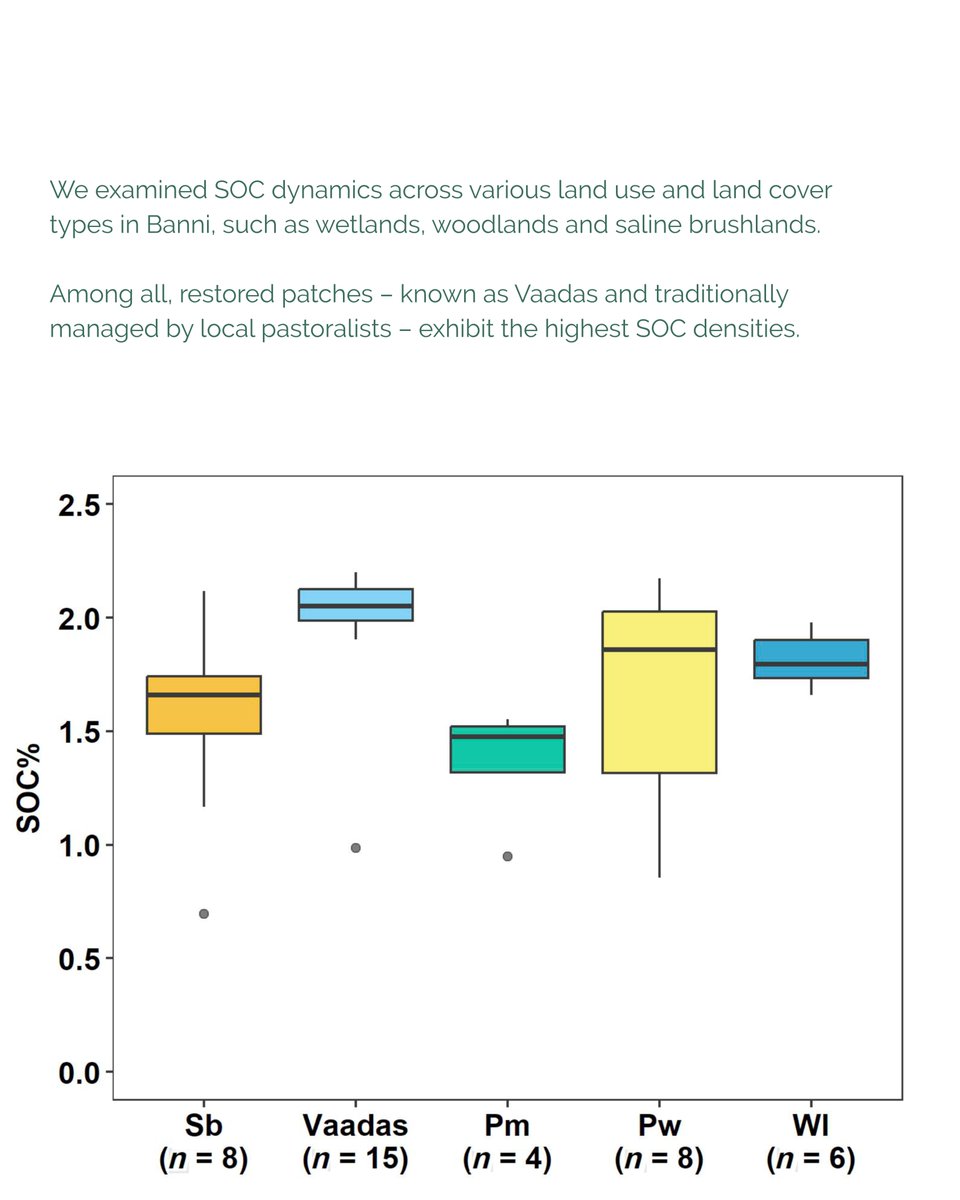
But what impact did all these land use and land cover changes have on the capacity of Banni to sequester carbon? Will the restoration of grasslands in Banni improve soil carbon sequestration? What does soil carbon look like under the shade of the invasive trees? These are the questions that a team of researchers from ATREE set out to answer.
Banni has among the highest soil organic carbon stores in grasslands in the country, especially where grasslands have been restored, and are managed by local communities.
This study makes a strong case for a collaborative and integrated grassland management approach that considers the strategies employed by local communities. These strategies are applicable to Banni, in particular, and to arid/semi-arid open natural ecosystems in India, in general.
https://t.co/lOxgjZs2kx
INVASIVE ALIEN SPECIES IN INDIA #1
🌿 Lantana camara is among the world’s worst invasive plants. It spreads rapidly, smothers native vegetation, and reduces grazing lands. Let’s protect our ecosystems by spreading awareness, not lantana! #InvasiveSpecies#Biodiversity
South India is fighting back against Senna spectabilis — a golden-blooming invasive that’s choking forests & fuelling human-wildlife conflict
Kerala’s “Wayanad model” shows it’s possible to uproot the menace, root by root
🖋️ @KAShaji123#Conservation
https://t.co/vuByMTNCCb