...There is a higher rate of respiratory problems and other infectious diseases among Indigenous children than among non-Indigenous children - inadequate housing and crowded living conditions are contributing factors
...improvements, Indigenous people remain at higher risk for illness and earlier death non-Indigenous Peoples. Chronic diseases such as diabetes and heart disease are on the increase. There are definite links between income, social factors, and health...
...into health determinants now recognizes European colonization as a common and fundamental underlying determinant of Indigenous health. There have been strides made on the part of many Indigenous communities to improve education around health issues, but despite these...
⚠️POOR HEALTH There is a higher rate of respiratory problems and other infectious diseases among Indigenous children than among non-Indigenous children - inadequate housing and crowded living conditions are contributing factors. The World Health Organization's investigation...
There have been strides made on the part of many Indigenous communities to improve education around health issues, but despite these improvements, Indigenous people remain at higher risk for illness and earlier death non-Indigenous Peoples...
The World Health Organization's investigation into health determinants now recognizes European colonization as a common and fundamental underlying determinant of Indigenous health...
...According to the 2016 Canadian Census, 33.65 per cent of those who identified as an Aboriginal person have no secondary (high) school or equivalency certificate, compared to 18.3 per cent of the rest of the Canadian population.
SYSTEMIC RACISM ⚠️ Colonialism accounts for many bitter, demoralizing legacies, the most pervasive of which is education - the root of this particular legacy is that ultimate national experiment in assimilation - the Indian Residential School system...
.... struggle with. Of those First Nations people living on-reserve, 44.2 per cent lived in a dwelling that was in need of major repairs, compared to 6 per cent of the non-indigenous population living in such a dwelling.
INADEQUATE HOUSING & LIVING CONDITIONS. Three words - Attawapiskat First Nation. In 2011, the conditions in this community drew national and international media attention - and attention of the United Nations - to a housing situation that far too many Indigenous communities....
Throughout Canada's history, Indigenous peoples have helped shape this land into the country we know today. During the War of 1812, First Nations warriors and Métis fighters played important roles in the defence of these British territories against invading American forces....
....Thousands of First Nations warriors and Métis fighters fought beside British troops and Canadian settler militias during the war. More than 10,000 First Nations warriors from the Great Lakes region and the St. Lawrence Valley participated in nearly every major battle.
Residential schools operated in Canada for more than 160 years, with upwards of 150,000 students. Indigenous children were removed from their families and communities and put into schools, they were forced to abandon their traditions, cultural practices and languages.
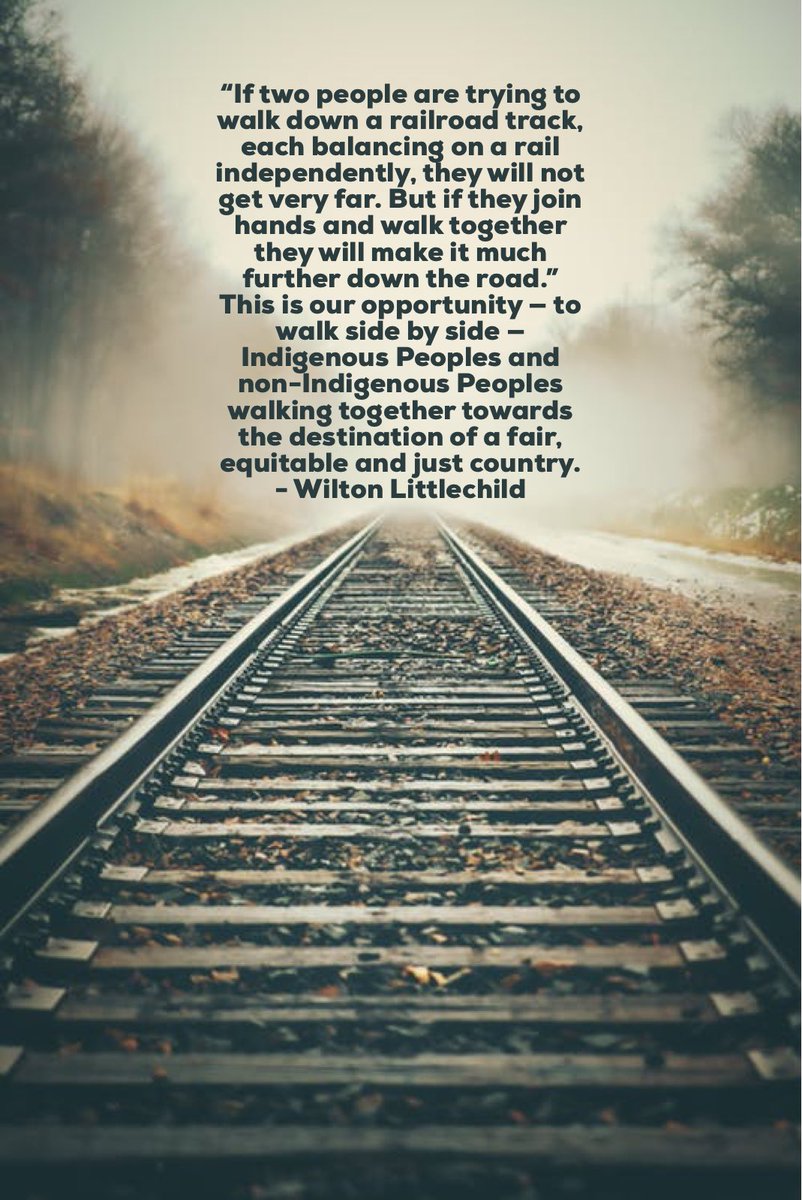
“If two people are trying to walk down a railroad track, each balancing on a rail independently, they will not get very far. But if they join hands and walk together they will make it much further down the road.” - Wilton Littlechild
Contrary to many Canadians knowledge there are in fact 1,673,785 Indigenous people in Canada. Split into the First Nations, Inuit and the Métis. There are 617 nations who speak more than 50 different languages.
#ipmdc19#indigneous#indigenouspeople#indigenouspride#educatethem