We are very excited to announce that:
Our ORC-CASH indexer now auto supports
BRC-20 & ORC20 Deploys & Mints
If you ever deployed or minted tokens on those protocols…
You might want to check your wallet address on https://t.co/kZYTYceGou
Could be some cash waiting for you!
We are fully open-sourcing:
OrcCash Indexer
https://t.co/RklEqIPy8S
&
Token Explorer
https://t.co/IFMBUwNAoR
To support @orc_cash decentralizing governance structures.
And inviting more developers to run ur own OrcCash Indexer/Explorer to further decentralize the protocol
Added a new spec in the Limit Variable:
Self
If you deploy a OrcCash token with Self as the lim,
Only the wallet address that holds Deploy Inscription can mint the token.
This is already supported by @infosatio Indexer.
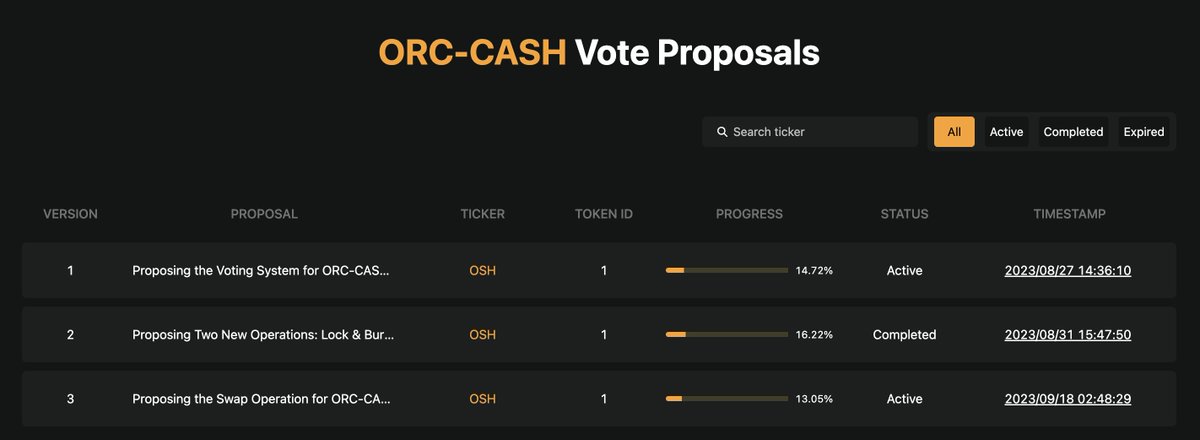
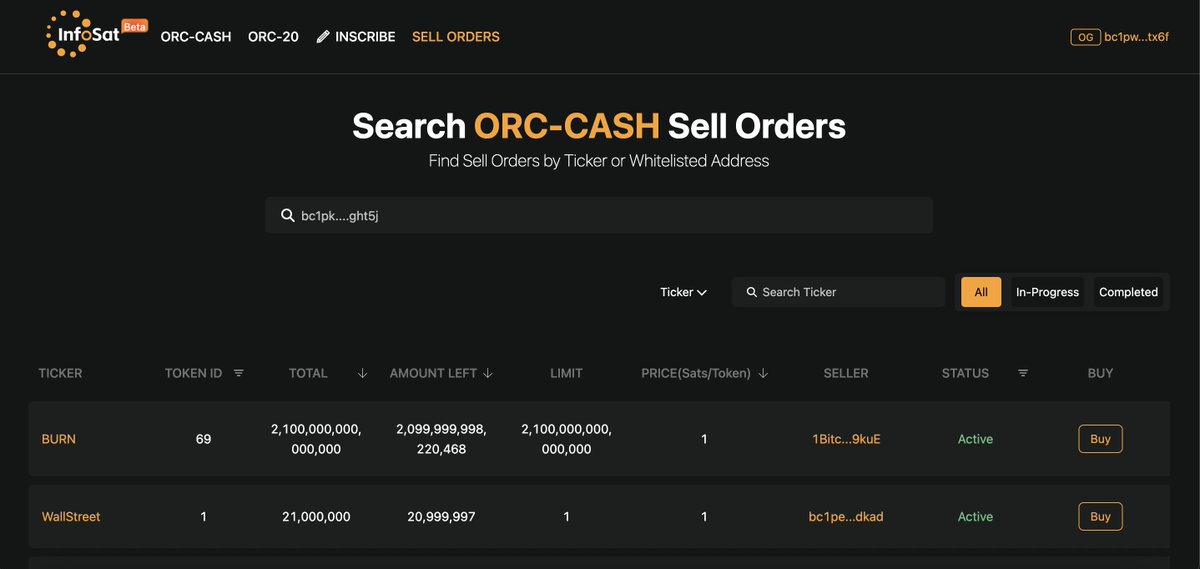
We are proud to announce the launch of Sell Orders for the ORC-CASH Protocol Sell Operation.
You will be able to 1-click buy any tokens on offer.
https://t.co/Fcn2A2q61U
Runes vs BRC-20: Everything you need to know
Runes (as of a few hours ago) was just a blog post by Casey. But now, I'm sure there are devs cranking away trying to release the first token/wallet/swap/marketplace.
Here's how Runes compares with BRC-20:
1. UTXO bloat
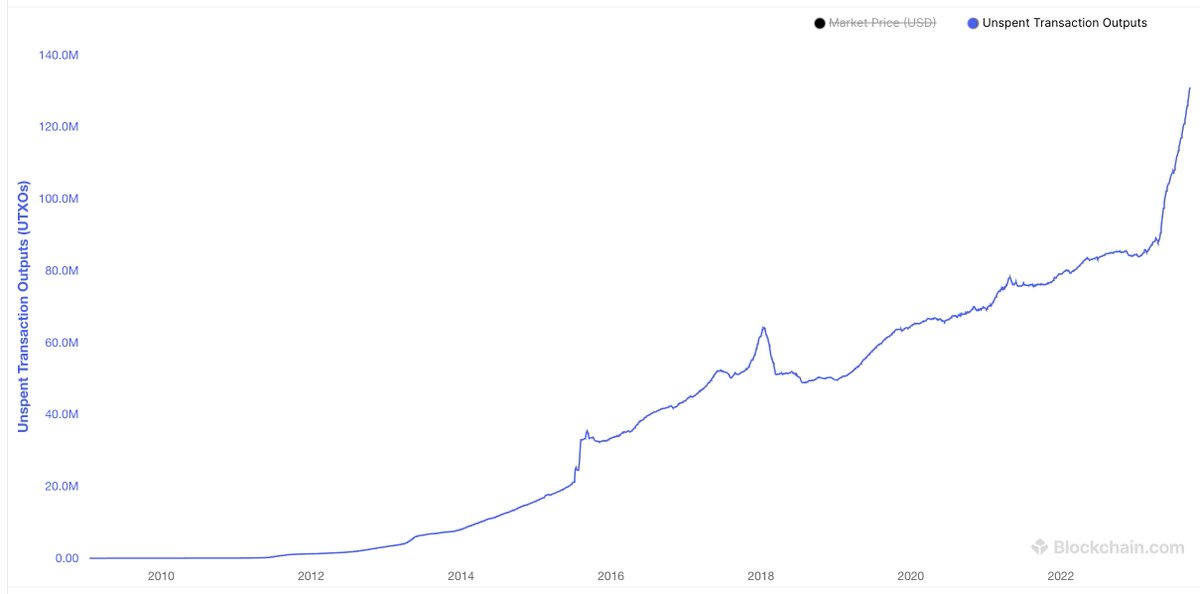
UTXO bloat is real. Check out the steep line on the far right. That was due to the creation of BRC-20. Regardless of whether you agree with the UTXO bloat problem, it is probably a good idea to minimize UTXO bloat. Runes does have less UTXO bloat than BRC-20 (and Runes promotes greater consolidation over time)
2. UTXO model
BRC-20 and Runes both use a UTXO model for transfers. Then BRC-20 'deploys', 'mints', and 'transfer activations' leverage an account-based model whereas Runes bakes it into the UTXO model. This makes Runes closer in functionality to Bitcoin itself (full UTXO model).
3. Functionality
Both standards allow for PSBTs. Runes allows for better Bitcoin interoperability as it is fully UTXO-based (easier to use in Lightning or DLCs). However, with both standards it is difficult to airdrop 1000 addresses with a token (requires 1000 UTXOs in either case).
4. Data storage
BRC-20 leverages the witness data within the ord envelope. Runes leverages the op_return. While op_return is more elegant, it doesn't feel like a viable solution due to the op_return size restriction of 83 bytes. This means you can only send tokens to a few people in each transaction which significantly limits the benefits of the Runes model. (possible that miners allow larger op_return though)
5. Reliance on off-chain indexers
Both standards use Bitcoin as a full data availability layer and rely on off-chain indexers to provide the full balances/state of the protocol. Runes has a slight advantage as it is independent of the Ordinals protocol, meaning fewer dependencies.
6. Existing infrastructure
BRC-20 has thousands of tickers, multiple indexers, an on-chain settlement layer being built, multiple wallet support, multiple marketplace support, and multiple layers working on additional BRC-20 solutions. Runes is just an idea. BRC-20 wins by a landslide here.
7. Similar protocols
Runes is most similar to STET and Atomicals as a fully-fledged UTXO model for fungible tokens. BRC-20 is most similar to TAP or ORC-CASH as a flexible UTXO/account model hybrid.
8. Summary of Casey's viewpoints on Runes:
- Conflicted about supporting fungible tokens
- Maybe value in a safer alternative to BRC-20
- Runes is not fully formed, shared to get feedback
- No code written yet
- No personal motivation to work on it himself
- Open to writing a more formal spec & reference implementation to get feedback
- Doesn't want to build it out fully
- Thinks Runes could be a *marginally* better way to implement tokens on Bitcoin compared to alternatives
- Cautioned to use it at your own risk
- Just an idea at this point
9. Bob's final take
Runes is interesting (reduces UTXO bloat, pure UTXO model, greater interoperability w/ Lightning and DLCs), but has a massive uphill battle before it becomes widely accepted. Acceptance will require infrastructure building, adoption from existing Bitcoin builders, and solving DeFi problems inherently challenging for a pure UTXO model.
What did I miss? Anything you would add?
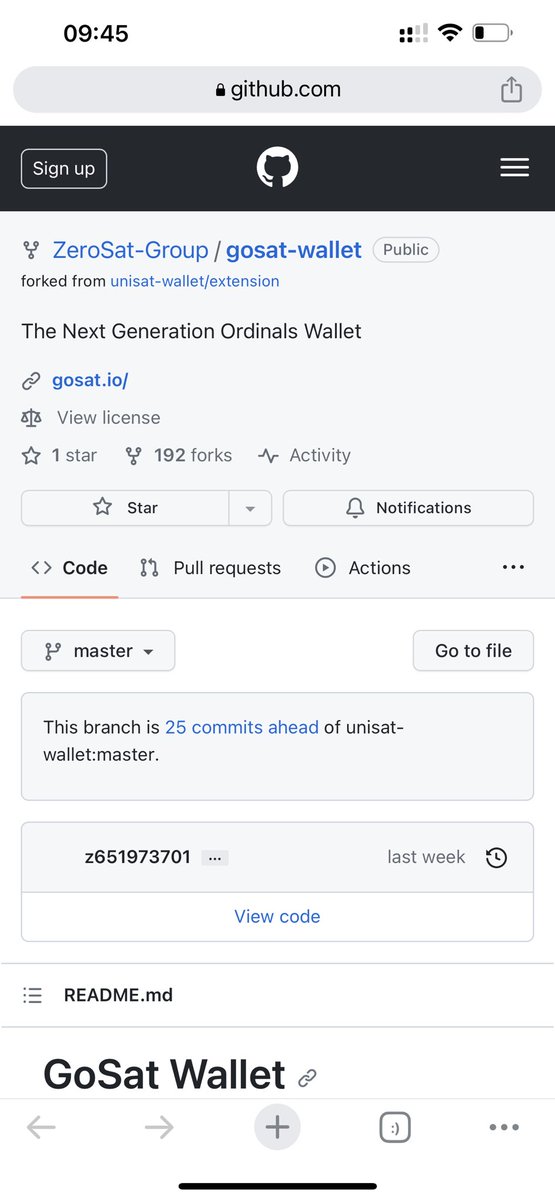
We have fully open-sourced our code!
Thank you @unisat_wallet@lorenzonical for letting us build on top of the UniSat Open-Source framework!
https://t.co/ii7Obso4dC