@io_ernest Can you please send a DM? I have one HandShake account that has no job for about 3 weeks now and One Outlier account that failed an assessment test.
Can you help with these two accounts?
@io_ernest@ThisisKreept Can you please send a DM? I have one HandShake account that has no job for about 3 weeks now and One Outlier account that failed an assessment test.
Can you help with these two accounts?
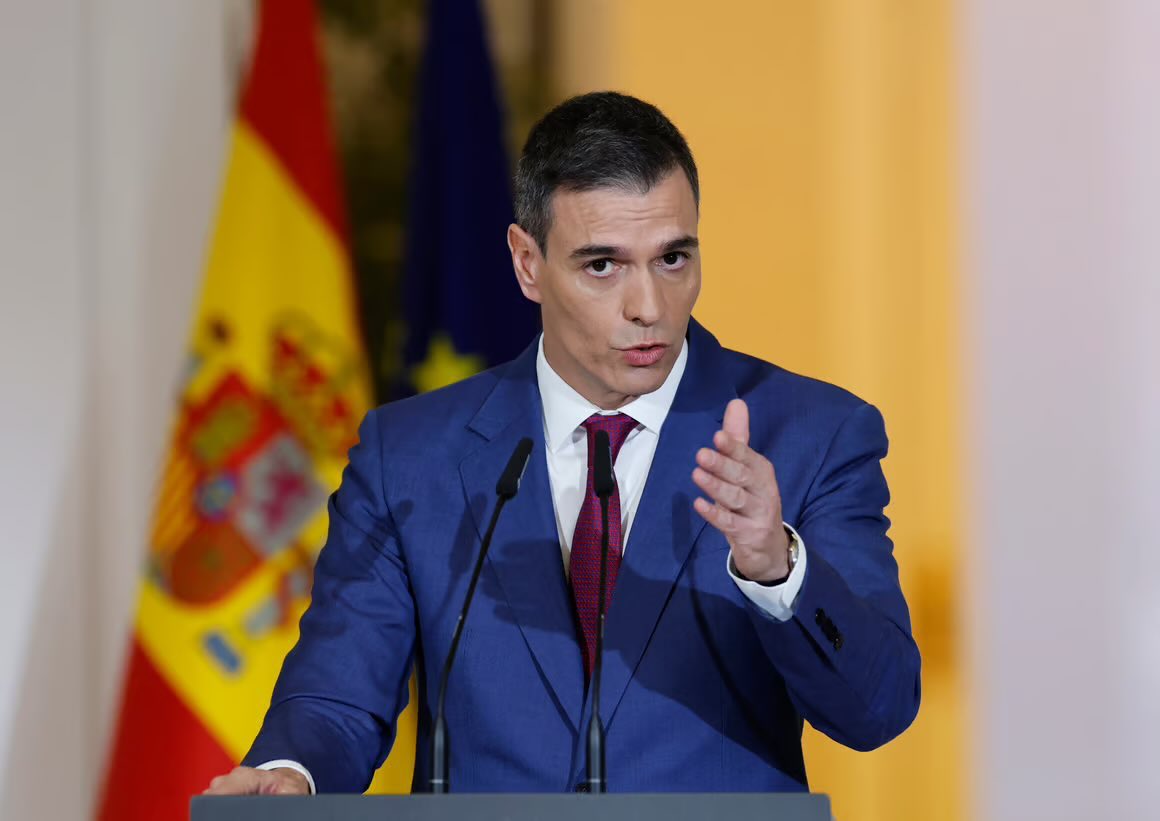
@Osint613 Trump’s statement reflects a continued pattern of linking foreign policy actions with domestic political narratives. By framing criticism as an attempt to undermine military success, the focus shifts from the substance of the conflict to internal political divisions.
Spain’s strong opposition to the war appears to align with that positioning, suggesting access is being tied directly to political stance. The key issue now is what this means long-term—if passage depends on alignment, the Strait stops being a neutral trade route and becomes a controlled gateway shaped by geopolitics rather than international norms.
@BRICSinfo When the United Nations frames the situation as the world “staring down the barrel of a wider war,” it signals that escalation risks are no longer theoretical—they’re increasingly plausible.
Netanyahu rejecting reports of a slowdown and insisting the war is still at its peak signals that Israel sees the current phase as ongoing high-intensity operations, not a transition toward de-escalation.
This contrasts with parallel messaging about potential negotiations, highlighting a familiar pattern—diplomacy being discussed publicly while military pressure continues on the ground.
@BRICSinfo Actions of this kind are typically aimed at disrupting networks and capabilities, but they also increase the risk of retaliation and further escalation between the involved parties.
@cnni The key issue now is whether Ukraine’s air defenses can maintain interception capacity under this kind of persistent, high-volume pressure—or if attacks like this begin to strain defensive systems over time.
Statements like this reflect a very hardline position, but they don’t necessarily translate into actual negotiation outcomes. Claims that Iran would demand removal of U.S. bases and strict guarantees align with broader reports that Tehran is seeking major concessions and security assurances before agreeing to any deal.
🚨🇮🇷 THIS WAR WILL NOT END ON U.S. TERMS
Ex-CIA Larry Johnson says Iran will demand guarantees and removal of U.S. bases.
He says anything less will not be accepted
@elonmusk That kind of layout aligns with a broader push toward making electric vehicles more versatile for families, not just for utility or performance use.
@BRICSinfo That distinction matters. It means there may be exploratory dialogue, but not yet a structured negotiation or agreed framework. At the same time, both sides are clearly shaping their public narratives—one emphasizing progress, the other denying engagement
However, officials stressing that no decision has been made about ground forces in Iran highlights an important distinction—this is preparedness, not confirmation of invasion plans.
The key issue now is whether this deployment remains a precautionary measure, or if it becomes part of a broader operational escalation depending on how the situation develops.
BREAKING: The Pentagon plans to deploy about 3,000 troops from the 82nd Airborne Division to the Middle East.
Officials say no decision has been made on sending ground forces into Iran.
Source: WSJ
This isn’t just about delayed shipments. It tightens supply across both Europe and Asia, intensifies competition for cargoes, and increases price volatility at a time when alternative routes like the Strait of Hormuz are already under pressure.
With multiple major buyers affected simultaneously, the market shifts from balancing supply to competing for scarcity