This is INSANE.
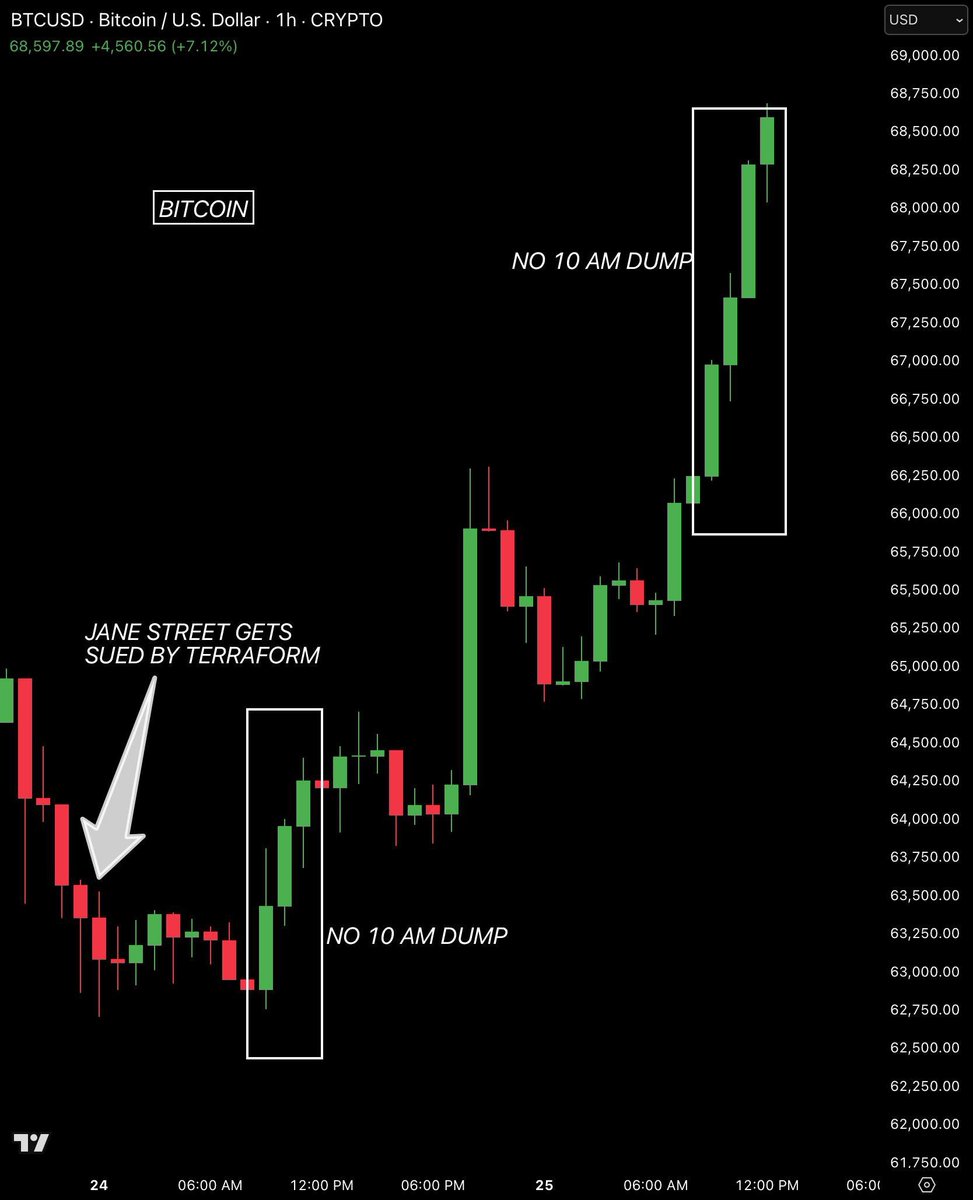
Since Jane Street was sued two days ago, the 10 AM manipulation has stopped.
Bitcoin is up 10%, adding $120 billion to its market cap, and the BTC weekly candle has turned green after 5 consecutive red candles.
The total crypto market has added nearly $200 billion over the same period.
In the past nine months #investors have also increased allocations (USD 100 Billion) to fast growing Asian (excluding China) sectors as they seek out growth and #diversification beyond the U.S.
One of favourite quotes:
"To succeed in a domain that violates your intuitions, you need to be able to turn them off the way a pilot does when flying through clouds. You need to do what you know intellectually to be right, even though it feels wrong." - @paulg
U.S. Corporate #Bond Spreads when compared to #Treasuries are at historic lows, but when compared to #Swaps they’re closer to their long-term average.
Conclusion: Increased Treasuries risk is making spreads look tighter.
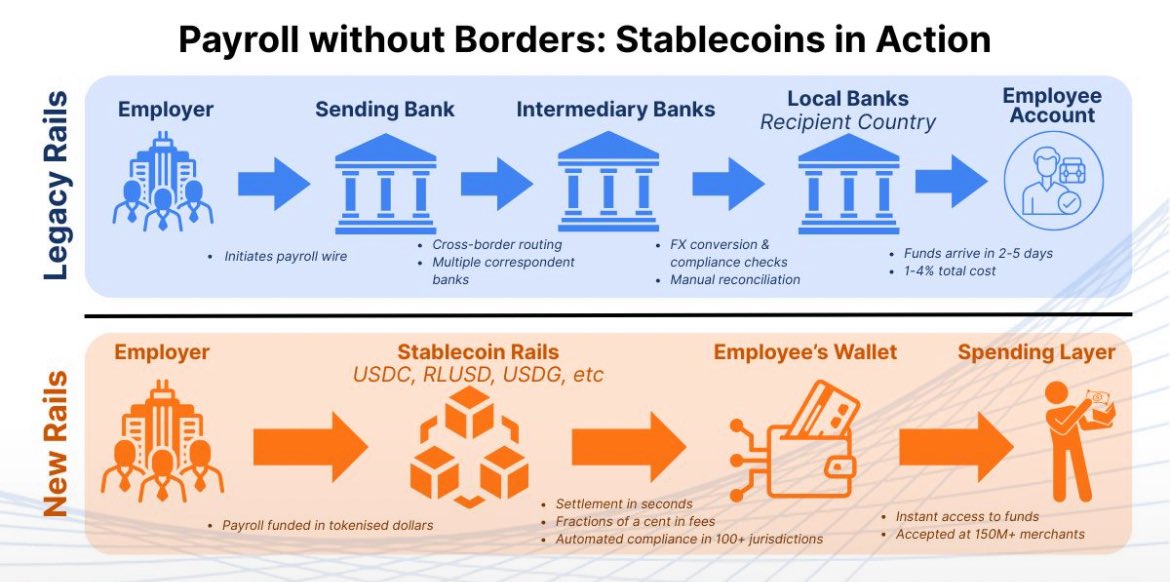
A simple graphic that illustrates on of the major reasons for higher adoption of #stablecoins in Latin America & Caribbean (7.7% of GDP) and Africa & Middle East (6.7% of GDP)
YTD USDt and #USDC have expanded by 45% and 105%, respectively, an aggregate increase of USD 92B.
#ETH hosts 54% of the USD 295B #stablecoin market cap.
By contrast Tron hosts 26% of the stablecoin market but is leading in the adoption of stablecoins for payments.
#Tether is looking to raise up to USD 20B in a private funding round that would value the company at USD 500B–USD 600B.
For context that would place it it in the same tier as SpaceX and OpenAI, the world’s most valuable private companies.
Interesting fact - #CRCL annual revenue falls by USD 187 M per 25 bps rate cut. At 15x LTM, that’s USD 17 billion reduction in market cap, with competition in #stablecoins heating up.
The cycle for yield in crypto is gaining momentum, with the following options …
1. Staking
2. Secured Lending
3. Futures Basis Trading
4. Covered Calls
Working with professional managers supports principal protections, risk management and returns optimisation.
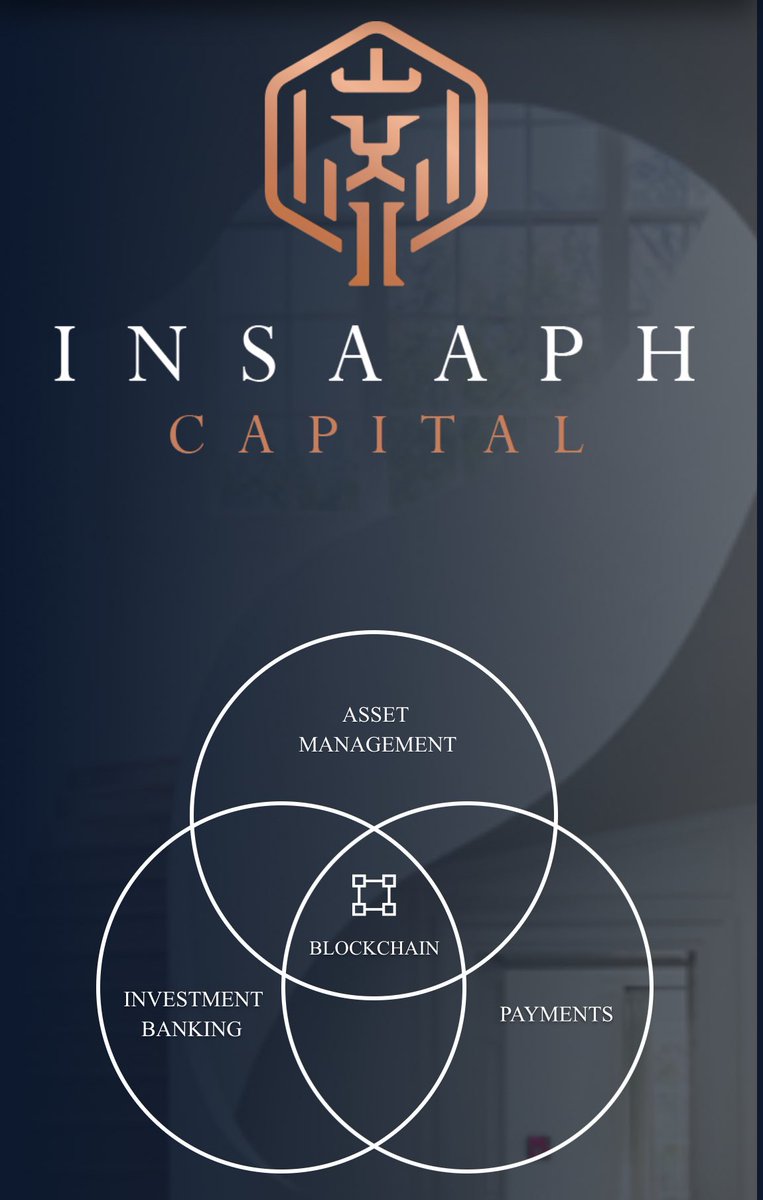
Many of the reasons we elected Asset Management as the structural foundation for building a FinTech that sits at the intersection of #AssetManagement | #Payments | #InvestmentBanking
pitched crypto to one of the largest asset managers and instead of leading with ideology, I led with business logic:
- imagine if you didn't need to reconcile trades manually?
- what would that do to your back office cost center?
- imagine if you could settle trades instantly?
- imagine if you could assess positions, solvency and liquidity at micro and system wide level? wouldn't that be nice to assess counter-party risk in real time 24/7/365? (vs manual reported solvency ratios and hoping they don't have off balance sheet items)
- imagine if you could offer global payments settling instantly without going through wire transfers?
this has been the thesis for DeFi since day 1, and the pitch since my days at ParaFi where we were investing in the OG DeFi protocols.
The difference today is that the tech has been built. It's been battle tested and ready to scale. And we have way more regulatory clarity - and more to come soon.
We find ourselves at an interesting juncture in the evolution of crypto where traditional business executives are more excited about the tech than crypto people refreshing prices waiting for moon.
Anyone that uses crypto and understands business pain points dealing with systemic friction appreciate how impactful crypto will be to their industries...
...but they still need help understanding how to implement it.
Time to accelerate. Invert.
Courage is action premised on conscious acknowledgement of imperfect knowledge about risk.
Stupidity is similar action without any consideration for such [risk] wisdom.
On a linear scale (blue), #Bitcoin looks wildly volatile and chaotic.
But on a log scale (white), the long-term trend is far more stable and consistent — a classic case of exponential growth.
The International Monetary Fund mapped how USD 2 Trillion in stablecoins flow around the world …
Emerging markets use stablecoins 15-20x more than developed ones.
• Latin America & Caribbean: 7.7% of GDP
• Africa & Middle East: 6.7% of GDP
• Europe: 0.4% of GDP