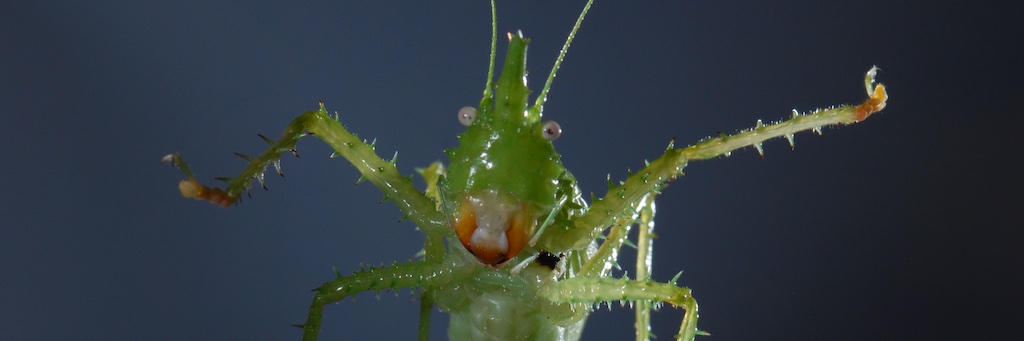
Our latest PNAS paper on the Jurassic soundscape is now featured on Science Sessions, PNAS podcast series. Released today, the episode explores how fossils and AI were used to bring the sounds of Jurassic insects back to life. @unilincoln🎧🦗
Listen here: https://t.co/ZwOP7aFVjx
One of the most-viewed PNAS articles in the last week is “Reconstruction of an extinct soundscape reveals ultrasonic communication in the Jurassic.” Explore the article here: https://t.co/GIA4jFUl0M
For more trending articles, visit https://t.co/FBFxF33Zcp.
Exciting to see our @unilincoln Jurassic soundscape story reaching audiences around the world! After being featured by media outlets across several countries and languages, it has now been highlighted by our main UK funder, @LeverhulmeTrust.
https://t.co/VoD6ZydYWk
Reconstruction of an extinct soundscape reveals ultrasonic communication in the Jurassic | PNAS https://t.co/MO6O3FEcFS
We recreated calls of 10 extinct bushcricket ancestors from a 165 MY old Jurassic ecosystems. These calles were featured in the @netflix series The Dinosaurs.
Arecent paper from our lab. Bioacoustics and Laser Doppler Vibrometry, with potential applications in Insect museum collections. @TonyRobillar@Le_Museum@unilincoln
Changes in wing resonance in dried preserved crickets | Royal Society Open Science https://t.co/UIgAkmTPXA
@rudholf77@chadorinah Esto es lo mas estupido que he he leído. Y tu piensas que el comunismo aun existe? Y tu piensas que Cuba fue o es comunista? Lee, LEE. Por eso es que ese país tuyo esta jodido, por que vienes de la delegación que el Gobierno retrogrado quiso que no leyera.
Our last paper, showing ultrasound hearing and singing in an Eocene katydid.
An Eocene insect could hear conspecific ultrasounds and bat echolocati... https://t.co/6aCHg8mBoS
@CharlieZoology@UoLLifeSciences@NHM_Science
����