Interested in gathering insights into animal minds, the animal condition, and how to subvert anthropocentric systems & narratives. Hanging out at @allilova too.
The Individual Animal Is In A major conservation body just widened the circle of what conservation protects, by GOSIA BRYJA, PHD
https://t.co/6GKf7kL7O2
Laboratory animal personnel as secondary victims of animal experimentation—victims who would also benefit from ending the practice.
In a new paper, Aoife Milford, Bernice Simone Elger, @RodriguezP_Chri, David Shaw, @DarrylGenevieve, and Eva De Clercq use the "psychosocial hierarchy of controls" to show how the same practices that produce pain, suffering, and death in animals also harm the people who carry them out.
“Repeated exposure to animal suffering, particularly when directly linked to one’s own actions, constitutes a chronic psychosocial hazard with the potential to cause psychological injury.”
Risk is the highest for early-career staff and technicians. Those responsible for direct animal care often carry the highest exposure and the least institutional control. As the authors note:
“it is usually animal husbandry staff who are called on to kill surplus animals, and not researchers who have ordered them.”
These conditions can produce empathy-based strain, perpetration-induced traumatic stress, and moral injury.
The mechanism is structural. The same role requires personnel to care for animals and then kill them. Decision-making, physical responsibility, and oversight are separated by institutional hierarchies. Breeding practices generate a steady flow of animals who are subsequently killed. Ethical review processes prioritize research protocols while largely excluding the cumulative impact of overbreeding and repeated killing.
Responsibility for eliminating this harm also sits at the structural level. Approaches centered on individual resilience or staff turnover do not remove the hazard—they redistribute it to new workers in the same conditions.
Moving away from animal experimentation directly reduces these harms for humans and other animals.
As the authors write, these discussions do not diminish animal suffering, but help “consider human and animal interests harmoniously and draw more attention to welfare issues within animal research.”
🏛️ @ibmbch, @UNIGEnews, Maastricht University, @universitelaval
@ClaudiaFTowne talks to Sue Donaldson & Will Kymlicka about their @OxUniPress book "Animals and the Right to Politics." They discuss societal & placed based politics, unpacking why both are necessary to enable animals’ political engagement.
https://t.co/MzZ8OPaVn5
I was walking past a parking lot this evening when I saw a rat — a street rat — standing beside a box of poison. He’d just eaten from it. He knew. I couldn’t save him. And the truth is, even if I could, no one rescues a street rat. He was already lost — unwanted, unloved, invisible.
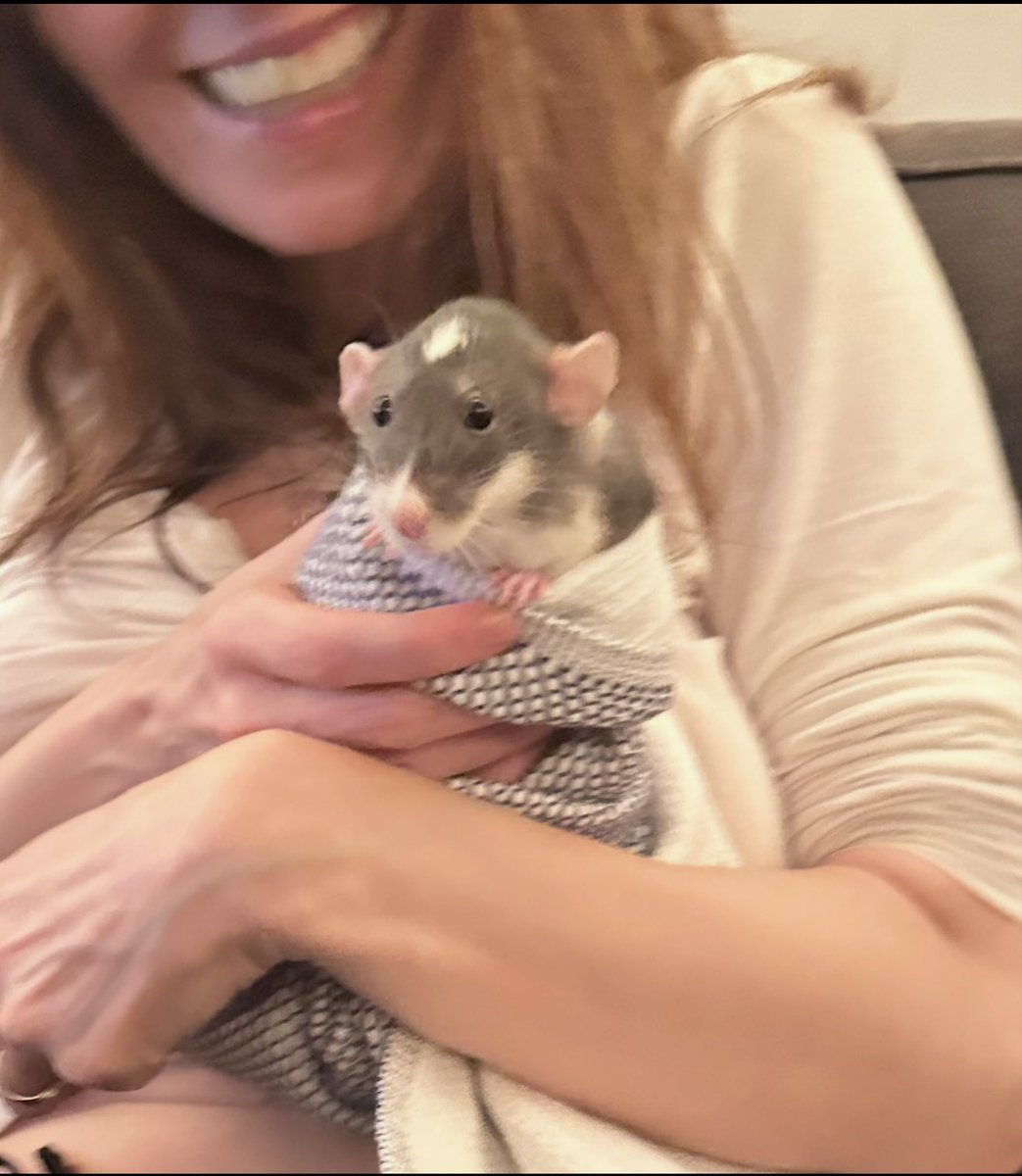
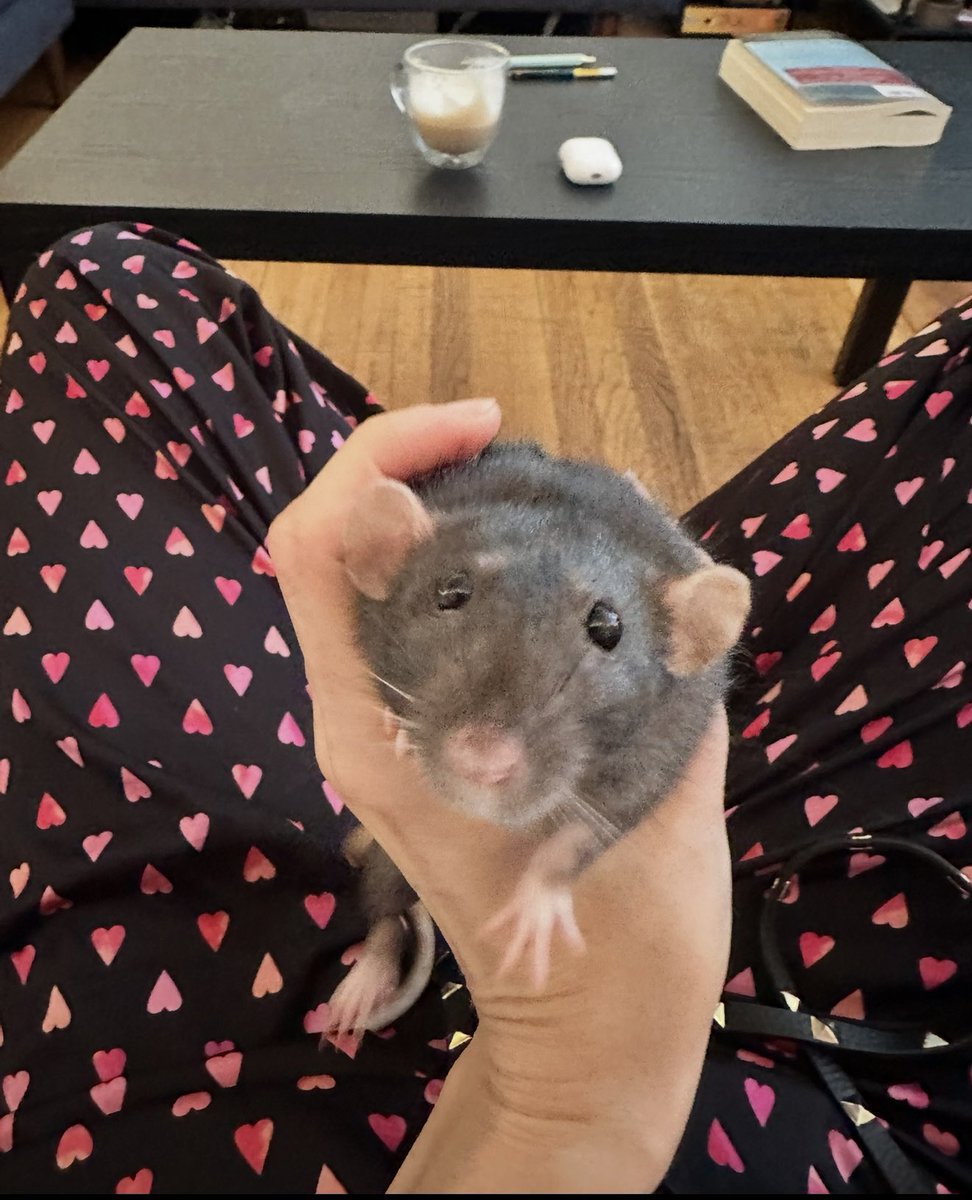
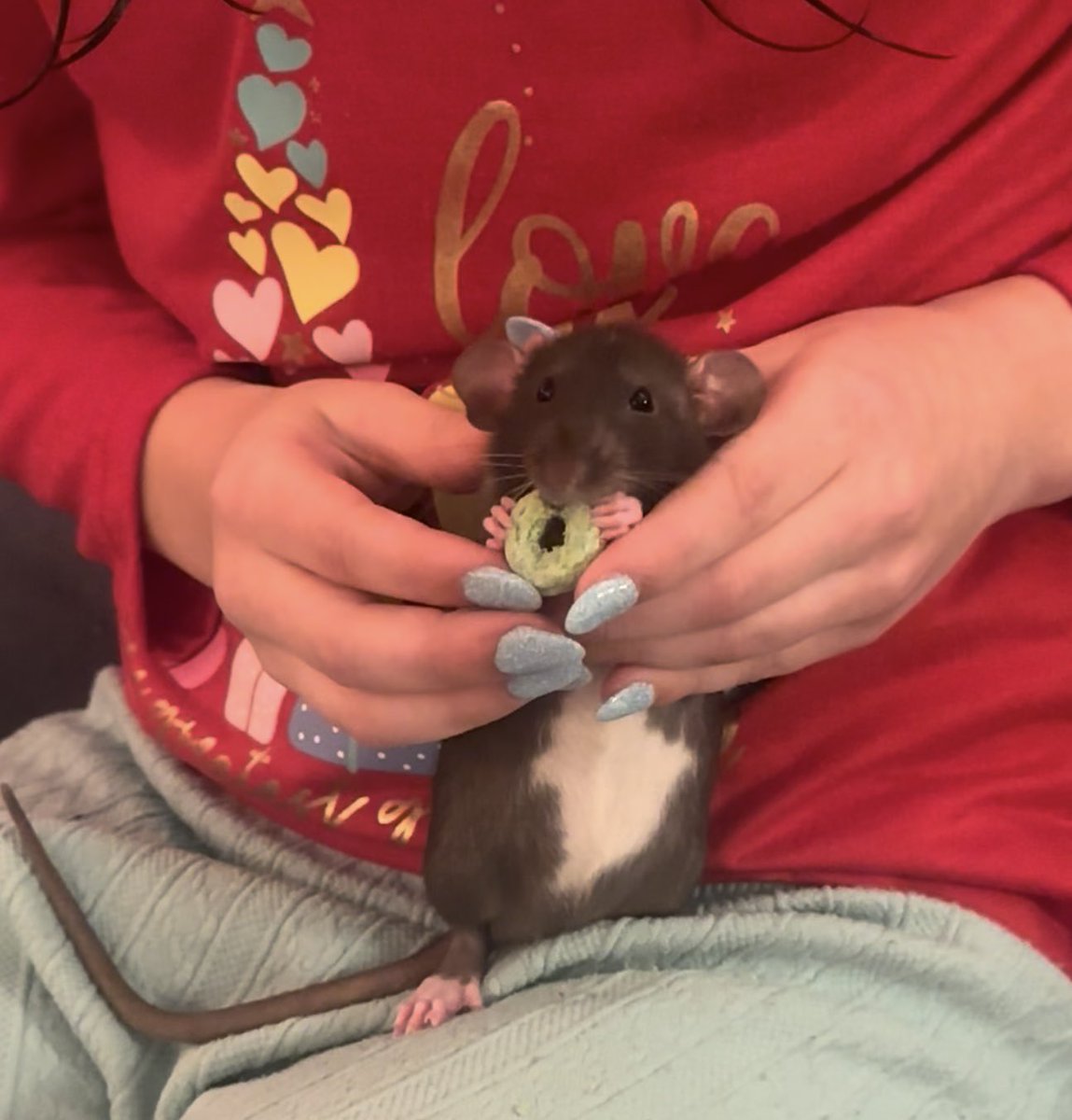
I thought of my rat, Travis — the same soft fur, the same tiny hands, the same heartbeat in a smaller chest. Travis was joy itself: playful, brilliant, gentle.
Nearly identical genes. One adored, one despised. One safe in my hands, the other dying alone on cold asphalt.
Watching him, I realized how thin the line really is — a breath, a chance, a gust of wind — between love and ruin. And I couldn’t shake the feeling that, even in this life, it could have been me.
This is Kiki, a sheep who was born without the use of her legs.
After being rejected by her mother, she was taken in as a lamb by Don't Forget Us Pet sanctuary in Massachusetts, US.
Her playful nature inspired the staff to build her a motorised wheelchair, which she controls with her head and neck.
Today, Kiki roams freely around the sanctuary, spending time with other animals and regularly meets disabled children to offer emotional support.
@drcrystalheath I think it's important to treat animals as rights holders when it comes to health & sex, without losing sight of the community. Because the low social status is why dogs & cats are treated as disposable by "owners," why there's no public money for their health (incl behavior) etc
@drcrystalheath But overpopulation is an argument about birth control, for which different means exist, while pyometra is an argument about the individual animal's physical and mental health--which is a lot more complicated than most vets would have us believe & is relevant to animal rights too.
@homoultimus @sibaburck I won't address all the issues with your argument, but why can't I draw a line, not at being "aware of one's existence," but at being aware of the complexity of animal minds - or the injustice animals endure? So that those I consider unenlightened in a harmful way can be eaten.
@MarcBekoff I would opt for "halting discovery"; human experimentation would be even more useful, yet we don't lament its lack. The alternatives, including radical ones based on the understanding that the universe isn't mechanistic, would be quick to emerge once we renounce our entitlement.
We know so little of who animals really are because our violence prevents them from reaching their full potential. It also prevents us from reaching our full potential. I believe this is a major reason why the world is in disarray & why the international "order" proved so fragile
"Veronika is certainly special, but we don't think she's particularly different to other cows. Her conditions are" [she's a pet cow].
https://t.co/2InX8g89S4
Reminds me of the tool-using wolves whose curiosity may have flourished because they're not hunted like other wolves are






![insighthound2's tweet photo. "Veronika is certainly special, but we don't think she's particularly different to other cows. Her conditions are" [she's a pet cow].
https://t.co/2InX8g89S4
Reminds me of the tool-using wolves whose curiosity may have flourished because they're not hunted like other wolves are https://t.co/I8aSnqhF4u](https://pbs.twimg.com/media/G_XvIYvWsAAZwBe.jpg)




