N-acetyl cysteine (NAC) may help stop heart attacks before they start | Knowridge
For over 100 years, heart attacks have been the number one cause of death in the United States. Most treatments today try to break up blood clots after they’ve already formed. But scientists at Georgia Tech have found a way to stop these clots from forming in the first place—and they’re using a cheap, common drug that’s already available in hospitals.
This drug is called N-acetyl cysteine, or NAC for short. It’s been used for years to treat people who overdose on acetaminophen (Tylenol).
But now, researchers have found that NAC can do something else: it can prevent blood clots from forming at all. And unlike many blood thinners or anti-clotting drugs, NAC doesn’t increase the risk of bleeding, which is a major side effect of current treatments.
Blood clots can cause serious problems like heart attacks, strokes, and even sudden death. They form when platelets—tiny cells in the blood—stick together. One of the key players that helps platelets clump is a protein called von Willebrand factor, or VWF.
Think of it like a ball of yarn. Most of the time it stays tightly rolled up. But in damaged blood vessels, it unrolls and becomes sticky. That’s when it starts trapping platelets and building a clot.
Current drugs often try to stop the platelets themselves. But that approach is risky because it makes it harder for your blood to clot when you actually need it—like when you get a cut. This can lead to too much bleeding.
According to Professor David Ku, who led the Georgia Tech study, it’s a tough trade-off: “We can give you a drug that might help prevent another heart attack, but it could also cause a lot of bleeding.”
So, Ku and his team tried something different. Instead of going after the platelets, they focused on VWF. If they could stop that protein from becoming sticky in the first place, maybe they could stop the clot before it even got started.
That’s where NAC came in. It turns out NAC can break the links that hold the VWF protein together when it unravels. That means VWF can’t grab the platelets, and the clot doesn’t form.
The team tested this idea using a special device that mimics how blood flows through narrowed arteries. This is important, because narrow or damaged arteries are where clots are most likely to form. In this test, NAC completely stopped clotting.
The researchers then tested it in mice and saw the same thing. Even more impressive, NAC’s effects lasted for six hours—longer than the drug itself stayed in the blood.
This discovery could change the way doctors treat patients who are at high risk of another heart attack. Right now, these patients are usually given strong blood thinners, which come with the danger of serious bleeding.
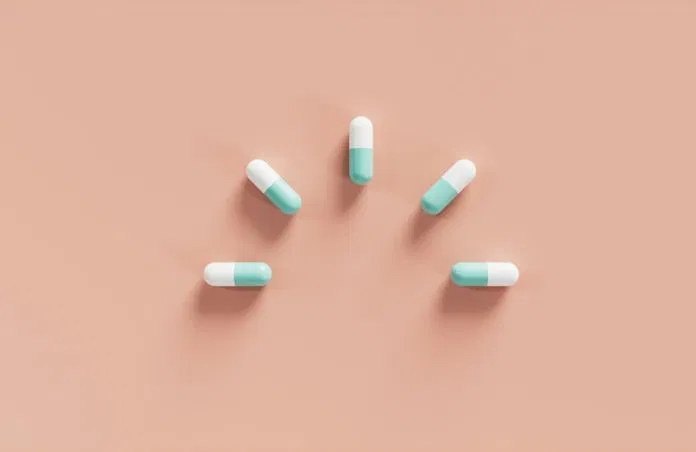
But a quick injection of NAC could offer the same protection without that risk. In the future, people at risk of heart attacks or strokes might even be able to take NAC daily as a pill to keep their arteries clear.
Because NAC is already approved for other medical uses and has a strong safety record, it might become available for this new use faster than brand-new drugs. The team hopes that clinical trials will start soon, and they’re working toward getting approval from the FDA.
If all goes well, this could be a game-changer for millions of people. It could help prevent heart attacks, strokes, and other life-threatening conditions caused by clots—without the dangerous side effects of today’s treatments. For now, this discovery offers a simple but powerful hope: stopping heart attacks before they even begin.
Read more:
https://t.co/F8pVeLnwcu
This is is interesting. Getting sued like crazy could turn out to be a Trump win by forcing the Supreme Court to clarify the powers of the president to run the executive branch.
RFK Jr. breaks down the MAHA plan to reform USDA in 2 minutes: “We’re going to give farmers an off-ramp from the current system that destroys their health, wrecks the soil, makes Americans sick, and destroys family farms.”
1. “We’re going to REWRITE the regulations to give smaller operators a break.”
2. “We’re going to encourage sustainable regenerative farming that can build soil and replenish aquifers.”
3. “We’re going to BAN the worst agricultural chemicals that are already prohibited in other countries, and we’re going to remove conflicts of interest from the USDA dietary panels and commissions.”
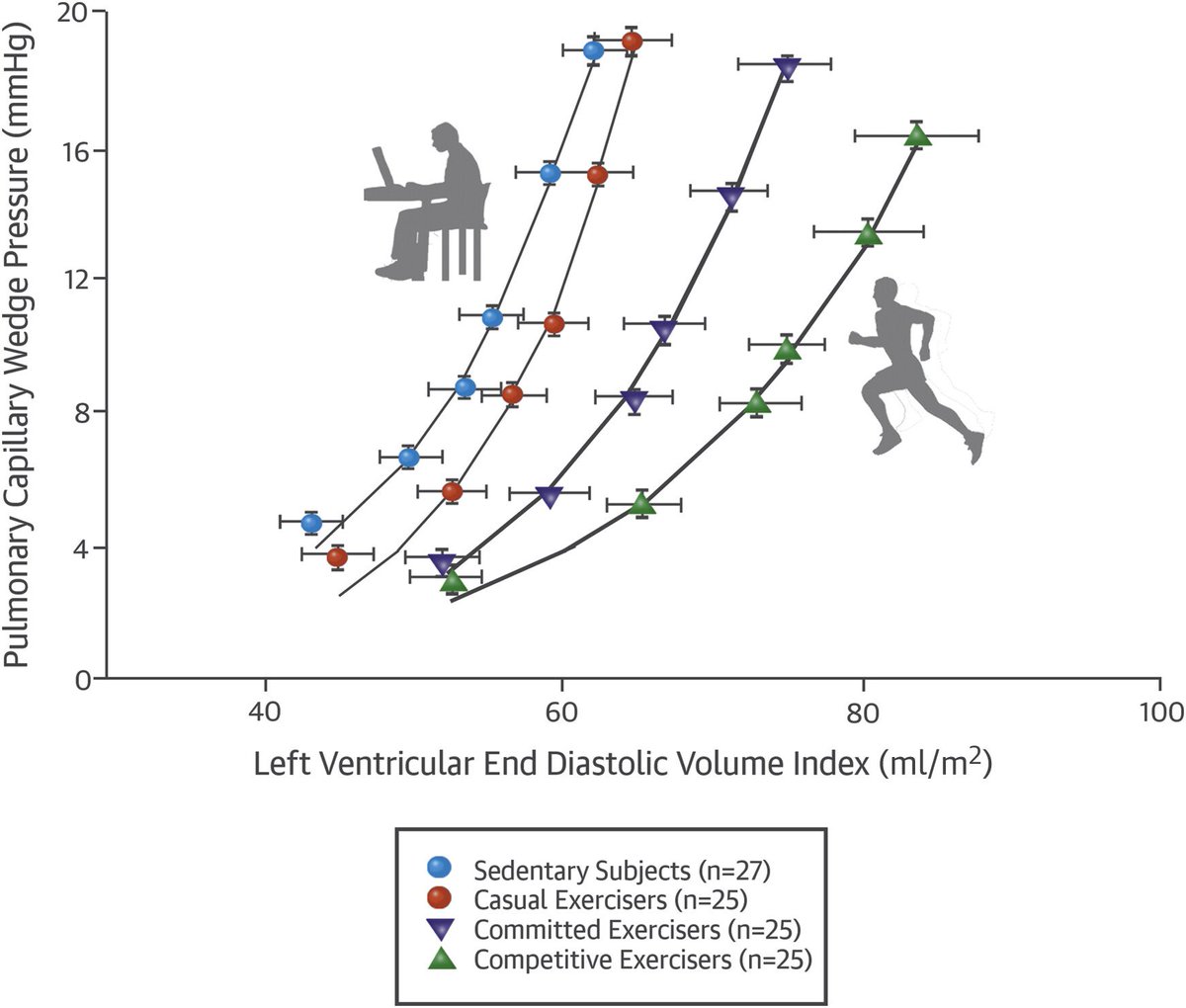
One of the most fascinating studies covered in our deep dive into training for cardiovascular health was on the "dose" of exercise to prevent age-related cardiac stiffening.
It's 4-5 days/week minimum throughout life.
Exercising 2-3 days per week doesn't cut it and wasn't much better than being sedentary in terms of heart structure.