Abogado especializado en Derecho Sanitario. Licenciado en Derecho por la Universidad de Barcelona. Abogado ejerciente del ICAB. Mis opiniones son mías.
@SecGenNATO@NATO@donaldtusk Bla bla bla bla … And???? Does NATO need someone to die in the territory of the Alliance to do something? NATO only serves to talk and deter, but it lacks eggs
@AdaColau Que no es un derecho? Pero si es la herencia de unos padres! Aquí ya podemos hablar de comunismo puro y duro. Sra. Colau esto es muy desafortunado y con las elecciones a la vuelta de la esquina
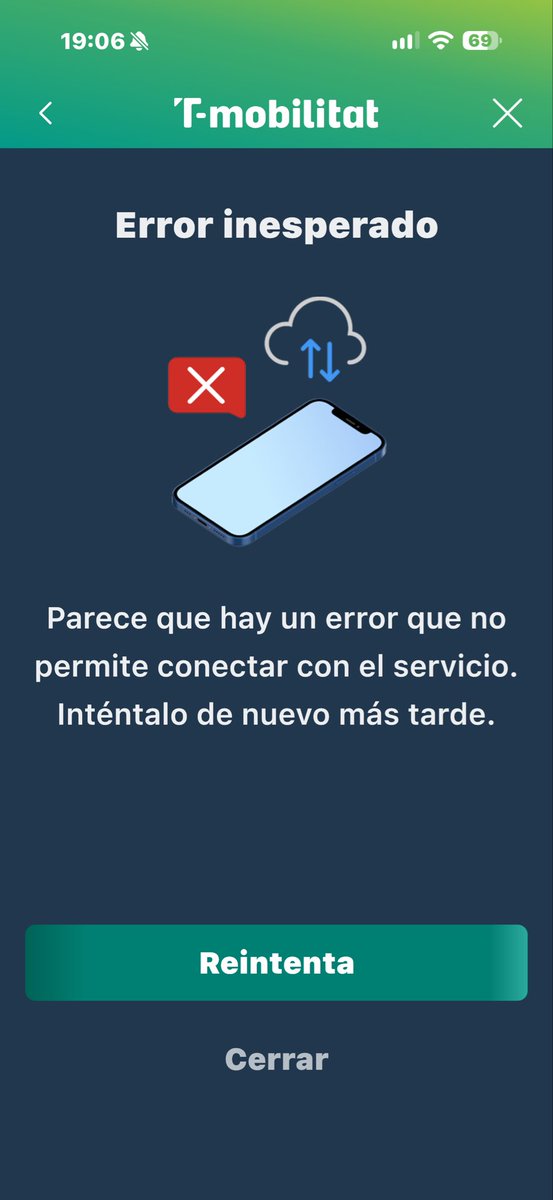
Hola @T_mobilitat bona tarda. Segueixi sense poder accedir a la meva conte i als meus bitllets. Sense accés a APP i Web. Incidencia registrada pero sense solucio
@CruzRojaEsp Francamente, no estaría nada mal que dijeran ustedes en qué se basan para recomendar esta mochila. Si hay hechos de fondo díganlos, sino dejen de alarmar a las personas. Tengo preparada mi mochila de emergencias? Pues no, díganme porque debería contar con ella
If you are in Madeira, Portugal, or Spain — please read this very carefully.
It is Monday, November 9… and I’m starting to get increasingly concerned about what’s coming on November 11.
Over the past several days I’ve been watching a low pressure system far out in the Atlantic, but I really didn’t want to boldly claim it would be a significant threat to Portugal until I had a solid basis to do so.
This is because model guidance was really struggling to figure out what this storm would do as it crossed the Atlantic.
1. Would it stay weak and fizzle out before hitting Europe and Africa?
2. Would it take a more southerly track and affect the Canary Islands and Morocco?
3. Would it move a little further north and hit Madeira and Morocco more directly?
4. Lastly, would it rapidly intensify and curve north into Portugal?
Somehow, model guidance is trending more and more towards the worst case — and the impressive part is that the AI models were consistently showing this even when most other weather models had backed away.
This teaches me something. AI models may be much more useful than I originally thought for complicated low pressure systems like this. @LusoMeteo did a great job at pointing this out. I’ll definitely be checking these AI models a lot more from now on when analyzing model guidance.
What does this mean for us?
This storm is carrying rich subtropical moisture which will enhance the flood risk across Madeira, Portugal, Spain, and even the Canary Islands and Morocco.
Depending on how strong the low gets, there is a potentially serious threat of damaging wind on the southern end of the low pressure.
Moisture moving with this system will also influence the risk of torrential rain through southern France, northern and central Italy, and the Adriatic Sea through November 12.
In conclusion, I really didn’t want to be the boy who cried wolf with such an unstable forecast… but now there’s an overwhelming amount of signs pointing to this potentially major storm. Please use the remaining time to prepare, spread the word, and as always, be safe…
🚨 BREAKING: Hackers are hitting the world's money system in 7 places at the same time.
This is what Covid looked like in week 1. A few banks. A few apps. Nobody called it a crisis.
1/ France: more than €118 million (about $133 million) was pulled out of Crédit Mutuel Arkéa over several days and turned into crypto. Today its app was down and EVERY transfer was blocked. The bank says customers lose nothing.
2/ Belgium: on October 28, the federal finance ministry said a cyberattack hit it. The online tax portal was SHUT and tax deadlines will be pushed back.
3/ Eurozone: on October 22, the European Central Bank, the bank behind the euro, confirmed that attackers planted malware on one of its websites.
4/ South Korea: at least 9 banks targeted since late September by an attacker using an AI hacking agent. At Shinhan Bank alone, about 25,000 customers had their names, phone numbers, incomes and loan limits exposed.
5/ Japan: hackers broke into GMO Internet and demanded $50 million in crypto. The prime minister promised an emergency anti-cyberattack package.
6/ At least 14 countries: China-linked hackers used AI agents to attack 200+ organisations in just 11 days. Finance was on the target list.
7/ Crypto: more than $6 billion drained from Binance hot wallets on 11 blockchains on October 29, most of it in about 30 minutes. The FBI says North Korea did it.
Now zoom out.
Hackers now send AI agents to do the work. The French money left over several days before the bank confirmed anything. Fake IDs passed the crypto exchanges' checks. About $63 million in stablecoins became 27,553 Ether in 4 hours. Part of it vanished into Monero, a coin built to hide who sends and who receives.
Covid locked the streets. This time the lock is on the bank app, and €118 million is already gone. Nobody is calling this a crisis yet. But central bankers already plan for the day the hackers get in.
The G7 agreed to run drills that simulate AI attacks on banks. The ECB gave eurozone banks until October 31 to hand in AI cyber defence plans. And last month the IMF chief warned we may end up with "lots of people with shoeboxes under their beds."
We confirm every attack on banks and exchanges before we post it. Follow for the next confirmed case, and share this with anyone whose salary lands in a bank account.
Pro-Russian hacker groups NoName057(16) and Z-Pentest claimed responsibility for the attacks on supermarket freezers across Europe.
The groups said they had accessed Danfoss and Dixell Web equipment. They also claimed access to water supplies, power plants, industrial facilities and food storage sites. Authorities have not confirmed whether the groups were truly behind the attacks.