1/2
You can also find me here now
[email protected]
Still working it out, but here are a few things that helped me and might help you
1. Put your Mastodon link in your Twitter bio so it’s easier for people to find you
@FionaStratton1@PeeblesElouise Really interesting study and great to see this data as we start exploring similar questions on a smaller scale in our local context. Thanks for sharing @FionaStratton1
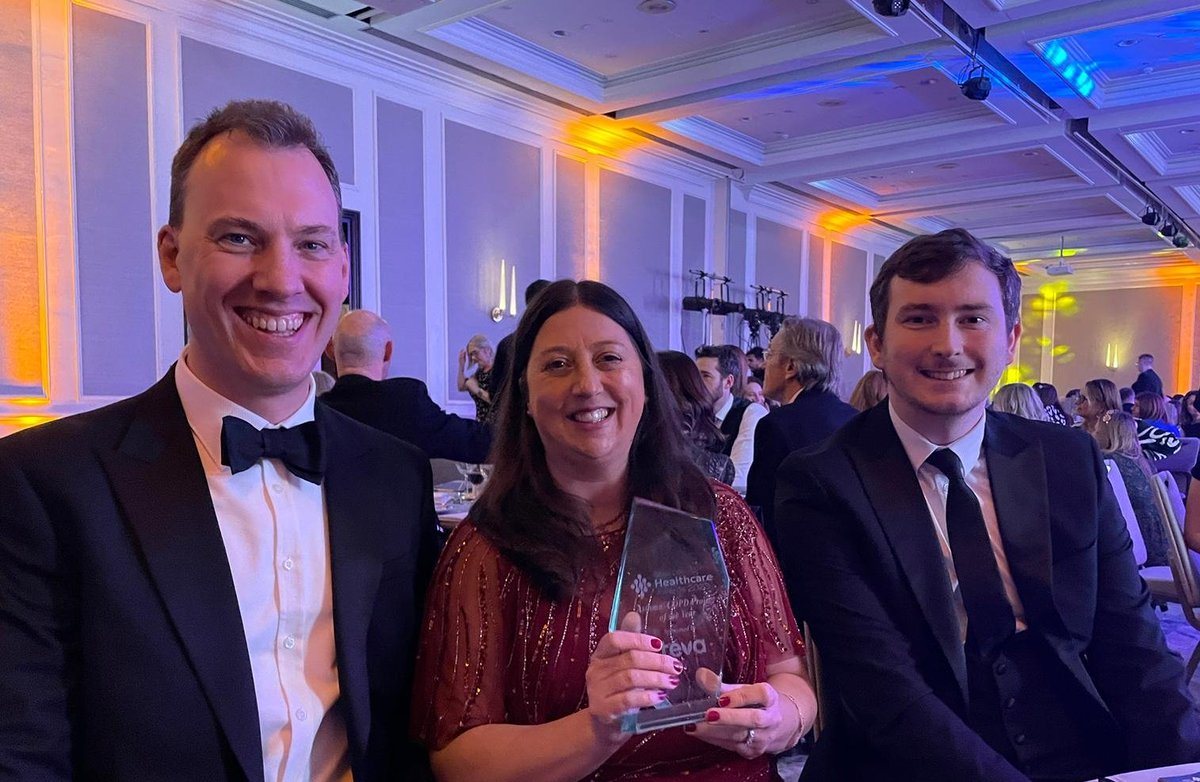
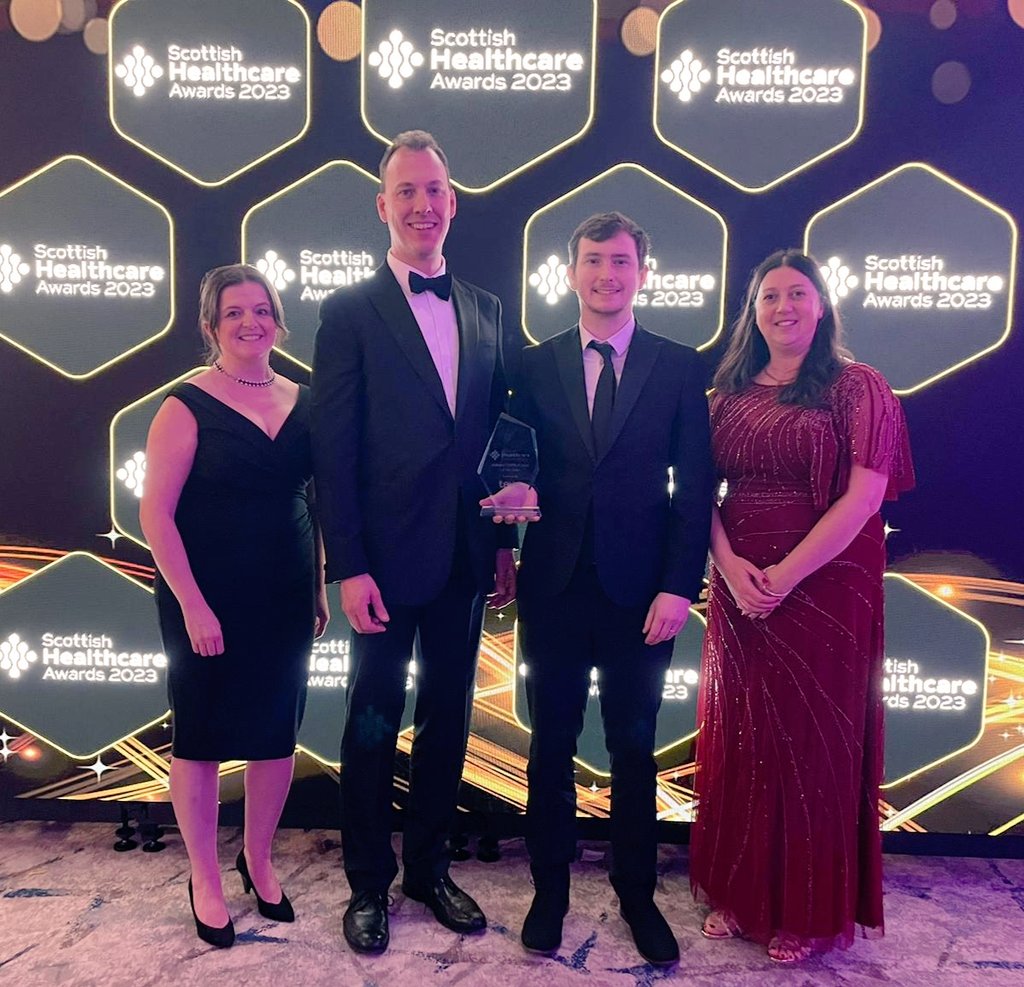
Proud to accept the COPD/Asthma project award on behalf of the Physios, Dietitian, Psychologist, Clinical Support Worker in Midlothian Community Respiratory team, working in conjunction with Data Analysts, Digital Lead, and Performance team. Thankyou for your hard work.
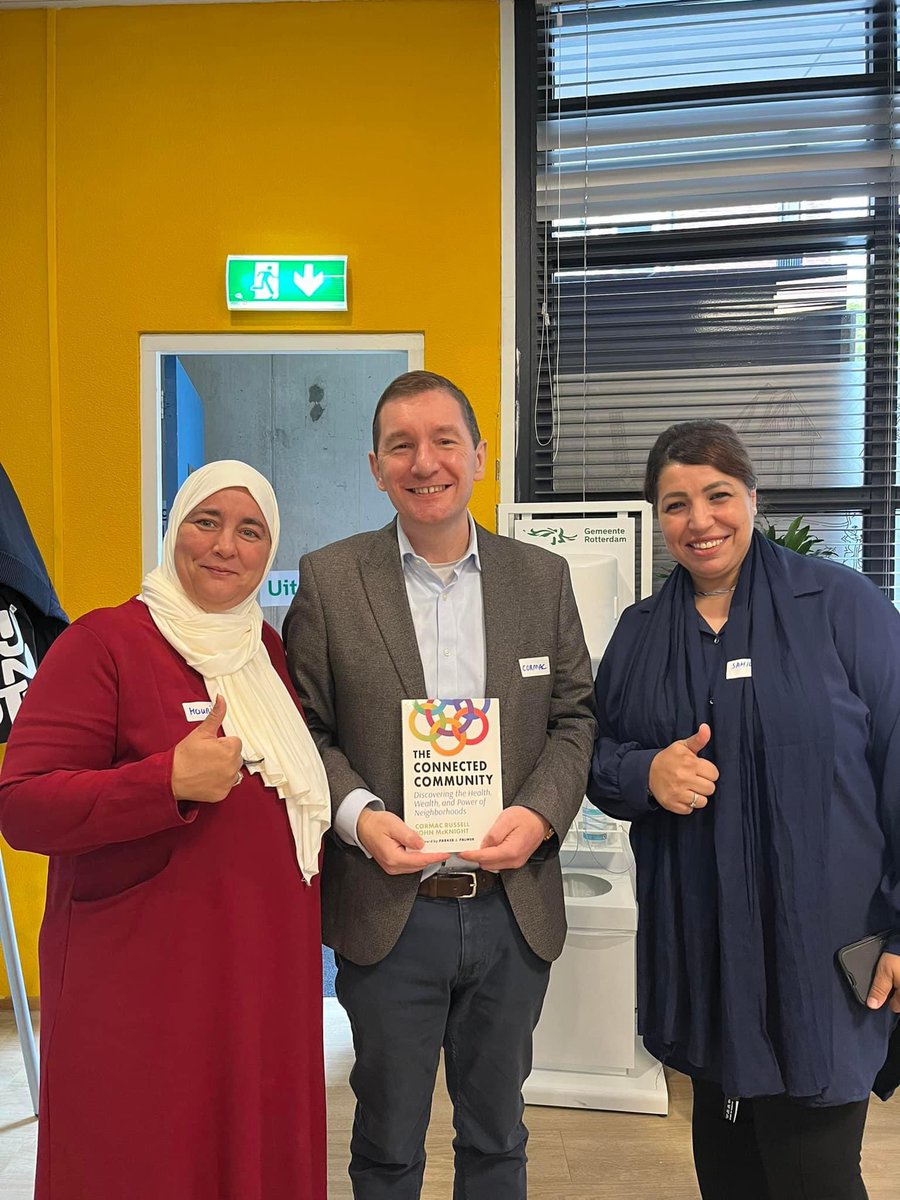
Health isn’t an individual medical issue; it's a social & political one. Hence, population health improves due to collective, not just individual agency, which, in turn, means health improvement requires community building, not signposting or linking of individuals to activities:
Including older people in health and social care research: best practice recommendations based on the INCLUDE framework | Age and Ageing | Oxford Academic
https://t.co/WBNYVzf38K
Brilliant people leave teams when they feel they just can’t make change happen. The barriers?
- fixed hierarchies based on grade
- slow or no decision-making
- 0 freedom to innovate
- blocking good ideas
- taking credit for the efforts of others
- no engagement
- hubris
- spin
To my awesome #AHP colleagues across Lothian and the UK, you are the change, you push boundaries, and positively challenge the system for the better. Happy #AHPDay2023@hannahcairns7@clairerossahp
One of the worst lies we tell ourselves is that doubling down will bring change
Truth is, change will always be harder for some & an opportunity for improvement for others
‘the strategy of “continuous improvement” is not just an asset, but a necessity’ https://t.co/DUEkO6jSMD
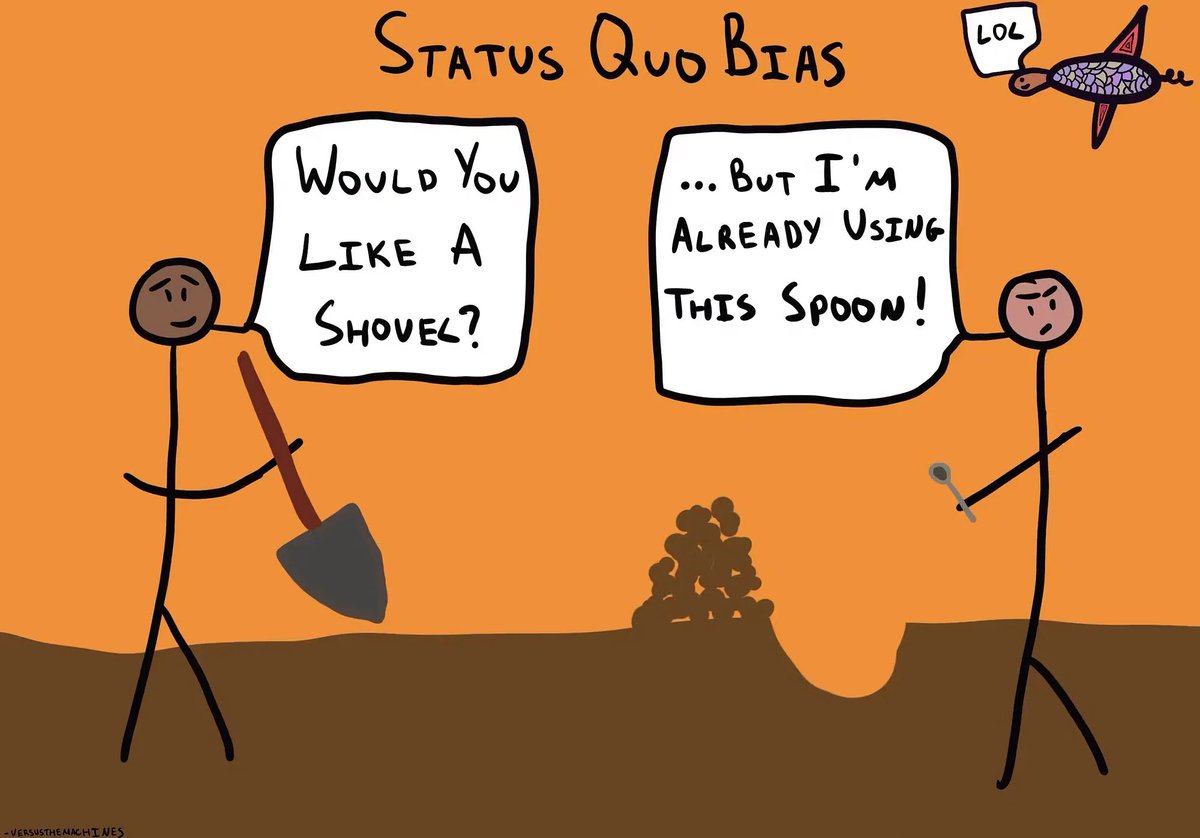
Being a leader of change means challenging the status quo. This can be tough. People have a "status quo bias". Behavioural economists tell us the fear of what might be lost is twice as strong as the hope of what might be gained. The more we are invested in something, the harder it is to abandon it. Strategies to challenge the status quo:
1) Take time to understand why/how things are as they are currently; be curious.
2) Start small, try out/test new ways of working and take things step by step.
3) Communicate your change vision effectively, backed up by data, framed in a way that resonates with people.
4) Be open to having your own ideas challenged.
5) Celebrate small wins & foster a culture of continuous improvement.
https://t.co/YQbvK3D2E0 By @ridhimagupta. Graphic: @thedecision_lab
@MARKCAIRNEY11 @matter_of_focus @scottishcare Couldn’t agree more, Mark. We need to change the way we talk about our contribution to personal outcomes,how we use that info, & support community health & wellbeing
Proud to be part of the community looking for better ways to do that alongside @matter_of_focus
@PeeblesElouise
Great to see the brilliant @matter_of_focus framework support the incredible staff @scottishcare reflect on their impact story.
Love seeing the values based innovators in our sector focusing on outcomes for people by taking self evaluation & reflection seriously.
👏🏻👏🏻
Thanks to @matter_of_focus for a brilliant day. So much and energy and enthusiasm for our @scottishcare shared values as an organisation. Striving to improve our outcomes in the social care sector. My brain 🧠 hurts this evening from all the discussion - but in a good way! 💡
I'm not sure I agree with all of this but the impact of language does matter. Perhaps 'healthy' can be better defined as 'living well'
Time to ban the word “prevention” | The BMJ https://t.co/OFdqf8Rx5L