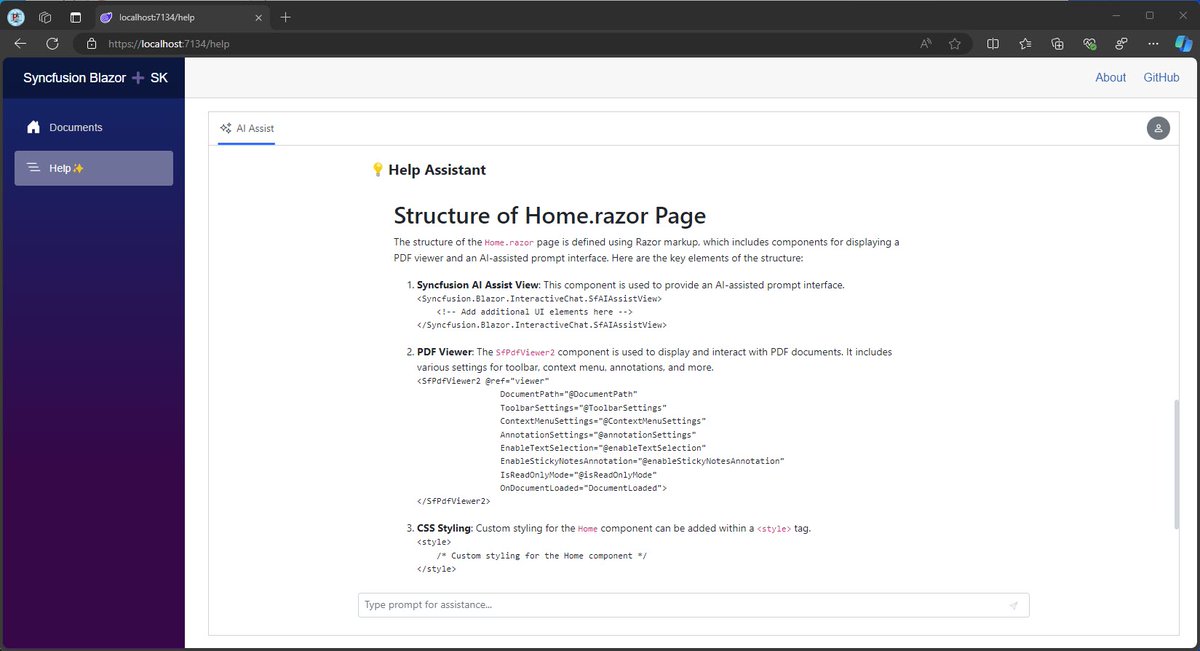
Finally decided to put Opus 4.5 through its paces a bit and build out an entire app from scratch in @code. How did it do?
https://t.co/r5LoINpBEk
#githubcopilot#vscode
Host your own LLM server for free using #Kaggle notebooks and Ollama. 💻
AI GDE Dimitre Oliveira shows you how to simplify deployment and enable remote access for your models.
Read the guide → https://t.co/uuBDfbxgCD
Watch the video → https://t.co/OtRqJDkL6A
🚀 Check out this video about a Visual Studio extension that supercharges your development cycle for .NET MAUI apps using AI.
🔗 Watch now (English Version): https://t.co/fx1r1FjL6j
🔗 En español: https://t.co/u0uOkfP9dB
#dotnet#dotnetmaui
Hallucination is a phenomenon where large language models (LLMs) produce responses that are not grounded in reality or do not align with the provided context, g…
Source: MarkTechPost https://t.co/ytlsFlcfZH
Despite serious dangers, the efficiency benefits of using generative AI tools for programming are all-but-impossible to resist. We need an entirely new human-in…
Source: InfoWorld https://t.co/kAVzXjBGE6
Key Concepts to Understand Database Sharding.
In this concise and visually engaging resource, we break down the key concepts of database partitioning, explaining both vertical and horizontal strategies.
1. Range-Based Sharding: Splitting your data into distinct ranges. Think of it as organizing your books by genre on separate shelves.
2. Key-Based Sharding (with a dash of %3 hash): Imagine each piece of data having a unique key, and we distribute them based on a specific rule. It's like sorting your playing cards by suit and number.
3. Directory-Based Sharding: A directory, like a phone book, helps you quickly find the information you need. Similarly, this technique uses a directory to route data efficiently.
Over to you: What are some other ways to scale a database?
–
Subscribe to our weekly newsletter to get a Free System Design PDF (158 pages): https://t.co/FIzCeaWsZV