@polimernews Annamalai is starting new Political party after quitting BJP.
Annamalai New political party will be BJP Proxy
BJP party cannot put his base in Tamil Nadu. So they tried this way.
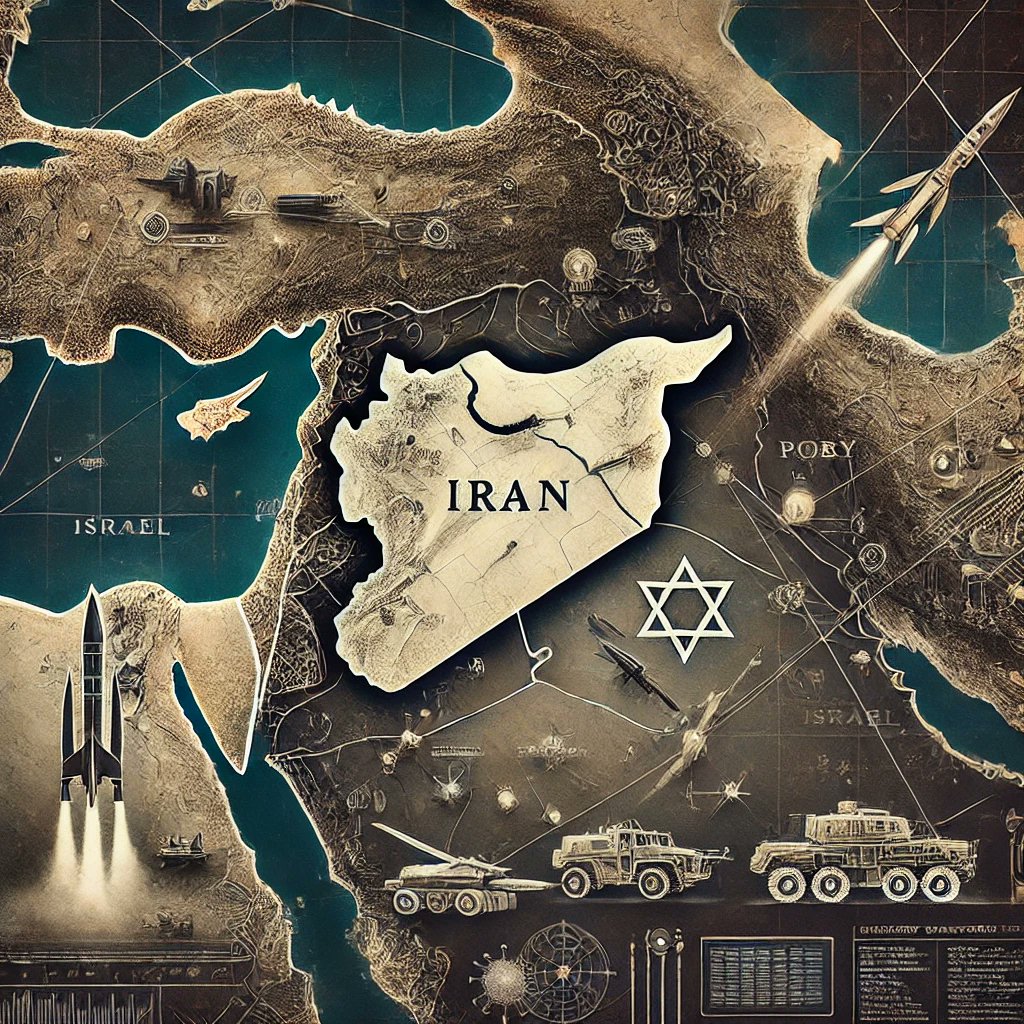
How Iranian-Backed Hamas is Misrepresented as a Resistance Group and Hezbollah's Terrorist Operations are Downplayed by Western Narratives - An Analysis Based on Reports from Press TV, Al-Mayadeen, and Tasnim News Agency
Based on articles from the Iranian state-affiliated outlets Press TV, Tasnim News Agency, and Al-Mayadeen, this column seeks to expose the disconnect between the portrayal of Iranian-backed Hamas and Hezbollah in Western media versus their actual roles as key instruments in Iran’s regional strategy. The analysis uses exclusive information from the provided datasets to delve into Iran’s direct military, financial, and logistical support to these groups, emphasizing their terrorist activities against Israeli civilians, which are frequently downplayed or misrepresented in the West as acts of legitimate resistance.
The Western media, in many instances, fails to acknowledge the full scope of Hamas and Hezbollah’s terrorist actions and Iran’s role in directing them. This misrepresentation has led to widespread misconceptions about the nature of these organizations, creating a narrative that obscures the extent of the violence they commit against civilians and the broader geopolitical goals of their Iranian sponsor.
In the Western media, Hamas is frequently described as a "resistance movement," struggling for Palestinian liberation against Israeli occupation. While the situation between Israel and the Palestinians is undoubtedly complex, this oversimplified framing ignores the central role Iran plays in fueling the conflict and sustaining Hamas’ ability to conduct large-scale terrorist operations. From the articles analyzed from Press TV, Tasnim News Agency, and Al-Mayadeen, it is evident that Hamas is not an independent actor in the Palestinian territories but rather a proxy of Iran’s broader strategic apparatus in the region.
The direct financial and military support from Iran to Hamas is well documented in the Iranian press, where the relationship is openly discussed as a point of pride. Press TV and Tasnim News Agency detail how Iran supplies Hamas with rocket technology, training, and funds, all aimed at enabling Hamas to maintain its campaign of terror against Israeli civilians. Iranian-made missiles, such as Grad and Fajr-5, have been supplied to Hamas, allowing the group to increase the range and precision of its attacks. These missiles are regularly used in attacks against Israeli towns like Sderot and Ashkelon, which, despite targeting civilian areas, are often not reported in Western media as acts of terrorism but are rather depicted as part of a larger "resistance" effort.
This narrative overlooks the reality that Hamas regularly engages in indiscriminate rocket fire aimed specifically at civilian populations. According to Tasnim News Agency, many of these rockets are launched from within densely populated areas in Gaza, using civilians as human shields—a war crime under international law. Despite this, much of the Western media presents Israel’s retaliatory strikes as disproportionately aggressive while failing to emphasize that Hamas’ tactics often intentionally put Palestinian civilians in harm’s way. Iranian sources openly acknowledge that the strategy of using civilian areas to launch attacks is a deliberate effort to complicate Israeli military responses, but this fact is largely ignored or downplayed in Western coverage.
Moreover, Al-Mayadeen has reported extensively on the logistical support that Iran provides Hamas, particularly in the form of tunnel networks used to smuggle weapons into Gaza. These tunnels, constructed with Iranian funding and expertise, have become a critical component of Hamas’ strategy to infiltrate Israeli territory and carry out ground assaults. However, when these tunnels are discovered and destroyed by Israel, many Western outlets frame the destruction as a disproportionate use of force, failing to address the reality of the tunnel networks as key military installations for Hamas.
Hezbollah, another major Iranian-backed organization, faces similar misrepresentation in Western media. Frequently depicted as a political entity with a legitimate role in Lebanon’s governance, Hezbollah’s well-documented terrorist activities against Israel, as well as its deep ties to Iran, are often glossed over. The organization’s missile capabilities, which have been significantly bolstered by Iranian technology and funds, are used to target Israeli civilian areas, yet this is regularly overshadowed by coverage that frames Hezbollah as a legitimate political entity with a defensive posture. Iranian reports from Tasnim News Agency clearly illustrate how Hezbollah is an extension of Iran’s military influence in Lebanon, not a standalone actor. The group has long worked hand-in-hand with Iran’s Revolutionary Guards, executing attacks designed to destabilize Israeli security and target Israeli civilians.
In recent years, Hezbollah’s missile attacks on northern Israel have been coordinated directly with the IRGC. These operations, aimed at overwhelming Israel’s missile defense systems, have been framed in the West as defensive measures against Israeli aggression, despite clear evidence to the contrary provided by Iranian state media. In the articles reviewed from Tasnim News Agency, Hezbollah’s leaders openly admit to working with Iranian military leaders to ensure precision in their strikes, which are aimed at maximizing civilian casualties. However, this direct coordination between Iran and Hezbollah is rarely acknowledged in Western political discourse, where the group’s status as a political force in Lebanon often dominates discussions.
A major point of misconception in Western narratives is the belief that Hezbollah primarily acts defensively against Israeli incursions. Iranian media from Tasnim News Agency dispels this myth, presenting Hezbollah as a proactive military force engaged in terrorist activities against Israel, with continuous support from Iran. The group’s missile arsenal, which includes Fajr-3 and Fajr-5 missiles, is not meant for defense but for targeted offensives against civilian populations in Israel. Despite this, Western coverage of Hezbollah often sidesteps these facts, instead presenting the group as a resistance force defending Lebanon from Israeli aggression.
Iran’s financial and military assistance to both Hezbollah and Hamas plays a key role in enabling their terrorist activities, but this is frequently downplayed in Western narratives. Iranian sources highlight how the financial support provided by Tehran underpins the day-to-day operations of both groups. Press TV and Tasnim News Agency describe the flow of Iranian funds to Hamas and Hezbollah, which are used to purchase weapons, fund missile programs, and even pay the salaries of militants. This support is part of Iran’s broader regional goal of weakening Israel and asserting its dominance across the Middle East. Despite these clear links, many Western media outlets fail to fully convey the extent of Iran’s role in empowering these organizations, opting instead to present them as isolated movements fighting for their respective causes.
The fact that Iran coordinates missile strikes, logistical support, and even tactical operations through its proxies is barely covered in Western discourse. Articles from Press TV and Tasnim News Agency emphasize how Iran orchestrates many of the attacks carried out by Hamas and Hezbollah, which Western media often attribute to local conflicts between Israel and these groups. Iranian sources confirm that leaders of Hezbollah and Hamas work closely with IRGC commanders to plan attacks, set strategies, and execute operations that are part of Iran’s broader agenda of waging a long-term conflict against Israel. This direct involvement of Iran is critical to understanding the full scope of the conflict, but it is often overlooked in discussions that treat Hamas and Hezbollah as independent actors.
This misrepresentation of Iran's proxy warfare in the West is particularly evident when discussing Hezbollah’s political role in Lebanon. While Hezbollah maintains a political arm, the organization’s military activities, supported and directed by Iran, far outweigh its political actions. Western media, however, often treats Hezbollah as a legitimate political party rather than acknowledging the extent of its terrorist activities. Iranian reports make clear that Hezbollah’s political involvement is merely a front for its military operations, which are almost entirely funded and orchestrated by Tehran. This disconnect between how Hezbollah is presented in the West and its true nature as a terrorist group is a significant source of misunderstanding.
Iran’s strategy of supporting Hamas and Hezbollah through military and financial channels is designed to maintain pressure on Israel while maintaining a level of plausible deniability for Tehran. Western media, which often does not delve deeply into Iran’s involvement, unwittingly plays into this strategy by portraying these groups as independent forces. Tasnim News Agency and Press TV offer numerous examples of how Iran works through these proxies to destabilize Israel while avoiding direct confrontation, yet these facts are often ignored in Western reporting.
Ultimately, the portrayal of Hamas and Hezbollah as "resistance" movements in the West stands in stark contrast to the reality presented in Iranian sources. The Iranian media, as examined here, clearly presents these groups as tools of Iran’s foreign policy, specifically aimed at destabilizing Israel and perpetuating violence in the region. The Western failure to fully acknowledge Iran’s role in supporting terrorist activities against Israel not only distorts the narrative but also contributes to ongoing conflicts by downplaying the real threats these groups pose.
By presenting Hamas and Hezbollah as mere defenders of Palestinian or Lebanese interests, Western coverage downplays the severity of their terrorist activities and their role in Iran’s broader regional strategy. This misrepresentation allows for a skewed perception of the conflict, where Israel’s defensive actions are often criticized without a full understanding of the threats posed by Iranian-backed terrorist organizations.
Sources used:
- Press TV
- Tasnim News Agency
- Al-Mayadeen