Lease Sale PACM-1, the first-ever offshore critical minerals lease sale, starts now.
The live auction includes two lease areas offshore American Samoa.
Watch the livestream here: https://t.co/73qwf4aH6d
At 9am PT, we are hosting the Lease Sale PACM-1, the first-ever offshore critical minerals lease sale.
The live auction will include two lease areas offshore American Samoa.
Watch the livestream here: https://t.co/73qwf4aH6d
Happy #GISDay2026!
Geographic Information Systems help us see a bigger picture offshore, connecting geographic data with the information we need to manage resources. With real-time data, we identify risks, strengthen safety and environmental oversight.
Smarter decisions start with geospatial insight. How are you using GIS to make smarter decisions? Share your experience in the comments below!
Offshore energy is powered by people.
Engineers, scientists, inspectors and offshore crews all play a role in safe, responsible development.
Hear MMA Gulf of America Regional Director Bryan Domangue discuss the people behind America's offshore energy future.
Listen: https://t.co/uavJvIIccG
Every offshore lease sale begins before the bids are open.
Scientific analysis, environmental review, public input, and careful planning.
With the November 19 lease sale approaching, The Final Leasing Notice outlines what's being offered and how the sale will work.
Read the notice: https://t.co/5bz0BQcia1
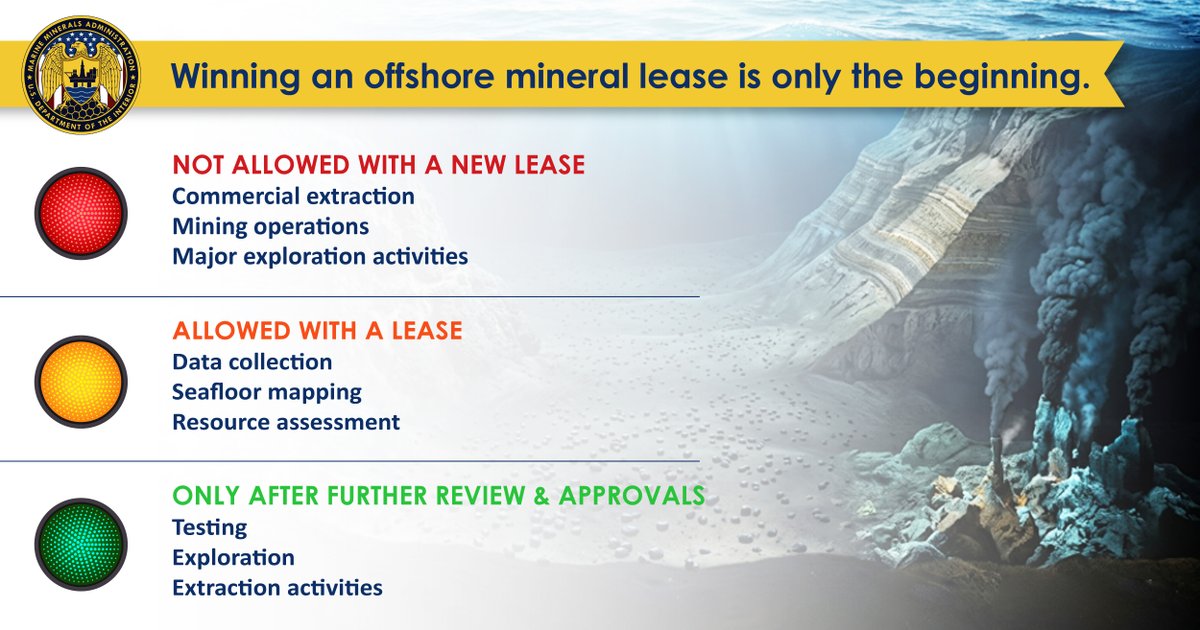
Winning an offshore mineral lease at the Pacific Minerals Lease Sale 1 doesn't mean extraction can begin.
A lease allows preliminary activities, like mapping the seafloor. Before companies can explore further, test, or extract minerals, additional reviews and approvals are required.
Learn more: https://t.co/5bz0BQcia1
Just released: We've reopened the public comment period for the proposed rule to update federal regulations for exploratory oil and gas drilling on the Arctic Outer Continental Shelf.
America's Arctic holds some of the nation's most significant offshore energy potential.
The proposed rule would update parts of the 2016 Arctic Exploratory Drilling Rule to reduce unnecessary regulatory burdens, clarify requirements, improve operational efficiency, and reflect advances in technology and lessons learned since the rule was issued.
Details:https://t.co/7IJblOTBuk
They’ve served our country in uniform. Today, we’re proud to serve alongside them.
Veterans throughout Interior’s workforce bring invaluable leadership, discipline and experience to our mission every day.
Thank you for continuing to serve our Nation. 🇺🇸
Critical minerals are essential to American technology, manufacturing, and national security. But how we access these resources matters, too. We use scientific research and environmental reviews to guide decisions about offshore mineral exploration and development.
The deeper we go, the more expertise matters.
As offshore technology advances, our oversight must keep pace.
Hear Gulf of America Regional Director Bryan Domangue discuss innovation, safety and responsible energy development.
Listen: https://t.co/plWg6JTF1y
What can the seafloor of the Gulf of America reveal about the people who lived there thousands of years ago?
Marine archaeologists and tribal partners are developing better ways to identify submerged landforms where archaeological sites may be preserved.
This project represents the largest effort in history to identify where people might have lived across 89 million submerged acres that were once dry land.
Explore the full article to learn more about our work: https://t.co/scjrf17Gmm
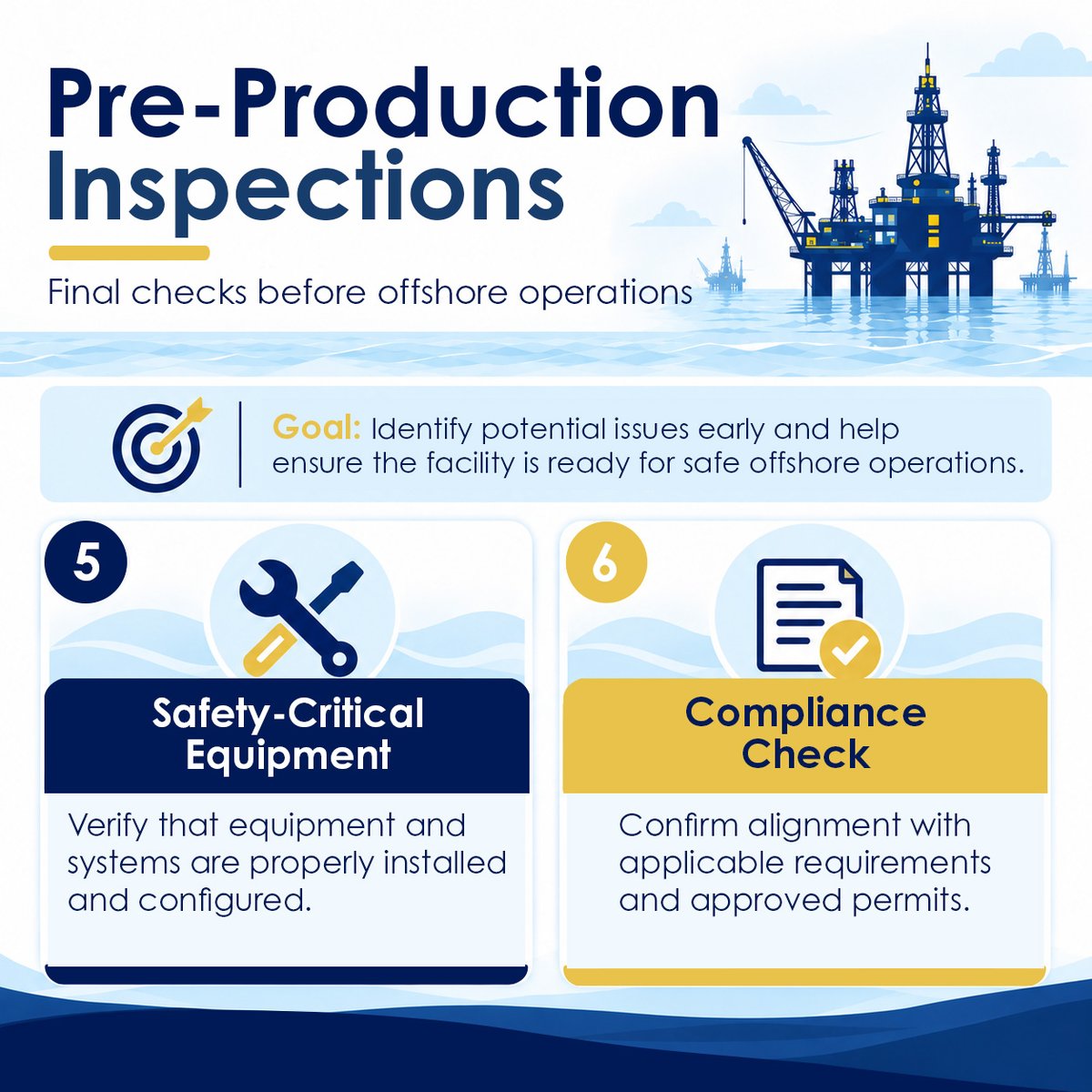
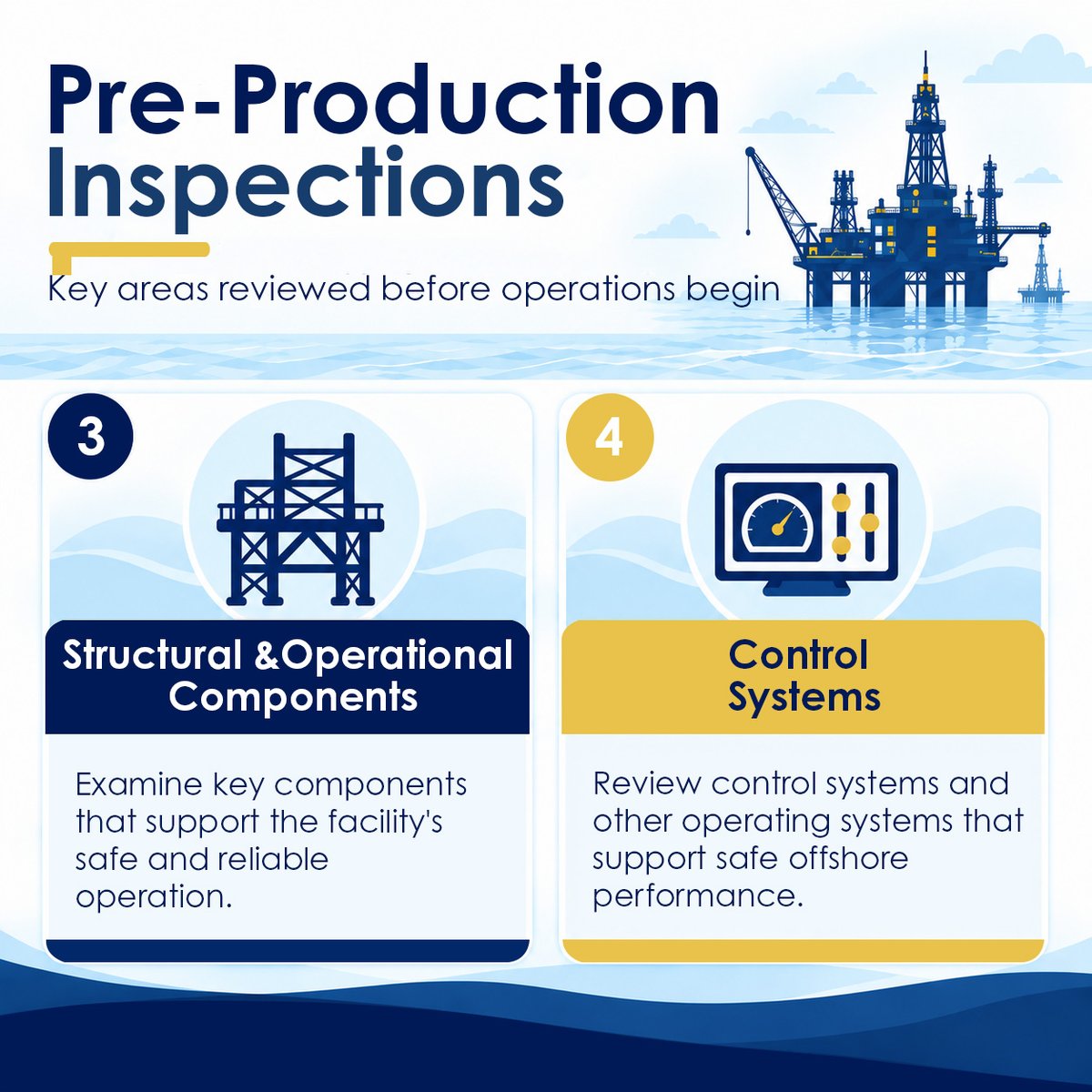
Offshore platforms undergo preproduction inspections to identify safety-critical issues early and ensure safe operations.
Engineers and inspectors review structure, systems, installation, and compliance.
Offshore energy takes years of science, engineering, and oversight.
Gulf of America Regional Director Bryan Domangue joins the Balancing the 3E's podcast to explain energy development and how the Marine Minerals Administration brings safety and responsible development together.
Listen: https://t.co/QKbfFr1SDa
Yes, bats live and hunt for insects over the ocean.
Species capable of long-distance movements regularly fly over coastal and marine environments, especially during seasonal migrations.
Acoustic bat detectors and automated tracking systems can be placed on offshore infrastructure to monitor their movement, information that scientists use to understand potential impacts of offshore activities.
Where did all that money go?
Billions went to the @USTreasury, 34 states, the Reclamation Fund and the Land and Water Conservation Fund, with additional revenues supporting Tribes and historic preservation.
Get the full breakdown: https://t.co/EJSOmT5iwN
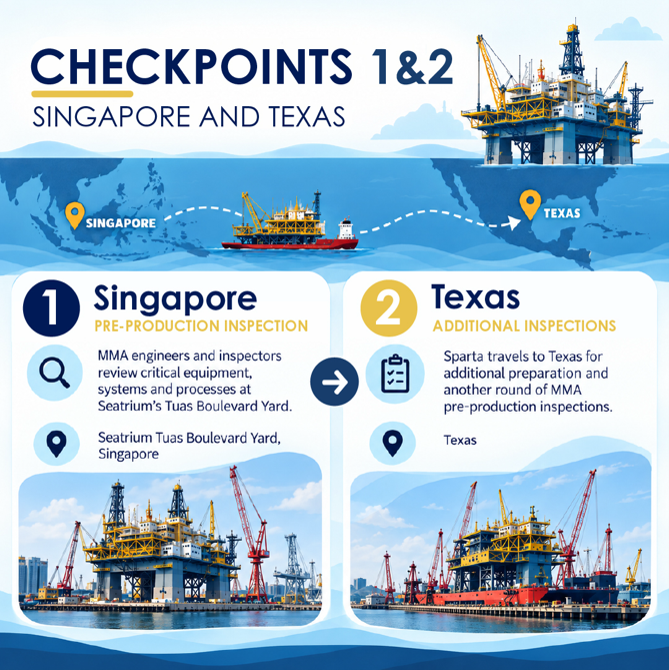
The journey of an offshore platform might surprise you. Some platforms travel great distances before reaching their destination in the Gulf of America.
We were involved at every stage to make sure the platform is ready for safe operations.
Discover how far these platforms travel before they begin producing energy.
Preparedness starts long before an incident. On National First Responders Day, we honor the teams whose training and commitment make offshore safety possible.
We support response crews through industry training, exercises, and unannounced drills to ensure they’re ready when it’s needed.
Thanks to @POTUS, we’re taking action to put America first, unlock our vast offshore mineral resources, and end our dangerous dependence on foreign supply chains. https://t.co/T4JFVI64Mp
By providing opportunities to responsibly access deep-sea mineral resources, we are supporting both American economic growth and national security. https://t.co/TI12LRKS62