This morning I gave a keynote at the Greening of Streaming event in Brussels on how misconceptions about the Internet lead to mistaken assessments on energy use of streaming. I posted the slides on LinkedIn #streaming#sustainability
https://t.co/KSf1zMfNQL
@annexum_huib Nou, dan moeten we volgens uw "logica" zo weinig mogelijk kinderen krijgen en zoveel mogelijk buitenlandse tweeverdieners importeren. Met als vastgoedbeleid; zo weinig mogelijk kleine woningen en zo veel mogelijk woningen voor meerdere generaties tezamen.
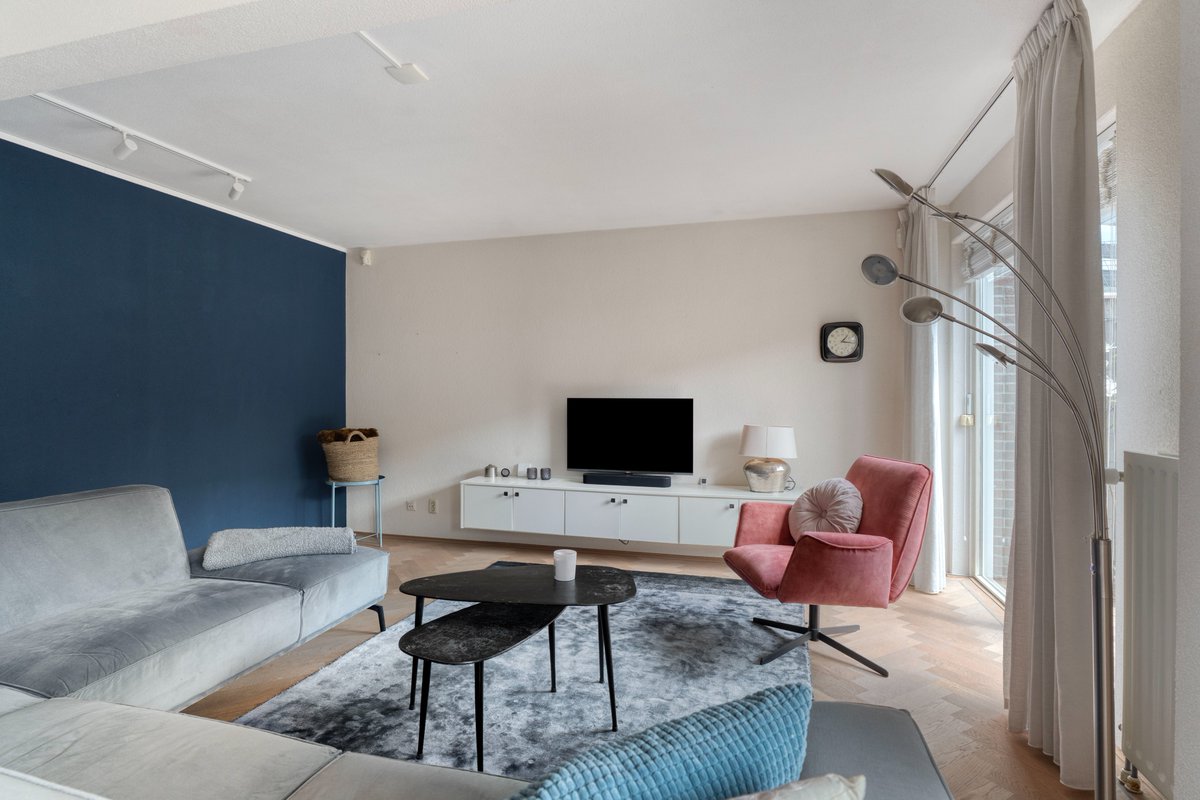
Te koop in Almere: Met een royale binnenmaat van maar liefst 8,75 meter biedt deze verrassend ruime woning een uitzonderlijk leefruimte. De totale woonoppervlakte is maar liefst 180 m2. https://t.co/0GcZyM6bcS
https://t.co/x3IBNwtS9I
@samuel_m_sturm@paulnovosad@Never_Hedgee Yes and for some reason in 2011 in Montana has a majority iOS users even though according to the study AT&T had no 3G coverage there. In 2011 Android has a 40% market share over 25% iOS and still the study finds the iPhone has contraceptive properties. https://t.co/GrIkyLqppG
@samuel_m_sturm@paulnovosad@Never_Hedgee US broadband maps are bad and unvalidated. There is no correlation with owning or being able to use an iPhone on AT&T. Partner EDGE networks work too. The authors base themselves on a dataset which is quite meaningless. Meanwhile the iPhone is mostly used indoor over Wifi.
The Digital Networks Act uses digital sustainability as the axe to cut #netneutrality and IP-interconnection. This overview shows that Brussels used digital sustainability as the Trojan horse to get past the gates of the EU's net neutrality bastion.
https://t.co/M65lDWRjrV
Germany has to repeat its 2019 5G spectrum auction that allowed 1&1 to enter the market!! there was unlawful interference from the minister on the regulator BNetzA. The minister didn't want a requirement for MVNO access in the frequency licenses? https://t.co/Wj6fozJySC
@Valen10Francois@FernandoGLV1212 I hope this explanation was with the appropriate level of humility, while also providing a more in-depth explanation of how a comparison of health care expenditure as a percentage of GDP needs a further detailed analysis to determine correlations to other parameters
@Valen10Francois@FernandoGLV1212 This shows to me that the better than average demographics aren't related too much to the costs of aging at all and that the graph of health expenditure as a % of GDP is a far too crude tool to make such a comparison. </FIN>