BREAKING 🚨 Elon Musk is laying the groundwork to split Tesla’s U.S. and China operations 🔥
The goal is to shield the company from rising geopolitical tensions and clear the runway for a potential merger with SpaceX.
For years, Musk has told executives to create a strict divide—internally called a "laser"—between the two divisions so the U.S. side could survive a hypothetical conflict.
Advisors are now actively looking at options like selling, spinning off, or even closing the Chinese branch. Cutting these ties would be a massive shift, especially since China makes up about 18% of Tesla's total sales. Unlike a lot of its Western competitors, Tesla operates in China without a local joint venture partner. It relies on its massive Shanghai plants to supply global markets, though it notably doesn't export those cars to the U.S.
Splitting the business is basically a requirement if Tesla wants to merge with SpaceX, which just raised $86 billion in a record-setting IPO. Since SpaceX is a major U.S. defense contractor, merging it with a company deeply rooted in China would set off massive alarm bells in Beijing. Chinese regulators would worry that an American military vendor might get its hands on local manufacturing secrets, rare-earth materials, or the personal data of two million Chinese Tesla owners.
Beyond the logistics of a merger, Musk wants to fix Tesla's vulnerable supply chain. He's particularly worried that a war over Taiwan could cut off access to critical semiconductors and battery cells. To get ahead of this, Tesla set a hard deadline to phase out China-based suppliers from its U.S. factories by 2027. The company even launched an initiative called "Project Carbon" to relocate some of those Chinese suppliers to Mexico.
Pulling off this corporate divorce means untangling deeply integrated operations. Right now, Tom Zhu, Tesla’s top executive in China, oversees all of the company's global automotive business, and teams collaborate across borders every day. The proposed split would build strict firewalls between the teams, create completely separate office networks, and set up an independent business just to handle Shanghai exports.
Even if they figure out the logistics, getting global regulatory approval is going to be a huge hurdle. China could easily use its authority to block the deal entirely—just like it did in 2018 when it killed Qualcomm’s proposed buyout of NXP Semiconductors by simply refusing to sign off.
Despite these roadblocks, Tesla’s move to insulate its business is part of a growing trend among American multinationals. It’s following the playbook of corporate giants like Yum Brands, which spun off its China unit back in 2016, and Starbucks, which recently sold off a majority stake in its Chinese operations to navigate an increasingly divided global market.
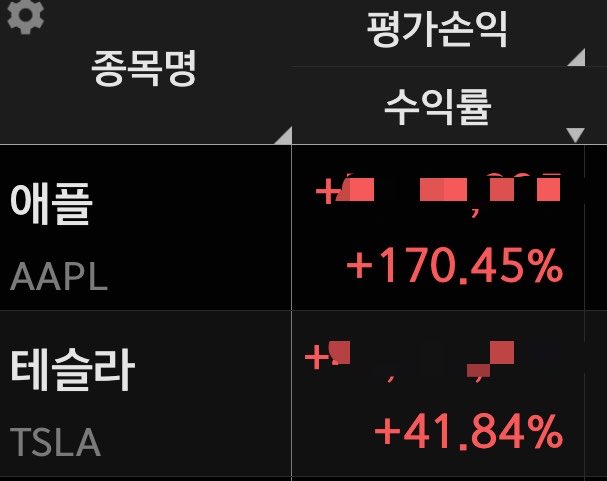
둘이 같이 투자 시작해서 오년이 지났는데..
혁신 없어 맨날 망해간다던 아이와
혁신만 주구장창 이어가던 아이의 수익률
…
혁신없어 망한다는 아이는 혁신만 만들어가던 때에 저랬겠지?..
지금 혁신만 만드는 그 아이는 나중에 저렇게 되겠지?..ㅠㅠ
…
그때를 기다리며 한주 더 줍줍해본다😢
$AAPL $TSLA
둘이 같이 투자 시작해서 오년이 지났는데..
혁신 없어 맨날 망해간다던 아이와
혁신만 주구장창 이어가던 아이의 수익률
…
혁신없어 망한다는 아이는 혁신만 만들어가던 때에 저랬겠지?..
지금 혁신만 만드는 그 아이는 나중에 저렇게 되겠지?..ㅠㅠ
…
그때를 기다리며 한주 더 줍줍해본다😢
$AAPL $TSLA
일론 머스크는
@Tesla
가 “아마도 제2차 세계대전 이후 미국에서 가장 빠른 산업 규모 확장을 겪고 있다”고 말했습니다.
...
...
기다리기만 하세요.
...
어..언제까지요?...
뭐.. 이미 2030년까진 기다릴 각오는 되어있는데..
그래도 조금만 더 당겨주세요..😂
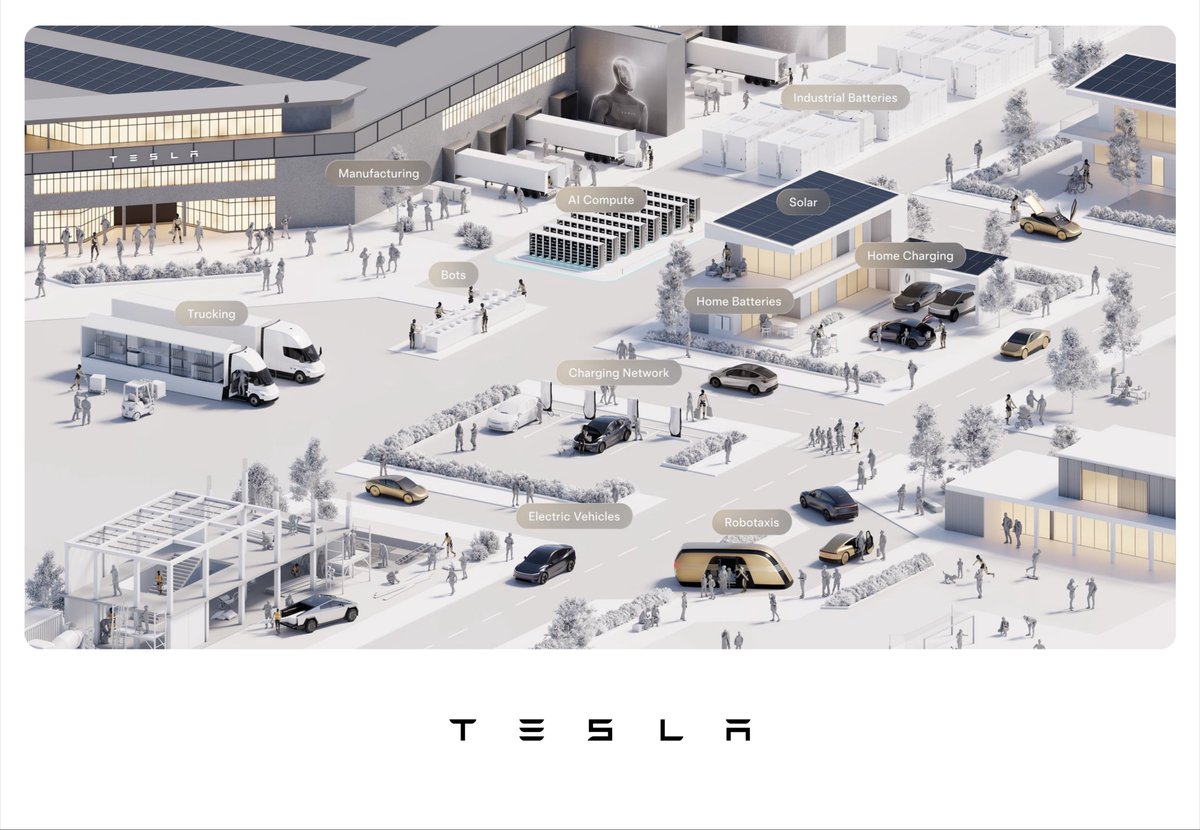
Elon Musk says @Tesla is undergoing “probably the fastest industrial scale-up since World War II in America.”
• Optimus Production lines:
- 1M/yr in Fremont
- 10M/yr in Texas (under construction)
• Autonomous Cybercab Production at Giga Texas: the second largest building in the world by volume.
• Terafab Semiconductor chip production in Texas (with memory) totaling 100M sqft!
• Ramping towards 400MW of total capacity at their Cortex 1 and 2 datacenters.
• Battery materials & cells:
- Lithium refining & cathode materials in Texas
- LFP cell production in Nevada
- 4680 cell production in multiple sites in Texas, and Nevada
• Solar Production:
- New solar factory building in Houston area
- Existing solar production factory in New York
Just wait.