We previously showed that biallelic variants in OGDH/OGDHL cause variable neurodevelopmental disorders (NDD). Now, we demonstrate that bi-allelic NRDC variants cause a severe NDD — further highlighting the NRDC–OGDH/OGDHL mitochondrial pathway in early human brain development.
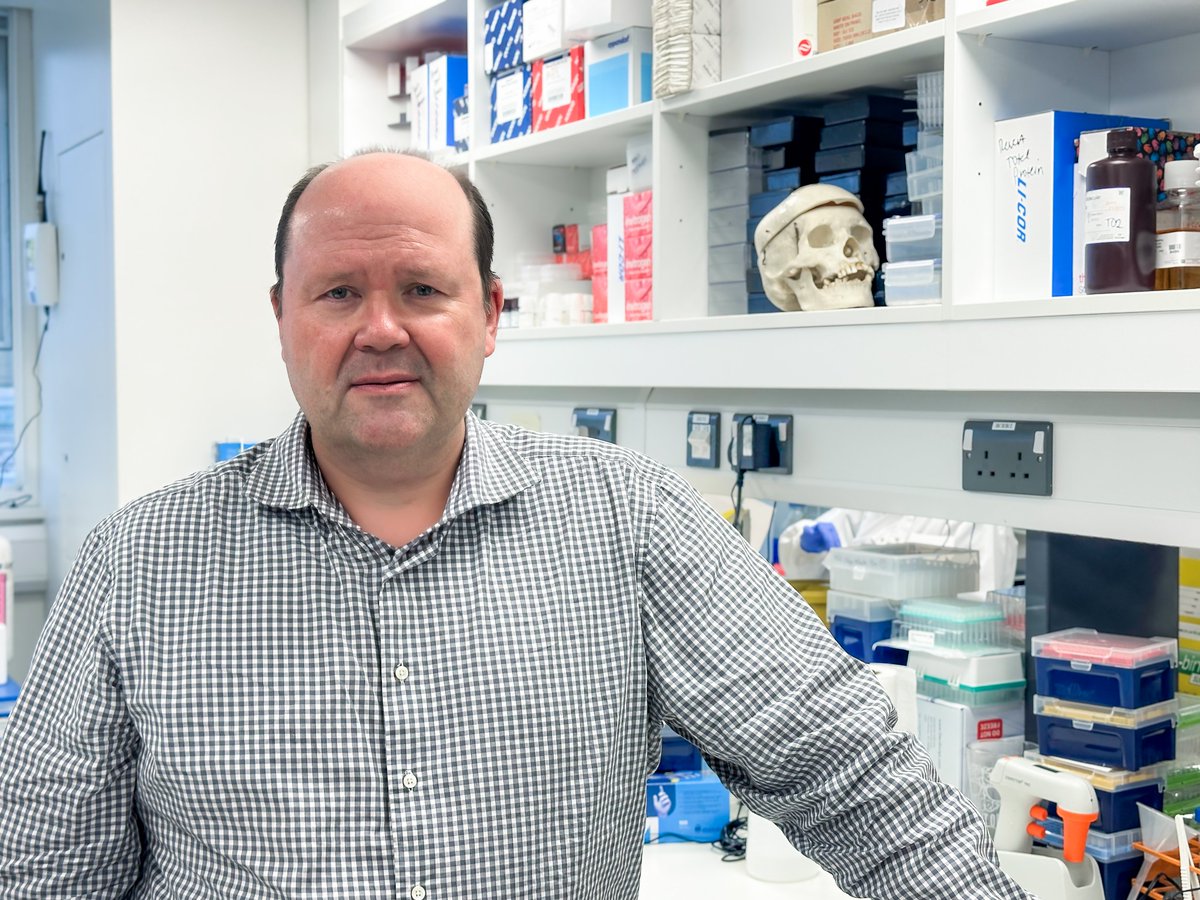
Congratulations to Henry Houlden on his appointment as one of the first UK DRI Group Leaders joining the recently established Parkinson's Research Centre. https://t.co/iuQc0tHOgV
Dr Lorenzo Perilli presented “Expanding the Genetic Landscape of cHSP: Clinical Evidence for SYNRG as a Novel Disease Gene” at 9th International symposium of paediatric movement disorders in Barcelona. @UCLIoN@UCLBrainScience
We’re hiring a Research Technician! 🔔This role will primarily support a project on genetic studies of Parkinson’s disease in Central Asia helping to address major gaps in PD genetics in under-represented populations. @UCLIoN@UCLBrainScience
Apply here https://t.co/o5Pp8KoTen
Calling all research technicians! New opportunity to work with us at the UCL Queen Square Institute of Neurology. Closes 17 Feb!
https://t.co/Ow3fWXTsMf 🧵
Grateful to the @HEA for the teaching fellowship and to @UCLArena and @UCL Office of the Vice-President (External Engagement) for acknowledging my teaching efforts.
https://t.co/aoxfjrahUi
Congratulations to Karen Gunanayagam on being awarded a Guarantors of Brain Clinical Fellowship starting April 2026 & to Natalia Dominik on receiving a Guarantors of Brain non-clinical postdoctoral fellowship for three years starting from Oct 2026! 🎉🧠 @Brain1878@UCLIoN
Excited to see our new paper online in AJHG!
We identify MDGA2 homozygous loss-of-function variants as a cause of developmental and epileptic encephalopathy. Proud of this team effort! @IonSynapse
Looking forward to contributing to this exciting International Conference on Human Genetics & Genomics organised by good friend Ilyas Muhammad at the University of Peshawar 🧬 @IonSynapse
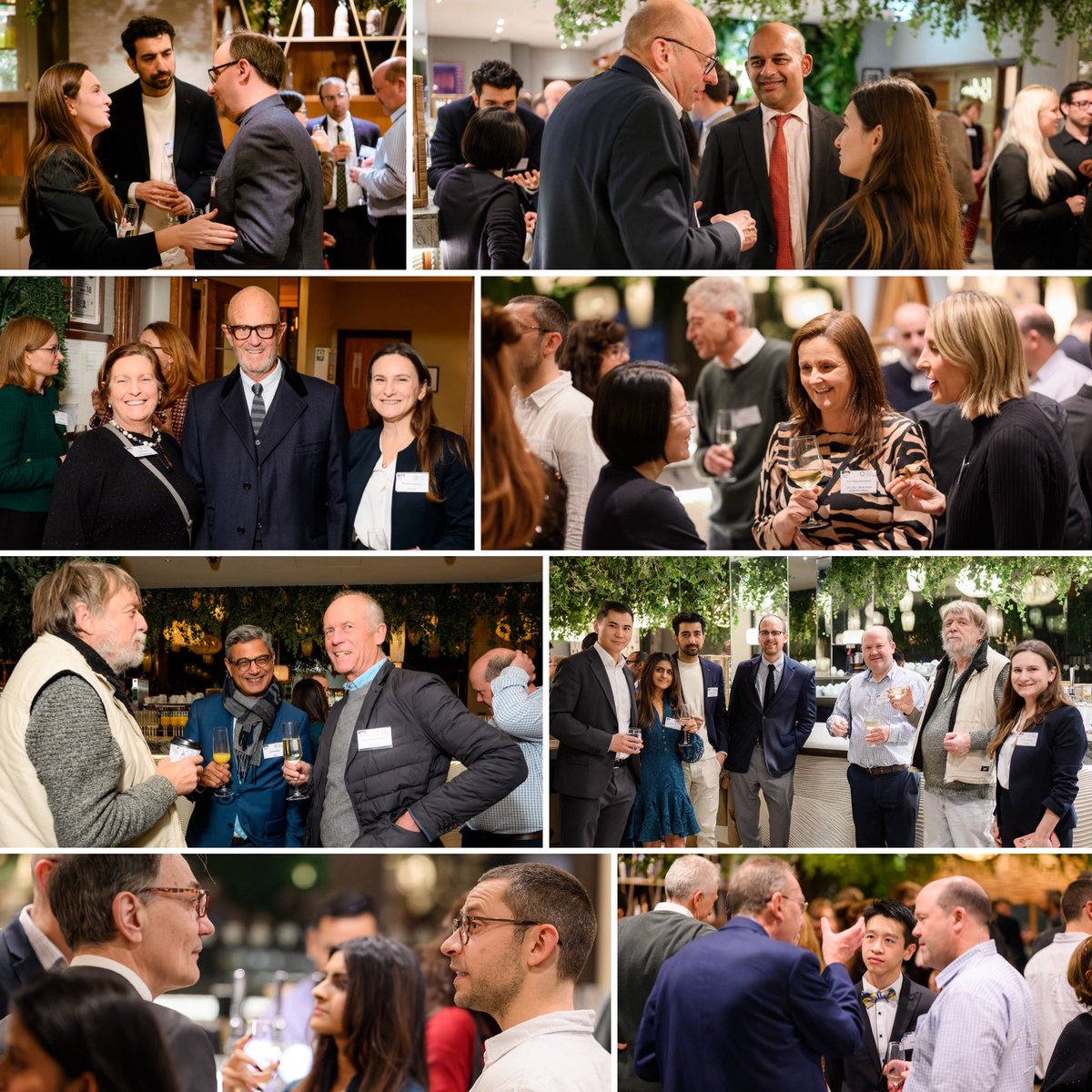
What a fantastic night at our Christmas Drinks Reception! 🥂
It was incredible to bring together so many of our collaborators, sponsors, funders, industry partners, embassy representatives & patient organisations from across our global neurogenetics community.
Progress in this field is only possible through deep cross-sector collaboration at scale. Huge thanks to @nanopore for sponsoring and to everyone who joined us and continues to build this mission & work with us.
We’re excited to grow these partnerships and carry this momentum into 2026! ✨ @IonSynapse@LRS_UCL@UCLIoN@UCL_Global@uclh@UCLTRO@UCLBrainScience@UKDRI
An evening celebrating @IonSynapse collaborations. Our team marked the launch of UK DRI Parkinsons Disease Research Centre under Prof Henry Houlden’s leadership @UCLIoN, bringing researchers, clinicians, charity and industry to advance equitable discovery worldwide.@UCLTRO
We were delighted to host our Christmas Drinks Reception sponsored by @nanopore, bringing together partners, ambassadors, funders & charities shaping our global neurogenetics work. Grateful to all who joined us & excited for continued progress in 2026! 🥂 @UCLIoN@LRS_UCL
Welcome to our December #JournalClub!
This month, we’re discussing: "PIGC-related encephalopathy: Lessons learned from 18 new probands" from the latest issue of #EJHG
https://t.co/cFDRaSFaLm
Biology doesn’t care about age, geography, or labels—it connects us in ways we don’t expect. In this short video, Toby explains how rare childhood brain disorders link to adult neurodegeneration, & why real progress comes from families, open science, & working together globally.
We previously characterised CHKA-related developmental & epileptic encephalopathy. This new work shows patient derived cells have disrupted Kennedy pathway activity, mitochondrial dysfunction & oxidative stress—partially rescued by mitochondrial uncoupling https://t.co/CtMDFIpsrv
Biallelic variants in SLC31A1, encoding copper transporter 1 (CTR1), cause a severe developmental and epileptic encephalopathy, linking disrupted copper transport to mitochondrial dysfunction and profound neurodevelopmental outcomes. @UCLIoN@braincomms. https://t.co/N7UdhFxCRM
The latest Neuromuscular Diseases (NMD) Research Day took place in Queen Square in November 2025. A fantastic day bringing together clinicians, researchers and trainees to share insights and celebrate progress in NMD research. Read more: https://t.co/Deam4RJGxM