As we commemorate Martyrs' Day today, 3rd June, we honour the unwavering faith, courage, and sacrifice of the Uganda Martyrs, whose commitment to truth and righteousness continues to inspire generations.🙏
The Institute of Procurement Professionals of Uganda (IPPU) wishes all its stakeholders a blessed Martyrs Day. May the values of integrity, service, and dedication exemplified by the martyrs guide us in advancing professionalism and excellence in procurement and supply chain management for sustainable National Development.
#martyrsday2026 #procurementprofessionals #uganda #martyrsday #professionalcommunity
Congratulations to Hon. Henry Musasizi on his appointment as Uganda’s Minister of @mofpedU
This appointment comes at a defining moment for our nation’s economic transformation journey. As Uganda pursues ambitious growth and development targets, strong fiscal leadership, strategic planning, and prudent stewardship of public resources will remain central to delivering sustainable prosperity for all Ugandans.
The Institute of Procurement Professionals of Uganda (IPPU), together with the wider procurement and supply chain fraternity, extends its sincere congratulations and best wishes as Hon. Musasizi assumes this important national responsibility.
Procurement sits at the heart of public service delivery, economic efficiency, and value creation. We reaffirm our commitment to supporting Government’s development agenda through the promotion of professionalism, ethical practice, transparency, innovation, and value based procurement management.
We look forward to continued collaboration in strengthening public financial management systems, enhancing accountability, and ensuring that every public resource contributes meaningfully to Uganda’s socio economic transformation.
Congratulations, Hon. Henry Musasizi. We wish you wisdom, success, and impactful leadership in service to Uganda.
#IPPUUganda #ProcurementProfessionals #SupplyChainManagement #PublicFinanceManagement #EconomicTransformation #Professionalism #Leadership #Uganda #FinanceMinistry #ValueForMoney #ProcurementExcellence
Big conversations. Sharp minds. Future focused ideas.
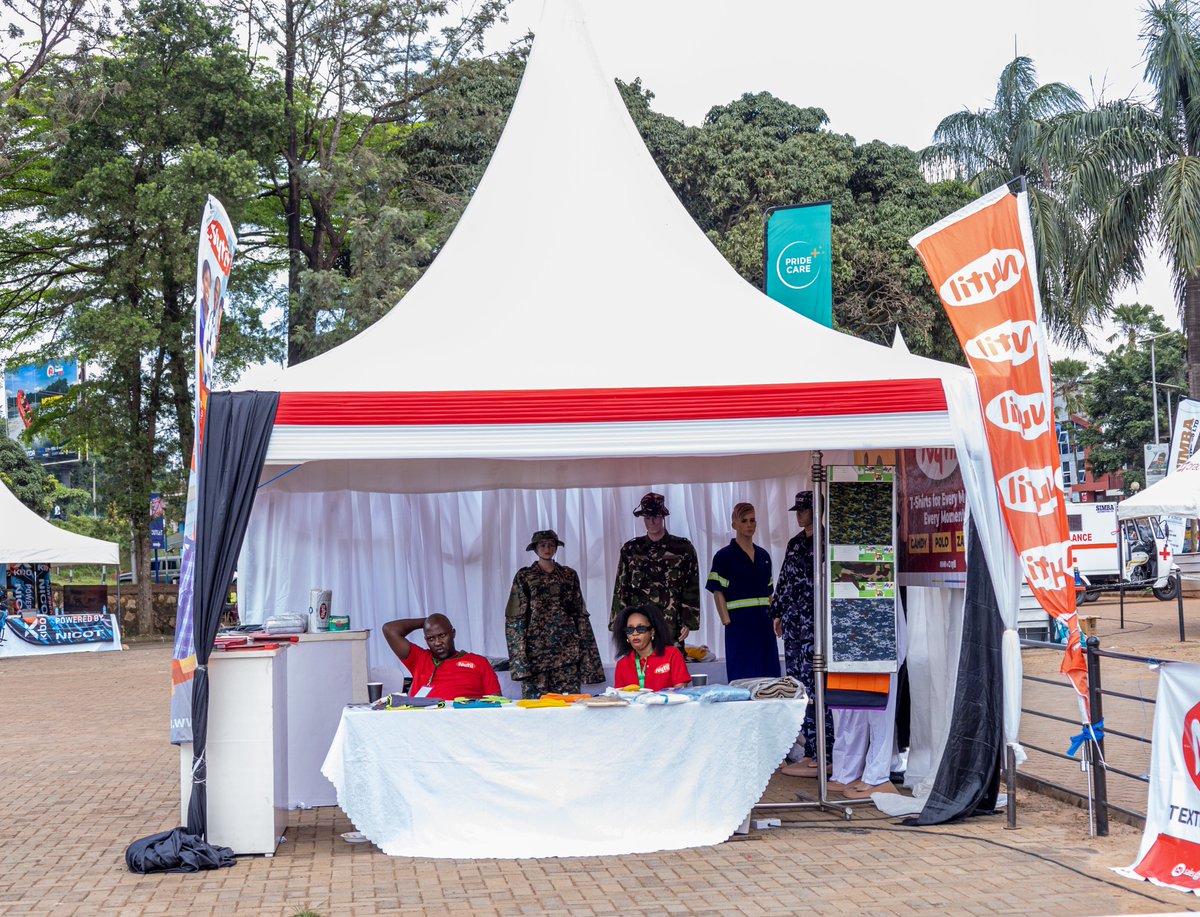
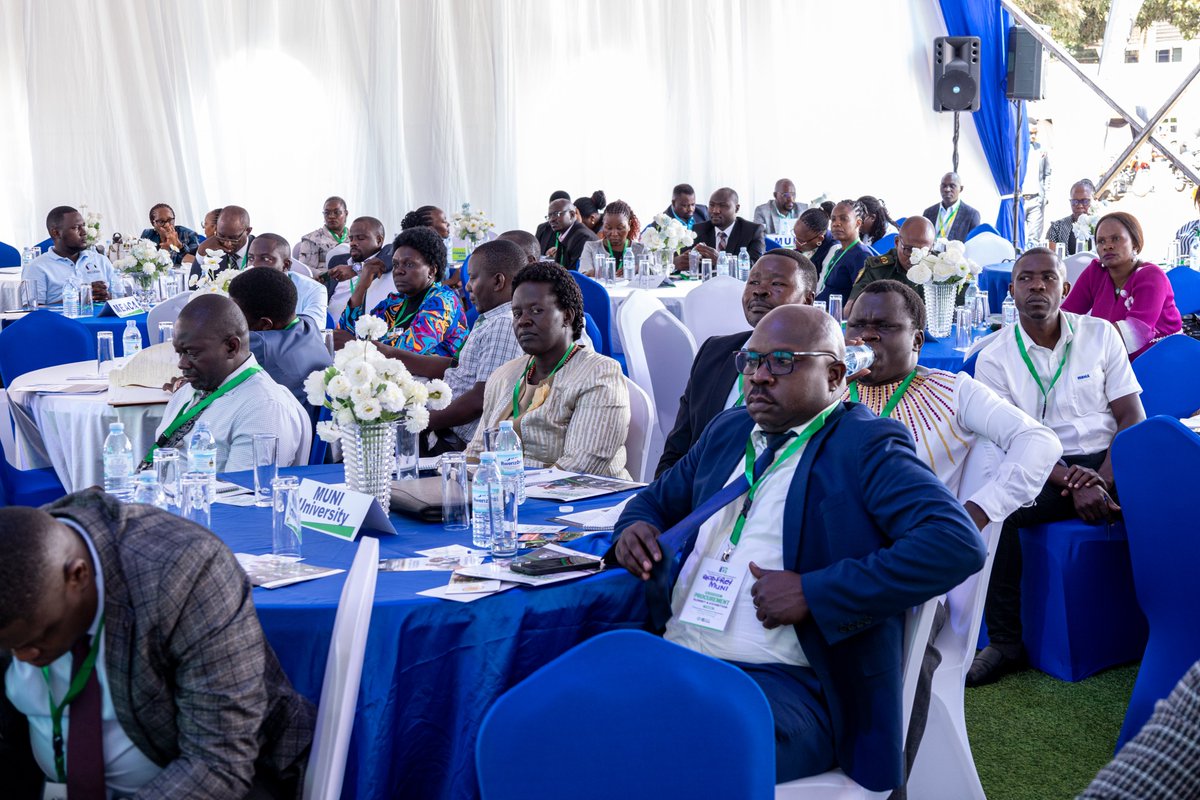
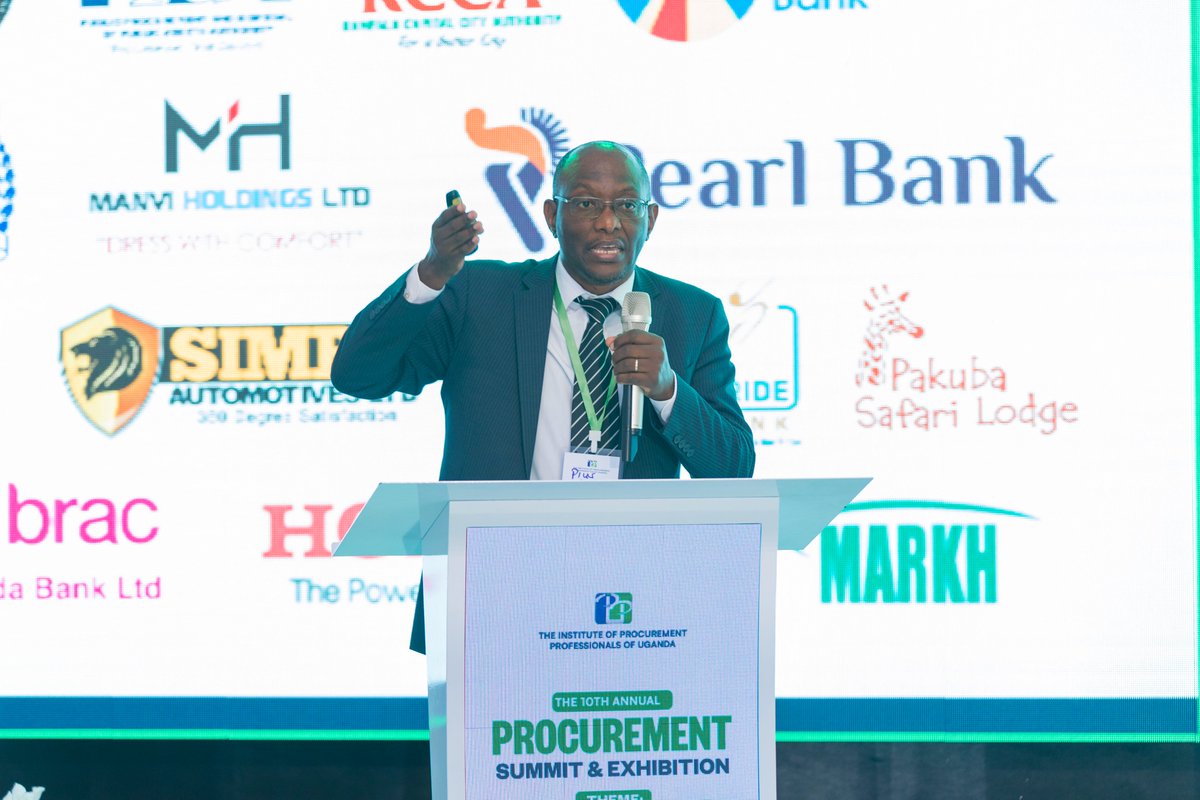
From strategy and sustainability to resilience, innovation and digital transformation, the 10th Annual Procurement Summit & Exhibition brought together the people and conversations shaping what comes next for procurement in Uganda.
Here’s a quick look back at the energy, insights and moments from the day.
#IPPUSummit2026 #ProcurementLeadership #FutureOfProcurement
The closing session led by Dr Isaac Kyaligonza reinforced that procurement is no longer just a compliance function. It is becoming a strategic driver of national development, institutional performance and economic transformation.
The profession is evolving and with that, expectations are rising with it.
#IPPUSummit2026 #ProcurementLeadership #FutureOfProcurement
Another strong theme from the closing discussion was that supplier engagement should not be treated as conflict management.
Institutions and suppliers must increasingly work as ecosystem partners focused on continuity, value delivery and long-term resilience.
Better procurement outcomes will require stronger collaboration on both sides.
#IPPUSummit2026 #SupplierManagement #SupplyChainManagement
“The future procurement system cannot remain rigid while the operating environment keeps changing.”
An important reflection from the closing session as discussions focused on digital transformation, procurement reform and institutional agility.
Procurement systems must evolve as quickly as the markets and environments they serve.
#IPPUSummit2026 #DigitalTransformation #ProcurementLeadership
Dr Isaac Kyaligonza’s remarked about the importance of collaborative procurement in reducing inefficiencies across institutions.
Fragmented procurement systems create:
• inconsistent pricing
• duplication
• supplier manipulation risks
• slower delivery
Standardisation and collaboration are becoming strategic priorities.
#IPPUSummit2026 #SupplyChainManagement #PublicSector
A major insight from Dr Isaac Kyaligonza’s remarks was the importance of collaborative procurement in reducing inefficiencies across institutions.
Fragmented procurement systems create:
• inconsistent pricing
• duplication
• supplier manipulation risks
• slower delivery
Standardisation and collaboration are becoming strategic priorities.
#IPPUSummit2026 #SupplyChainManagement #PublicSector
“Procurement reform must match operational reality.”
Dr Isaac Kyaligonza highlighted the growing need for more agile procurement frameworks, especially for state owned enterprises operating in fast moving commercial environments.
The conversation around procurement reform is shifting from control alone towards efficiency, responsiveness and delivery.
#IPPUSummit2026 #PublicProcurement #ProcurementLeadership
Procurement systems are evolving from rigid administrative structures into more agile, technology driven ecosystems.
Digital procurement, supplier financing, collaborative purchasing and institutional flexibility are no longer future conversations. They are becoming operational priorities now.
#IPPUSummit2026 #ProcurementLeadership #FutureOfProcurement
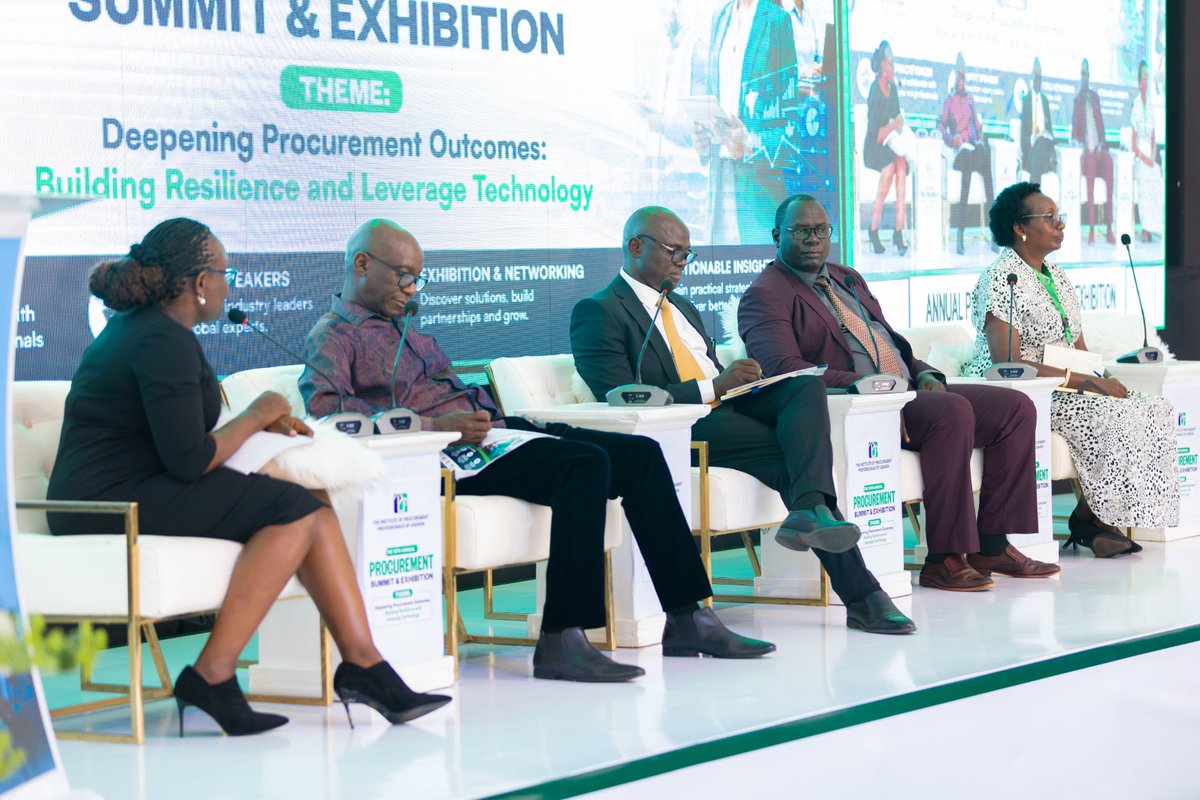
The second plenary today focused on why fragmented procurement systems create inefficiency, inconsistent pricing and unnecessary costs.
Collaborative procurement and standardisation are increasingly being viewed as practical pathways towards better value, transparency and operational efficiency.
#IPPUSummit2026 #PublicProcurement #DigitalTransformation
We should not see suppliers as enemies, but as partners providing solutions.”
An important reflection from today’s discussion on supplier engagement and procurement relationships.
The future of procurement will increasingly depend on collaboration, trust and continuous engagement across the entire ecosystem.
#IPPUSummit2026 #SupplierManagement #ProcurementSummitUG
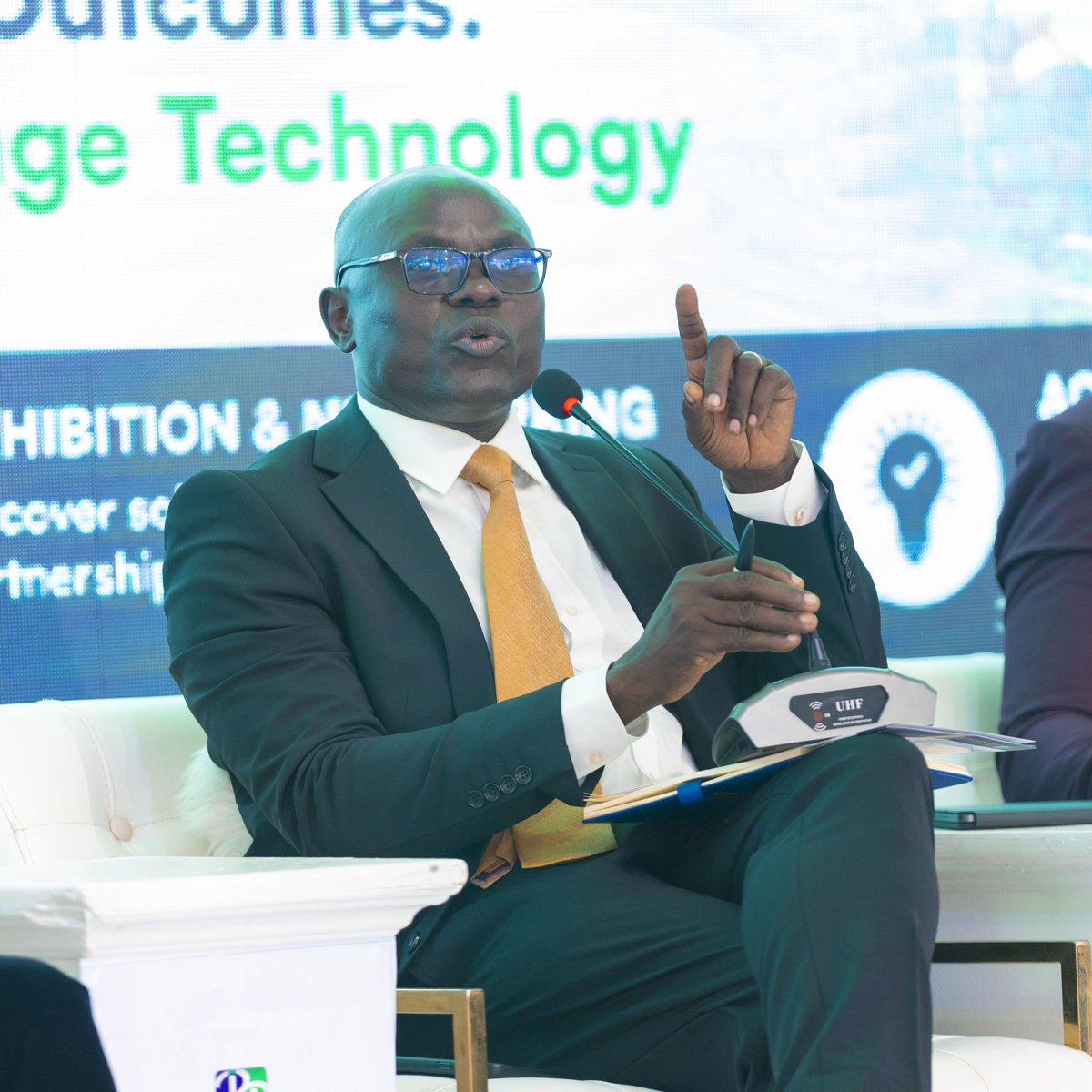
The second plenary session focused heavily on practical procurement challenges, supplier financing, institutional reform, collaboration between public and private sectors, and how procurement systems can better support resilience and national development.
The discussion became more operational and implementation-focused.
A major discussion point was that procurement systems are only as resilient as the suppliers supporting them.
The panel highlighted how financial institutions and procurement entities must work together to:
• support suppliers financially
• improve access to working capital
• reduce supplier strain
• strengthen continuity across supply chains
#ippusummit2026
Procurement professionals cannot continue expecting strategic influence while operating purely as compliance officers. Influence is increasingly earned through innovation, responsiveness, commercial awareness and the ability to solve problems in real time.
The profession is evolving fast.
#IPPUSummit2026 #ProcurementLeadership #PlenarySession
COVID 19 fundamentally changed how organisations think about procurement. Cost alone is no longer enough. Institutions are now being forced to rethink supplier dependency, continuity planning and how quickly they can recover when disruption happens.
Resilience is becoming just as important as efficiency.
#IPPUSummit2026 #ResilientProcurement #PlenarySession
Procurement decisions no longer affect organisations alone. They increasingly shape communities, environmental sustainability and long-term economic resilience. Procurement professionals now sit at the centre of decisions that directly influence the future generation.
#IPPUSummit2026 #SustainableProcurement #PlenarySession
One of the most practical lessons from today’s plenary:
Good procurement systems do not only manage buying. They manage relationships, expectations and trust.
Supplier engagement is becoming just as important as procurement compliance.
#IPPUSummit2026#ProcurementLeadership #SupplierManagement
“Procurement transformation is not only about systems. It is also about communication.” This was a critical point raised during the plenary discussion.
Information may exist, but if suppliers cannot access, understand or respond to it effectively, procurement gaps remain.
#IPPUSummit2026 #SupplyChainManagement #PublicProcurement
Technology is no longer an enhancement to procurement systems. It is becoming the infrastructure behind efficiency, transparency and responsiveness.
The panel highlighted how digital systems are improving:
• procurement planning
• supplier engagement
• tracking
• communication
• accountability
#IPPUSummit2026 #DigitalTransformation #ProcurementLeadership
“The private sector has learned to cost time.” A sharp insight from the plenary discussion on why procurement delays are no longer just operational problems but business performance problems.
Slow procurement now directly affects:
• profitability
• service delivery
• competitiveness
• stakeholder confidence
#IPPUSummit2026 #ProcurementSummitUG #BusinessLeadership