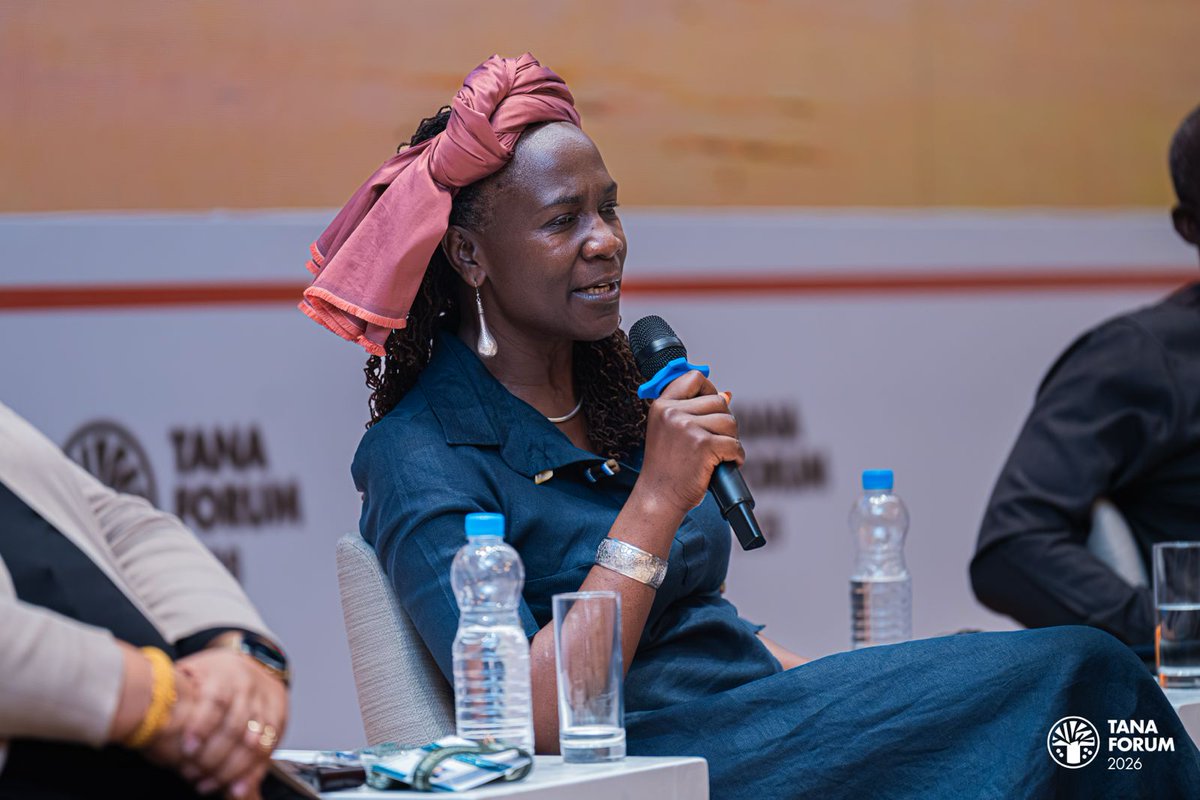
#Peace in #Africa goes beyond #silencingguns. It requires total economic independence. The TANA PAPERS 2026 reveals how energy integration, smart border governance to stop illicit financial flows, and digital inclusion are the true pathways to stability.
Read or download the full policy briefs 👉🔗 https://t.co/db0Ib7RqES
#TanaForum2026 #TanaForum #AfricaRising
We keep treating the symptoms of conflict in Africa, like armed groups and fragile borders, while ignoring the disease: who controls the wealth. Unveiled at the #TanaForum2026, the SPSA 2025-2026 report reveals that true peace isn’t just a ceasefire; it’s economic sovereignty. The #AfCFTA isn't just for trade, it's a weapon for peace.
Read or Download the full report 👉https://t.co/O8hRRdLjpb
Opening and significance - How can Africa prevent conflicts from recurring? On 9 November, H.E. @Bankole_Adeoye, AU Commissioner for @AUC_PAPS, opened a roundtable on the revised AU PCRD Framework, with perspectives from Dr Solomon Dersso (@africa_amani) and Dr Mercy Fekadu (@IPSS_Addis).
#AU20PCRD #PCRDMonth26
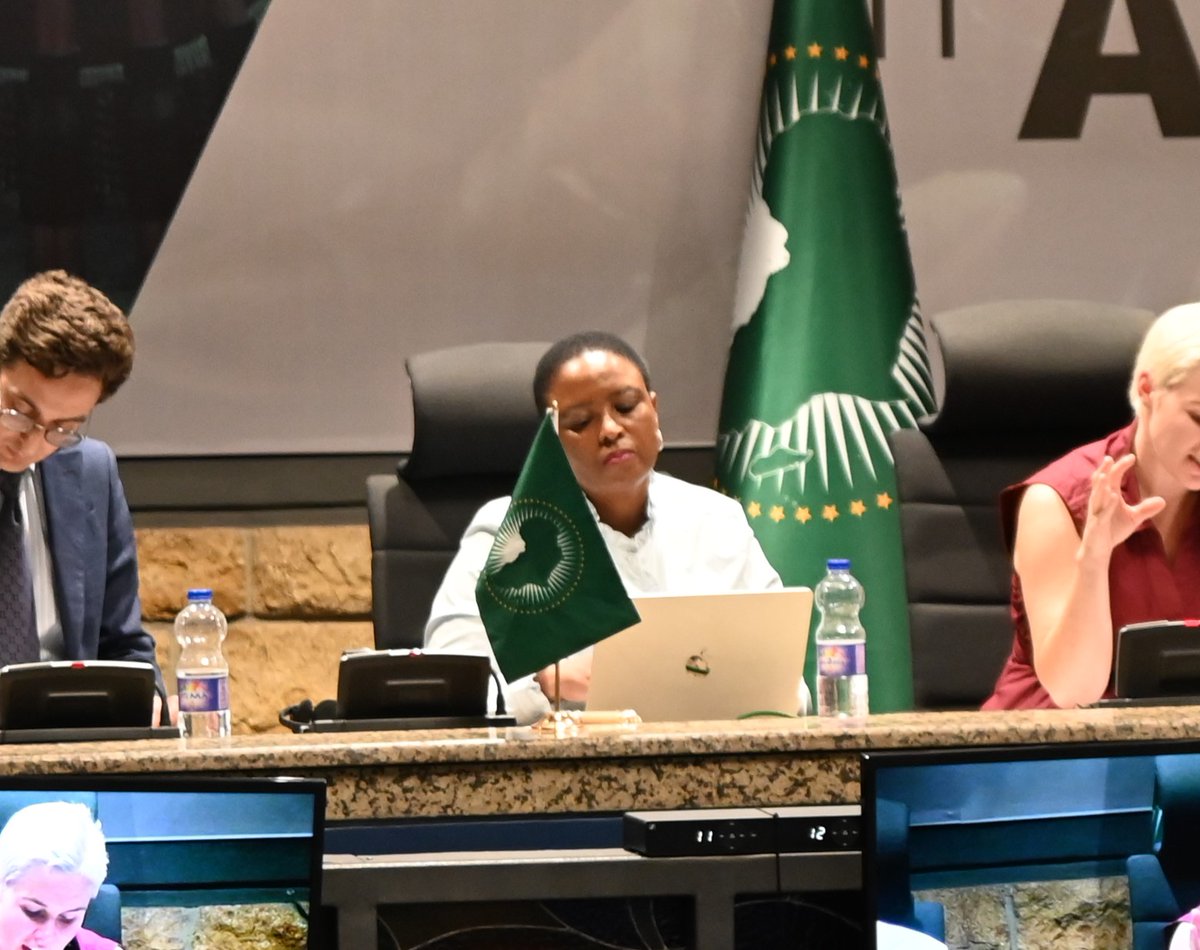
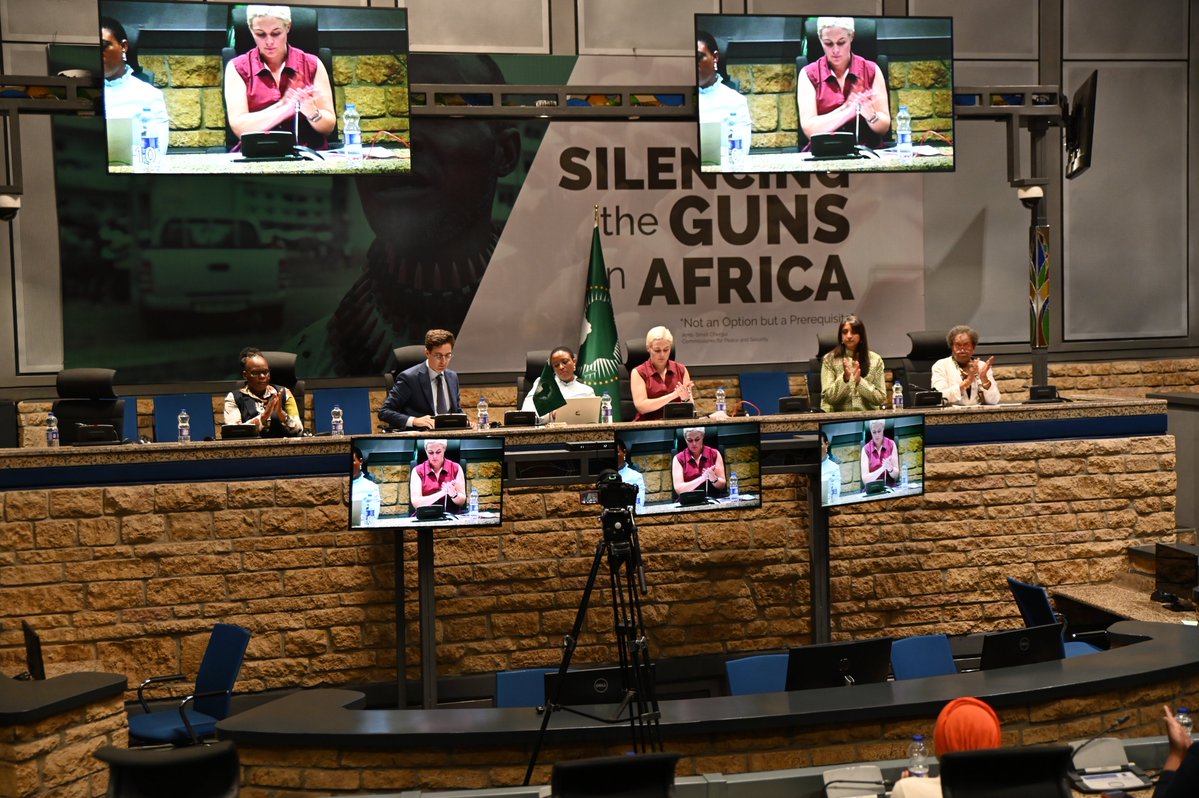
In her closing reflections, Ms. Lesley Connolly, Regional Policy and Advocacy Manager at Nonviolent Peaceforce, calls for urgent implementation of the revised AU PCRD Framework. She stresses the need to connect community-led risk assessments with continental early warning systems, establish two-way communication and provide sustainable funding for grassroots peacebuilders.
Ms. Shemona Otu-Ansah, Representative to the AU, Baha’i International Community highlights the role of young people in advancing community-led conflict prevention. Drawing on experiences from the Democratic Republic of the Congo, Zambia and Liberia, he calls for greater trust in youth leadership, meaningful participation in governance and sustained institutional support for locally driven peacebuilding.
Ms. Kudzanai Mativiria, Head of Programs, Nonviolent Peaceforce South Sudan highlights how community-based early warning and early response mechanisms help prevent violence in South Sudan. Drawing on 16 years of work, the speaker calls for formal recognition of community protection teams, sustained funding, protection for local peace actors and stronger links between community-level warnings and national and AU response systems.
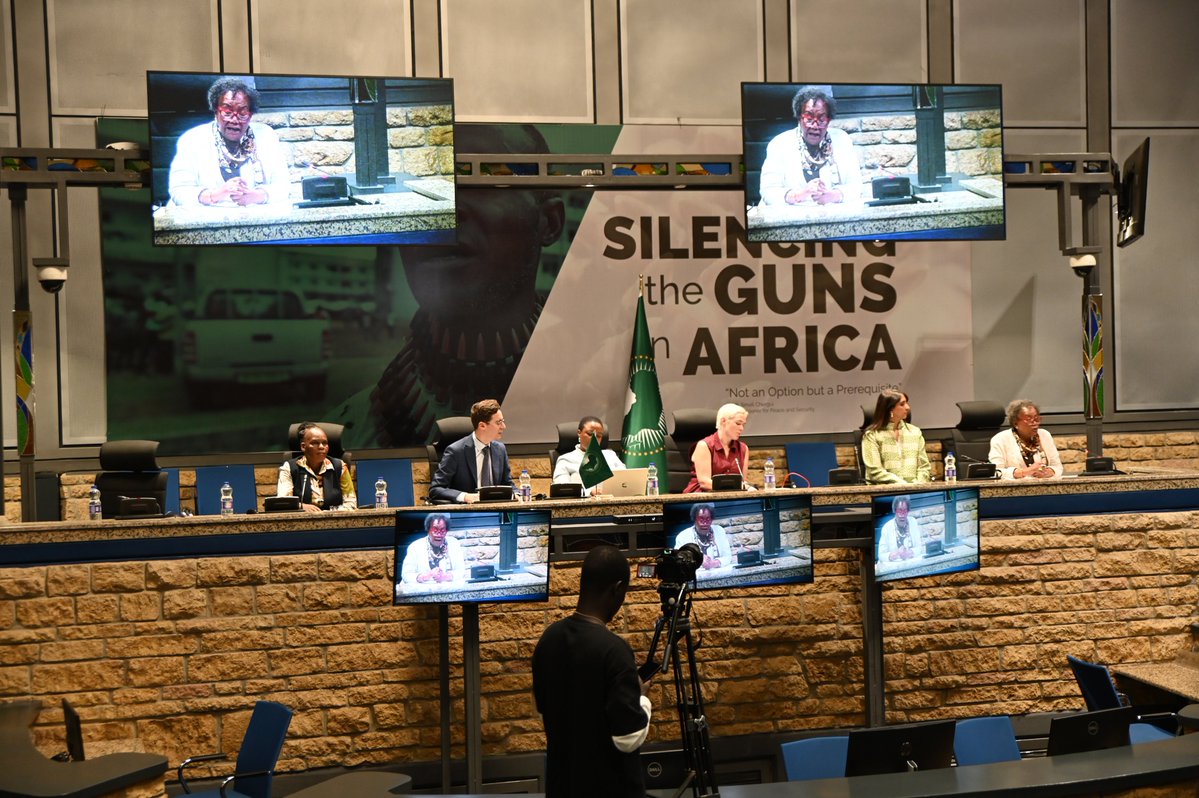
The Panel Discussions highlight women's grassroots contributions to peacebuilding. Amb. Tadelech Haile Mikael, the Executive Director of the African Woman Peace and Security Institute(AWPSI), emphasise the need to recognise women as knowledge holders, mediators and peace actors, while establishing sustainable platforms to connect community-level experiences with national, regional and continental peace and security policymaking.
The panel discussion on operationalising the revised AU PCRD Framework examines the policy and institutional requirements for effective conflict prevention. Panellists highlight the importance of stronger coordination, inclusive approaches and translating continental commitments into practical action at community level.
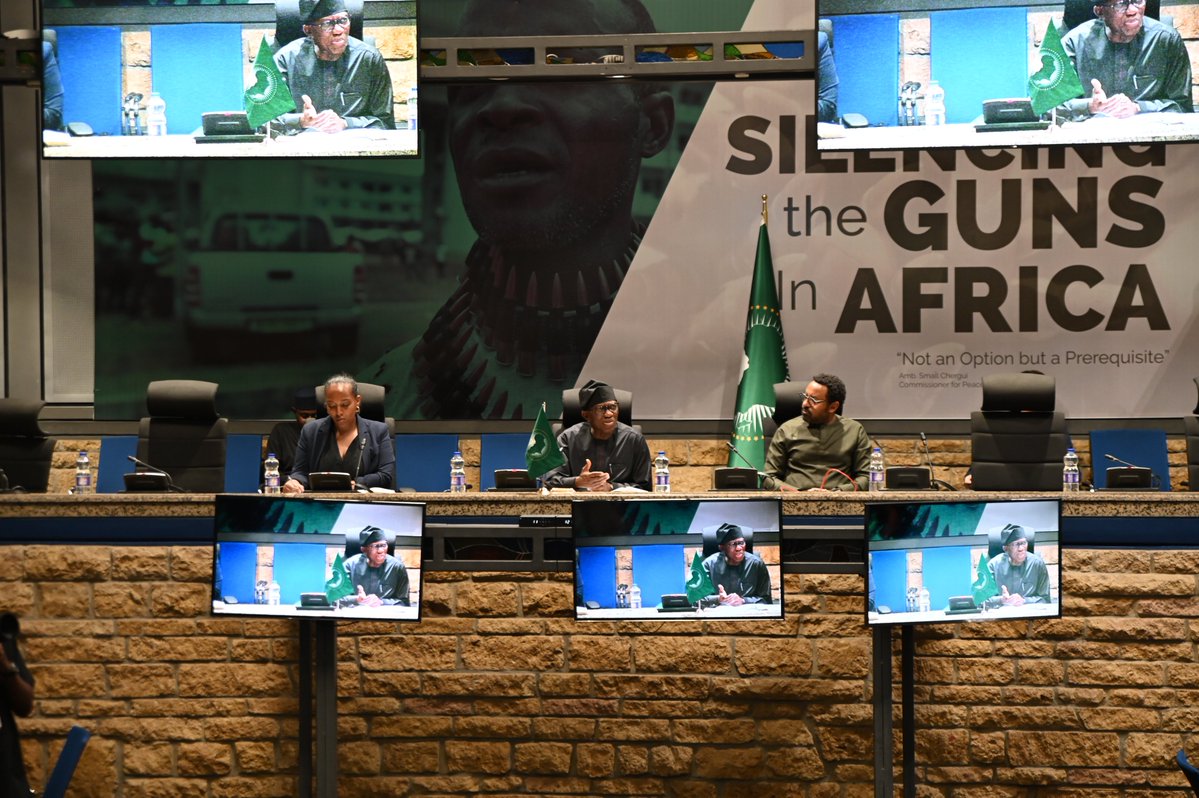
Ambassador @Bankole_Adeoye , in his welcoming remarks at the roundtable on the revised AU PCRD Framework, calls for moving from policy commitments to practical action. He highlights institution-building, national reconciliation and investment in essential services to prevent conflict relapse and sustain peace.
#HappeningNow: Panel Discussion: Operationalizing Conflict Prevention Under the Revised AU PCRD Framework
Join us for an insightful panel discussion addressing key strategies for operationalizing conflict prevention under the revised African Union Post-Conflict Reconstruction and Development (AU PCRD) Framework.
Featured Speakers
📍Ms. Libakiso Matlho, Executive Secretary, AU PCRD Centre
From Policy to Practice: How the PCRD Centre supports member states and RECs in implementing the revised policy, and the necessary engagements required from national governments, RECs, and partner organizations.
📍Mr. Adil El Badmoussi, Senior Policy Advisor, PCRD, Department of Political Affairs, Peace and Security, African Union Commission
Key Shifts in the Revised PCRD Policy: Exploring major policy updates and how core pillars connect early warning mechanisms with sustained structural initiatives within the broader AU peace and security architecture.
📍Amb. Tadelech Haile Mikael, the Executive Director of the African Woman Peace and Security Institute(AWPSI)
Women and Localized Prevention: how women’s inclusion in local and national conflict prevention can be strengthened and connected across these levels
📍Ms. Shemona Otu-Ansah, AU Representative, Baha’i International Community
Youth in Prevention and Peacebuilding: Insights and experiences drawn from Zambia, the Democratic Republic of the Congo, and Liberia.
📍Ms. Kudzanai Mativiria, Head of Programs, Nonviolent Peaceforce South Sudan
Community-Led Early Warning and Prevention: Field perspectives and lessons learned from South Sudan.
Moderator by
Ms. Lesley Connolly, Regional Policy and Advocacy Manager, Nonviolent Peaceforce
#HappeningNow: Dr. Mercy Fekadu, Director of IPSS, highlights the institute's role in training and research, emphasizing the importance of strengthening institutional capacities to translate early warning information into early response. She underscores the need for practical skills to design sustainable, people-centered, and locally relevant interventions while documenting experiences to strengthen conflict prevention and peacebuilding.
#HappeningNow: Dr. Solomon Dersso, Founding Director of Amani Africa, emphasises the need to sustain political and diplomatic engagement beyond peace agreements. He calls for stronger integration of conflict prevention, mediation, peacebuilding and Post-Conflict Reconstruction and Development (PCRD), stressing that implementation requires sustained international and institutional commitment to prevent conflict relapse.
#HappeningNow: Opening remarks at the roundtable on Operationalizing Conflict Prevention Under the Revised AU PCRD Framework emphasise the need to move from policy commitments to practical action. The African Union is urged to strengthen national institutions, advance reconciliation and justice, and invest in essential services to prevent conflict relapse and sustain peace.
🌍 Join the conversation on the future of African-led peace and security!
This year marks the 20th anniversary of the AU PCRD Policy and the UN Peacebuilding Commission. Emerging security realities and shifting multilateral funding demand a focus on proactive, sustained commitment over short-term interventions.
Join us for a critical roundtable: "Operationalizing Conflict Prevention Under the Revised AU PCRD Framework". The discussion will explore how to dismantle institutional barriers and build inclusive, multi-sectoral prevention systems.
Key Discussion Topics:
Translating early warning and conflict-risk assessments into sustained structural action.
Aligning diverse sectoral policies into coordinated national prevention systems.
Incentivizing non-traditional actors, such as private enterprise and youth organizations, to collaborate within a shared prevention architecture.
Ensuring community-identified risk and protective factors directly inform national-level policy.
The roundtable is co-organized by the @_AfricanUnion, Bahá'í International Community, @Peaceforce, IPSS, @africa_amani, @fes_au, and @ACCORD_online.
#ConflictPrevention #AUPCRD #Peacebuilding #AfricanUnion #PeaceAndSecurity #HDPNexus
You can’t have #AfCFTA without free movement.” - Amb. @MaureenAAchieng . Trade informality at our borders should not be criminalized, but maximized for regional integration and peace.
#TradeForPeace#TanaForum2026
Tana Forum, in partnership with Bahir Dar University (@bduethiopia), successfully convened a Vice Chancellors’ Dialogue on 23 October 2026 at Bahir Dar University, Bahir Dar, Ethiopia, on From Knowledge Consumers to Knowledge Producers: The Role of African Universities in Shaping Africa’s Future. The Dialogue took place on the margins of the 12th Tana High-Level Forum on Security in Africa.
Ms @FerialZoheb, Policy Dialogues and Strategic Partnership Coordinator at the @IPSS_Addis, delivered the closing remarks on behalf of Ms @LettieLongwe, Director of Africa Peace and Security Programme (APSP); Head of the Tana Forum Secretariat at IPSS.
In her remarks, Ms Zoheb expressed her appreciation to Bahir Dar University and its team for their commitment, dedication, and valuable contributions towards the successful organisation of the Dialogue.
The event provided an important platform for engagement and exchange among university leaders, reinforcing the role of higher education institutions in advancing dialogue and addressing Africa’s peace and security challenges.
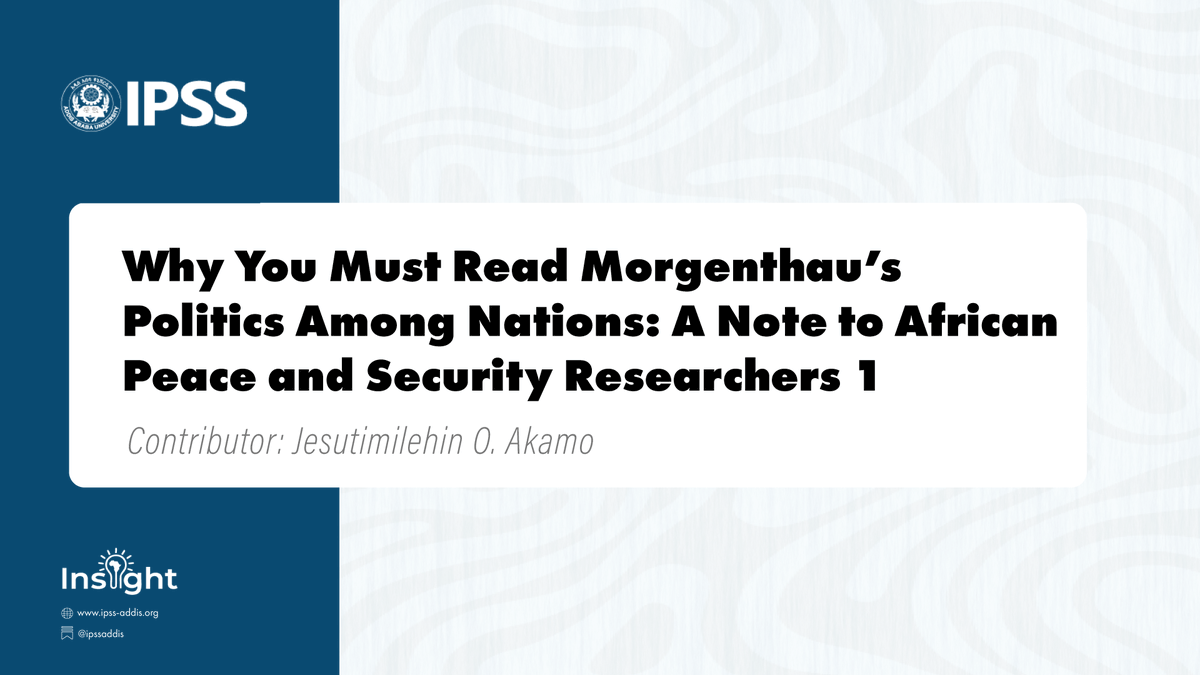
In case you missed it: Are dominant liberal peace frameworks causing researchers to overlook critical power dynamics in African conflicts? In this IPSS Insight, @jo_akamo revisits Morgenthau’s classical realism to provide essential analytical tools for understanding both state and non-state actors.
Read the full analysis 👉🔗 https://t.co/kt19UJFYG0
🚨New Insight | October 31, 2026
In this week’s IPSS Insight, @jo_akamo, Research and Policy Analysis unit Coordinator, explores the intersection of the liberal peace thesis and classical realism within African peace and security in the latest insight, "Why You Must Read Morgenthau’s Politics Among Nations: A Note to African Peace and Security Researchers 1".
The insight demonstrates how the dominance of liberal peace frameworks within institutions like the African Union may lead researchers to overlook fundamental power struggles involving state and non-state actors.
Follow the link to read the full Insight 👉🔗 https://t.co/kTYh2UJ5ma